
Staff Retreat Activities: Team Building Ideas to Boost Engagement and Morale


Planning effective staff retreat activities can transform your team's dynamics and create lasting impacts on collaboration and morale. Whether you're organising your first company retreat or looking to refresh your approach, our guide to planning corporate retreat activities gives you the full framework — from setting objectives to selecting venues and managing logistics.
The activities that work best for a leadership strategy offsite look different from those that work for an all-hands kickoff or a team-building-focused retreat. This guide organises options by format, goal, and retreat type so you can find what fits your specific situation — not just a generic list.
Key Takeaways
- Icebreaker games and team-building activities like scavenger hunts and escape rooms enhance team bonding and foster collaboration.
- Creative and wellness activities promote innovation and well-being, strengthening interpersonal relationships within the team.
- Thorough planning, setting clear goals, and managing logistics are essential for a successful retreat experience.
- Virtual activities ensure connection and engagement for remote teams.
- The activities that work best depend on your retreat type — leadership retreats, all-hands events, and team-building-focused retreats each call for a different mix. See the 'Activities by Retreat Type' section below.
- Combining indoor, outdoor, and cultural activities creates a well-rounded retreat that appeals to diverse team preferences.
Icebreaker Activities to Kickstart Your Staff Retreat

Starting your retreat with engaging icebreaker activities sets a positive tone and helps participants feel comfortable. These staff retreat activities dissolve initial barriers and create a welcoming atmosphere where everyone can participate fully. A lively welcome session featuring trivia games and scavenger hunts creates memorable first impressions while strengthening social bonds among team members.
Human Bingo
Human Bingo gets everyone moving and interacting dynamically. Participants receive bingo cards featuring various personal facts and must find colleagues matching these characteristics to complete rows or the entire card. Customisable bingo cards tailored to your team's unique characteristics make the game particularly engaging. This activity combines friendly competition with meaningful conversations, creating an ideal foundation for team connection.
Speed Networking
Speed Networking facilitates quick, meaningful interactions among team members. Participants pair up for brief conversations within set time limits before rotating to meet others. This structured approach helps team members establish connections efficiently while fostering an environment of friendly competition, making it perfect for corporate retreat activities.
Team Building Exercises That Drive Collaboration
Effective team building activities for staff retreat enhance communication and bring out the best in team members by highlighting their strengths and promoting strategic thinking.
Scavenger Hunts
Scavenger hunts combine cooperative exploration with strategic thinking. Teams complete challenges, take selfies, and interact with locals to achieve objectives. These activities promote competitiveness, goal-setting, task management, and problem-solving, making them ideal for building collaboration. Tailor scavenger hunts to reinforce company values and enhance team cohesion by incorporating elements reflecting your organisation's culture and goals.
Escape Rooms
Escape rooms offer immersive team building experiences where participants solve puzzles together to escape themed rooms. Teams find clues, accomplish tasks, and solve puzzles collaboratively, enhancing critical thinking and team dynamics. This popular indoor activity creates memorable experiences that translate into improved workplace collaboration.
Team Sports
Team sports like football, volleyball, and handball promote fitness while developing team spirit. These versatile activities work in open spaces, local parks, or beaches. Dividing participants into smaller teams with appropriate gear ensures everyone participates and enjoys friendly competition. Team sports strengthen both physical health and interpersonal relationships, with shared experiences working toward common goals significantly enhancing team cohesion and morale.
Creative Activities to Inspire Innovation
Creative staff retreat activities inspire innovation and encourage teams to think outside the box. Drawing from a wide range of creative corporate retreat ideas — from collaborative art projects and cooking classes to leadership challenges and community service — ensures the programme stays fresh and meaningful for every participant. These activities provide platforms for creative expression and unique project collaboration. Art classes, cooking classes, and DIY workshops enhance team dynamics while developing new skills applicable to workplace challenges.
Art Classes
Art classes promote teamwork and collaboration through activities like painting, sculpting, or jewellery assembly. Creating team emblems or collaborative art pieces encourages creative thinking while strengthening team identity. The relaxed atmosphere fosters open communication and helps team members bond over shared creative expressions, making work more enjoyable through enhanced team cohesion.
Cooking Classes
Cooking classes build team camaraderie through collaborative menu planning, dish preparation, and shared meals. This culinary experience promotes communication and collaboration while providing fun, interactive opportunities to learn new skills and enjoy delicious food together. The hands-on nature creates lasting memories and strengthens professional relationships.
DIY Workshops
DIY workshops encourage hands-on collaboration and creativity. Teams work together on furniture building, crafts, or group art projects. These team building workshops cultivate new skills while strengthening interpersonal relationships, making them excellent choices for corporate retreats focused on skill development and team bonding.
Fun Outdoor Activities for Team Engagement

Outdoor staff retreat activities significantly boost employee morale and overall well-being. Nature walks, hikes, and outdoor fitness activities improve both mental and physical health while encouraging teamwork. These activities create refreshing changes from typical office environments, leading to improved group morale and bonding.
Hiking Adventures
Hiking combines outdoor enjoyment with teamwork through shared physical challenges. This inclusive activity accommodates all fitness levels, making it ideal for team bonding and fostering environmental awareness. Engaging with nature during hikes increases environmental appreciation and provides relaxing yet invigorating team experiences.
Beach Olympics
Beach Olympics engage teams in various sports and games combining fun with competition. Activities like tug-of-war, sandcastle building, and relay races develop camaraderie while strengthening team bonds. Giant scoreboards displaying team progress add excitement and motivate participants. This friendly competition fosters achievement and encourages mutual support throughout the games.
Picnic Lunches
Picnic lunches provide relaxing, enjoyable ways to enhance team bonding at outdoor events. Casual outdoor settings encourage informal discussions and relationship building, making them effective for team building. Planning menus should consider dietary restrictions and allergies to ensure everyone enjoys the meal comfortably.
Indoor Activities for All Seasons
Indoor staff retreat activities offer versatile, weatherproof options for keeping teams engaged year-round. These activities foster team bonding and enhance communication regardless of season. Themed trivia nights, board game tournaments, and karaoke sessions provide productive ways to maintain team engagement and morale.
Board Game Tournaments
Board games promote critical thinking, friendly competition, and team spirit. Tournament formats engage team members in fun, interactive environments where they enjoy favourite games together. Hosting game nights with diverse board game selections ensures something for everyone while fostering strategic communication and teamwork.
Trivia Nights
Trivia nights enhance teamwork and competition in fun indoor settings. Ultimate Trivia Showdowns engage teams with knowledge-based challenges covering topics like past events, sales goals, future milestones, marketing plans, and products. Corporate trivia often includes fun facts about team members and the company. This helps participants learn more about each other while promoting team bonding through collaborative competition.
Karaoke Sessions
Karaoke sessions let team members express themselves creatively while lightening the atmosphere and reinforcing team bonding. Creating groups for karaoke helps employees feel comfortable and encourages participation. Renting karaoke machines or venues with prepared song lists enhances experiences, creating memorable retreat activities.
Cultural and Learning Experiences

Cultural and learning staff retreat activities foster camaraderie and personal growth. Shared cultural activities deepen relationships while providing rich learning experiences. Guest speakers, museum tours, and language classes significantly enhance retreats by promoting understanding, appreciation, and teamwork.
Guest Speakers
Guest speakers offer educational and motivational benefits while entertaining participants. Motivational speakers inspire and energise teams, with follow-up Q&A sessions focused on team building and connection enhancing learning experiences. Speakers contribute to team-building by sharing insights and experiences resonating with team goals and values, providing valuable knowledge while fostering unity and motivation.
Museum Tours
Interactive museum tours enhance understanding of cultural contexts while promoting team discussions. Guided tours of museums or cultural sites enrich team members' knowledge and experiences, providing unique educational retreat activities. These tours encourage team bonding through shared learning and exploration.
Language Classes
Language classes enhance team bonding while teaching new languages engagingly. Short courses encourage learning through interactive sessions, providing environments for connection and collaboration. Learning new languages opens doors to understanding different cultures, fostering appreciation and teamwork while strengthening personal connections and improving collaboration among team members.
Virtual Activities for Remote Teams
Dedicated team time proves critical for remote teams to maintain strong interpersonal relationships. Virtual staff retreat activities ensure connection and engagement among remote team members. These activities provide opportunities for team bonding and collaboration essential for remote teams to thrive.
Virtual Escape Rooms
Teams participate in themed escape room challenges online, collaborating to solve mysteries and puzzles. Virtual escape rooms with themed puzzles require teamwork, creating engaging, collaborative experiences for remote teams. These experiences enhance collaboration by requiring teams to solve challenges together, fostering unity and teamwork among remote team members.
Online Game Nights
Online game nights include interactive games promoting teamwork while adding competitive edges to remote gatherings. These games accommodate large groups by splitting them into smaller teams, ensuring participation from everyone and fostering community.
Virtual Happy Hours
Virtual happy hours bring remote teams together, fostering connections in informal settings. Online game nights and karaoke sessions provide fun, relaxed atmospheres for team members to unwind and enjoy each other's company. These gatherings help remote teams bond and build relationships in casual, enjoyable settings.
Wellness Activities for Mind and Body

Wellness staff retreat activities enhance physical health and emotional well-being during retreats. These activities significantly reduce team stress, reduce stress levels, and promote well-being among participants. They encourage team bonding while providing refreshing breaks from work-related stress.
Yoga and Meditation Sessions
Mindfulness techniques promote relaxation, focus, and stress relief. Yoga and meditation sessions guide participants through techniques promoting relaxation and helping them incorporate mindfulness into their daily lives. Guided meditation allows participants to experience deep relaxation, enhancing overall well-being. Integrating these sessions into retreats fosters cultures of well-being and improved focus among team members.
Fitness Challenges
Group fitness challenges like step competitions foster camaraderie while promoting healthy lifestyle choices. These challenges enhance team bonding and promote healthy competitive spirits, motivating participants to adopt healthier lifestyles while building camaraderie.
Mindfulness Workshops
Mindfulness workshops teach techniques to enhance mental clarity, reduce stress, and improve emotional well-being. These workshops guide participants through mindfulness practices that significantly improve focus and emotional resilience, making them valuable additions to any retreat programme.
Staff Retreat Activities by Retreat Type
The activities that work best for your staff retreat depend heavily on what type of retreat you're running. A leadership strategy session has fundamentally different requirements than a full-company all-hands or a retreat focused purely on team bonding. Using the wrong activity type for the wrong retreat context produces awkward programming — team-building games during a leadership alignment session feel frivolous; strategy workshops at a culture-building retreat feel out of place.
Here's how to match activities to your retreat type.
Leadership Retreat Activities
Leadership retreats are primarily about alignment, honest conversation, and decision-making. The activities should create conditions for candid exchange — not distract from it. The best leadership retreat activities are structured but not heavy-handed, and they leave room for the informal conversations that happen between sessions.
Activities that work well for leadership retreats:
Values Mapping — surfaces alignment and gaps between personal and company values. Best run before a strategy session to prime honest conversation.
Facilitated strategy workshops — structured working sessions with an external facilitator who can surface what internal facilitators cannot. The facilitation is the activity.
Innovation Pitch sessions — small groups pitch a strategic idea to the full leadership team. Generates creative thinking while practising presentation and persuasion skills.
Hiking or nature walks — informal, side-by-side conversation produces different exchanges than a conference room. Keep these unstructured; the conversations are the value.
Private chef dinner — a premium shared experience that creates a relaxed, social environment for informal connection after a day of structured work.
Keep the formal activity programming to afternoons and evenings. Morning sessions at leadership retreats should be the heavy strategic work — save the structured team activities for when the cognitive work is done.
All-Hands Staff Retreat Activities
All-hands retreats need to work for groups of 50 to 300+ people across every function, seniority level, and personality type. The goal is energy, alignment, and cross-team connection — not depth. Activities should be inclusive, fast-paced, and deliberately mix people across departments.
Activities that work well for all-hands retreats:
Company trivia — company history, product knowledge, team fun facts. Runs on Kahoot or Slido so everyone participates simultaneously. Scales to any group size.
Scavenger hunts — deliberately mix teams across departments. One of the most effective formats for driving cross-functional interaction in large groups.
Team Olympics — multiple short competitive events across mixed teams. High energy, highly social, and works well as the centrepiece activity of an all-hands retreat day.
Charity Build events — teams build bikes, care packages, or furniture for donation. Adds genuine purpose to the activity investment, with consistently strong post-event sentiment.
Culture conversation forums — anonymous input tools (Slido, Mentimeter) let every attendee respond to one big question. Gives every voice equal weight regardless of seniority.
For all-hands retreats, parallel activity tracks are essential for groups above 50 people — a single activity for 150+ people without sub-group structure produces surface-level interaction.
Team-Building-Focused Staff Retreat Activities
When team bonding is the explicit goal — not a side effect of strategy work — the activity choices should go deeper than standard icebreakers. Team-building-focused retreats work best when activities are immersive, require genuine collaboration, and leave attendees with shared memories that carry into daily work.
Activities that work well for team-building-focused retreats:
Cooking classes — collaborative, hands-on, and the meal is the reward. Consistently the highest-rated team building format in post-event surveys. Best for the afternoon of day one.
Escape rooms — forces communication under pressure and reveals how people naturally lead, follow, and problem-solve. Use the debrief to connect the dynamics observed to real team patterns.
Improv workshops — builds active listening, adaptability, and comfort with uncertainty. Particularly effective for teams that present frequently or work in high-ambiguity environments.
Storytelling workshops — each person prepares a 2-minute professional story. Accelerates the kind of understanding that normally takes months to develop organically.
Collaborative art projects — teams create a shared mural, vision board, or creative piece. Creates a tangible shared artefact that can be displayed in the office afterward.
Team-building-focused retreats benefit most from a professional facilitator who can debrief each activity — connecting what happened in the activity to how the team operates in real work. Without a structured debrief, the transfer of insight from activity to workplace is low.
How to Plan a Successful Staff Retreat

Careful planning and strategy prove crucial for ensuring successful retreats. Establishing clear goals and themes guides all planning decisions and ensures retreats achieve desired outcomes. Choosing the right retreat activities significantly impacts success, transforming events into meaningful, productive experiences.
Setting Clear Goals
Defining clear objectives for retreats ensures they achieve desired outcomes. Once objectives are set, structuring a retreat agenda around those goals — balancing work sessions, team-building activities, and free time in the right proportions — ensures participants leave engaged rather than exhausted.
Requesting suggestions for speeches and videos before retreats helps learn about team interests and tailor activities accordingly.
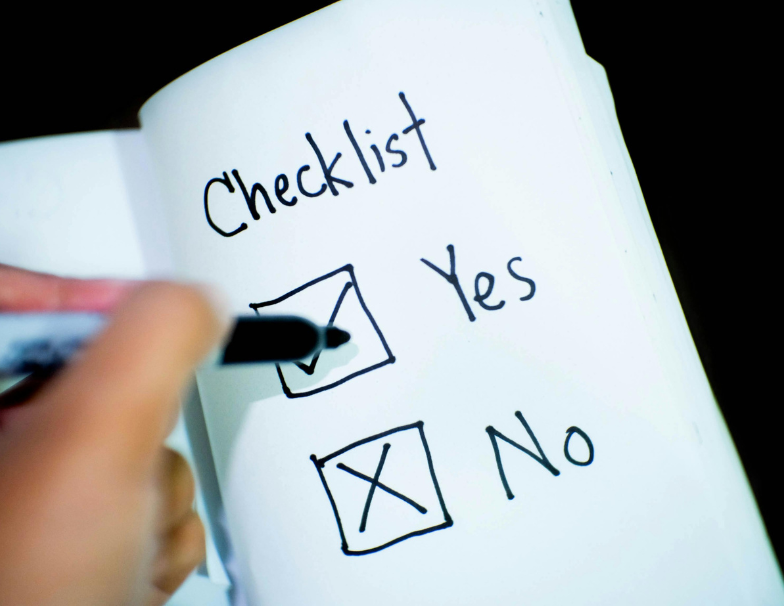
Designating committees to plan exercises and oversee retreat activities ensures smooth execution aligned with retreat goals. Working through a retreat planning checklist before finalising any vendor or venue ensures nothing critical — from headcount confirmation and dietary collection to AV requirements and travel contingencies — is overlooked.
Building in moments of recognition — whether celebrating individual milestones, team wins, or company achievements — ensures employees feel valued and reinforces a positive team culture.
Choosing the Right Venue
Selecting retreat venues aligned with themes helps create comfortable, inviting atmospheres. Exploring top retreat locations — from coastal resorts and mountain lodges to urban venues and ranch properties — helps match the venue to your team's goals and the tone of the retreat before evaluating specific venues.
Gathering feedback through participant surveys after retreats proves vital for enhancing future events and ensuring venues and activities meet team needs and preferences. Ratings from past retreats show significant improvement when feedback is incorporated, making it essential to the planning process.
Considering Logistics
Effective time and logistics management proves critical for overall retreat success. Planning transportation, food, accommodations, and schedules meticulously ensures retreats run smoothly and provide positive experiences for all participants. Team building retreat packages that bundle accommodations, meals, meeting space, and activities into a single per-person rate simplify logistics significantly and often deliver better value than coordinating each component separately. Careful logistics consideration ensures well-organised, enjoyable retreats for everyone.
Summary
Well-planned team building activities for staff retreat with carefully curated exercises significantly enhance team bonding, collaboration, and overall morale. From icebreaker games to wellness workshops, each activity plays a crucial role in creating memorable, impactful retreat experiences. By focusing on activities promoting engagement, creativity, and well-being, companies transform corporate retreats into meaningful, productive events that deliver lasting value.
The activities that work best depend on what type of retreat you're running. Leadership retreats need structured facilitation and space for candid conversation. All-hands retreats need energy, inclusivity, and cross-team mixing. Team-building-focused retreats benefit from immersive formats and a skilled debrief. Use the 'Activities by Retreat Type' section above to match your activities to your goals before choosing individual formats.
The key to successful retreats lies in thoughtful planning and execution. By setting clear goals, choosing appropriate venues, and considering logistics carefully, you ensure retreats achieve objectives and leave lasting positive impacts on teams. Start planning your next retreat with these proven staff retreat activities and watch your team thrive as morale, bonds, and collaboration strengthen.
FAQs
- What are the best staff retreat activities for team building?

The best team building staff retreat activities combine collaboration, communication, and shared challenges. Escape rooms, scavenger hunts, cooking classes, and improv workshops consistently rank highest in post-retreat surveys because they require genuine teamwork rather than just participation. The right choice depends on your team size and how well people already know each other — icebreakers work for new teams, while deeper formats like storytelling workshops or innovation pitches work better for established teams.
- How do I choose activities based on retreat type?
Leadership retreats benefit from facilitated strategy workshops, values mapping, and informal social activities like hiking or private chef dinners — formats that create conditions for candid conversation. All-hands retreats need activities that scale to 50+ people and mix attendees across departments: trivia, scavenger hunts, and team Olympics work well. Team-building-focused retreats should use immersive collaborative formats — cooking classes, escape rooms, improv workshops — with a professional debrief that connects the activity to real team dynamics. See the 'Activities by Retreat Type' section above for a full breakdown.
- How long should a staff retreat last?
Most staff retreats run 1–3 days, with 2 days being the most common format for teams of 10–100 people. A single day is sufficient for department-level events or team-building-focused activities. A full 3-day retreat is most appropriate for leadership alignment, annual strategy planning, or company-wide culture resets where sustained in-person time produces meaningfully better outcomes. Beyond 3 days, the returns diminish for most teams.
- What activities work best for remote teams?
Virtual staff retreat activities that work best for remote teams are purpose-built for the format rather than adapted from in-person activities. Virtual escape rooms, online trivia (Kahoot, Mentimeter), virtual cooking classes with ingredient kits shipped in advance, and remote scavenger hunts consistently achieve the highest engagement scores among distributed teams. Virtual activities work well for maintaining existing relationships — for building new relationships from scratch or repairing trust, in-person investment is needed even for fully distributed teams.
You may also like

Stay Updated with Our Insights
Get exclusive content and valuable updates directly to you.