
Incentive Travel Destinations for Corporate Teams: The Complete Guide


Selecting reward destinations that excite attendees while satisfying leadership expectations is one of the most challenging decisions in corporate programs. You're balancing competing priorities: budget constraints, diverse participant preferences, logistical complexity, and the pressure to deliver an experience that genuinely motivates top performers.
What separates good locations from great ones? It starts with accessibility—how easily your team can get there without exhausting travel days. Strong hotels with adequate meeting space matter, as do unique activities that participants couldn't replicate on their own. Everything must align with your company culture and budget reality.
If you're just getting started, our guide to incentive trip planning timelines walks through the full lead-time picture before you dive into destination specifics.
Key Takeaways
- Picking the right reward destinations directly impacts motivation, retention, and sales performance — research on what makes incentive travel motivating shows 91% of sales professionals find group incentive travel extremely or very motivating
- Top locations vary significantly by region, budget, group size, and company culture rather than being one-size-fits-all solutions
- Easy air access, safety, strong hotel infrastructure, and memorable experiences are non-negotiable factors when evaluating destinations
- Programs for 2025-2026 are trending toward sustainable, wellness-focused, and culturally immersive locations across the globe
- This article gives planners a practical framework and concrete destination ideas to maximize ROI from reward travel
What Makes a Great Destination?
Before shortlisting locations, you need clear criteria to evaluate options objectively.
Accessibility and Flight Connectivity. Look for nonstop or single-connection flights from major hubs. Direct service minimizes travel fatigue. Consider visa requirements and total transfer time from airport to hotel—anything over 90 minutes starts eroding excitement.
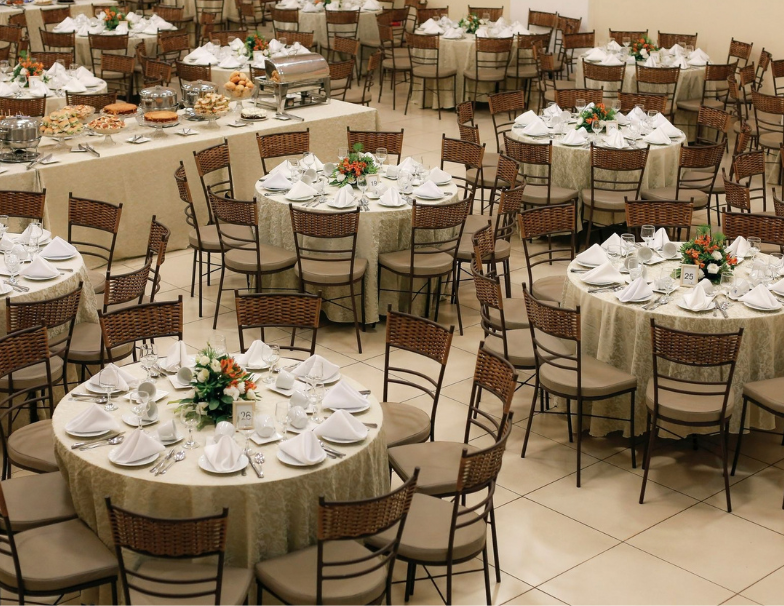
Hotel Inventory and Meeting Space. Successful incentive trips require venues with 10,000+ square feet of flexible meeting space for awards ceremonies and gala dinners. Research the number of 4-5 star properties, buy-out potential, and creative event spaces.
Unique Experiences and Activities. What makes this destination special? Desert safaris in Dubai, tapas tours in Barcelona, cenote swims in Riviera Maya, or private yacht evenings in the Mediterranean. The experience should feel exclusive.
Budget Considerations. Average nightly rates vary dramatically by region. All-inclusive properties in Mexico might run $300-400 per night, while comparable luxury in Europe could exceed $800. Factor in per-person spend ranges of $2,500-$10,000+.
Safety and Security. Political stability, health infrastructure, and local regulations matter. Corporate risk-management teams increasingly scrutinize destination choices.
Weather and Seasonal Timing. Avoid Caribbean and Mexico during June-November hurricane season. European destinations see peak congestion July-August with 30% premium pricing. Shoulder seasons often deliver perfect weather and reasonable rates.
Cultural Appeal and Novelty. Destinations that feel "special" or new to most attendees generate stronger motivation than overplayed options. Balance novelty with comfort.

How to Choose Incentive Travel Destinations for Your Program
Random picking wastes time and budget. Follow this decision process to match incentive travel destinations with program objectives:
Align with Company Culture. A cutting-edge tech firm might gravitate toward Singapore's modern sophistication. Heritage brands might prefer European capitals. Sustainability-driven organizations should consider Costa Rica's eco-lodges.
Consider Audience Demographics. Age mix matters—millennials favor Instagram-worthy spots like Santorini, while seasoned executives might prefer accessible U.S. cities with fine dining. Consider family vs. adults-only and mobility considerations.
Budget Per Person. Break down your budget: flights (20-30%), accommodation ($300-1,500/night), activities, F&B, gifts, and contingencies.
Group Size and Venue Capacity. Small groups (20-50) suit boutique hotels; mid-size (50-150) need full-service resorts; large groups (150-500+) require convention hotels.
Domestic vs. International. Domestic options sidestep passport issues and currency fluctuations. International destinations typically deliver 2x the "wow" factor and can motivate qualifiers to work 30% harder.
Repeat vs. First-Time Qualifiers. Multi-year earners need fresh experiences. Rotate destinations or find new experiences within familiar locations.
Create a "destination scorecard" comparing your top 5-6 options against these criteria. This objective approach helps justify recommendations to leadership.
Top Incentive Travel Destinations by Region
This section highlights specific cities and regions that consistently perform well for incentive programs.
Caribbean Incentive Destinations
The Caribbean remains a classic choice for incentive groups. Quick access from the U.S., high resort density, and strong all-inclusive infrastructure make it an obvious starting point.
Turks and Caicos: Grace Bay Beach consistently ranks among the world's best. Luxury resorts like Wymara offer private island buyouts for groups up to 100 guests at $5,000-7,000 per person with 99% sunshine days.
Aruba: Positioned outside the hurricane belt, Aruba offers reliable year-round 82°F temperatures. All-inclusive resorts average $3,500 per person for 4-night programs with lower crime rates than many U.S. cities.
Jamaica: Half Moon Resort's 400 acres feature equestrian centers and access to Dunn's River Falls. Jamaica hosts 200+ incentive groups annually at approximately $4,000 per person.
Dominican Republic (Punta Cana): With 50+ all-inclusive properties including Hard Rock, Punta Cana excels for larger groups on moderate budgets at $2,800 per person.
Bahamas: Atlantis Paradise Island delivers a 154-acre waterpark ideal for families with qualifiers. Expect $4,500 per person with easy nonstop flights from major U.S. hubs.
Why the Caribbean works: 2-4 hour flights from the U.S. East Coast, value-driven all-inclusive properties, and relaxation that studies show boosts post-trip productivity by 25%.
Mexico Destinations
Mexico combines proximity advantages with exceptional value for North American companies.
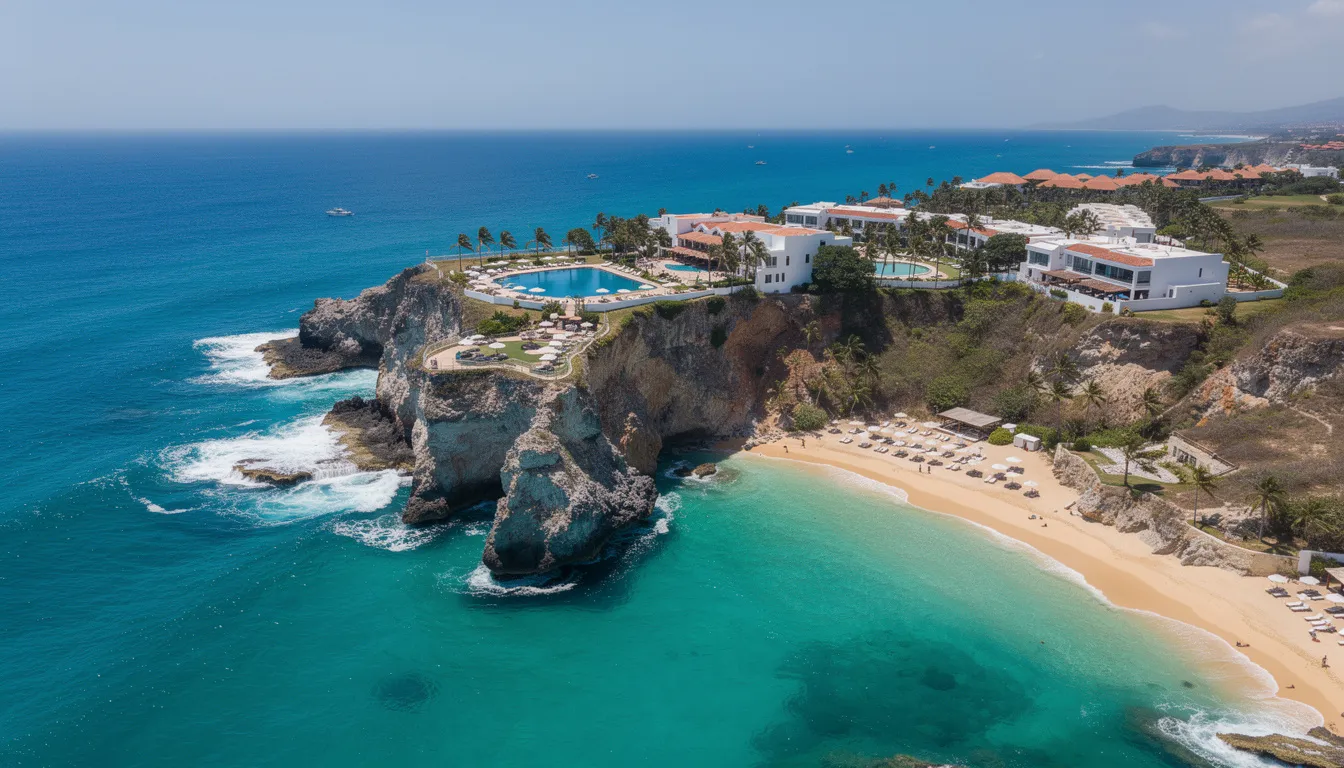
Cabo San Lucas: Desert-meets-sea scenery creates dramatic backdrops. December through April brings whale-watching. Luxury properties like Esperanza offer cliffside infinity pools for groups of 50-150 at $5,000 per person.
Cancún and Riviera Maya: Moon Palace boasts 1.5 million square feet of meeting space accommodating 4,000 guests. Nonstop flights from dozens of U.S. cities and all-inclusive rates around $3,000 per person draw 40% of U.S. incentive trips.
Puerto Vallarta: Charming old town, Malecón boardwalk, and jungle zip lining suit mid-range budgets. Four Seasons provides artisanal tequila tastings at $4,500 per person.
Mexico's proximity slashes U.S. air costs by 40% versus European destinations.
European Incentive Destinations
Europe delivers unmatched cultural richness—history, art, and food. These destinations suit 5-7 night incentives.
Barcelona, Spain: Architecture tours featuring Gaudí, beachfront events, and tapas crawls create unforgettable experiences. W Barcelona provides 30,000 square feet of event space at $6,000 per person.
Lisbon, Portugal: Scenic viewpoints, riverfront venues, and day trips to Sintra offer variety. Favorable pricing at $5,500 per person with incentive bookings rising 15% for 2025.
Rome and Amalfi Coast, Italy: Ancient history meets coastal luxury. Hotel Santa Caterina provides yacht access to Capri at $7,500 per person with private Colosseum tours.
Paris, France: Iconic landmarks and bespoke Eiffel Tower dinners run $8,000 per person.
Prague, Budapest, Dublin: Exceptional value with strong cultural appeal at $4,500-6,000 per person.
United States Incentive Destinations
U.S. destinations reduce travel friction while delivering high perceived value. No passports required and simplified compliance.
Las Vegas: Mega-resorts, 4 million square feet of convention space, world-class shows, and desert excursions serve groups from 50 to 5,000+ at $3,500 per person.
Miami: Fontainebleau offers Art Deco aesthetics, beaches, and multicultural dining at $4,000 per person.
San Diego: Year-round 70°F weather, waterfront venues at Hotel del Coronado, and relaxed coastal atmosphere suit groups up to 200 at $4,500 per person.
Charleston: Historic charm and Lowcountry cuisine create intimate experiences for smaller groups at $3,800 per person.
Austin, New Orleans, Nashville: Culture-driven cities at $3,900-4,200 per person.
Asia-Pacific Incentive Travel Destinations
Asia-Pacific's exotic appeal suits higher-tier qualifiers. These destinations typically require 6-8 night programs.
Bali: Four Seasons private villas and rice terrace hikes deliver wellness-focused experiences at $7,000 per person. Sustainable eco-resorts trending up 25% for 2025.
Phuket and Koh Samui, Thailand: Island hopping, Thai cooking classes, and beach events at Anantara properties run $6,500 per person.
Singapore: Marina Bay Sands infinity pool events and world-class service make Singapore ideal for multi-generational groups at $7,500 per person with 82/100 safety scores.
Tokyo and Kyoto, Japan: Tea ceremonies, sumo demonstrations, and cherry blossoms at Ritz Carlton properties run $8,000 per person.
Dubai, UAE: Burj Al Arab and desert safaris establish the luxury benchmark at $9,000+ per person.
Central and South America
This region blends rainforest adventures, colonial heritage, and vibrant culture.
Costa Rica: Nayara Springs volcano hikes, zip lining, and eco-lodges position Costa Rica for adventure-focused programs at $6,000 per person.
Colombia (Cartagena): Walled Old Town, rooftop venues at Sofitel, and growing luxury inventory at $5,500 per person.
Peru: Lima's culinary capital and Belmond's Sacred Valley properties provide Machu Picchu access at $7,500 per person.
Argentina (Buenos Aires): Tango shows, parrilla dinners, and wine tastings at $5,000 per person.
Best Destinations by Budget
Per-person budget is often the fastest way to narrow options. These ranges assume 4-6 nights including flights.
Budget-Friendly ($2,500-$4,000 per person): All-inclusive Caribbean resorts (Punta Cana, Jamaica), Mexico destinations (Cancún, Riviera Maya, Puerto Vallarta), regional U.S. cities (Nashville, Charleston, Austin). All-inclusive pricing controls F&B costs.
Mid-Tier ($4,000-$6,000 per person): European cities (Lisbon, Barcelona, Dublin, Prague) during shoulder seasons, premium Caribbean properties (Turks and Caicos), Hawaii off-peak, West Coast U.S. destinations (San Diego). Incorporate at least one "wow" group event.
Luxury ($6,000-$10,000+ per person): Exclusive island resorts (Maldives, Bora Bora, Seychelles), private-island Caribbean retreats, bespoke European itineraries (Amalfi Coast yacht charters), private Mediterranean yacht charters. Prioritize personalization and exclusive access.

Seasonal Considerations
Timing affects price, availability, and overall experience.
Caribbean/Mexico: Peak December-April. Avoid June-November hurricane season. Shoulder: May, early December.
Mediterranean: Peak May-June, September. Avoid July-August crowds and heat. Shoulder: April-May, October delivers 20-25% savings.
Southeast Asia: Varies by monsoon. December-February generally best.
U.S. Sunbelt: Peak October-April. Avoid summer heat.
Hurricane season creates 40% risk of disruption. European summers bring 30% premium pricing and significant congestion. Build date windows early and cross-check against local climate patterns and major events.
Trending Destinations for 2026
Attendees increasingly seek fresh, meaningful destinations.
Emerging Destinations: Albania's Riviera (50% cheaper than Croatia), Peloponnese Peninsula Greece, Cartagena Colombia, secondary European cities (Valencia, Porto).
Post-Pandemic Preferences: Outdoor spaces, wellness programming, small-group activities with flexibility.
Sustainable Locations: 30% of programs now prioritize eco-certification. Costa Rica's zero-waste resorts, Finland's Lapland eco-lodges, certified green properties in Mexico and Bali.
Wellness-Focused: Wellness programs increased 35%. Thailand yoga retreats, Budapest thermal spas, integrated wellness centers.
Adventure Destinations: Iceland's dramatic landscapes, New Zealand's outdoor activities, Patagonia's wilderness suit high-energy teams.
Trending Incentive Destinations for 2026
Scottsdale & Sedona, AZ: domestic, no passport needed, groups of 20–400 depending on property, best October–April. Golf resorts (Troon North, We-Ko-Pa), Sedona day-trip add-on.
Banff & the Canadian Rockies: premium small-to-mid groups (20–80), Fairmont properties, no passport for US employees, book 12+ months out.
Copenhagen, Denmark: groups of 30–120, strong ESG/sustainability narrative fit, Tivoli Gardens buyout, simpler logistics than Rome or Paris.
Da Nang & Hoi An, Vietnam: groups of 30–100, luxury-tier experience at mid-tier price point, UNESCO-listed Hoi An old town.
Queensland, Australia (Brisbane + Whitsundays): premium 6–8 night programs, ~15hr flight from US West Coast, Great Barrier Reef access.
The Azores, Portugal: small high-value groups (15–60), strong eco-credentials, book before it hits peak saturation.
Scotland — Edinburgh & Highlands: groups of 20–100, private castle buyouts, strong East Coast flight connections.
Domestic vs. International Destinations
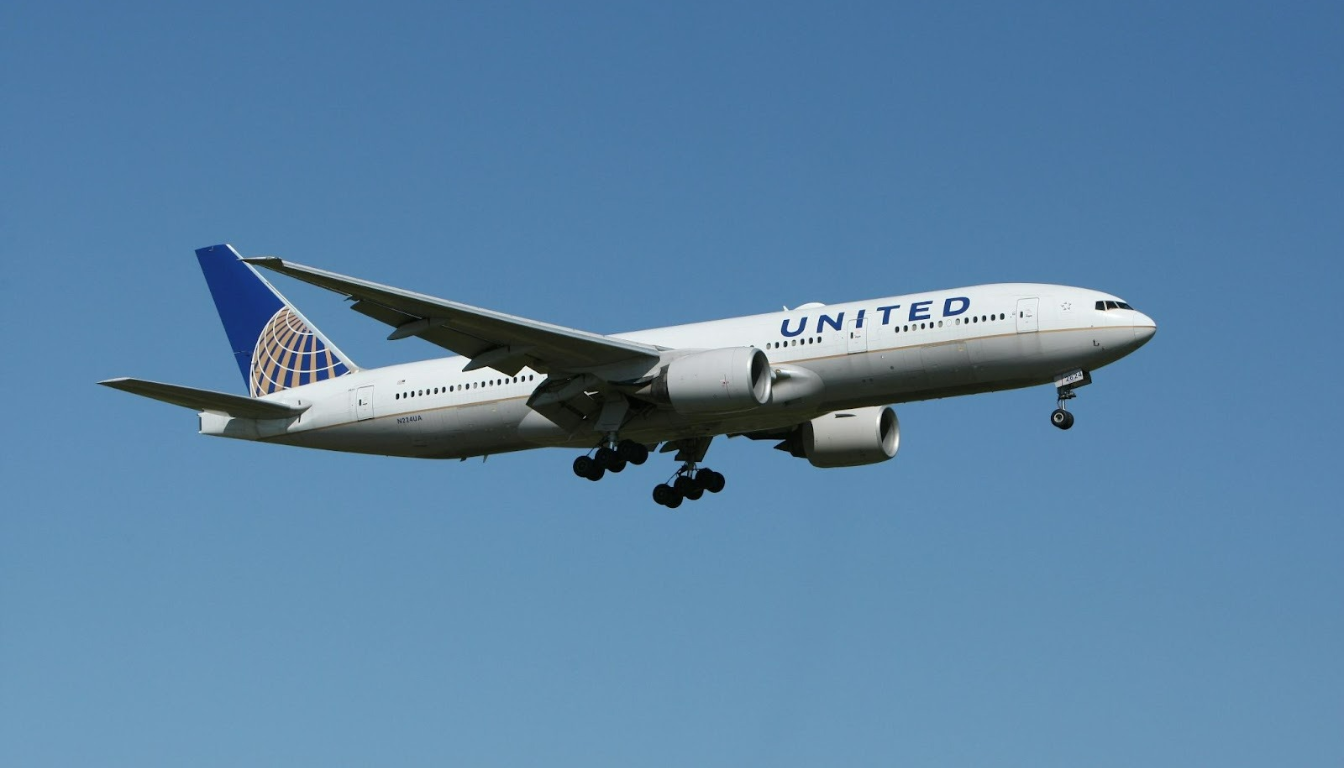
Both options have clear advantages depending on risk tolerance, budget, and program goals.
Advantages of Domestic: No passports required (critical for 20% of U.S. workforce without them), simplified logistics, 25-40% lower costs without long-haul flights, shorter travel times, easier duty-of-care management.
Benefits of International: Approximately 2x the "wow" factor, unique cultural experiences, often better value at luxury level, stronger motivation for qualifiers, once-in-a-lifetime appeal.
Some programs rotate: domestic one year, international the next, balancing cost efficiency with excitement.
Common Mistakes to Avoid
Industry audits suggest 60% of suboptimal programs trace back to these errors:
Personal Preference Over Audience Fit: Don't choose based solely on planner favorites. Survey past qualifiers.
Ignoring Accessibility: Adding 4+ hours of travel through poor connections erodes 20% of satisfaction.
Peak/Hurricane Season: Caribbean hurricane season causes 15% of programs to face major disruption. Book outside June-November or carry comprehensive insurance.
Repeat Destination Fatigue: Same destination three consecutive years drops motivation by 40%.
Inadequate Venue Vetting: Confirm capacity, hold policies, and attrition terms before contracting.
Working with DMCs
Destination Management Companies like Offsite provide critical local expertise, especially in unfamiliar locations. They offer local supplier relationships (15-20% savings), venue recommendations, activity execution, ground transportation, and 24/7 emergency support. Look for SITE membership, 100+ event history in your target destination, and detailed references.
Summary
Selecting the right reward destinations requires balancing multiple factors: accessibility, safety, hotel infrastructure, memorable experiences, budget reality, and alignment with company culture. Top incentive travel destinations aren't determined by popularity rankings alone—they're locations matching your specific audience, timing, and program goals.
Caribbean and Mexico offer proximity and value for North American companies. European cities deliver cultural richness and prestige. Domestic U.S. destinations simplify logistics while creating meaningful rewards. Emerging trends point toward sustainable, wellness-focused, and culturally immersive experiences.
Start building your destination shortlist by scoring options against the criteria outlined here. Engage experienced DMC partners early—12-24 months out—to secure best availability and negotiate optimal rates.
FAQs
- What are the most popular incentive travel destinations right now?

Perennial favorites include Caribbean destinations (Turks and Caicos, Aruba, Jamaica, Punta Cana), Mexico (Cancún, Los Cabos, Puerto Vallarta), Hawaii, major European capitals (Barcelona, Lisbon, Paris, Rome), Las Vegas, and Dubai. These destinations remain in high demand due to strong air access, proven incentive infrastructure, diverse activity options, and track records of exceptional experiences. Caribbean and Mexico combined represent approximately 60% of North American incentive travel programs.
- How do I choose the best incentive travel destination for my program?
Start with a destination scorecard evaluating accessibility (flight times, connections), hotel infrastructure (meeting space, capacity), unique experiences, budget per person, safety ratings, seasonal weather, and cultural appeal. Align choices with your company culture, audience demographics, and group size. Survey past qualifiers for preferences. Compare 5-6 shortlisted options objectively against these criteria before making recommendations to leadership. Work with experienced DMCs who know your target destinations well.
- What's the best time of year for incentive travel?
Avoid Caribbean and Mexico June-November hurricane season. European destinations are best May-June or September-October to avoid July-August crowds and 30% premium pricing. Southeast Asia timing varies by monsoon patterns, with December-February generally optimal. U.S. sunbelt destinations work well October-April. Shoulder seasons typically deliver 20-25% savings with pleasant weather. Always cross-check local climate patterns, major events, and school calendars when finalizing dates.
- Are international or domestic incentive destinations better?
Both have clear advantages. Domestic destinations eliminate passport requirements, simplify compliance, cost 25-40% less without international flights, and reduce travel time. International destinations deliver approximately 2x the "wow" factor, provide unique cultural experiences, often offer better value at luxury levels, and create stronger motivation through once-in-a-lifetime appeal. Many organizations rotate between domestic and international programs to balance cost efficiency with excitement. The right choice depends on your budget, audience, and program objectives.
You may also like


Stay Updated with Our Insights
Get exclusive content and valuable updates directly to you.