
International Corporate Event Planning: The Complete Guide


Planning events across international borders has become an essential skill in our increasingly connected global marketplace. Whether you're organizing a multinational conference, cross-border product launch, or global team-building retreat, success requires meticulous attention to detail, cultural sensitivity, and strategic coordination across multiple time zones and jurisdictions. This comprehensive guide will walk you through the entire process of planning world-class international events that deliver exceptional experiences for attendees from diverse backgrounds.
The complexity of coordinating events across international borders presents unique challenges that don't exist in domestic events. From navigating visa requirements and currency fluctuations to managing language barriers and cultural expectations, international event planners must develop specialized expertise. With the global events industry projected to reach new heights in 2026, understanding the fundamental principles of international event management has never been more critical for event professionals.
If you're planning to run the process yourselfrather than hiring an agency, see our complete guide to international corporateevent planning for the full step-by-step framework.
Understanding the Scope of International Event Management
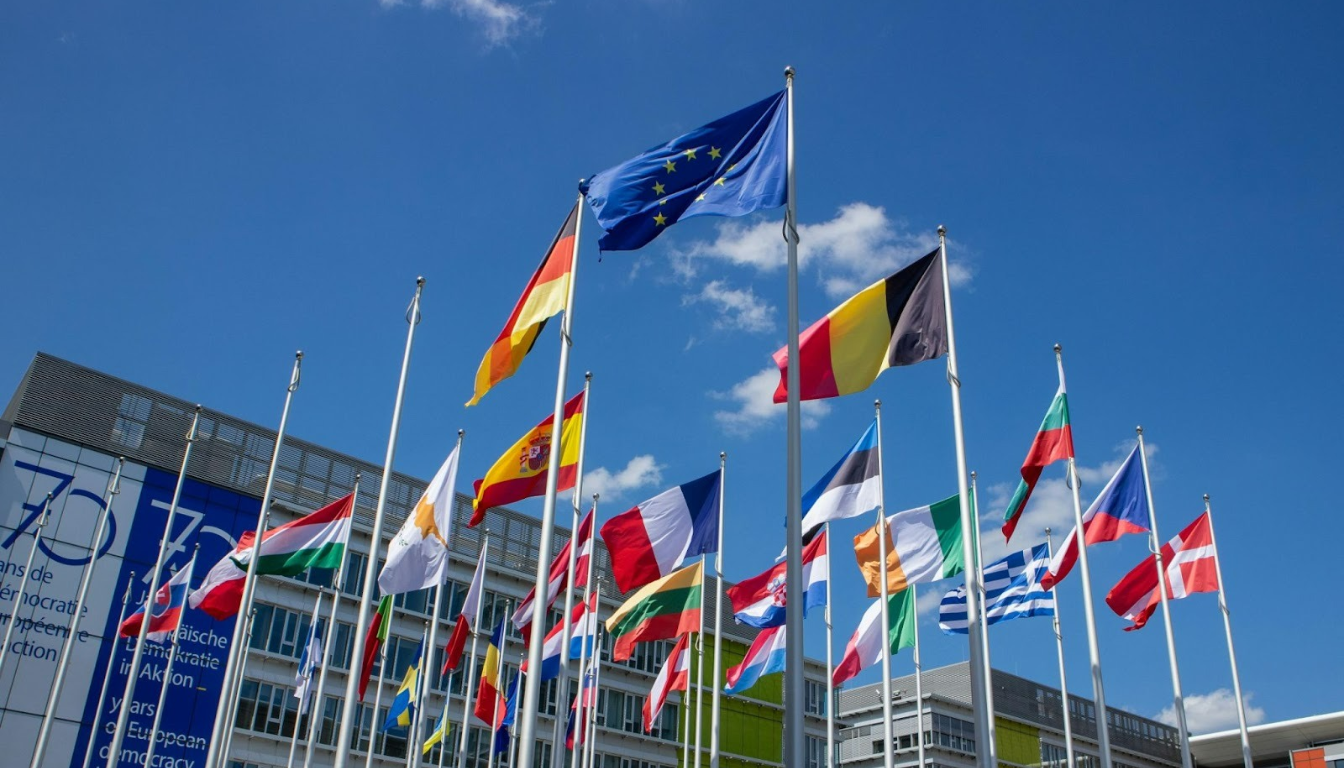
Before diving into logistics, it's crucial to understand what sets international events apart from domestic gatherings. This specialized field encompasses coordinating participants, vendors, and resources across multiple countries, each with distinct regulatory environments, cultural norms, and operational considerations. The scope extends beyond simple geography to include managing diverse stakeholder expectations, coordinating across time zones, and ensuring seamless communication despite potential language barriers.
Successful planners recognize that international events demand enhanced risk management protocols. Political instability, natural disasters, health emergencies, and economic fluctuations in host countries can significantly impact event execution. Building contingency plans that account for these international variables is not optional—it's fundamental to protecting your investment and ensuring attendee safety.
The International Event Production Process: A Step-by-Step Framework
Phase 1: Strategic Planning and Destination Selection
The foundation begins with strategic destination selection. Consider factors including accessibility for your target attendees, availability of suitable venues, local infrastructure quality, political stability, and cost-effectiveness. Research visa requirements for your anticipated attendee countries—some destinations offer visa-free entry for many nationalities, while others impose restrictive requirements that could limit participation.
Conduct thorough research on local holidays, cultural events, and peak tourism seasons that might affect availability or pricing. Major religious observances, national celebrations, or industry-specific events can dramatically impact venue availability and accommodation costs. Engage local destination management companies (DMCs) early in the planning process—their expertise proves invaluable for navigating local regulations and securing optimal resources.
Phase 2: Budget Development and Financial Management
International event budgets must account for currency exchange rate fluctuations, international payment processing fees, and cross-border tax implications. Build in a minimum 15-20% contingency fund specifically for international variables—significantly higher than the typical domestic event buffer. Consider whether to bill attendees in local currency or your home currency, as this decision impacts both attendee registration rates and your financial risk exposure.
Work with financial advisors familiar with international transactions to structure contracts that protect against adverse currency movements. Many experienced professionals use forward contracts or currency options to lock in favorable exchange rates months in advance. Document all international vendor agreements clearly, specifying which currency applies for payment and who bears exchange rate risk.
Phase 3: Legal Compliance and Documentation
Navigating international legal requirements represents one of the most complex aspects of global event planning. Each country maintains unique regulations governing events, from permits and licenses to tax obligations and liability insurance requirements. Engage local legal counsel to review all contracts, understand local labor laws if hiring local staff, and ensure full compliance with data protection regulations like GDPR in Europe or similar frameworks in other regions.
Intellectual property considerations become particularly important when broadcasting or recording international events. Verify that you have appropriate rights to use all content, including music, videos, and speaker presentations, in the host country. Some jurisdictions impose strict controls on recording or broadcasting certain types of content, potentially requiring special licenses or permissions.
Phase 4: Vendor Selection and Contract Negotiation
Selecting reliable international vendors requires extensive due diligence beyond what you'd conduct domestically. Request and verify references from previous international clients. Understand that service standards, communication norms, and business practices vary significantly across cultures. What constitutes 'standard' service in one country may differ dramatically from expectations in another.
Build comprehensive contracts that clearly specify deliverables, timelines, payment terms, and cancellation policies. Address force majeure clauses explicitly, defining what circumstances allow either party to exit the agreement without penalty. Consider requiring vendors to maintain specific insurance coverage and provide proof of such coverage before the event. For critical vendors, consider contracting backup options to ensure continuity if primary vendors fail to deliver.
Cultural Sensitivity and Attendee Experience

Cultural competence separates exceptional international events from mediocre ones. Research cultural norms regarding business etiquette, dietary restrictions, dress codes, and social interactions in your host country. What's considered polite or professional in one culture may be offensive in another. Provide cultural briefings to your team and key stakeholders to prevent unintentional breaches of local customs.
Menu planning demands particular attention to religious and cultural dietary requirements. Ensure your catering provides appropriate vegetarian, vegan, halal, and kosher options clearly labeled. Consider that alcohol service, while standard in some cultures, may be inappropriate or illegal in others. The timing of meals and breaks should respect local customs—lunch timing, for instance, varies significantly across cultures.
Language accessibility extends beyond simple translation. Professional interpretation services—whether simultaneous or consecutive—are essential for events with multilingual attendees. Provide translated signage, materials, and digital content in the languages most relevant to your audience. Even if English is widely spoken, demonstrating respect through multilingual communications significantly enhances attendee experience and engagement.
How Does Technology Support International Event Planning?
Modern event technology has revolutionized global coordination, enabling seamless collaboration across continents. Cloud-based project management platforms allow real-time collaboration between planners, vendors, and stakeholders regardless of location. Virtual site inspections using video conferencing reduce the need for expensive preliminary travel while still allowing detailed venue assessment.
Event mobile apps enhance the attendee experience by providing real-time updates, personalized schedules, and networking opportunities. These platforms can support multiple languages, accommodate various time zones, and facilitate communication between international participants. Digital payment systems simplify registration and on-site transactions by supporting multiple currencies and payment methods preferred in different regions.
Risk Management and Contingency Planning for International Events

Comprehensive risk assessment must address scenarios unique to international events. Political unrest, natural disasters, health emergencies, and terrorism represent elevated concerns when operating abroad. Develop detailed crisis communication plans that outline protocols for various emergency scenarios, including procedures for evacuating attendees, communicating with local authorities, and managing media relations.
Event cancellation insurance becomes particularly important for international events given the higher financial stakes and increased potential for disruption. Policies should cover not just the event itself but also attendee travel costs, venue deposits, and vendor contracts. Review policy exclusions carefully, as some events or destinations may not be covered or may require additional premiums.
Establish relationships with local emergency services, hospitals, and consular offices before the event. Provide attendees with emergency contact information for local authorities and their country's embassy or consulate. Consider hiring local security personnel familiar with regional threats and protocols, especially for high-profile events or those in unfamiliar regions.
Post-Event Analysis and Continuous Improvement
International event success extends beyond the event itself to thorough post-event evaluation. Gather feedback from attendees across all participating countries to understand how different cultural groups experienced the event. What resonated with attendees from one region may have fallen flat with those from another, providing valuable insights for future initiatives.
Analyze financial performance carefully, comparing projected versus actual costs across all currency transactions. Document lessons learned regarding vendor performance, cultural considerations, and logistical challenges. This institutional knowledge becomes invaluable when planning subsequent international events, allowing you to refine processes and avoid repeating mistakes.
Summary: Mastering International Event Management
This specialization represents one of the most challenging yet rewarding in the events industry. Success requires mastering a complex interplay of logistics, cultural sensitivity, legal compliance, and strategic thinking. The process involves careful destination selection, meticulous budget planning with currency considerations, comprehensive legal due diligence, and strategic vendor management across borders.
Cultural competence and language accessibility form the foundation of exceptional attendee experiences. Technology platforms enable efficient coordination and enhanced engagement across time zones and continents. Robust risk management protocols protect against the unique challenges inherent in international events, from political instability to health emergencies.
As the global economy becomes increasingly interconnected, demand for skilled international event planners continues to grow. Those who invest in developing specialized expertise, building international networks, and maintaining cultural awareness position themselves for success in this dynamic field. Remember that each international event provides learning opportunities that enhance your capabilities and expand your global perspective.
FAQs
- What is the typical timeline for international event planning?

International events typically require 12-18 months of lead time for adequate planning, significantly longer than domestic events. Complex international conferences may need 18-24 months, while smaller gatherings might be feasible in 9-12 months. The extended timeline accounts for international vendor negotiations, visa processing for attendees, and coordination across multiple time zones. Start destination research and venue selection at least one year before your target event date.
- How much does international event production cost compared to domestic events?
International events typically cost 25-40% more than comparable domestic events due to additional factors including international travel for planning visits, currency exchange fees, higher insurance premiums, translation and interpretation services, and increased legal and compliance costs. Destination choice significantly impacts costs—events in major European cities often cost more than comparable events in Southeast Asian destinations. Always build substantial contingency budgets to account for currency fluctuations and unexpected international expenses.
- What are the most important cultural considerations for international event management?
Critical cultural considerations include understanding local business etiquette and communication styles, respecting religious observances and dietary restrictions, accommodating different time zone preferences for scheduling, and recognizing varying expectations around formality and dress codes. Research gift-giving customs, appropriate physical greetings, and social hierarchy norms in your host country. What's considered punctual varies—some cultures expect precise timeliness while others maintain more flexible time orientations. Partner with local cultural consultants to avoid unintentional offenses that could damage relationships or event reputation.
- Do I need special insurance for international events?
Yes, international events require specialized insurance coverage beyond standard event insurance. Essential policies include international event cancellation insurance covering political unrest, natural disasters, and health emergencies; international general liability insurance valid in your host country; medical evacuation insurance for attendees and staff; and potentially political risk insurance for events in unstable regions. Standard domestic policies often exclude international coverage or impose significant limitations. Consult insurance brokers specializing in international events to ensure comprehensive protection.
You may also like



Stay Updated with Our Insights
Get exclusive content and valuable updates directly to you.