
Nature Retreats: Why Taking Your Team Off the Grid Can Be Your Most Productive Quarter Ever

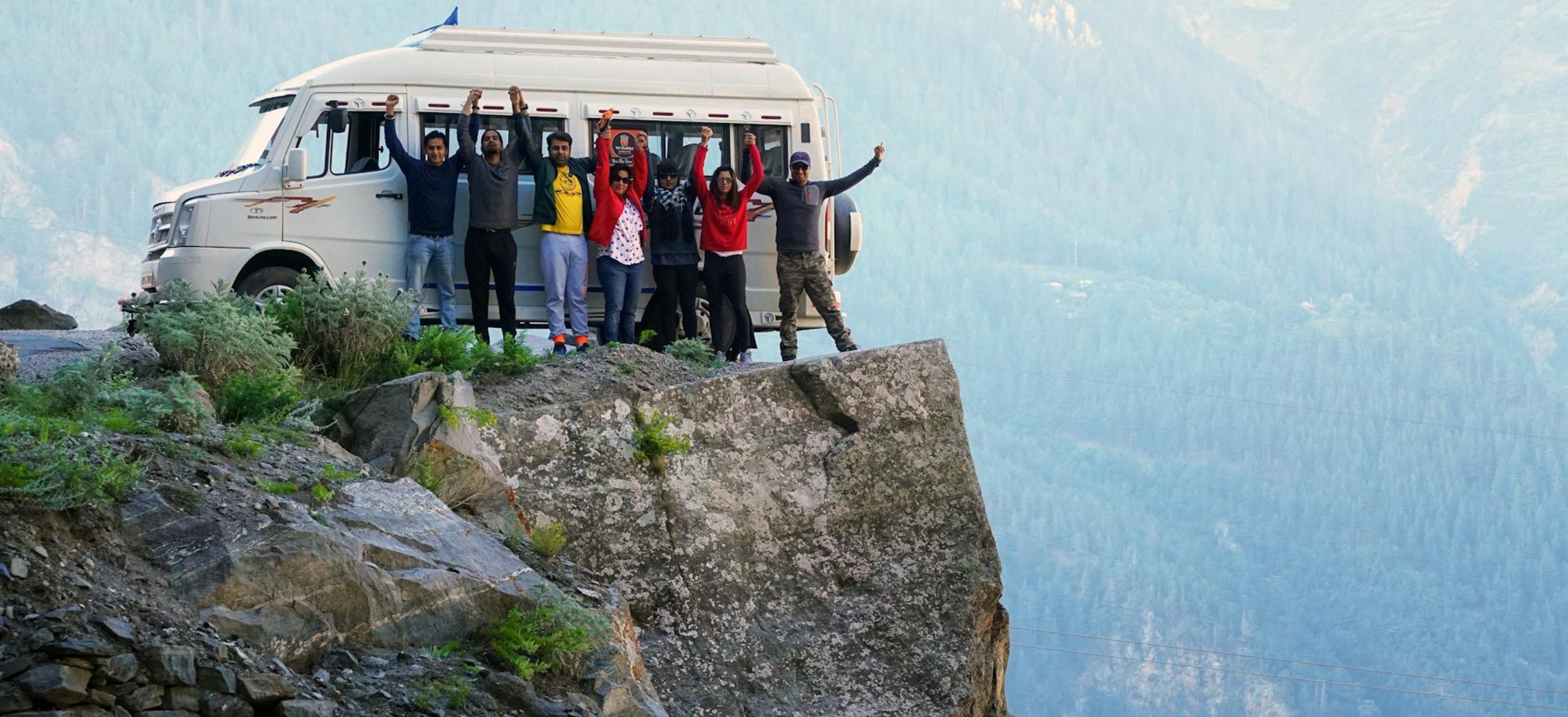
There's a quiet paradox at the heart of modern work: the harder your team stares at screens, the less clearly they see. Deadlines blur, collaboration stalls, and the strategic thinking that actually moves the needle gets crowded out by noise. That's where nature retreats come in — and not as a perk, but as a performance strategy. An intentional corporate nature retreat strips away the friction of the day-to-day and gives your team something the office genuinely cannot: space to think, connect, and lead. If you're responsible for planning company offsites or shaping how your organization invests in its people, the case for going off the grid has never been stronger.
Key Takeaways
- Nature retreats aren't just a wellness trend — they're a measurable driver of team performance and strategic alignment.
- Spending time outdoors reduces stress hormones, improves focus, and unlocks the creative thinking that boardrooms often suppress.
- A well-designed outdoor team retreat builds trust faster than months of back-to-back meetings.
- The best corporate nature retreats to balance structured strategy sessions with unstructured time in the environment.
- Choosing the right venue is everything — location, amenities, and facilitation support all determine ROI.
What the Science Says About Nature and High Performance

The business case for nature retreats isn't built on vibes; it's built on neuroscience. A landmark Stanford study showed that a 90-minute walk in nature significantly reduced activity in the part of the brain associated with rumination — the mental loop that keeps stressed employees stuck rather than moving forward.
For HR leaders and planners, this translates directly: your team doesn't just feel better after time in nature — they actually think better. The cortisol levels that spike during high-pressure quarters drop when people step away from artificial environments. Creativity, problem-solving, and empathy — the soft skills that produce hard results — all improve with exposure to natural settings.
This is the foundation of why nature retreats, done well, can catalyze your team's best quarter. You're not just rewarding good work. You're creating the neurological conditions for better work.
How Outdoor Team Retreats Accelerate Trust and Collaboration
Trust is the silent multiplier of every team metric — productivity, retention, innovation, and conflict resolution all run on it. And trust is notoriously slow to build in traditional office environments, where hierarchy is visible, stakes are high, and authenticity gets filtered through professionalism.
An outdoor team retreat changes that equation. Shared physical challenge — whether it's a guided hike, a ropes course, or simply navigating an unfamiliar place together — creates what psychologists call "shared adversity bonding." When people problem-solve outside of their defined roles, they reveal competencies and character that would never surface in a conference room. The VP who turns out to be calm in a thunderstorm. The junior analyst who instinctively takes charge on the trail. These moments reshape how teams see each other, and that new perspective follows them back to work.
For executive assistants and offsite planners, this is the argument that lands with leadership: a well-run corporate nature retreat can compress months of relationship-building into a few days. The ROI isn't abstract. It shows up in how quickly decisions get made, how honestly feedback gets given, and how resilient the team is when the next challenge hits.
Why Nature Retreats Drive Productivity — Not Just Rest

There's a common misconception that offsites are about stepping away from work. The best nature retreats are actually about stepping toward it — with fresh energy and clearer eyes. The key is intentional design.
A high-impact outdoor team retreat typically balances:
• Structured strategy sessions that leverage the cognitive benefits of the environment — morning workshops when focus peaks, evening reflections when creative thinking flows.
• Facilitated team-building activities tied to real business challenges, not generic icebreakers.
• Unstructured time that lets relationships develop organically and allows the brain to process and synthesize at its own pace.
• Physical activity woven naturally into the schedule — not as a mandatory event, but as an accessible invitation.
When these elements come together, something measurable happens. Teams leave with decisions made, roadblocks cleared, and a sense of collective momentum that sustains well past the return flight home. That's not a soft outcome — that's the most productive quarter your team has ever had, with the launch ramp built in a forest or on a mountain trail.
What Makes a Great Corporate Nature Retreat Venue?
Not all "nature" venues are created equal. A lodge with a mountain view and a conference room isn't automatically a nature retreat — and a remote wilderness camp without reliable infrastructure can quickly become a logistical headache. Here's what to look for when evaluating venues for your corporate team.
Genuine Natural Setting
The environment itself should be a participant, not a backdrop. Look for venues with meaningful outdoor access — trails, water, open land — that your team will actually use during the retreat. Proximity to nature isn't enough; integration with it is what drives the outcomes.
Corporate-Grade Facilities
Comfortable accommodations, reliable Wi-Fi for hybrid sessions, AV-equipped meeting rooms, and catering that fuels rather than distracts. The nature retreat experience works best when the practical logistics are invisible — your team shouldn't be thinking about where to charge their laptop or whether the hot water will hold.
Facilitation Support and Activity Options
The best venues come with programming options or partnerships: guided hikes, leadership workshops, team challenge courses, or wellness experiences like forest bathing. Whether you bring your own facilitator or work with the venue's team, having structured activity options means your offsite stays purposeful throughout.
Accessible Location
"Off the grid" is a mindset, not necessarily a 6-hour drive from the nearest airport. Many exceptional corporate nature retreats are within 2–3 hours of major metros — close enough to minimize travel fatigue, far enough to genuinely disconnect. The right location depends on your team's size, geography, and how much buffer time you want before the real work begins.
How to Pitch a Nature Retreat to Your Leadership Team
If you're an HR executive or executive assistant making the case for a nature retreat, the conversation goes better with numbers than with inspiration. Here's a framework that works:
1. Anchor to a business goal. Don't sell a retreat — sell a quarterly planning session, a team alignment initiative, or a leadership development program that happens to take place in nature. Tie the format to an outcome leadership already cares about.
2. Quantify the cost of not doing it. Disengaged employees cost organizations roughly $3,400 per $10,000 of salary annually (Gallup). A two-day nature retreat that meaningfully improves engagement for even a portion of your team delivers measurable ROI.
3. Show comparable case studies. Many companies across tech, finance, and healthcare have documented the performance lift from strategic offsites. Come with examples from your industry.
4. Make the logistics easy. The biggest objection is usually coordination, not cost. Use a professional venue platform to quickly identify vetted nature retreat venues with transparent pricing, capacity details, and amenity information — so leadership can say yes without getting into the weeds
Planning Your Corporate Nature Retreat: A Quick Checklist

Before you book, run through these essentials:
- Define your primary objective (team alignment, leadership development, creative sprint, morale reset).
- Set your group size, budget range, and preferred travel radius.
- Identify must-have amenities: accommodation type, meeting space, activity access, dietary needs.
- Decide on your facilitation approach: internal facilitator, external vendor, or venue-led programming.
- Build your agenda framework before the venue search — the right venue should support the agenda, not the other way around.
- Confirm logistics: ground transportation, arrival/departure windows, tech setup for any remote or hybrid participants.
- Plan for debrief and follow-through — what happens the week after the retreat is as important as the retreat itself.
Summary
Nature retreats represent one of the highest-leverage investments available to HR leaders and offsite planners — not because they're a pleasant break from the grind, but because they systematically remove the conditions that hold teams back and replace them with the conditions that help teams excel. The science is clear, the business case is quantifiable, and the teams that do this well come back with something that can't be replicated in any conference room: renewed trust, sharper thinking, and the kind of alignment that actually sticks. A corporate nature retreat isn't a luxury. It's a strategic tool — and in the right hands, it can set the tone for your team's best quarter yet.
FAQs
- What is a corporate nature retreat?

A corporate nature retreat is a structured offsite experience held in a natural setting — forests, mountains, lakesides, or open countryside — designed to help teams align, recharge, and perform at a higher level. Unlike traditional conference room offsites, nature retreats leverage the restorative and cognitive benefits of the outdoors as an active part of the program.
- How long should a corporate nature retreat be?
Most corporate nature retreats run two to three full days, which provides enough time for teams to decompress, engage deeply with content, and build genuine connection. Shorter one-day formats can work for smaller groups or teams with tight travel constraints, though the psychological benefits of nature exposure compound with time.
- How much does a corporate nature retreat cost?
Costs vary widely based on group size, location, and venue type — from roughly $150–$250 per person per night at mid-range lodge settings, up to $500+ per person at premium destination retreats. When evaluating cost, factor in the business value of outcomes: alignment sessions, decisions made, and team cohesion gains that would otherwise require months of slower relationship-building.
- What activities work best at a nature retreat for teams?
The most effective activities blend light physical challenge with collaborative problem-solving: guided hikes with facilitated reflection, ropes or challenge courses, group cooking experiences in an outdoor setting, early morning forest walks, or campfire-based strategy sessions. The goal is to place people in contexts where they engage as humans first and colleagues second.
You may also like

Stay Updated with Our Insights
Get exclusive content and valuable updates directly to you.