
Company Retreat Locations: Smart Venue Selection Guide


Choosing the right company retreat locations is one of the most consequential decisions in corporate retreat planning — get it right and the setting amplifies every workshop, conversation, and team-building moment; get it wrong and even the strongest agenda can fall flat.
Most planning teams make the mistake of leading with availability — browsing venue listings before they've defined what they actually need — and end up choosing a location that looks impressive on paper but fails in execution. The criteria-first framework flips that approach: you define your non-negotiables, build a weighted scorecard, and then evaluate venues against it rather than falling in love with a property before asking the hard questions.
This guide walks you through that framework step by step, from setting your retreat objectives to shortlisting the right venue category, so that your final selection is a strategic decision — not a gut feeling or a last-minute compromise.
Key Takeaways
- Define your retreat objectives before you start browsing venues — criteria should drive the search, not the other way around.
- Travel accessibility is consistently the most underestimated factor; always calculate total travel time, not just flight duration.
- Match venue type to retreat purpose: a strategy summit needs different infrastructure than a wellness or team-building retreat.
- Build a weighted scorecard to compare venues objectively and get stakeholder buy-in faster.
- Always visit shortlisted venues in person or via a detailed virtual site inspection before signing a contract.
- Budget for hidden costs — AV fees, F&B minimums, parking, and resort fees are common sources of overspend.
Why Most Teams Choose the Wrong Company Retreat Locations

The most common venue selection error isn't choosing a bad location — it's choosing a location optimized for the wrong things. A beachside resort with stunning views may be the worst possible environment for a focused strategy session if it lacks reliable Wi-Fi, breakout rooms, and AV infrastructure. Conversely, a sleek urban conference center might be technically perfect but fail to generate the psychological distance from daily work that retreat environments are specifically designed to create.
Great company retreat locations serve the retreat's purpose first and the attendee wishlist second. This requires a planning team that is willing to prioritize function over aesthetics, and that has clearly defined what success looks like before a single venue inquiry is made.
Step 1 — Define Your Retreat Objectives Before Searching Venues
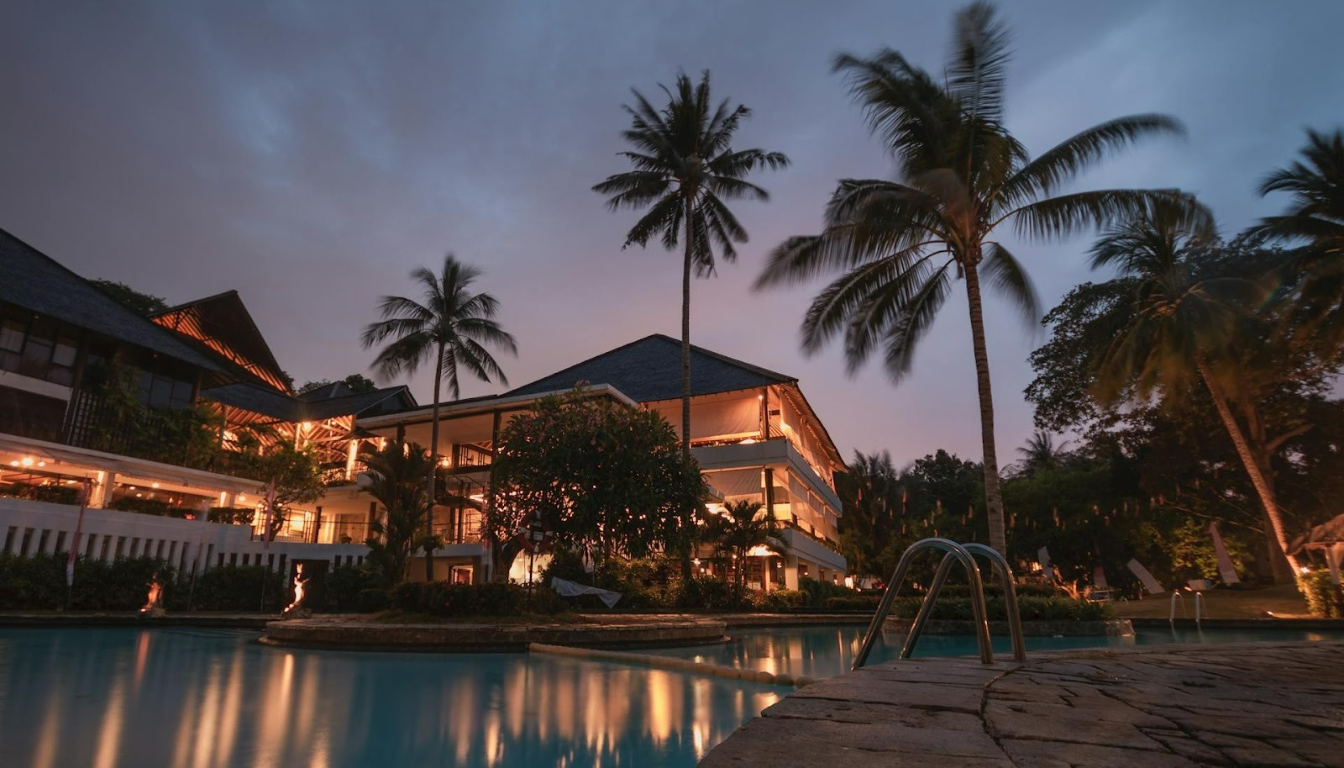
Before you open a single venue website, answer these three questions as a planning team:
- What is the primary purpose of this retreat? (Strategy, culture, learning, recovery, recognition, or a combination?)
- Who is attending, and what do they need from the environment? (Leadership team, mixed departments, remote employees reuniting in person?)
- What does a successful retreat look like 30 days after it ends?
Your answers directly determine which venue category is the right fit. A leadership strategy summit needs a property with strong meeting infrastructure, proximity to a major airport for executives flying in from multiple cities, and quiet spaces for focused work. A culture-building retreat for a remote team needs on-site lodging, shared dining experiences, and activities that promote informal bonding. A wellness retreat needs access to nature, low-stimulation environments, and flexible scheduling — none of which require a downtown convention hotel.
Step 2 — Build Your Criteria Scorecard
Once your objectives are clear, translate them into a weighted scorecard. Every major criterion should be scored and weighted according to your retreat's specific priorities. Use the framework below as your starting template:
Weight each criterion from 1 (low priority) to 5 (non-negotiable) based on your retreat's objectives. A company retreat focused on innovation and deep work would weight AV infrastructure and quiet breakout space highest. A retreat celebrating a milestone year might weight activities, surroundings, and on-site dining above all else. There is no universal correct weighting — the power of the scorecard is that it makes your priorities explicit and prevents emotional decision-making later in the process.
Step 3 — Match Venue Type to Retreat Purpose
Not all corporate retreat venues are built the same. Understanding the strengths and limitations of each venue category will save you significant time during the shortlisting phase.
Conference Resorts and Hotel Meeting Centers
Best suited for large groups (50+ attendees), multi-day formats, and retreats that require significant AV and catering infrastructure. These properties are professionally managed for corporate events and typically offer room blocks, dedicated event coordinators, and on-site catering. The trade-off is that they can feel generic and may not generate the sense of novelty or escape that inspires creative thinking.
Private Estates and Exclusive-Use Properties
Ideal for senior leadership offsites, board retreats, or high-stakes strategy sessions where privacy and intimacy are priorities. Exclusive-use venues eliminate the distraction of other guests and create a contained environment that fosters trust and candor. These properties range widely in capacity — typically 10 to 40 guests — and often require custom catering arrangements.
Outdoor and Nature-Based Retreat Centers
One of the fastest-growing venue categories, outdoor and nature-based retreats are particularly effective for wellness retreats, creative offsites, and team-building events. Research consistently links nature exposure to improved cognitive performance, reduced stress, and a greater sense of openness — conditions that tend to support more collaborative and creative thinking. The key limitation is weather dependency and varying levels of meeting infrastructure.
Urban Boutique Hotels and Event Spaces
A strong choice when most attendees are flying in from a single hub city, or when the retreat is shorter (one to two days) and doesn't require on-site lodging. Urban venues offer easy access to restaurants, entertainment, and transportation, which simplifies logistics for hybrid agendas that blend structured sessions with informal social programming.
Step 4 — Evaluate Accessibility and Travel Logistics

Travel accessibility is the single most underestimated criterion when selecting corporate retreat locations. A stunning mountain lodge loses much of its appeal if your attendees face five-hour travel days getting there and back — leaving them drained before the retreat even begins and depleted when they return to work.
When evaluating accessibility, look beyond the nearest airport. Calculate realistic door-to-door travel time for the majority of your attendees, factoring in ground transportation, parking, and check-in. For distributed teams, identify the geographic midpoint of your attendee base and prioritize destinations within two to three hours of travel from that midpoint. Always confirm whether a direct flight or a major driving corridor serves the venue, particularly for off-peak travel dates.
For multi-day retreats, consider whether on-site lodging is available or whether the group will be splitting across nearby hotels. Fragmented lodging arrangements introduce logistical complexity — shuttle schedules, varying wake times, and reduced spontaneous connection — that can undermine the cohesion the retreat is designed to build.
Step 5 — Conduct a Rigorous Site Inspection
No scorecard replaces a site visit. Once you've shortlisted two or three venues, conduct a thorough site inspection — in person when possible, or via a detailed virtual tour with a dedicated venue coordinator when geography or timeline doesn't allow for travel.
During your site inspection, test the Wi-Fi in the rooms you'll actually be using, not just in the lobby. Walk the transition paths between your main session room and breakout spaces. Ask to see the backup generator or power continuity plan. Eat a meal from the catering team. Speak directly with the assigned event coordinator and assess their responsiveness and familiarity with corporate retreat formats.
Pay particular attention to noise factors — adjacent banquet events, highway proximity, or thin walls between breakout rooms can be significant disruptions during focused working sessions. These are rarely visible in venue photography and are consistently flagged in post-retreat reviews as unexpected frustrations.
Summary
Finding the best company retreat locations is a strategic exercise, not a browsing exercise — and the teams that plan the most effective corporate retreats are the ones that define their criteria before they start evaluating venues. By anchoring your search in retreat objectives, building a weighted scorecard, matching venue type to purpose, and stress-testing every shortlisted property against accessibility and infrastructure realities, you replace subjective enthusiasm with a decision-making process your leadership team can stand behind.
The criteria-first framework outlined in this guide is designed to be reusable: refine your scorecard weights with each retreat cycle, incorporate post-event feedback, and track which venue types consistently deliver against your team's specific needs. Over time, this approach doesn't just help you find great locations — it builds institutional knowledge that makes every future retreat easier and more effective to plan.
Whether you're organizing a leadership summit, a culture-building offsite, or a high-stakes planning retreat, the right location is out there. The difference between finding it and settling for something that almost works comes down to how clearly you define what you're looking for before the search begins. Use the scorecard, conduct the site visit, and give your team the environment they deserve.
FAQs
- What makes a great company retreat location?

The best company retreat locations combine strong meeting infrastructure — adequate space, reliable AV, and flexible catering — with an environment that creates psychological distance from the daily office routine. Accessibility for your attendee base, on-site or nearby lodging, and a venue team experienced with corporate formats are consistently the most important factors, regardless of retreat type or size.
- How far in advance should we book corporate retreat venues?
For a group of 20 or more attendees, aim to book your venue at least four to six months in advance — and up to 12 months out for peak seasons, holiday periods, or exclusive-use properties with limited availability. Popular company retreat locations book quickly, particularly in spring and fall, when corporate retreat demand is highest.
- What is a typical per-person budget for a corporate retreat?
Per-person costs vary significantly by venue type, location, and retreat length. Even a one-day corporate offsite typically runs $2,000 or more per person once venue, meals, and AV are accounted for. Multi-day retreats with on-site lodging and travel generally range from $2,000 to $4,000+ per person depending on the property tier and program complexity. Always request an itemized proposal and budget for AV surcharges, F&B minimums, and resort fees separately.
- Should we choose a company retreat location near our headquarters?
Proximity to headquarters is convenient but not always ideal. Locations that are too close — particularly within the same city — make it easier for attendees to mentally stay in "work mode" or leave early. A distance of one to three hours by car or a short direct flight is often the sweet spot: far enough to feel like a genuine departure from routine, close enough to keep travel stress minimal.
You may also like



Stay Updated with Our Insights
Get exclusive content and valuable updates directly to you.