
Staff Retreat Activities for Multigenerational Teams

Planning staff retreat activities is hard enough. Planning them for a team that spans four decades of lived experience — where one colleague barely remembers a world without smartphones and another managed teams before email existed — is a different challenge entirely. And yet, that’s the reality for most HR leaders today.
Today’s workforce commonly includes Baby Boomers, Gen X, Millennials, and Gen Z working side by side. Each cohort brings different communication styles, motivators, and comfort zones — and if your corporate retreat activities are designed with only one generation in mind, you risk leaving a significant portion of your team feeling unseen, bored, or left behind. The good news: with intentional planning, it’s entirely possible to design staff retreat activities that every generation genuinely enjoys. This guide breaks down how.
Key Takeaways
- Multigenerational teams require staff retreat activities that balance structured programming with flexibility and choice.
- Collaborative, outcome-focused activities tend to bridge generational divides better than purely social or competitive formats.
- Activities that mix skill-sharing across generations — rather than segmenting by age or experience — build stronger cross-team relationships.
- The best corporate retreat ideas give participants agency: optional tracks, varied formats, and room to engage on their own terms.
- Gen Z and Millennials gravitate toward purpose-driven and experiential activities; Gen X and Boomers often value structured problem-solving and meaningful conversation.
Why Multigenerational Retreat Planning Deserves More Attention Than It Gets
Most retreat planners acknowledge generational diversity in the abstract but don’t account for it in the actual program. The default approach — a mix of team dinners, a few outdoor activities, and some facilitated sessions — tends to work reasonably well for the dominant generational cohort on the planning committee and less well for everyone else.
This matters for real reasons. Research on Gen Z in the workplace — including Deloitte's annual Gen Z and Millennial Survey — consistently shows that younger employees place a high value on belonging and psychological safety. They're also more likely to disengage from activities that feel inauthentic rather than genuinely connective. Meanwhile, studies on workforce motivation consistently show that Boomers and Gen X place a higher value on meaningful contribution and mastery-based experiences. Design a retreat that leans entirely into one set of values, and you’ve inadvertently communicated something about whose experience the company prioritizes.
The goal of multigenerational staff retreat activities isn’t to create separate programming tracks for each age group — that would undermine the whole point of a shared offsite. It’s to design experiences where the differences in perspective become part of the value, not an obstacle to manage.
Understanding What Each Generation Actually Wants from a Retreat

Generational generalizations come with real caveats — individual preferences vary enormously, and life stage often matters more than birth year. That said, research on workplace motivation does reveal some consistent patterns that are useful for retreat planning.
Baby Boomers (born ~1946–1964)
Boomers bring decades of professional experience and often value being recognized for it. They tend to appreciate structured programming with clear objectives, substantive conversation over surface-level icebreakers, and activities that tap into their depth of knowledge. Physical activities are welcome — just not ones that feel like they’re testing endurance for its own sake.
Gen X (born ~1965–1980)
Often described as independent and pragmatic, Gen X tends to have low tolerance for activities that feel like a waste of time. They respond well to problem-solving formats, activities that have tangible outcomes, and environments where autonomy is respected. They’re typically comfortable bridging older and younger colleagues and often serve as informal connective tissue on multigenerational teams.
Millennials (born ~1981–1996)
Millennials broadly value purpose-driven experiences, collaboration, and creative expression. They tend to engage most deeply with activities that feel meaningful beyond team bonding — community service, sustainability-focused programs, and creative formats that allow for self-expression. They also appreciate digital-friendly formats, not because they can’t unplug, but because thoughtful tech integration signals that the program was designed for them.
Gen Z (born ~1997–early 2010s)
The youngest cohort in most workplaces, Gen Z, tends to prioritize authenticity, inclusion, and psychological safety. They’re skeptical of forced fun and can quickly sense when activities are performative. They respond well to activities that allow for genuine connection, creative participation, and clear social or environmental impact. They also often appreciate more choice in how they engage — not every activity needs to be mandatory or high-energy.
Staff Retreat Activities That Bridge Generational Differences
The activities that work best across generations tend to share a few structural features: they have clear value regardless of age, they make space for different kinds of contribution, and they create conditions for genuine conversation rather than scripted interaction. Here’s what that looks like in practice.
Skill-Share Workshops and Reverse Mentoring Sessions
Few activities surface generational value as quickly as structured skill-sharing — where participants teach each other something they’re genuinely good at. This format works because it positions every generation as both teacher and learner. A Boomer or Gen X colleague might lead a session on stakeholder management or strategic negotiation; a Millennial or Gen Z colleague might facilitate one on digital tools, content creation, or building community online. The dynamic creates real cross-generational respect and tends to produce lasting relationships.
Community Service and Impact Projects
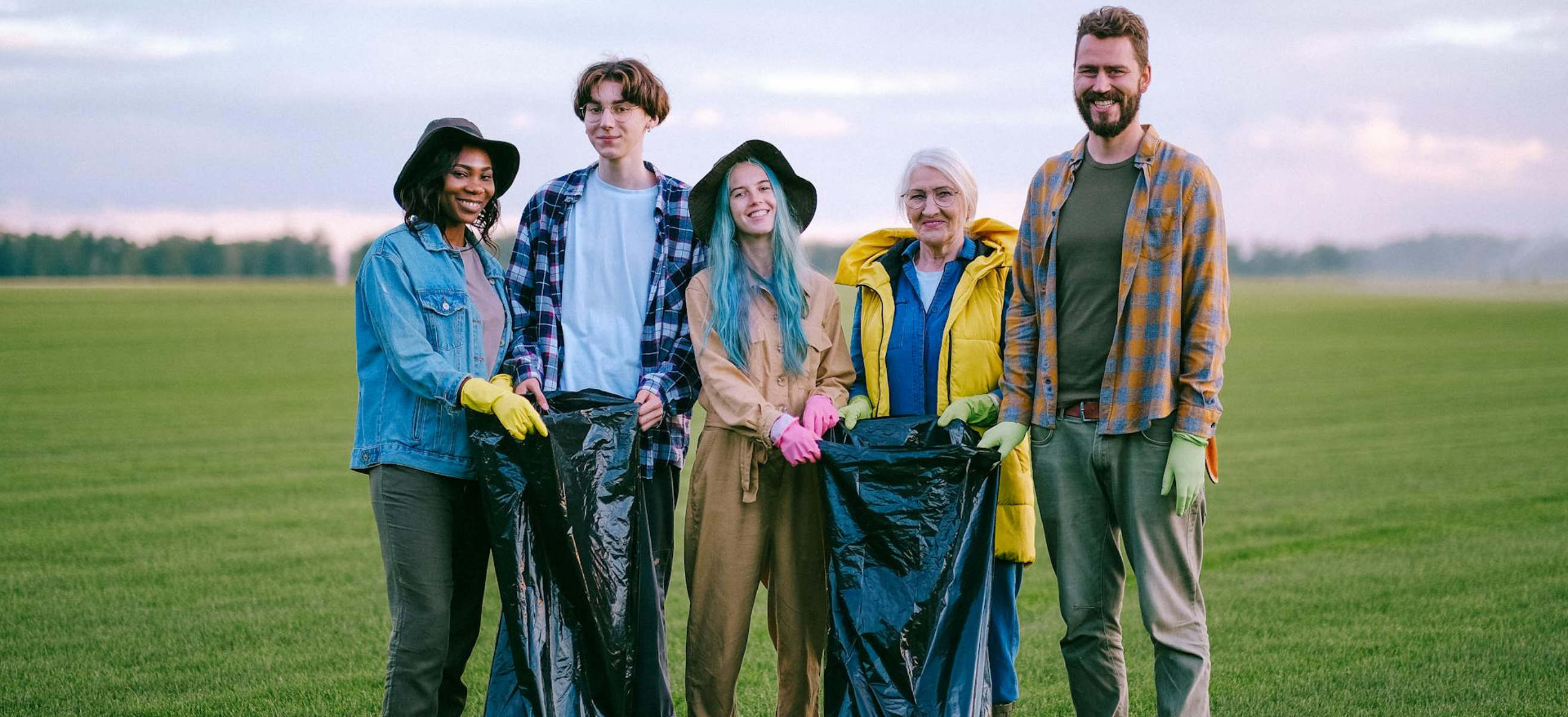
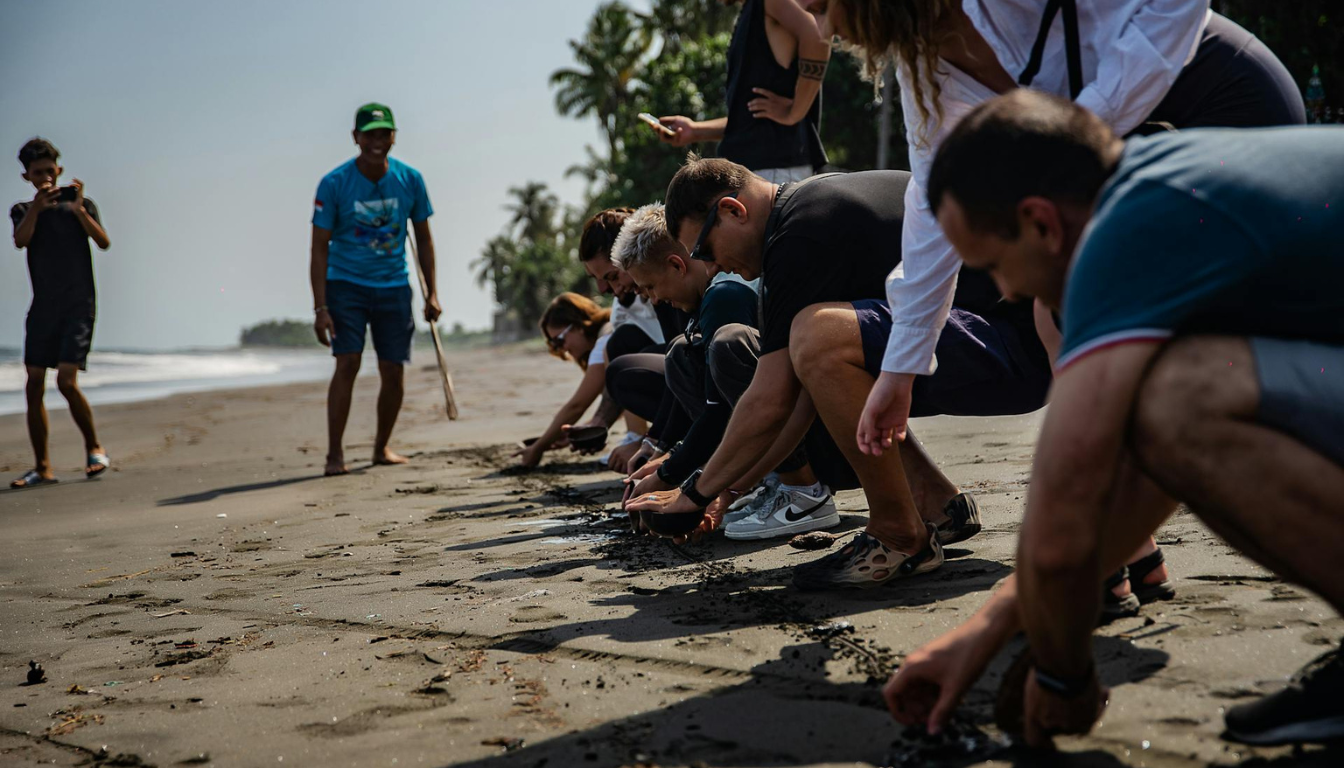
Shared contribution to something outside the company is one of the most reliably cross-generational staff retreat activities available. Habitat restoration, food bank volunteering, urban garden projects, or local school support programs give people a shared experience that doesn’t depend on prior relationships or shared context. Anecdotally and across practitioner surveys, service-based team activities consistently rank among the highest for engagement and memorability — across all age groups, not just younger employees.
Collaborative Creative Challenges
Creative problem-solving formats — team cooking competitions, collaborative art installations, audio or video storytelling projects, or hackathon-style challenges — work well across generations because they create team building opportunities while allowing individuals to contribute in different ways. The person who’s a natural organizer, the one who’s great at presenting, the one with visual instincts — all have a role. These formats tend to reveal skills and personalities that wouldn’t surface in a conventional meeting or team dinner.
Nature-Based and Outdoor Experiences
Outdoor activities are among the most adaptable corporate retreat ideas for mixed-age groups — provided they’re offered at appropriate intensity levels.A guided hike with multiple distance options, a kayaking session with both beginner and intermediate tiers, or a foraging walk with a local naturalist can engage everyone without anyone feeling pushed beyond their comfort zone. The key is offering participation tiers that don’t create visible social stratification between those who choose the “hard” version and those who don’t.
Facilitated Storytelling and Open Dialogue Sessions
Structured conversation formats — where a skilled facilitator creates space for genuine exchange across experience levels — can be some of the most impactful activities on a multigenerational offsite. Formats like "What I wish I'd known at your stage" exchanges, values-mapping discussions, or future-of-work conversations position generational diversity as an asset rather than a gap. They also give quieter participants — often younger staff in mixed seniority settings — a structured opportunity to be heard.
How to Structure a Retreat Program for Every Generation

Activity selection matters, but so does how the overall program is structured. A few principles that consistently improve the multigenerational retreat experience:
- Build in choice. Offer optional tracks or activity tiers wherever possible. Mandatory participation in every activity signals a lack of trust; structured choice respects the fact that different people recharge and engage differently.
- Mix groups intentionally. Don’t let seating charts and activity groups form organically — they’ll default to existing social clusters, which are usually generationally homogeneous. Intentional mixing creates the conditions for the cross-generational connections that make retreats valuable.
- Balance structured and unstructured time. Boomers and Gen X tend to appreciate structured agendas; Millennials and Gen Z often value open space for informal connection. A program that’s too tightly scheduled can feel exhausting; one that’s too loose can feel purposeless. The right balance typically includes both. For inspiration on how to theme and sequence activities across a multi-day program, see our guide to creative staff retreat ideas and themed agendas.
- Avoid activities that assume shared cultural references. Team trivia, themed evenings, and music-driven activities often work for one generation and fall flat for another. When these formats are used, design them with enough range that no single cohort has a built-in advantage.
- Debrief together. Whatever activities you choose, structured reflection — even fifteen minutes of facilitated sharing — creates shared meaning that extends the value of the experience. It also surfaces the different ways people processed the same activity, which is itself a generational insight.
What to Avoid: Staff Retreat Activities That Tend to Divide Rather Than Unite
Not all corporate retreat activities are created equal when generational diversity is in play. A few formats that frequently generate friction:
High-intensity physical challenges with no alternatives. Obstacle courses, extreme hiking, or competitive athletic formats that don’t offer modified participation options can exclude older employees and those with physical limitations — and they tend to reward traits that have nothing to do with professional performance.
Activities built entirely around social media or digital tools. Gen Z and younger Millennials may be comfortable here; others may feel disadvantaged or surveilled. Technology-driven activities can work — but only when participation isn’t contingent on platform fluency.
Unstructured “networking” time without facilitation. Open mixers tend to default into existing clusters and rarely produce the cross-team connection they’re designed for. A small amount of structure — conversation starters, rotating table formats, or facilitated introductions — makes a significant difference. For guidance on how to sequence activities and free time across a retreat day, see our retreat agenda guide on balancing work and free time.
Presentations or panels where only senior voices are featured. If the program’s formal content centers exclusively on senior leadership, younger employees quickly internalize the implicit hierarchy. Mix it up — structured formats where every level gets a platform tend to generate more energy and more honest conversation.
How Offsite Supports Multigenerational Retreat Planning
Designing a retreat program that genuinely works for every generation takes more than good intentions — it requires the right venue, the right facilitators, and a clear understanding of what activities are available in a given location and format. Offsite makes that process significantly easier.
The platform’s curated venue network includes properties that have been vetted for the kind of flexible, multi-format programming that multigenerational offsites require: spaces that support both structured workshop sessions and open outdoor time, venues with catering options that accommodate varied preferences, and activity partners with experience designing inclusive programs for diverse teams. If you’re sourcing corporate retreat ideas for a team that spans multiple generations, Offsite offers a faster path from planning to execution — without the hours of vendor research and logistics coordination.
Summary
The challenge of planning staff retreat activities for multigenerational teams is real, but it’s also one of the more solvable problems in offsite planning. The key insight is that generational differences don’t have to be obstacles — with the right activity formats, they become the source of the retreat’s value. Skill-sharing workshops, community service projects, facilitated dialogue, and outdoor experiences with flexible participation tiers all create conditions where different perspectives enrich the experience rather than complicate it.
What separates a retreat that genuinely connects a multigenerational team from one that merely tolerates the diversity is intentionality: in the activity selection, the group composition, the balance of structured and open time, and the facilitation. Invest in that intentionality upfront, and the return — in cross-generational trust, mutual understanding, and team cohesion — will outlast the retreat by months.
FAQs
- What are the best staff retreat activities for multigenerational teams?

Activities that work well across generations share a few traits: they have clear value regardless of age, they allow for different kinds of contribution, and they create genuine rather than scripted connections. Top formats include skill-share workshops and reverse mentoring, community service projects, collaborative creative challenges, outdoor experiences with flexible participation tiers, and facilitated storytelling sessions. Avoid activities that reward traits specific to one generational cohort — like digital fluency or physical endurance — without offering alternatives.
- How do you plan a corporate retreat that appeals to every generation?
Start with activity selection that centers shared goals over shared references. Then structure the program with intentional group mixing, a balance of structured and open time, and enough choice that participants can engage on their own terms. Debrief together after major activities to create shared meaning. And resist the temptation to design for the most vocal or visible generational cohort on the planning team — get input from across the age spectrum before finalizing the agenda.
- What do different generations want from a team retreat?
Research points to some consistent patterns: Boomers tend to value structured programming that recognizes their experience; Gen X appreciates pragmatic, outcome-oriented formats with room for autonomy; Millennials respond strongly to purpose-driven and creative activities; and Gen Z prioritizes authenticity, inclusion, and psychological safety. These aren't rigid rules — individual and life-stage differences matter — but they're useful inputs for designing a program that doesn't inadvertently cater to only one group.
- Are there corporate retreat activities that Gen Z and Boomers both enjoy?
Yes — and the overlap is larger than most planners expect. Community service projects consistently score highly across all age groups in post-retreat surveys. Skill-sharing formats that position everyone as both teacher and learner work well. Facilitated dialogue sessions with a skilled moderator tend to surface genuine engagement from both ends of the generational spectrum. The common thread: activities that create real contribution and real connection, rather than manufactured fun.
You may also like


Stay Updated with Our Insights
Get exclusive content and valuable updates directly to you.