
Company Team Building Events: Planning Guide & Ideas


Company team building events have become essential for organizations looking to strengthen workplace relationships, boost employee morale, and enhance overall productivity. In today's dynamic work environment, whether your team operates remotely, in-office, or in a hybrid setting, investing in well-planned team building activities can transform your company culture and drive meaningful collaboration. This comprehensive guide explores everything you need to know about planning and executing successful company team building events that deliver measurable results for your organization.
Key Takeaways
- Company team building events strengthen workplace relationships, boost employee morale, and enhance productivity by creating shared experiences that foster collaboration and belonging across distributed workforces
- Organizations can choose from three main formats—in-person activities for deep connections, virtual events for remote teams, and hybrid options that accommodate both on-site and distributed employees simultaneously
- Successful team building requires clear objectives, understanding team preferences, appropriate budget allocation, and measuring both immediate satisfaction and long-term behavioral changes to demonstrate ROI
- Team size significantly influences activity selection: small teams (5-15) thrive with intimate experiences like escape rooms, medium teams (15-50) benefit from competitive group activities, and large teams (50+) need carnival-style formats
- Regular scheduling (quarterly major events plus monthly informal touchpoints) compounds positive effects over time, building resilient teams and thriving organizational culture more effectively than one-time events
Why Company Team Building Events Matter in 2026
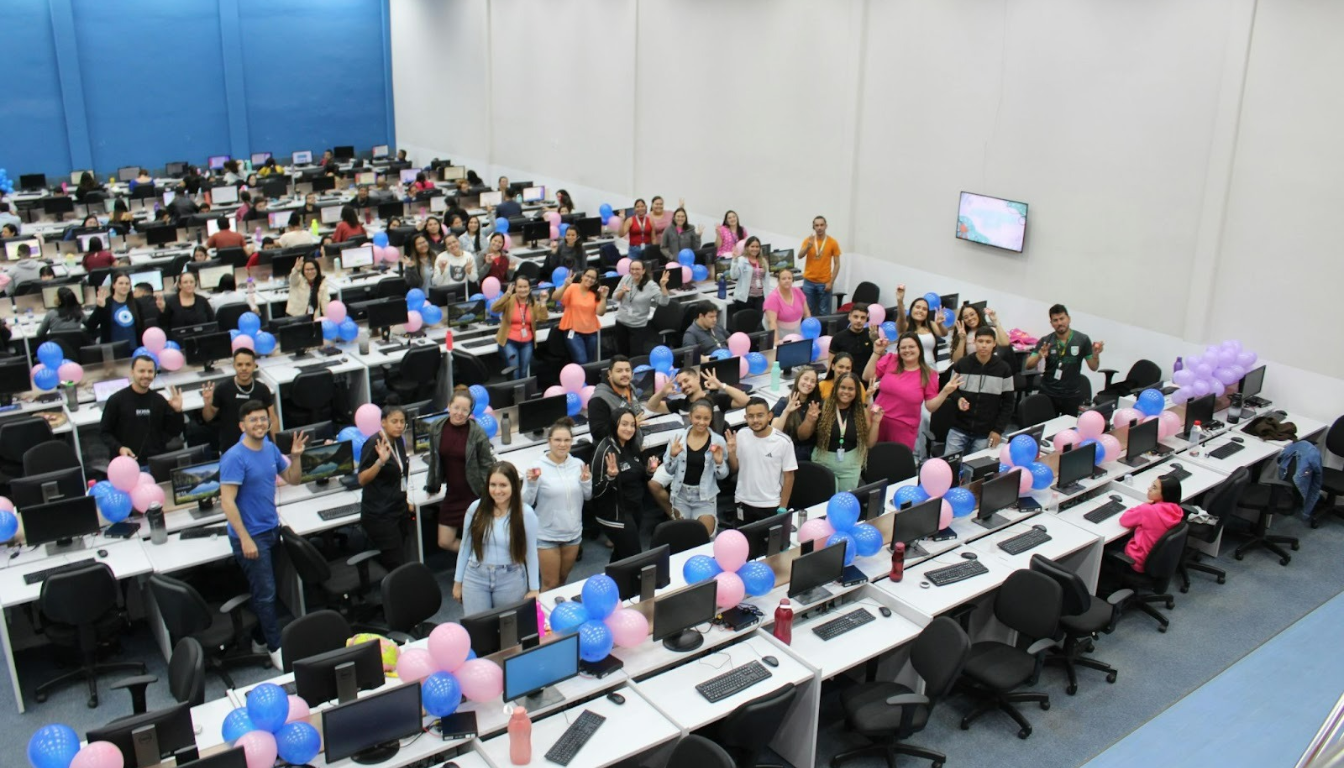
The workplace landscape has evolved dramatically, making team building more critical than ever. Modern companies face unique challenges including distributed workforces, generational diversity, and increasing demands for work-life balance. Corporate team events serve as powerful tools to address these challenges while delivering tangible benefits.
Research consistently shows that organizations investing in team building activities experience higher employee retention rates, improved communication, and increased innovation. When employees participate in structured team bonding events, they develop stronger interpersonal connections that translate into better collaboration on work projects. These events break down departmental silos, encourage cross-functional relationships, and create shared experiences that foster a sense of belonging.
Beyond the obvious social benefits, team building events contribute to measurable business outcomes. Teams that regularly engage in bonding activities report 25% higher productivity levels and demonstrate better problem-solving capabilities. The investment in these experiences pays dividends through reduced workplace conflicts, enhanced creativity, and improved employee satisfaction scores.
Types of Company Team Building Events
Choosing the right format for your team building activities depends on your team's location, preferences, and objectives. Here's a breakdown of the most effective options available today.
In-Person Team Building Activities
Traditional in-person events remain the gold standard for creating deep connections among team members. These activities range from outdoor adventures like ropes courses and hiking expeditions to indoor experiences such as escape rooms, cooking classes, and workshop sessions. Physical presence enables spontaneous interactions, non-verbal communication, and the kind of authentic bonding that's difficult to replicate virtually.
Popular in-person options include volunteer projects where teams give back to their communities, sports tournaments that encourage friendly competition, and creative workshops like art classes or music sessions. The key is selecting activities that accommodate various fitness levels and interests while encouraging genuine participation from all team members.
Virtual Team Building Events
As remote work continues to thrive, virtual team building has evolved from a pandemic necessity to a permanent fixture in the corporate event landscape. Today's virtual activities leverage sophisticated platforms to create engaging experiences that transcend geographical boundaries. From virtual trivia competitions and online game tournaments to remote cooking classes where ingredients are shipped to participants' homes, the possibilities continue to expand.
Successful virtual events require careful planning to maintain engagement and prevent screen fatigue. Interactive elements like breakout rooms, live polls, and collaborative digital whiteboards keep participants actively involved. Many organizations have found success with shorter, more frequent virtual gatherings rather than lengthy single events.
Hybrid Team Building Options
Hybrid events represent the future of team building, accommodating both in-office and remote employees simultaneously. These events require thoughtful design to ensure neither group feels like a second-class participant. Technology plays a crucial role, with high-quality video conferencing, interactive apps, and synchronized activities creating inclusive experiences.
Examples include hybrid scavenger hunts where remote participants solve digital clues while on-site teams complete physical challenges, or combined cooking competitions where both groups prepare the same recipe simultaneously. The goal is creating shared moments that unite the entire team regardless of location.
How to Plan Successful Team Building Events

Effective planning separates memorable company team building events from forgettable ones. Start by clearly defining your objectives—whether improving communication, celebrating achievements, or fostering creativity. Understanding your goals shapes every subsequent decision from budget allocation to activity selection.
Survey your team to understand their preferences and any physical or dietary restrictions. This input ensures higher participation rates and demonstrates that leadership values employee feedback. Consider timing carefully; avoid scheduling during busy work periods or conflicting with major deadlines that might prevent full engagement.
Budget planning requires balancing cost with impact. While elaborate off-site retreats create lasting impressions, many effective team building activities require minimal investment. The key is thoughtful execution rather than expensive venues. Allocate resources for professional facilitators when appropriate, as skilled guides can transform simple activities into powerful learning experiences.
Communication before, during, and after the event amplifies its impact. Send clear invitations with all necessary details, maintain energy during the event through skilled facilitation, and follow up with photos, highlights, and key takeaways. This reinforces lessons learned and extends the positive effects beyond the event itself.
Best Team Building Activities for Different Team Sizes
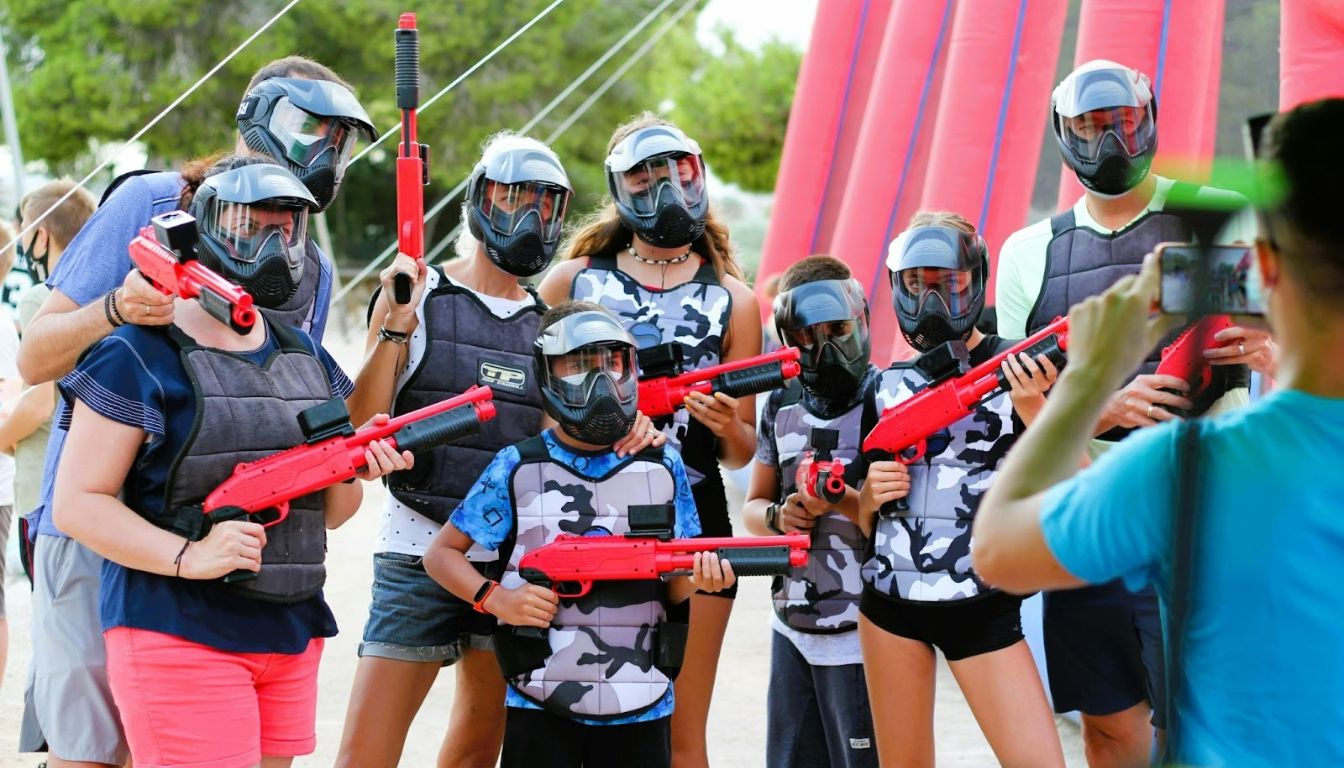
Team size significantly influences which company team building events work best. Small teams of 5-15 people excel with intimate activities like escape rooms, board game tournaments, or specialized workshops. These settings enable everyone to contribute meaningfully and build close relationships through sustained interaction.
Medium-sized teams of 15-50 members benefit from activities that can be divided into smaller competitive or collaborative groups. Options include amazing race-style challenges, department-specific competitions, or rotation-based activities where teams cycle through different stations. This structure maintains intimacy while accommodating larger numbers.
Large groups exceeding 50 people require different approaches. Company-wide events like talent shows, carnival-style gatherings with multiple activity stations, or large-scale volunteer initiatives work well. The challenge is creating opportunities for meaningful interaction rather than passive observation. Breaking large groups into smaller teams for portions of the event ensures everyone participates actively.
Measuring the Success of Your Team Building Events
Quantifying the return on investment for company team building events requires both immediate and long-term metrics. Post-event surveys capture initial reactions, measuring satisfaction levels and perceived value. Ask specific questions about what worked, what didn't, and whether participants would recommend similar events.
Track behavioral changes in the weeks following events. Monitor collaboration patterns, cross-departmental project success rates, and employee engagement scores. Many organizations use pulse surveys to gauge ongoing team morale and identify sustained improvements in workplace culture.
Business metrics provide concrete evidence of impact. Compare pre and post-event data on productivity indicators, retention rates, and quality of work. While not every positive change can be directly attributed to team building, patterns emerging after consistent investment in these activities reveal their value.
Remember that building strong teams is an ongoing process, not a one-time event. The most successful organizations integrate team building into their regular culture rather than treating it as an occasional perk. Regular, well-planned activities compound their effects over time, creating resilient, connected teams prepared to tackle any challenge together.
Summary
Company team building events represent a strategic investment in your organization's most valuable asset—your people. Whether you choose in-person gatherings, virtual experiences, or hybrid formats, the key is intentional planning aligned with clear objectives. Successful events boost morale, strengthen relationships, improve communication, and drive measurable business results.
The most effective approach combines variety, regular scheduling, and genuine commitment from leadership. By understanding your team's unique needs, selecting appropriate activities for your group size, and measuring outcomes, you create meaningful experiences that transform workplace culture. As you plan your next corporate team event, focus on authenticity, inclusivity, and creating shared moments that remind everyone why they enjoy working together. The investment in bringing your team together pays dividends far beyond the event itself, building the foundation for sustained success and a thriving organizational culture.
FAQs
- How often should companies organize team building events?

Most successful organizations schedule team building activities quarterly, with smaller informal gatherings monthly. The frequency depends on your team size, budget, and goals. Regular touchpoints maintain momentum and reinforce positive behaviors, while annual major events create memorable experiences. For remote teams, more frequent virtual activities help combat isolation and maintain connection.
- What is the average budget for company team building events?
Budgets vary widely based on company size and event type. Simple in-office activities might cost $10-20 per person, while elaborate off-site retreats can run $200-500 per person or more. Many effective team building experiences fall in the $30-75 per person range. Consider allocating 1-3% of your annual HR budget to team building initiatives. Remember that impact matters more than expense—creative, well-facilitated low-cost activities often deliver better results than expensive but poorly planned events.
- What are the best virtual team building activities for remote teams?
Top virtual options include online escape rooms, virtual cooking or cocktail classes, digital scavenger hunts, remote game tournaments, and collaborative online workshops. Interactive platforms like virtual reality spaces and gaming environments create engaging experiences. For best results, keep sessions under 90 minutes, incorporate breakout rooms for smaller group interaction, and mix structured activities with informal socializing time. The most successful virtual events prioritize participation over presentation.
- How do you measure the ROI of team building events?
Measure ROI through both qualitative and quantitative metrics. Immediate feedback comes from post-event surveys measuring satisfaction and perceived value. Track longer-term indicators including employee engagement scores, retention rates, productivity metrics, and collaboration patterns. Monitor changes in internal communication frequency and cross-departmental project success. Compare pre and post-event data on absenteeism, workplace conflicts, and innovation metrics. While isolating team building's specific impact is challenging, organizations consistently investing in these activities see measurable improvements in overall team performance.
You may also like



Stay Updated with Our Insights
Get exclusive content and valuable updates directly to you.