
Company Values Workshop: How to Define (or Refresh) Values at an Offsite

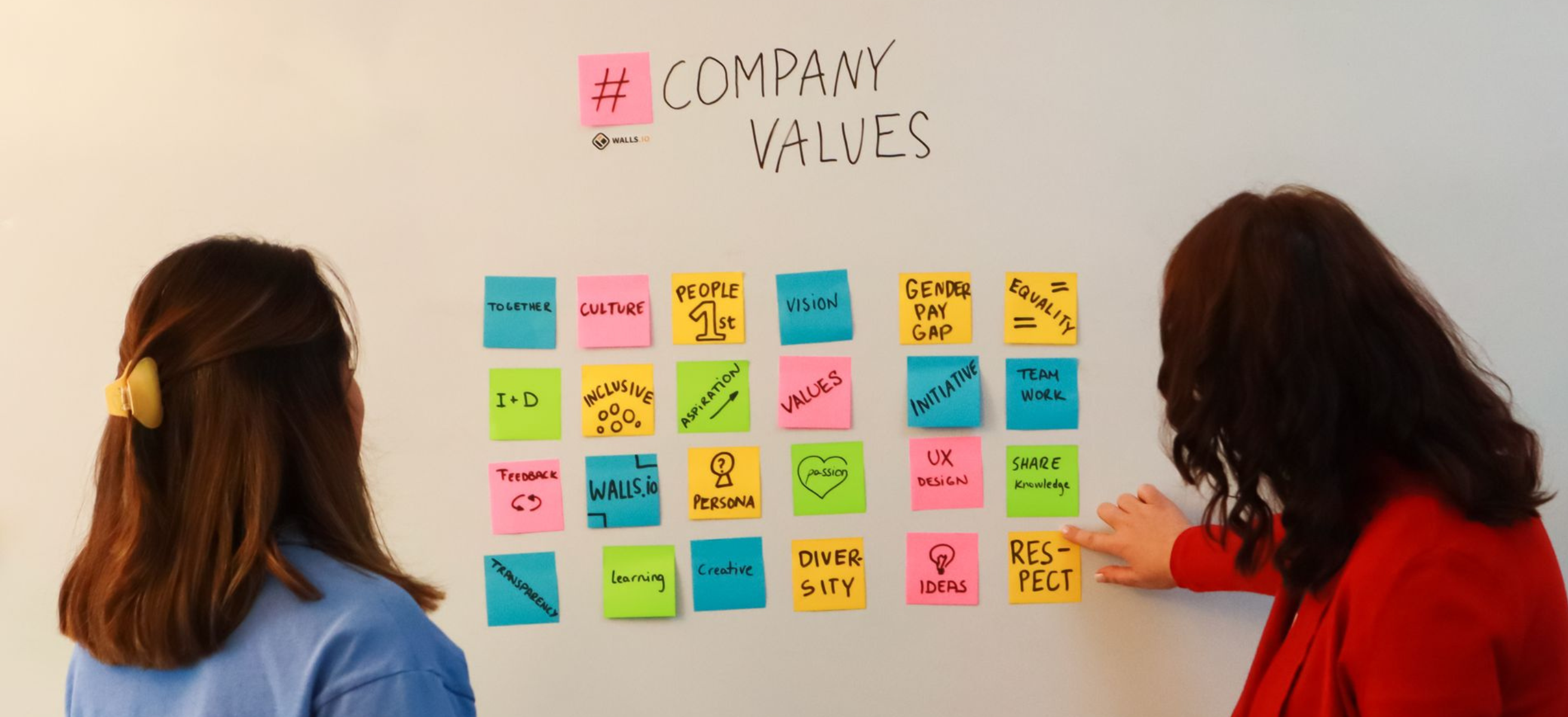
Most company values are written by a few leaders in a conference room, posted on a wall, and quietly ignored. The values that stick are the ones the team works out together, based on how people actually make decisions and treat each other.
An offsite is the right setting for that work. People have time to think, tell stories and debate, away from the daily rush. If you need a refresher on why values matter and how to define and live your core values, start there. This guide covers the workshop itself: how to run it, the exercises that work and how to make the results stick.
Key Takeaways
- Decide first whether you're defining values for the first time or refreshing values that no longer fit. The workshop is different for each.
- Leadership should set the direction, and the team should shape the wording and pressure-test it.
- Base values on real stories and decisions, not on lists of nice-sounding words.
- Turn every value into specific behaviors, with examples of what it looks like and what it doesn't.
- Roll the values out at an all-hands, build them into hiring and recognition, and check in at 90 days.
Define or refresh: which workshop do you need?

- Defining values for the first time. Common for younger companies or after a merger. The goal is to surface the values the team already lives by and agree on three to five.
- Refreshing existing values. Common after rapid growth, a strategy change or new leadership. The goal is to test which values still fit, which need new wording, and whether anything is missing.
A refresh is usually shorter and more focused. Start from the current values and ask which ones people can point to in daily work.
Before the workshop
Decide who decides
Be clear up front about how the final values will be chosen. A common approach: leadership sets the direction and has the final say, while the team contributes stories, shapes the wording and pressure-tests the draft. Saying this at the start avoids disappointment later.
Run a short pre-survey
A week or two before the offsite, ask everyone a few questions:
- When have you seen this company at its best?
- What behavior do you most admire in a colleague?
- What behavior should we never tolerate, even from a top performer?
Group the answers into themes. They'll become the raw material for the workshop.
Choose a facilitator
A neutral facilitator lets leaders take part rather than run the room. This can be an outside facilitator or a trusted colleague who isn't on the leadership team.
A 3-hour values workshop agenda
The workshop fits into a standard offsite agenda as a half-day block. Run it in the morning, when energy is highest.
5 exercises that work at an offsite
1. Stories of us at our best
In small groups, each person shares a moment when the company or team was at its best. The group then names the values that show up in each story. Values that appear again and again are strong candidates.
2. Decision look-back
Ask each person to bring two real decisions from the past year: one they're proud of and one that was hard. Discuss what drove each decision. This surfaces the values the company actually acts on, not just the ones it aspires to.
3. Cluster and dot-vote
Put every value from the first exercises on a wall. Group similar ones, name each cluster, then give everyone three to five dots to vote for the values that matter most. Aim for three to five final values.
4. Behavior translation
For each top value, write down two or three behaviors that show it, and one or two that go against it. For example, a value like "ownership" might mean "you close the loop on every commitment," and it's broken by "waiting for someone else to fix a problem you noticed."
5. Values in tension
Test each value with a hard question: would we still hold to it if it cost us a deal, a deadline or a top performer? Values that survive this test are real. Ones that don't may need new wording, or may not belong on the list.
Turning values into behaviors

A value only helps if people know what it looks like on a Tuesday afternoon. For each final value, write:
- A short name of one to three words that people will remember.
- One sentence explaining what it means here.
- Behaviors that show it, written as things people do.
- Behaviors that break it, so the lines are clear.
Then recognize people who live the values. Adding a values category, like a Values Champion, to your list of employee award ideas shows the whole company what each value looks like in practice.
After the offsite
- Refine the draft with a small group within two weeks, and check the wording with people who weren't at the offsite.
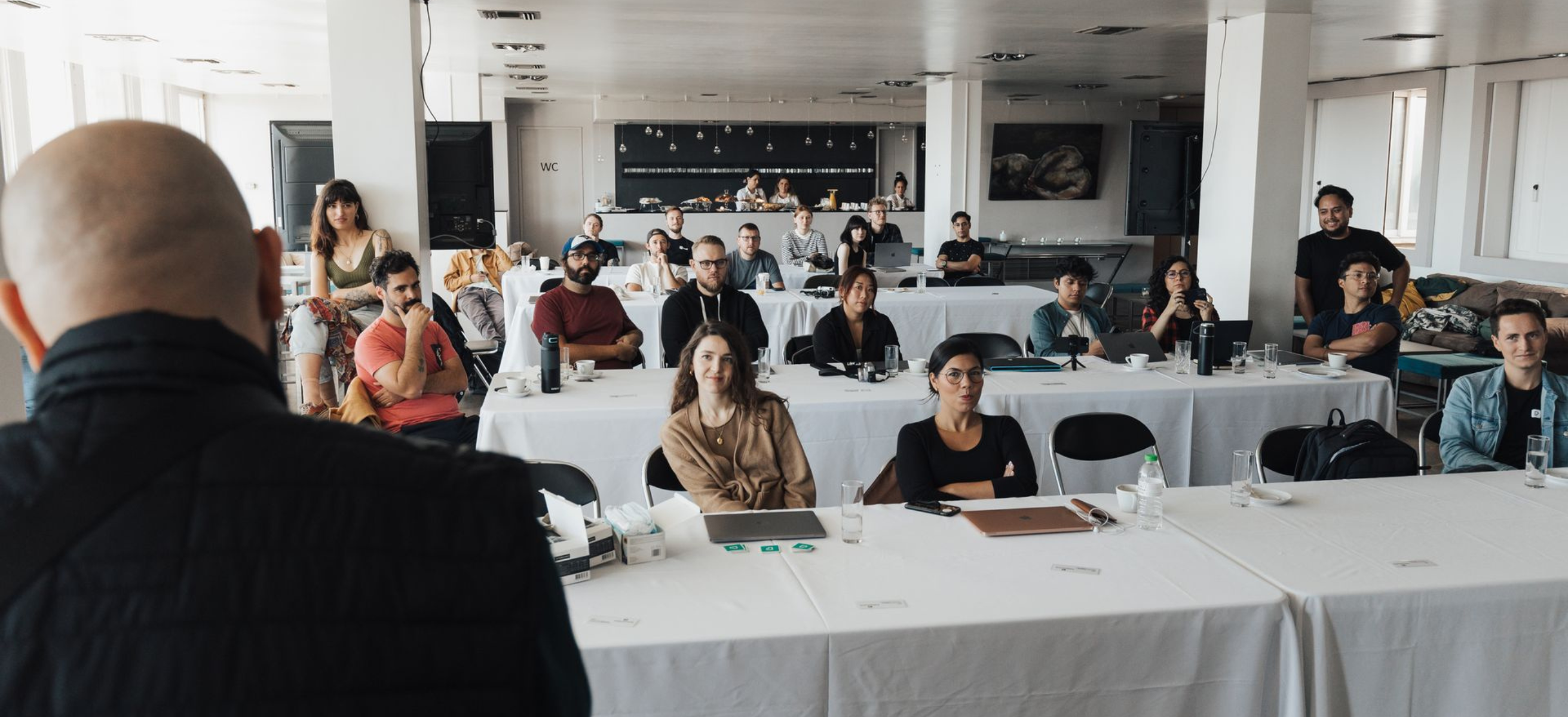
- Share them company-wide. Introduce the values at your next all-hands, with the stories behind each one.
- Build them into hiring and reviews. Add a values question to interviews and performance conversations.
- Check in at 90 days. Ask the team where the values are showing up and where they're being ignored, and adjust.
Conclusion
A company values workshop works when the values come from real stories and decisions, not a list of nice words. Decide whether you're defining or refreshing, be clear about who decides, run a few focused exercises, and turn every value into specific behaviors. Then roll the values out in your next all-hands presentation, build them into hiring and recognition, and check in at 90 days. Offsite can plan the offsite around your workshop, with a venue that has the space and quiet to do this kind of work.
FAQs
- What is a company values workshop?

It's a facilitated session where a team uncovers, debates and agrees on the values that guide how the company works, and turns them into specific behaviors.
- How long should a company values workshop be?
About three hours works well at an offsite: time for stories, clustering and voting, turning values into behaviors and testing them against hard trade-offs.
- How many company values should you have?
Three to five is enough for most companies. Fewer values are easier to remember and easier to live by.
- Who should be involved in defining company values?
Leadership should set the direction and make the final call, while the wider team contributes stories, shapes the wording and pressure-tests the draft.
You may also like



Stay Updated with Our Insights
Get exclusive content and valuable updates directly to you.