
Corporate Getaways: Complete Planning Guide (2026)

Corporate Getaways: Complete Planning Guide (2026)
Corporate getaways have transformed from stuffy conference room meetings into powerful tools for building stronger, more connected teams. In today's remote-first workplace, these in-person experiences promote better collaboration, clearer communication, sharper brainstorming, and faster problem-solving while reinforcing company culture and boosting morale.
But modern team retreats shouldn't resemble the awkward, overly programmed Vegas hotel events of the past. Today's successful experiences—especially for startups and companies with Millennial, Gen Y, and Z employees—blend creative brainstorming with meaningful leisure, shared experiences, and unique locations that make the investment worthwhile.
In this comprehensive guide, you'll discover how to plan corporate getaways that your team will never forget, featuring activity recommendations, planning strategies, and proven tips for creating transformative retreats that improve performance long after everyone returns to work.
Key Takeaways
- Why corporate getaways matter more than ever in the remote work era
- 12 proven activity ideas from outdoor adventures to creative workshops
- Strategic planning framework for defining objectives and maximizing ROI
- Accommodation considerations for choosing the right venue type
- Budget planning and timeline for seamless execution
Why Team Retreats Are Essential in the Remote Work Era

The shift to remote and hybrid work has made face-to-face interaction more valuable than ever. While video calls and Slack messages keep daily operations running, they can't replicate the depth of connection that happens during in-person team gatherings.
The Business Case for Team Retreats
Enhanced Collaboration: Teams that spend quality time together in person develop better working relationships, leading to smoother collaboration on projects and faster problem resolution back at the office.
Cultural Reinforcement: Corporate getaways provide opportunities to reinforce company values, mission, and culture in ways that remote communication simply cannot match. Shared experiences create shared identity.
Innovation Catalyst: Removing teams from their daily environment sparks fresh thinking and creative problem-solving. The best breakthrough ideas often emerge during offsite experiences when minds are open and relaxed.
Employee Retention: Companies that invest in meaningful team experiences demonstrate commitment to employee wellbeing, which directly impacts retention rates and job satisfaction.
Relationship Building: Personal connections formed during offsites translate to better communication, increased trust, and stronger teamwork when everyone returns to their regular roles.
12 Retreat Activity Ideas
The activities you plan can make or break your retreat. Here are proven ideas that combine team building with genuine fun, organized by category.
Outdoor & Adventure Activities
Water Activities
Getting out on the water is mentally challenging and physically stimulating. Certain water activities require teams to work together, making them ideal for reinforcing relationships. Activities: Sailing charters, kayaking, stand-up paddleboarding
Team Sports
Sports that are fun and easy to play focus everyone on shared goals—literally and metaphorically—making them ideal for team building experiences.
Activities: Pickleball, volleyball, kickball, scavenger hunts, ultimate frisbee
Fresh Air Experiences
No matter where or when you're planning your offsite, sometimes nothing is easier or more rewarding for employees than simply getting outside.
Activities: Hiking, biking, fire pit gatherings, al fresco dinners
Creative & Cultural Activities
Explore New Places
Discovering a new place or learning something new together stimulates curiosity and communication while promoting interpersonal bonding. Activities: Neighborhood art tours, historical walks, restaurant crawls, local market exploration
Cooking Classes
Food brings people together. Professional cooking classes create collaborative experiences around meal preparation.
Activities: Test kitchen experiences, group cooking sessions, team meal preparation
Escape Rooms
Escape rooms challenge teams to work together solving puzzles and accomplishing tasks while the clock ticks.
Activities: Themed escape experiences from zombie apocalypses to murder mysteries
Wellness & Evening Activities
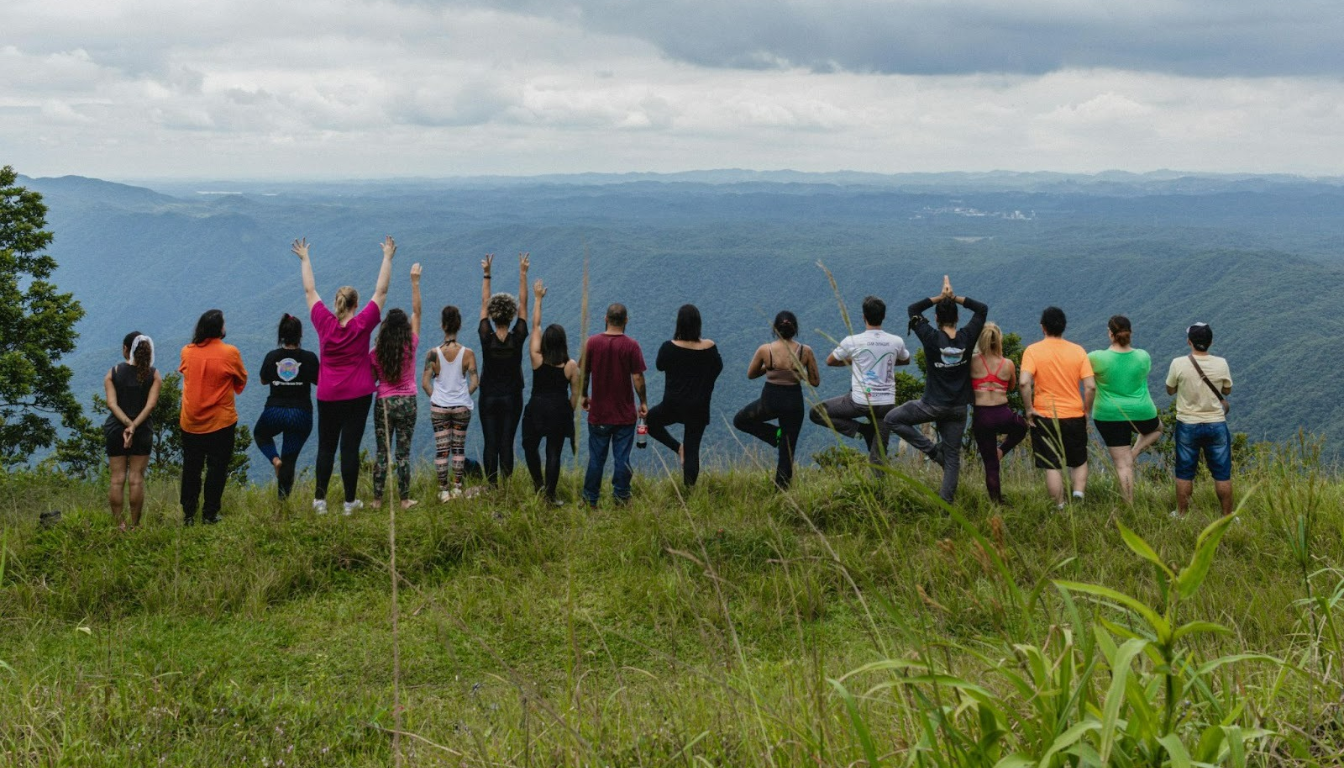
Wellness Moments
Work can be stressful. Wellness activities help teams decompress and recharge.
Activities: Morning yoga, meditation, sound baths, spa experiences
Game Nights
After long days of brainstorming, game night can be an amazing way to end the evening. Activities: Trivia competitions, charades, board games, casino night
Shared Meals
Meals and drinks create space for organic conversation and relationship building outside formal settings.
Activities: Wine tastings, casual BBQs, themed dinners
Purpose-Driven Activities
Volunteer Together
Helping others as a team reinforces collaboration skills while giving back to communities. Activities: Habitat for Humanity, food bank volunteering, environmental cleanup
Professional Development
Expert speakers and workshops add professional value to retreats.
Activities: Leadership development, industry expert talks, strategy sessions
The Most Important Activity
Free Time
Giving teams space to do their own thing on retreats is just as important as planned activities. Activities: Personal exploration, reading, solo activities, relaxation
Strategic Planning Approach
Define Your Objectives Upfront
Before booking anything, clarify what you want to accomplish:
- Team Building: Focus on collaboration and trust-building activities
- Strategic Planning: Prioritize dedicated meeting time and professional development
- Culture Building: Emphasize shared experiences and values reinforcement
- Wellness & Recharge: Plan relaxation and rejuvenation activities
- Celebration: Create memorable experiences rewarding achievement
- Innovation: Structure brainstorming and creative problem-solving time
Choose the Right Accommodations
Hotels & Resorts
Best for: Large groups, professional development focus, comprehensive amenities
Advantages: Professional meeting facilities, on-site catering, dedicated event planning support, convenient locations
Vacation Rentals
Best for: Smaller teams, creative retreats, intimate bonding
Advantages: Home-like atmosphere, communal spaces, often better value for multi-day stays
Unique Venues

Best for: Memorable experiences, specific retreat themes
Options: Upscale outdoor accommodations, boutique properties, historic venues, specialty retreat centers
Budget Considerations
Retreat costs vary widely based on:
- Destination: Major cities versus secondary markets
- Accommodations: Hotels versus vacation rentals versus unique venues
- Group Size: Economies of scale improve with larger groups
- Season: Peak versus off-peak pricing significantly impacts costs
- Duration: 2-day weekend versus 4-day midweek retreats
Budget ranges per person, including travel:
- Standard: $2,000–2,500 for 3 days
- Mid-range: $2,500–3,500
- Premium: $3,500-5,000+
Planning Timeline
6-9 Months Before:
- Define objectives and budget
- Survey team for preferences
- Research destinations
- Get leadership approval
4-6 Months Before:
- Select final destination
- Book accommodations
- Reserve major activities
- Begin building itinerary
2-4 Months Before:
- Book remaining activities
- Arrange group travel
- Plan detailed schedule
- Communicate plans to team
1-2 Months Before:
- Finalize all bookings
- Create detailed itineraries
- Prepare workshop materials
- Send pre-retreat communications
2 Weeks Before:
- Reconfirm all reservations
- Share final schedules
- Coordinate dietary restrictions
- Brief facilitators
Key Logistics Considerations
Travel Arrangements: Choose destinations with accessible airports, consider group transportation options, build in buffer time, provide clear travel information well in advance.
Dietary Accommodations: Survey team for restrictions and preferences, communicate all needs to vendors, have backup options available, label foods clearly.
Communication: Create shared digital itineraries, establish group chat for updates, share emergency contacts, set expectations about work availability.
Weather Planning: Research typical weather, have indoor backup options, communicate appropriate packing needs, build schedule flexibility.
Accessibility: Survey for mobility considerations, ensure venues accommodate all participants, plan activities with varying physical requirements.
Maximizing Retreat ROI
During the Retreat
Set the Right Tone: Start with clear welcome addressing purpose, model desired behavior, encourage participation without forcing compliance, maintain positive atmosphere.
Facilitate Connections: Mix groups for different activities, create opportunities for cross-departmental interaction, allow structured and unstructured social time.
Stay Flexible: Adjust schedules based on group energy, allow popular activities to run longer, read the room and respond to needs.
Post-Retreat Follow-Up
The real value comes from sustained benefits after everyone returns:
Immediate (Within 1 Week):
- Send thank you message
- Share photos and highlights
- Distribute post-retreat survey
- Summarize key takeaways
- Recognize outstanding participation
Ongoing (1-3 Months):
- Follow through on commitments
- Continue conversations started
- Reference shared experiences
- Track relevant metrics
- Schedule check-ins on goals
Long-Term (3-12 Months):
- Reference retreat moments in communications
- Celebrate progress on initiatives
- Gather feedback for next offsite
- Measure long-term impact
- Maintain traditions
Metrics to Track: Employee satisfaction scores, team collaboration quality, project completion rates, retention rates, innovation metrics, culture indicators, ROI calculations.
Making Retreats Annual Traditions
Companies that host regular offsites see compounding benefits:
- Year 1: Establish tradition, format, and expectations
- Year 2: Refine based on feedback, build on what worked
- Year 3+: Maintain core elements while adding fresh experiences
Annual team retreats become anticipated events that reinforce culture, provide strategic alignment opportunities, give employees something to look forward to, and demonstrate ongoing commitment to wellbeing.
How Offsite Simplifies Planning
Planning team retreats can feel overwhelming, especially for busy executives and HR professionals. Offsite streamlines the entire process:
- Expert Guidance: Destination recommendations, activity suggestions, budget planning, timeline support
- Comprehensive Coordination: Single point of contact, vendor coordination, group travel logistics, dietary accommodations, technology setup
- Premium Partnerships: Access to vetted venues, pre-negotiated rates, quality assurance, exclusive amenities, flexible booking
- Concierge Support: Activity planning, local expertise, on-site support, 24/7 availability, post-retreat assistance
- Customized Experiences: Tailored itineraries, curated recommendations, flexible packages, budget-conscious and premium options
Summary: Making Retreats Transformative
Team retreats represent significant investments of time, money, and energy. When planned thoughtfully with clear objectives, balanced programming, and genuine care for team wellbeing, they deliver returns that extend far beyond the event itself: stronger relationships, clearer communication, renewed energy, strategic alignment, and reinforced culture.
The key is remembering that these experiences aren't just about checking activities off lists or filling conference room hours. They're about creating space for authentic human connection, shared experiences that build trust, and memories that bind teams together long after everyone returns to their desks—or home offices.
Whether you prioritize outdoor adventure, creative workshops, wellness and mindfulness, or cultural exploration, focus on what matters most: bringing your team together in meaningful ways that make them excited to work together again.
Ready to plan your unforgettable retreat? Contact Offsite for expert guidance on destinations, activities, and logistics that perfectly match your team's needs.
FAQs
- What's the ideal duration for a team retreat?

Most successful corporate getaways last 2-4 days. This provides enough time for meaningful activities and bonding without disrupting business operations too long. Two-day experiences (typically Friday-Saturday or Saturday-Sunday) work for budget-conscious teams or those with scheduling constraints. Three to four days allow for deeper strategic work and more varied experiences. Extended workations can last 1-2 weeks, combining regular work hours with evening and weekend team activities.
- How far in advance should I plan a team retreat?
Ideally, begin planning 6-9 months in advance for popular destinations and peak seasons. This ensures availability at preferred properties and allows adequate time for planning activities, arranging travel, and coordinating with your team. For last-minute planning, 2-3 months is the minimum recommended timeframe, though options may be more limited and costs potentially higher.
- What's a reasonable per-person budget?
Budgets vary widely based on destination, duration, and accommodation level. Even cost-conscious retreats typically run $2,000–$2,500 per person for 3 days once travel is included, covering lodging, some meals, and basic activities. Mid-range experiences cost $1,500-2,500 per person with nicer accommodations, most meals, and curated activities. Premium luxury experiences run $3,000-5,000+ per person, featuring exclusive venues, all meals, and high-end experiences. Remember to factor in travel costs separately.
- How do I choose between a hotel and vacation rental?
Hotels work best for larger groups (25+ people), professional development-focused retreats, and when you need comprehensive meeting facilities and on-site catering. They offer convenience and professional amenities but can feel corporate. Vacation rentals excel for smaller teams (10-25 people), creative retreats, and when you want more personalized, home-like environments with communal spaces for informal bonding. They often provide better value for multi-day stays but may require renting separate meeting spaces.
You may also like



Stay Updated with Our Insights
Get exclusive content and valuable updates directly to you.