
Team Building Venues: What to Look for When Choosing Your Event Space

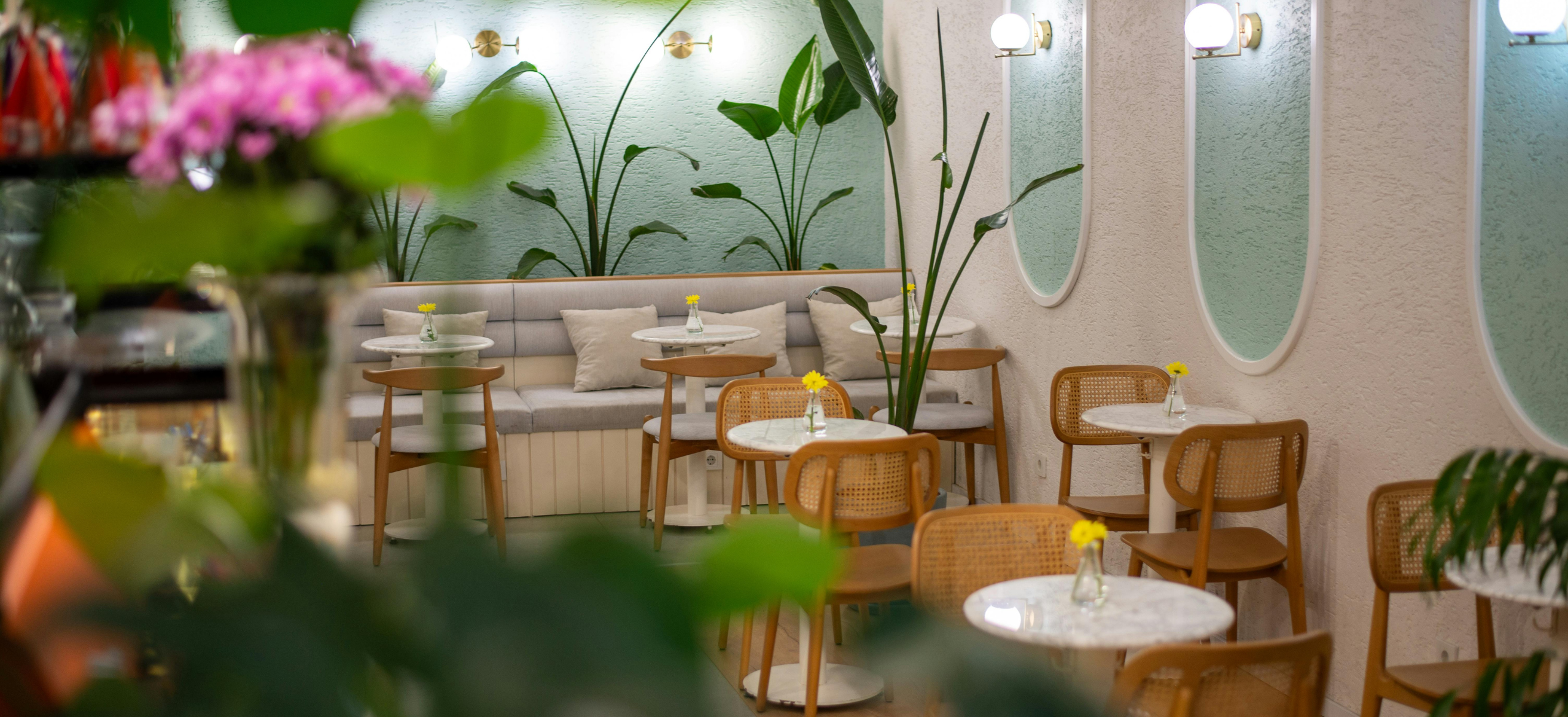
The venue you choose for team building can make or break the entire experience. Pick the right space and you create an environment where genuine connections happen, creativity flows, and people actually want to participate. Choose poorly and you're fighting uphill against noise, cramped quarters, and that corporate conference room energy that makes everyone check their watches.
Finding great venues for team building isn't about picking the fanciest location or the cheapest option. It's about matching your space to your objectives, your team's personality, and the type of experience you want to create. This guide walks you through exactly what to evaluate so you choose spaces that set your team up for success.
Key Takeaways
- Effective team building venues balance capacity (15-20 sq ft per person seated, 25-30 sq ft for active games), accessibility, and atmosphere that matches your team's culture and event objectives
- Indoor venues provide climate control and privacy but require checking lighting, acoustics, and backup spaces, while outdoor locations offer fresh air with weather contingency planning
- Essential venue features include adequate parking/transportation access, flexible layouts accommodating multiple activity types, quality AV equipment, and comfortable break areas for informal networking
- Budget for hidden costs beyond base rental: service charges (20-25%), AV equipment ($500-3,000), catering minimums, and 10-15% contingency funds for unexpected needs
- Site visits before booking reveal deal-breakers like noise levels, actual room size versus stated capacity, and venue staff responsiveness that reviews alone can't capture
Define Your Objectives Before Searching for Venues
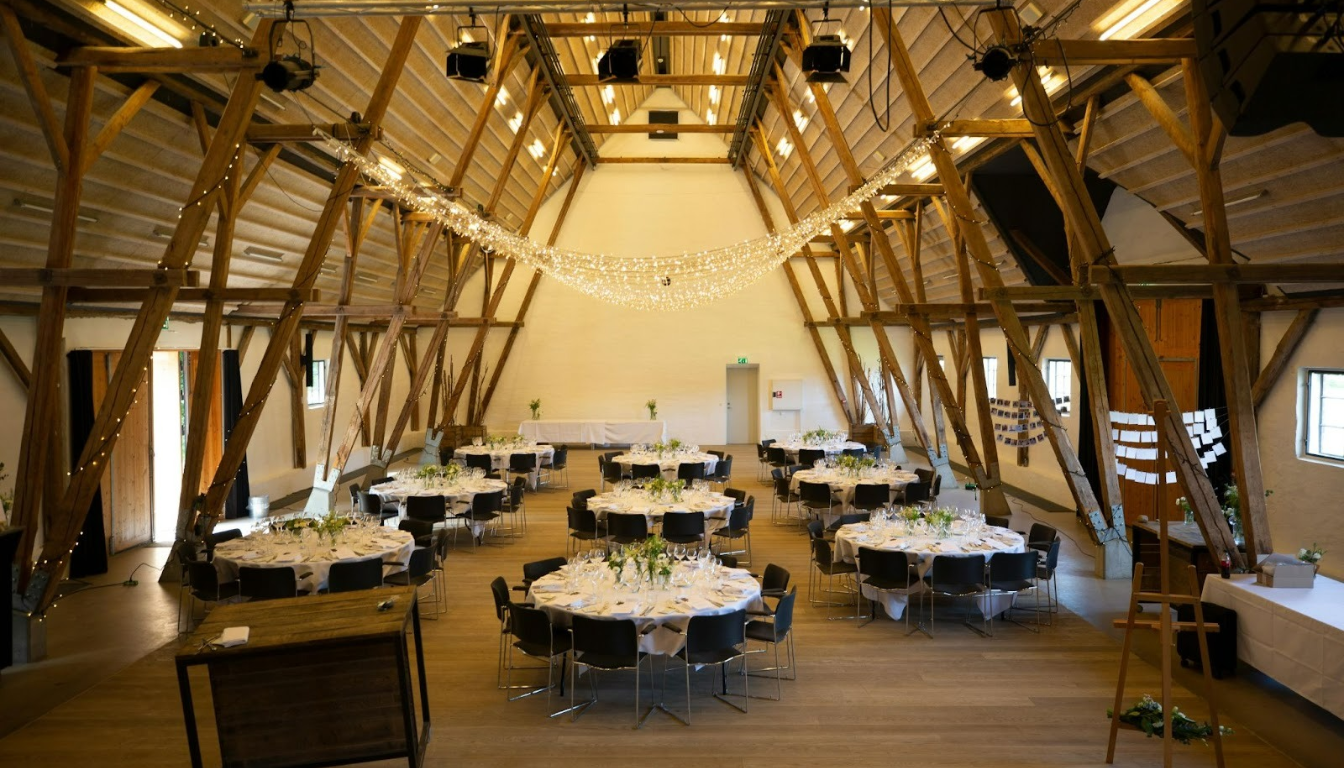
Start by getting crystal clear on what you're actually trying to accomplish. Are you building trust among a newly formed team? Celebrating a major milestone? Training specific skills? Your objective determines everything about venue selection.
Trust-building and relationship-focused events need intimate settings where people can have real conversations—think boutique hotels, retreat centers, or unique local spaces with character. High-energy celebrations call for venues with room for movement, music, and noise without disturbing others. Skills training requires spaces designed for concentration: good lighting, comfortable seating for extended sessions, minimal distractions, and reliable technology.
Consider your team's personality too. A tech startup might thrive in an industrial warehouse space or trendy coworking venue that feels authentic to their culture. A traditional financial services firm might need more polished conference facilities. The venue should feel like an extension of your brand, not a jarring departure from it.
Capacity and Space Considerations
Here's where math meets reality. You need 15 to 20 square feet per person minimum for seated activities like workshops or presentations. Active team building exercises requiring movement? Bump that to 25 to 30 square feet per person. Don't trust stated capacity alone—a room "rated for 50" assumes theater seating, not breakout group activities with multiple stations.
For small teams (10 to 30 people), intimacy matters more than grandeur. Look for spaces rated for 30-50 maximum capacity. Boardroom-style setups work well, as do venues with comfortable lounge seating and character—historic buildings, unique architecture, or locations with built-in conversation starters. Avoid cavernous ballrooms that make small groups feel lost.
Mid-sized groups (30 to 75 people) hit the sweet spot for most events. You have enough people to create energy and competition, but logistics stay manageable. Target spaces rated for 75-125 people, giving you room for multiple activity stations, breakout areas, and comfortable seating for meals without feeling cramped.
Large groups (75 or more people) need venues experienced with crowd management. Verify multiple entry points to prevent bottleneck check-ins, adequate restrooms avoiding long lines, and flexible spaces that can be reconfigured throughout the day. Stadium-style or rotation-based activities work better than single-focus programs for groups this size.
Indoor vs. Outdoor Options
Indoor venues provide climate control, privacy, and predictability—no weather wildcards derailing your carefully planned agenda. Hotels, conference centers, restaurants with private rooms, and dedicated event spaces give you control over the environment. Check lighting carefully during site visits; fluorescent-lit basement rooms lead to afternoon energy crashes. Natural light dramatically improves mood and engagement.
Acoustics matter more than most planners realize. Test noise levels at the same time of day as your planned event. Does sound echo? Can you hear the restaurant kitchen or adjacent meeting? Will background music overpower conversation? Bring a colleague and test whether you can easily hear each other from opposite sides of the room.
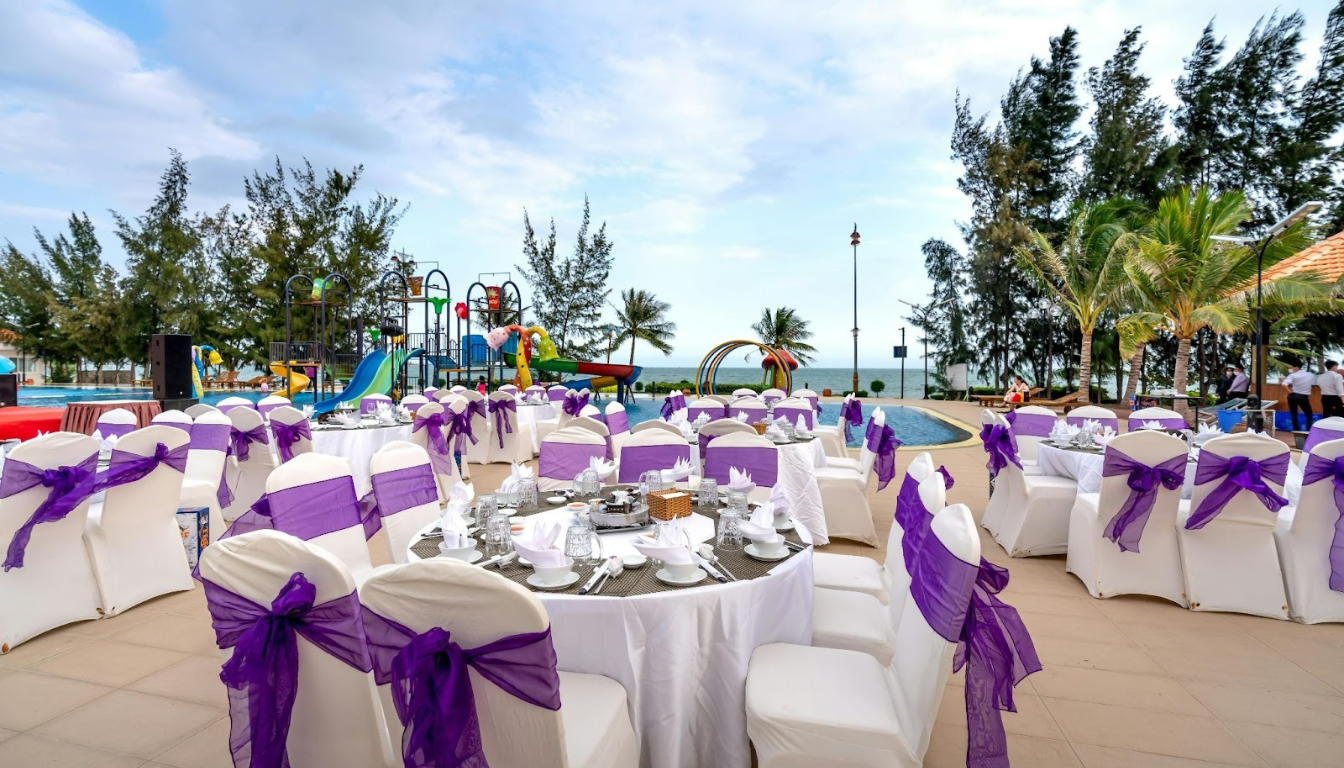
Outdoor venues offer fresh air, natural settings, and energizing changes from typical office environments. Parks provide space for physical activities and often come with minimal or no rental costs. Waterfront locations, gardens, and retreat centers with outdoor spaces create memorable backdrops. But nature doesn't always cooperate.
Weather contingency planning is non-negotiable for outdoor venues. Secure a backup indoor location nearby. Monitor forecasts 3-5 days out and have clear criteria for when you'll pivot indoors. Consider partial adjustments: if rain looks likely, switch to activities using materials that can get wet or move time-sensitive portions indoors while keeping flexible elements outside.
Essential Amenities and Features

Parking and accessibility seem basic until 50 people arrive simultaneously with nowhere to park. Verify adequate lot capacity or nearby public parking. For urban venues, provide clear transit directions. If accessibility is limited, arrange shuttle services and communicate timing clearly.
Technology infrastructure makes or breaks modern events. Confirm reliable Wi-Fi supporting your group size—50 people simultaneously streaming or on video calls requires serious bandwidth. Test before committing. Verify AV equipment: working microphones, projectors, screens, and compatible connectivity for presentations. On-site tech support prevents panic when equipment fails minutes before your keynote.
Flexible layouts accommodate different session types. Can tables be moved for breakout groups? Is there open floor space for active games? Are there smaller rooms for private conversations alongside main gathering areas? The best venues adapt to your agenda rather than forcing your activities into their rigid setup.
Catering options impact both logistics and experience. Some venues require using their in-house catering (verify quality and menu options). Others allow outside caterers (confirm any fees or restrictions). For full-day events, variety matters—breakfast, lunch, snacks, and beverages throughout keep energy levels stable.
Location and Accessibility
Convenient locations increase participation. Choose spaces within 30 to 45 minutes of your office or central to where most attendees live. For multi-city teams flying in, proximity to major airports simplifies logistics. Urban venues offer easy transit access but may have parking challenges. Suburban or rural locations provide scenic settings but require coordinating transportation.
Consider the journey itself. Scenic drives to retreat centers can set a positive tone. Frustrating traffic or confusing directions create stress before people even arrive. Send detailed directions, not just addresses. Include landmarks, parking instructions, and a contact number for anyone getting lost.
Budget Realities Beyond Base Rental
Venue quotes rarely include everything you'll actually spend. Service charges and gratuity add 20 to 25 percent to catering costs. AV equipment rental runs $500-3,000 depending on complexity. Professional facilitators cost $1,500 to $5,000 for the day. Transportation—whether shuttles, parking fees, or mileage reimbursements—adds up quickly.
Décor and signage create professional polish at $200 to $1,000. Always Budget 10 to 15 percent contingency funds for unexpected needs—an extra hour of venue time, additional meals for last-minute attendees, or upgraded services that become necessary day-of.
Hotels and conference centers often waive room rental fees if you meet catering minimums (typically $35-85 per person for food and beverage). Standalone event spaces charge $500-3,000 for space rental but offer more character than generic conference rooms. Parks and outdoor locations may be free or low-cost but require renting equipment and potentially permits.
The Power of Site Visits
Photos lie. Stated capacities mislead. Reviews help but can't capture your specific needs. Site visits reveal reality. Visit at the same time of day as your planned event. How's the lighting at 2 PM? What's the noise level during lunch rush? Can you actually hear clearly from the back of the room?
Bring a colleague and test the space. Set up a mock activity station. Sit in different areas and hold a conversation. Walk the route attendees will take from parking to the venue. Check restroom cleanliness and capacity. Meet venue staff and gauge their responsiveness and professionalism—you'll work closely with these people during your event.
Ask about hidden restrictions. Can you bring outside decorations? What's the policy on moving furniture? Are there noise restrictions or curfews? What happens if your event runs over the scheduled time? Understanding these details upfront prevents unpleasant surprises.
Types of Team Building Venues to Consider
Hotels and conference centers offer full-service convenience—meeting space, accommodations, catering, AV equipment all under one roof. Professional staff experienced with corporate events. The trade-off? They can feel generic and corporate, lacking the "wow factor" that makes events memorable. Budget: $500-3,000 for meeting space (often waived with catering), plus $35-85 per person for food and beverage.
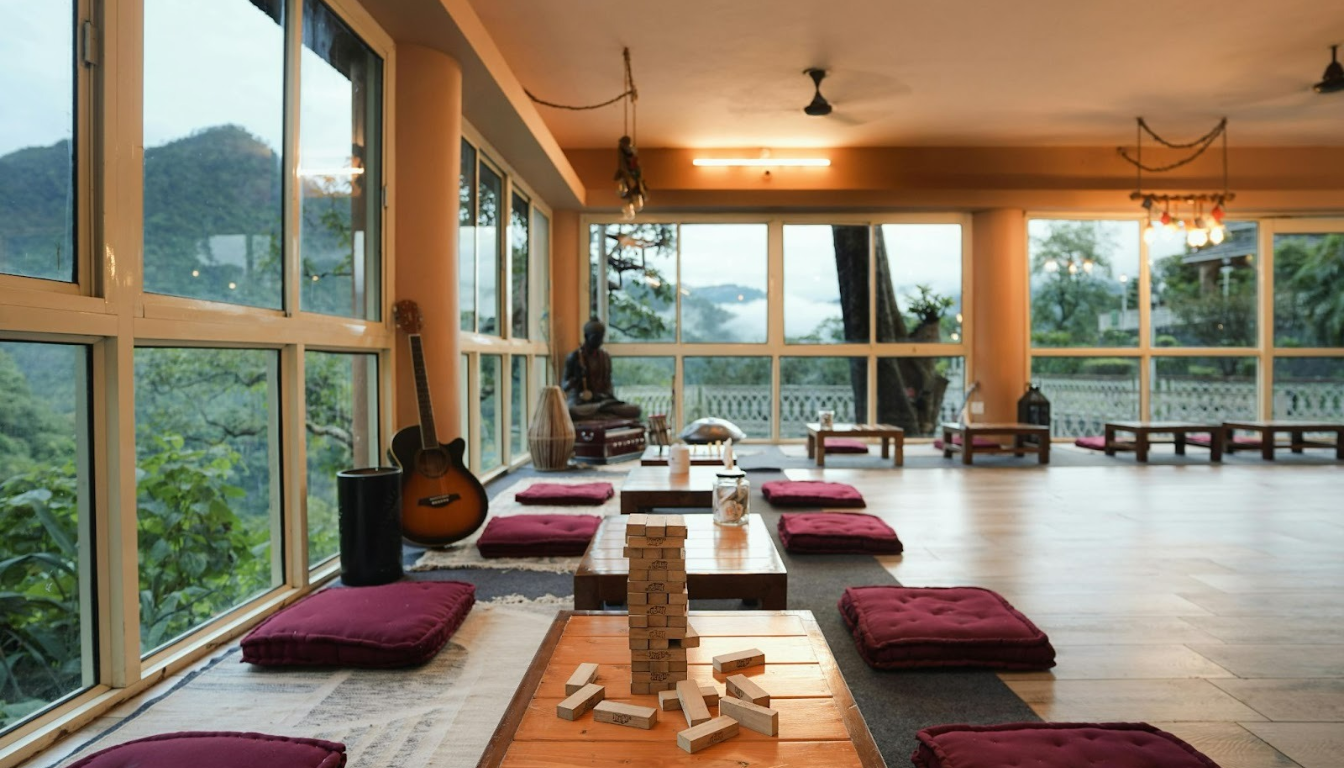
Retreat centers are purpose-built for group gatherings, often in scenic settings away from urban distractions. They provide meeting rooms, outdoor spaces, accommodations, and peaceful environments conducive to focus and connection. Ideal for multi-day events emphasizing deep work and relationship building.
Unique local spaces add character and conversation starters. Renovated warehouses, historic buildings, museums, theaters, breweries, or art galleries become part of the experience itself. These locations work particularly well for creative teams or events emphasizing innovation and fresh thinking.
Restaurants with private rooms suit smaller teams (10-30 people) perfectly. Built-in catering, intimate atmosphere, and straightforward logistics. Some offer packages including both space and coordinated activities.
Sports and recreation centers provide built-in activities—basketball courts, climbing walls, bowling alleys, or obstacle courses. The venue becomes both location and entertainment, simplifying planning while guaranteeing physical engagement.
Summary
Selecting team building venues requires balancing practical considerations with creating the right atmosphere for your objectives. Start with clarity on what you're trying to accomplish—trust-building, celebration, skills training, or relationship development. Match capacity to your actual space needs: 15-20 square feet per person seated, 25-30 for active activities. Decide between indoor predictability with climate control or outdoor energy with weather contingencies.
Essential features include adequate parking and accessibility, flexible layouts accommodating different session types, reliable technology infrastructure, and quality catering options. Budget realistically beyond base rental, accounting for service charges, AV equipment, facilitators, and 10-15% contingency funds. Site visits reveal what photos and reviews can't—actual lighting, acoustics, space flow, and staff responsiveness.
Whether choosing hotels for full-service convenience, retreat centers for scenic focus, unique local spaces for memorable character, or sports facilities for built-in activities, the right space amplifies your programming's impact. Great venues facilitate connection, minimize distractions, and create environments where people genuinely want to engage. Invest time in thoughtful selection and watch that investment pay dividends through more effective, memorable experiences.
FAQs
- What's the most important factor when choosing team building venues?

Alignment with your objectives trumps everything else. A venue perfect for high-energy celebration—spacious, loud-friendly, room for movement—fails miserably for trust-building that needs intimate, quiet spaces for deep conversation. Start by defining what you're trying to accomplish, then evaluate venues through that lens. Capacity, amenities, and budget all matter, but only after you've matched the venue type to your event goals. Small teams (10-30) need intimacy and character; mid-sized groups (30-75) benefit from flexible spaces supporting multiple activity stations; large groups (75+) require experienced crowd management and rotation-based programming.
- Should we choose indoor or outdoor team building venues?
Indoor venues provide reliability through climate control, privacy, and freedom from weather concerns. They're ideal for events requiring technology, extended presentations, or when unpredictable conditions could derail activities. Outdoor venues offer energizing fresh air, natural settings, and often lower costs, but demand weather contingency planning. The best approach? Secure a backup indoor location when planning outdoor events. Monitor forecasts 3-5 days out and establish clear pivot criteria. Many successful events use hybrid approaches—outdoor activities during ideal weather windows, indoor spaces for technology-dependent or weather-sensitive portions.
- How much does renting team building venues typically cost?
The budget varies dramatically by venue type and location. Hotels and conference centers charge $500 to $3,000 for meeting space (often waived if you meet $35-85 per person catering minimums). Unique standalone venues run $500-3,000 without catering requirements but offer more character. Parks and outdoor locations may be free or low-cost requiring only permits. Beyond base rental, budget for service charges and gratuity (20-25% of catering), AV equipment ($500-3,000), professional facilitators ($1,500-5,000), transportation, and always allocate 10-15% contingency funds for unexpected needs. Total per-person costs typically range $75-200 for day events.
- What amenities are essential in team building venues?
Adequate space tops the list: 15-20 square feet per person for seated activities, 25-30 for movement-based exercises. Reliable Wi-Fi supporting simultaneous usage by your entire group is non-negotiable for modern events. Quality AV equipment with on-site technical support prevents disasters. Flexible layouts that reconfigure for different session types throughout your event maximize versatility. Comfortable temperature control—crucial for maintaining engagement during long sessions. Adequate parking or easy transit access. Clean, sufficient restrooms. Break areas or lounges for informal networking. Quality catering options, whether in-house or outside vendors permitted. Natural lighting dramatically improves mood compared to fluorescent-only spaces.
You may also like


Stay Updated with Our Insights
Get exclusive content and valuable updates directly to you.