
Corporate Retreat Photography Guide: Capturing Moments That Matter


Professional photography transforms corporate retreats from fleeting experiences into lasting visual stories that extend value long after attendees return to daily work. This comprehensive corporate retreat photography guide helps you navigate photographer selection, shot list development, and strategic image use that amplifies your retreat investment. Quality corporate event photography serves multiple critical functions—documenting culture for recruitment marketing, creating social media content showcasing company values, preserving memories that reinforce team connections, and providing leadership with visual evidence of engagement and participation.
Yet many organizations treat retreat photography as an afterthought, assigning the task to whoever brings a decent camera or relying on smartphone snapshots that lack professional polish. This corporate retreat photography guide ensures you approach visual documentation with the same strategic thinking applied to other retreat elements. You'll learn to identify skilled photographers who understand corporate contexts, develop shot lists capturing both planned moments and spontaneous connections, and leverage resulting images across marketing channels, internal communications, and future recruitment efforts. From candid team interactions to polished group portraits, from action shots during activities to intimate leadership conversations, professional photography captures the full spectrum of experiences that make retreats transformative.
Key Takeaways
- Hire photographers with corporate event experience: Wedding or portrait photographers lack the skills to navigate business environments, capture authentic moments without disrupting sessions, or deliver the specific image types corporate contexts require
- Develop comprehensive shot lists before the retreat: Communicate must-have images including leadership moments, team activities, venue highlights, and candid interactions so photographers capture strategic priorities
- Balance posed and candid photography: Staged group shots serve specific purposes, but authentic candid moments showcase genuine team dynamics and culture more effectively for recruitment and social content
- Plan for multiple content formats: Request both high-resolution images for print materials and optimized files for social media, ensuring deliverables match your intended usage across channels
- Establish clear rights and usage terms: Secure unlimited internal usage rights, social media permissions, and multi-year licensing to maximize long-term value from your photography investment
Why Professional Photography Matters for Corporate Retreats
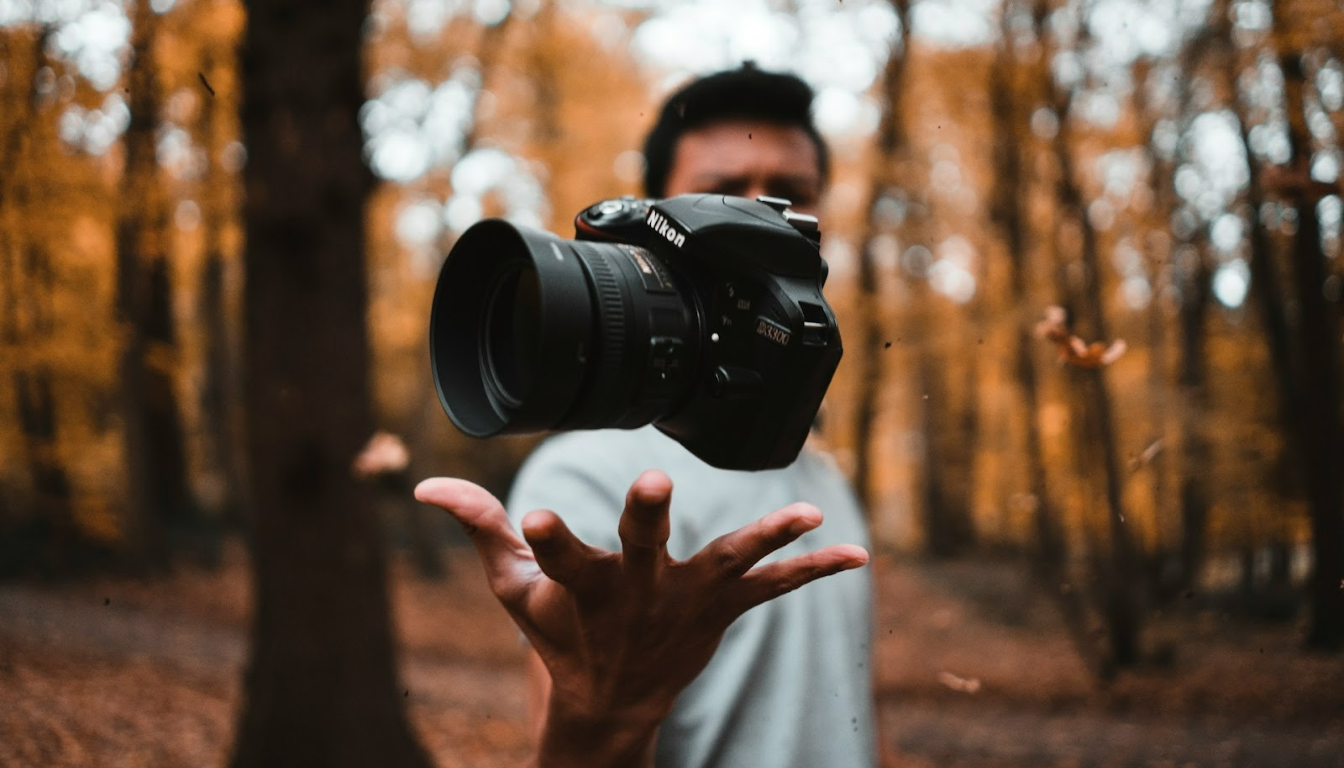
Corporate retreat photography extends retreat value far beyond the event itself. High-quality images become marketing assets for recruitment efforts, showcasing company culture to prospective employees evaluating workplace fit. They fuel social media content calendars with authentic behind-the-scenes glimpses of team dynamics. They populate annual reports, investor presentations, and websites with visual proof of organizational vitality and employee engagement.
Professional photography also serves internal purposes often overlooked in planning. Images remind participants of connections made and insights gained, reinforcing retreat lessons when shared in follow-up communications. They document participation for leadership review, providing visual evidence of engagement levels and activity success. They create belonging through shared visual memories—employees seeing themselves in company communications feel valued and represented.
The quality gap between professional and amateur photography is stark in corporate contexts. Professional photographers anticipate moments before they happen, positioning themselves for optimal angles. They manage challenging lighting conditions in varied venues—bright outdoor activities, dimly lit banquet halls, backlit presentations. They disappear into backgrounds, capturing authentic interactions without making subjects self-conscious. These skills transform documentation from simple record-keeping into strategic visual storytelling.
Essential Qualifications in a Corporate Retreat Photography Guide: Finding the Right Photographer
Finding the right photographer requires evaluating specific skills beyond general photography competence. This corporate retreat photography guide outlines critical qualifications ensuring photographers deliver results matching corporate standards and usage needs.
Corporate Event Photography Experience: Review portfolios specifically showcasing corporate events, conferences, or business gatherings rather than weddings or family portraits. Corporate photography requires different skills—capturing professional interactions authentically, navigating business casual dress codes for flattering portraits, understanding when to be invisible versus when to direct group shots, and delivering polished images suitable for business contexts.
Technical Proficiency Across Environments: Retreats span diverse settings—bright outdoor activities, indoor conference rooms with mixed lighting, evening social events with low light. Photographers must demonstrate capability across these conditions without sacrificing image quality. Request sample images from various lighting scenarios during portfolio reviews to verify technical range.
Fast Turnaround Capabilities: Corporate communications move quickly. Photographers should deliver preview galleries within 48 hours for social media teaser content and full edited galleries within 5-7 business days. Ask about their typical turnaround times and whether rush delivery incurs additional fees if you need images for immediate follow-up communications.
Professional Liability Insurance: Verify photographers carry general liability and professional indemnity insurance protecting your organization if equipment damages venue property or if promised deliverables fail to materialize. Request certificates of insurance before signing contracts, especially for high-value events.
Backup Equipment and Contingency Planning: Equipment failures happen. Professional photographers bring backup camera bodies, lenses, memory cards, and batteries, ensuring technical issues don't compromise coverage. Ask explicitly about their backup protocols and what happens if primary equipment fails mid-event.
What Questions Should You Ask Potential Photographers?
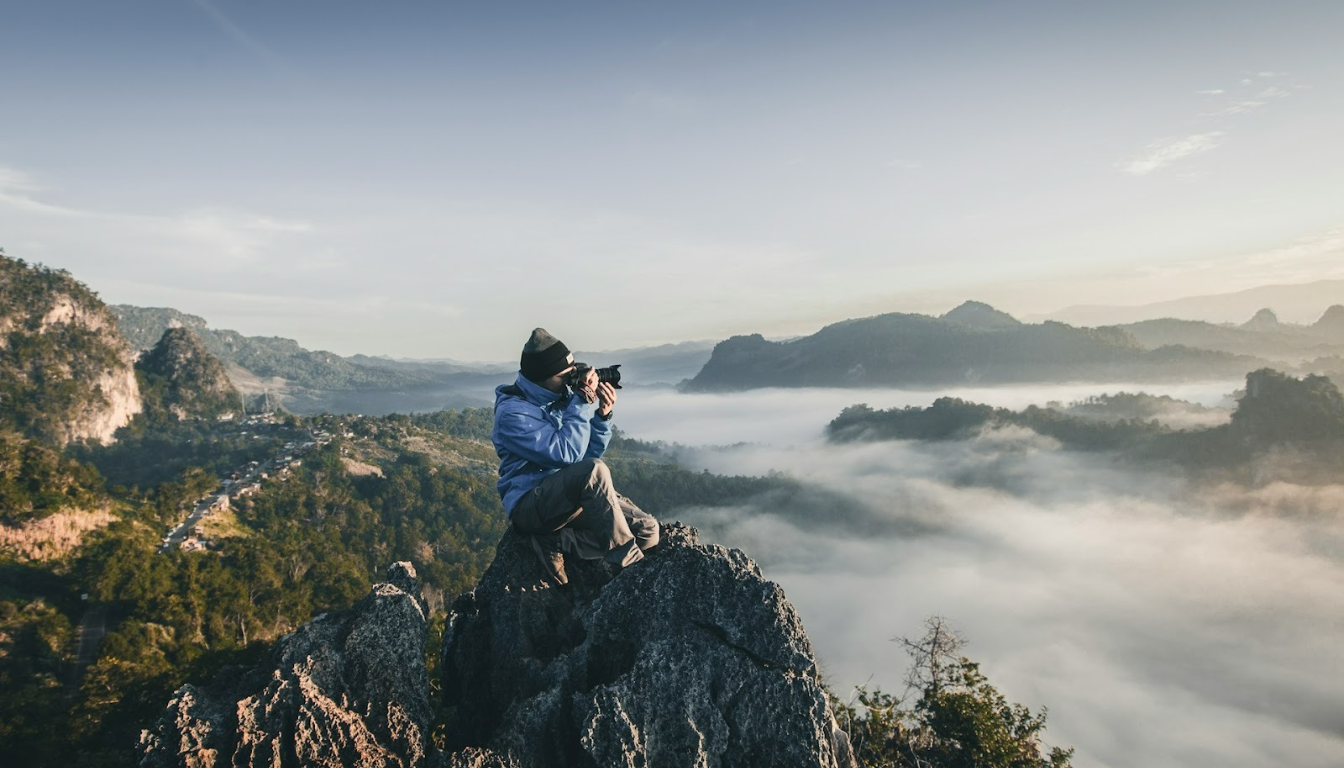
Effective photographer vetting requires asking specific questions that reveal the photographer's experience, approach, and compatibility with your retreat objectives. Use these questions to differentiate professionals from amateurs:
Experience and Expertise:
- How many corporate events have you photographed in the past year?
- Can you share examples of retreat or multi-day event coverage?
- What's your approach to capturing both planned and spontaneous moments?
- How do you remain unobtrusive during sessions while still capturing key moments?
Logistics and Deliverables:
- How many edited images should we expect per day of coverage?
- What's your standard turnaround time for preview galleries and final delivery?
- Do you provide both high-resolution and web-optimized versions?
- What file formats and delivery methods do you use?
Rights and Usage:
- What usage rights are included in your standard package?
- Can we use images for social media, websites, and marketing materials without restrictions?
- Do you retain copyright, and if so, what limitations does that place on our usage?
- Are there any time limits on how long we can use the images?
Pricing and Packages:
- What's included in your day rate, and what incurs additional costs?
- Do you charge for travel time, mileage, or accommodation for destination events?
- What's your policy on overtime if the retreat schedule runs long?
- Are there package discounts for multi-day coverage?
Essential Photo Categories Every Retreat Should Capture
Comprehensive corporate event photography coverage balances multiple image categories, each serving specific strategic purposes. Developing a detailed shot list ensures photographers capture the diversity needed for various post-retreat uses.
1. Candid Team Interactions: These authentic moments showcase genuine team dynamics—colleagues laughing during breaks, small groups in animated discussion, teammates helping each other during activities. Candid shots prove most valuable for recruitment marketing and social media because they feel real rather than staged. Request photographers spend significant time capturing natural interactions without directing subjects.
2. Leadership and Presenter Shots: Document executives presenting strategy, facilitators leading sessions, or keynote speakers delivering messages. These images serve internal communications, annual reports, and investor materials. Capture both wide shots showing entire rooms and tight shots focusing on speaker expressions and gestures. Include audience reaction shots showing engagement.
3. Activity and Team-Building Moments: Action shots during outdoor adventures, problem-solving challenges, creative workshops, or recreational activities capture the retreat's energy and participation. These dynamic images make excellent social content and demonstrate your organization's investment in team development. Request photographers capture both overview shots showing full group participation and detail shots highlighting individual engagement.
4. Venue and Environmental Shots: Document the retreat location—exterior building shots, room setups, dining areas, breakout spaces, and scenic surroundings. These images provide context for the experience and can be repurposed for future venue research or retreat promotion. Request both empty room shots showing setup details and occupied spaces demonstrating scale and atmosphere.
5. Formal Group Portraits: Gather entire retreat attendees, leadership teams, department groups, or project teams for organized portraits. These structured shots serve specific purposes like website team pages, organizational charts, or commemorative prints. Schedule portrait sessions early in the retreat when everyone looks fresh and engaged, ideally in good natural light.
6. Detail Shots: Capture branded materials, welcome signage, meal presentations, activity equipment, gift bags, decorations, or unique design elements. These detail shots round out visual storytelling by showing the thought and preparation invested in creating excellent experiences. They also document logistics for future planning reference.
7. Individual and Small Group Portraits: Professional headshots or small team portraits provide value for employees needing updated professional photos. Set up a designated portrait area with good lighting where individuals or small groups can briefly step away for quick sessions. These images serve LinkedIn profiles, internal directories, or marketing materials featuring specific team members.
Video Content: Should Your Retreat Include Videography?

Video content captures emotion through movement, preserves audio from powerful moments, and creates highly shareable social content. However, videography requires significant additional budget and post-production investment.
When to Invest in Video: Video makes strategic sense for significant content repurposing. A 2- to 3-minute highlight reel works excellently for recruitment marketing and social media campaigns. Interview clips with participants provide authentic testimonials about retreat impact. Time-lapse sequences of activities add visual interest to longer pieces.
Essential Video Deliverables: Request multiple formats optimized for different platforms. A 2- to 3-minute sizzle reel captures overall energy. Fifteen-second clips edited for Instagram Stories and TikTok maximize social shareability. Longer 5- to 7-minute documentaries work for internal town halls. Raw footage of presentations provides archival value.
Important Considerations: Dedicated videographers typically deliver better results than photographers offering both services, as video requires different technical skills. Ensure final deliverables include versions with and without music for maximum flexibility across platforms. Discuss music licensing upfront, as professional video requires licensed tracks to avoid copyright issues.
Creating an Effective Shot List and Photography Timeline
Detailed shot lists prevent missed opportunities and ensure photographers capture strategic priorities. Collaborate with photographers on realistic timelines accommodating both planned and spontaneous moments.
Before the Retreat: Share your retreat agenda highlighting critical moments requiring coverage—keynote presentations, team-building activities, award ceremonies, leadership remarks, or special performances. Mark sessions requiring wide coverage versus those needing selective documentation. Flag VIP attendees who should appear prominently in final galleries.
During the Retreat: Schedule a brief check-in with photographers each morning reviewing that day's priorities. Confirm any schedule changes impacting coverage. Alert them to impromptu moments worth capturing—surprise announcements, unplanned celebrations, or noteworthy interactions they might miss without inside knowledge.
Building in Flexibility: While shot lists provide structure, the best moments often happen spontaneously. Grant photographers freedom to follow authentic interactions rather than rigidly adhering to predetermined lists. Trust their professional judgment about when planned shots can wait if organic moments deserve immediate attention. Balance direction with autonomy for optimal results.
Shot List Template Structure: Organize shot lists by time blocks matching your agenda. For each session, note priority level (must-have, nice-to-have, optional), desired style (candid, posed, action), specific individuals to feature, and any special instructions. Share this document with photographers two weeks before the retreat allowing questions and clarifications.
Managing Privacy, Consent, and Image Rights
Professional corporate retreat photography practices require respecting attendee privacy while capturing valuable content. Navigate consent, usage rights, and privacy concerns proactively to avoid complications.
Obtaining Consent: Communicate photography plans during retreat registration. Include language in registration forms granting your organization rights to use images for internal communications, social media, marketing materials, and other business purposes. Allow opt-out options for individuals with privacy concerns or professional restrictions preventing public image usage.
Identifying Opt-Out Attendees: Provide colored lanyards or badges identifying participants who declined photo consent. Brief photographers on these visual cues before the retreat begins. While you cannot guarantee these individuals never appear in wide room shots, photographers can avoid featuring them prominently or in close-up images.
Social Media Tagging Policies: Establish clear policies about tagging employees in social posts. Some individuals consent to internal photo use but prefer not being tagged publicly on LinkedIn or Instagram. Implement approval workflows allowing employees to review and approve images before public posting when feasible, particularly for headshot-style portraits.
Client and Partner Considerations: If clients or external partners attend your retreat, obtain explicit consent before using their images in marketing materials. While internal usage typically falls under business relationship terms, external marketing requires additional permissions. Draft simple release forms for non-employee attendees signing during check-in.
International Privacy Regulations: GDPR and similar regulations in various jurisdictions impose specific requirements on image collection and usage. Consult legal counsel about compliance obligations if you employ international team members or operate globally. Document consent thoroughly and provide clear opt-out mechanisms meeting regulatory standards.
Post-Retreat: Maximizing the Value of Your Photography Investment
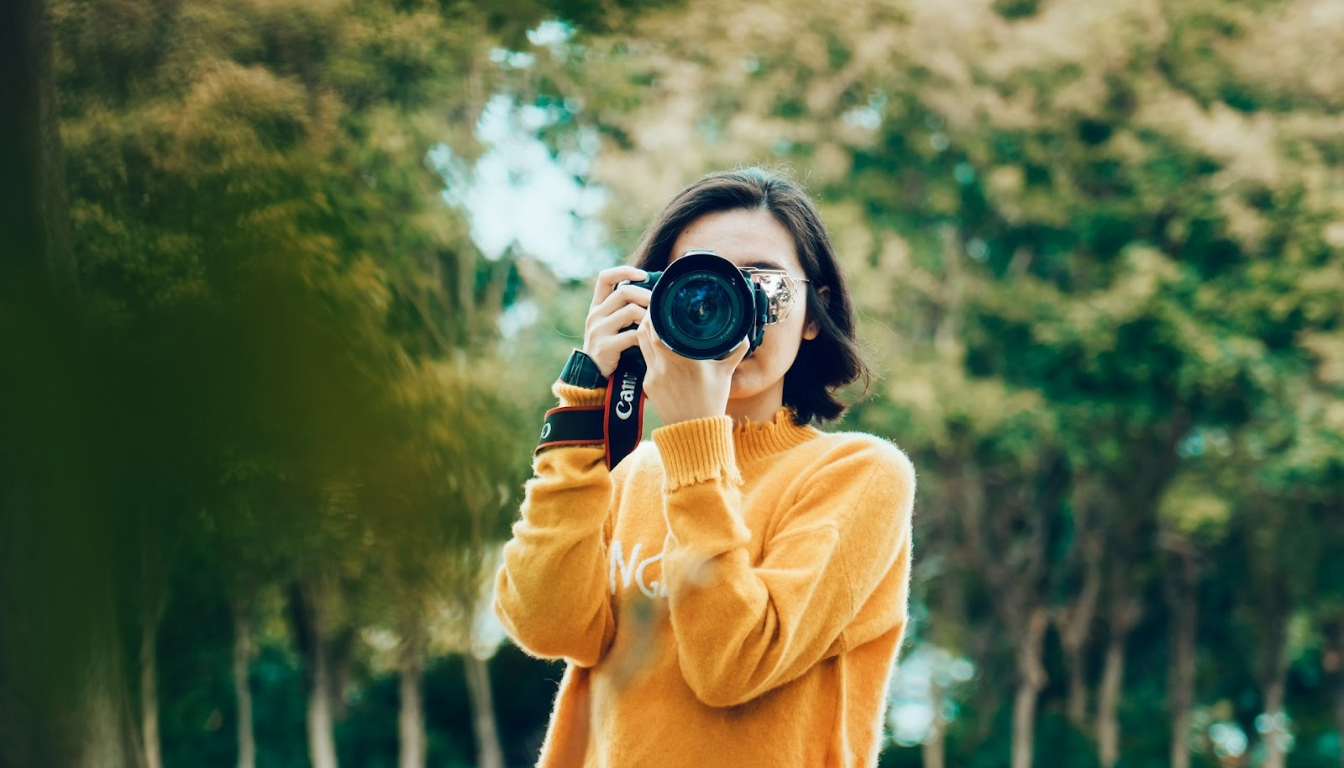
Professional photography delivers ongoing value when leveraged strategically across multiple channels and timeframes. Many organizations capture excellent images but underutilize them after initial social posts.
Immediate Post-Retreat Usage: Share preview galleries with attendees within 48 hours maintaining retreat momentum and excitement. Create social media teaser posts highlighting key moments and thanking participants. Send images to leadership for internal communications acknowledging team effort and celebrating success. These immediate uses keep retreat energy alive during the critical follow-up window.
Recruitment Marketing Applications: Update careers pages, job postings, and employer brand materials with authentic retreat images showing company culture. Create dedicated 'Life at [Company]' galleries on your website featuring retreat highlights alongside other cultural moments. Include retreat photos in recruitment email campaigns and candidate experience presentations demonstrating investment in employee development and team building.
Social Media Content Calendar: Retreat images fuel months of social content. Share throwback moments on work anniversaries of retreat attendees, highlight specific sessions when discussing company values, or feature team-building activities during recruitment campaigns. Space posts strategically rather than dumping all images immediately—extended posting maximizes visibility and engagement over time.
Internal Communications and Culture Building: Feature retreat photos in newsletters, intranet posts, or office digital displays reinforcing cultural messages and shared experiences. Create printed collages or photo books for common areas preserving memories and sparking conversations among participants. Anniversary communications referencing retreat moments maintain long-term connection to insights and commitments made during the event.
Future Planning and Benchmarking: Review retreat photos during next year's planning identifying what worked well and what needs improvement. Environmental shots help recall venue layouts and setup configurations. Activity photos remind planning teams which exercises generated strong engagement versus those falling flat, providing visual reference for improving future retreat design. Use this visual reference to improve future retreat design.
Budget Considerations and Pricing Expectations
Understanding photography pricing helps you budget appropriately and evaluate proposals fairly. Rates vary based on photographer experience, deliverable scope, and geographic market.
Day Rate Expectations: Corporate event photographers typically charge $1,500-$4,000 per full day (8-10 hours), covering shooting time, basic editing, and digital delivery of 50-100 edited photos. Premium photographers with extensive corporate portfolios command higher rates but deliver consistently excellent results.
Multi-Day Retreat Pricing: Most photographers offer 10-20% discounts for multi-day coverage compared to separate day rates. However, destination retreats incur additional costs for travel time, accommodation, meals, and mileage. Clarify whether these expenses are included in quotes to avoid budget surprises.
What Affects Pricing: Rush delivery within 24-48 hours typically adds 25-50% premiums. Additional editing beyond standard color correction costs extra. Multiple photographers for simultaneous session coverage doubles personnel costs. Video production adds significant expenses through equipment and post-production.
Rights and Licensing Costs: Some photographers charge separately for extended usage rights beyond basic internal use. Commercial marketing rights, unlimited time periods, or third-party rights transfers may incur licensing fees. Discuss rights explicitly during negotiations, securing comprehensive usage permissions upfront rather than discovering limitations when planning marketing campaigns.
Budget vs. Premium Trade-offs: Lower-cost photographers may deliver acceptable results for small internal retreats but lack experience handling complex lighting, large groups, or fast-paced action. Premium photographers provide peace of mind through proven track records, professional backup systems, and consistent quality. For significant retreats with important communications objectives, premium investment justifies itself through superior deliverables.
Alternative and Supplementary Photography Solutions
Beyond hiring professional photographers, several alternative or supplementary approaches capture retreat moments while managing costs or adding participant engagement.
Hybrid Professional and Participant Photography: Hire professionals for critical sessions—keynotes, formal portraits, major activities—while encouraging participant smartphone photography for casual moments. Create designated retreat hashtags aggregating participant photos into shared albums. This hybrid approach balances professional quality for important images with authentic participant perspectives and broader coverage of informal moments.
Photo Booth Installations: Portable photo booth setups with props and branded backdrops create fun interactive experiences while generating shareable content. Modern digital booths instantly share images to social media or email, increasing engagement and visibility. These complement rather than replace professional photography, serving entertainment and social content generation simultaneously.
Time-Lapse and 360-Degree Cameras: Fixed time-lapse cameras document entire days condensed into brief videos showing energy and participation patterns. 360-degree cameras capture immersive perspectives during activities allowing virtual participation for absent team members. These technologies supplement traditional photography with unique content formats particularly engaging for social media.
Employee Photography Volunteers: Designate photography enthusiasts within your organization as volunteer photographers receiving basic shot list guidance. While results lack professional polish, employee photographers capture insider perspectives and reduce costs. Provide these volunteers release from full session attendance allowing them to roam and capture moments. Consider offering photography workshops before the retreat improving their technical skills.
Post-Production AI Enhancement: Modern AI tools can enhance smartphone or amateur photography improving color balance, exposure, and composition. While not replacing professional photography for critical images, these tools elevate participant-captured content for social sharing. Consider providing employees with recommended apps or simple tutorials maximizing the quality of their candid shots.
Summary
Professional corporate retreat photography transforms retreat experiences into lasting visual assets for recruitment marketing, social media, and internal communications. Success requires hiring experienced professionals who understand corporate contexts, deliver fast turnarounds, and provide comprehensive usage rights. Balance candid interactions with formal portraits, activity shots with venue images, and planned moments with spontaneous captures that showcase authentic team dynamics.
Strategic planning through detailed shot lists, proactive privacy consent management, and post-retreat image utilization across multiple channels maximizes your photography investment. This corporate retreat photography guide provides frameworks for photographer selection, coverage planning, and leveraging images to amplify retreat value long after the event concludes.
FAQs
- How many photographers do I need for a corporate retreat?

The number depends on retreat size, simultaneous session counts, and coverage priorities. For retreats under 50 people with single-track programming, one photographer typically provides adequate coverage. For 50-150 attendees with occasional parallel sessions, one photographer works but may miss some moments—two photographers ensure comprehensive coverage. Large retreats exceeding 150 participants or featuring multiple simultaneous breakout sessions warrant two or more photographers preventing coverage gaps. If the budget allows only one photographer for large events, provide detailed priorities so they focus on must-have moments.
- When should I book a retreat photographer?
Book photographers 2-3 months before your retreat date, particularly for weekend retreats or popular seasons when photographers maintain full calendars. Premium photographers specializing in corporate events book earliest due to limited availability. For destination retreats requiring travel, even earlier booking (3-4 months) allows photographers to arrange logistics. Last-minute bookings within 2-4 weeks may limit options to less experienced photographers or incur rush fees from available professionals.
- What should be included in a photography contract?
Comprehensive contracts specify coverage dates and times, deliverable quantities and formats, turnaround timelines, usage rights and licensing terms, cancellation policies from both parties, payment schedules and amounts, backup photographer provisions if primary photographer becomes unavailable, insurance requirements, and travel expense handling. Clear contracts prevent misunderstandings and establish recourse if deliverables don't meet expectations. Review contracts carefully before signing, clarifying ambiguous language and ensuring all verbal agreements appear in writing.
- Can we use retreat photos indefinitely for marketing?
Usage rights depend entirely on contract terms negotiated with photographers. Many corporate photography contracts grant unlimited internal usage rights and social media permissions without time restrictions. However, external marketing usage—billboards, paid advertising, commercial publications—may require additional licensing fees or be time-limited. Some photographers retain copyright while granting usage licenses; others transfer full rights for higher fees. Discuss intended uses during negotiations, securing comprehensive permissions covering all anticipated applications to avoid future licensing complications or additional costs.
You may also like


Stay Updated with Our Insights
Get exclusive content and valuable updates directly to you.