
World Cup 2026 Hotel Booking Strategy for Corporate Events

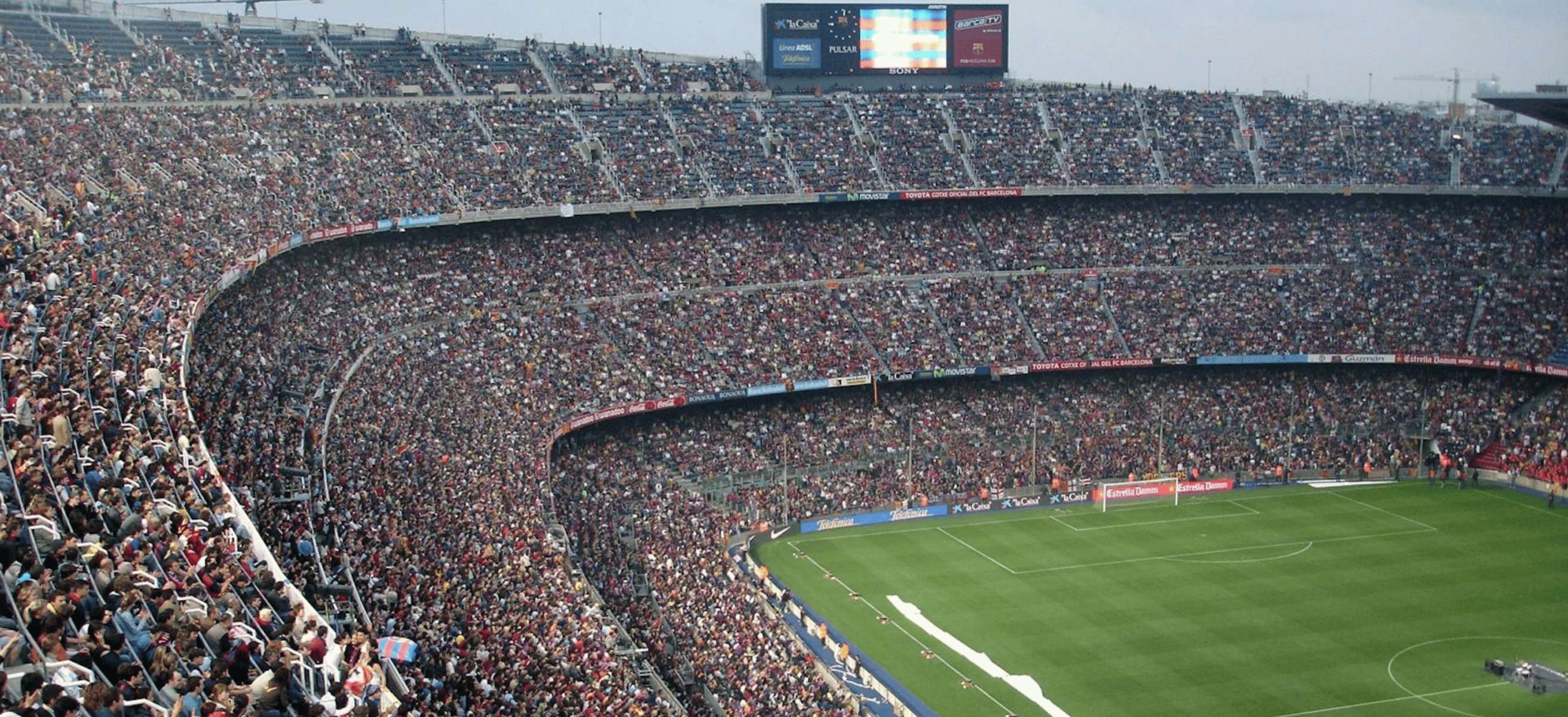
You just realized your company retreat, annual conference, or team offsite falls smack in the middle of World Cup 2026. You pull up your favorite booking site, search for hotels in your target city, and... nothing. Or worse, the few available rooms are priced like Manhattan penthouses.
Welcome to the World Cup hotel apocalypse.
From June 11 to July 19, 2026, the FIFA World Cup transforms 16 cities across the United States, Canada, and Mexico into international epicenters. We're talking 104 matches, 48 teams, millions of fans, and the single largest sporting event North America has ever hosted. And every single one of those fans needs somewhere to sleep.
Here's what nobody tells you about World Cup hotels: it's not just match days that get crushed. Hotels book solid for weeks before and after games as fans arrive early, stay late, and use host cities as base camps for regional travel. If your event falls anywhere near a World Cup city during this window, you're competing with the entire planet for rooms.
But before you panic and reschedule everything, let's talk strategy. You have options—you just need to know where to look and what you're willing to compromise.
Key Takeaways
- World Cup hotels in 16 North American host cities will face unprecedented demand from June-July 2026, with rooms booking 12-18 months in advance
- Consider alternative locations 50-100 miles from host cities where hotel availability remains strong and prices stay reasonable
- Flexible dates provide the biggest advantage—shifting your event by even one week can transform availability from impossible to manageable
- Professional planning teams have insider access to room blocks, backup venues, and negotiation leverage individuals cannot match
- Be prepared to compromise on hotel tier, amenities, or location if your dates and city are absolutely non-negotiable
Understanding the World Cup Hotel Crisis

The 2026 World Cup expects 5-6 million attendees across North America—nearly double the 3.4 million who attended Brazil 2014. Host cities include major metros like New York/New Jersey, Los Angeles, Dallas, Miami, and Toronto, plus mid-sized markets like Kansas City and Seattle where hotel inventory wasn't built for this surge.
During the 2022 World Cup in Qatar, hotels hit 95-100% occupancy for weeks. Prices tripled. Fans camped in airports. North American host cities aren't adding thousands of rooms—they're working with existing inventory.
The ripple effect extends beyond host cities. Regional hubs within 2-3 hours will see spillover demand as fans seek cheaper options and day-trip to games.
If you're planning corporate events for Summer 2026, this isn't background noise—it's your primary constraint.
Strategy 1: Consider Different Locations
Your first move? Geographic flexibility.
If your target was a host city, widen your radius. A corporate retreat 90 miles from Dallas delivers the same outcomes as one downtown—without competing with thousands of soccer fans.
Cities with strong hotel infrastructure that aren't hosting matches:
- Portland, Oregon (Seattle hosts)
- San Antonio, Texas (Houston and Dallas host)
- Phoenix, Arizona (no matches scheduled)
- Nashville, Tennessee (Atlanta hosts)
- Indianapolis, Indiana (Kansas City hosts)
These markets offer excellent venues, full availability, and normal pricing during World Cup weeks.
For international corporations, consider Canadian cities away from Toronto and Vancouver. Montreal, Calgary, and Ottawa offer world-class facilities without World Cup constraints. Same for Mexican cities outside Guadalajara, Monterrey, and Mexico City.
The psychological shift matters. Instead of fighting for scraps, you're booking preferred properties with negotiating leverage.
Even if you need proximity to a host city, push to 50-100 miles. Suburban markets and regional hubs maintain availability while keeping you within day-trip distance.
Strategy 2: Shift Your Dates
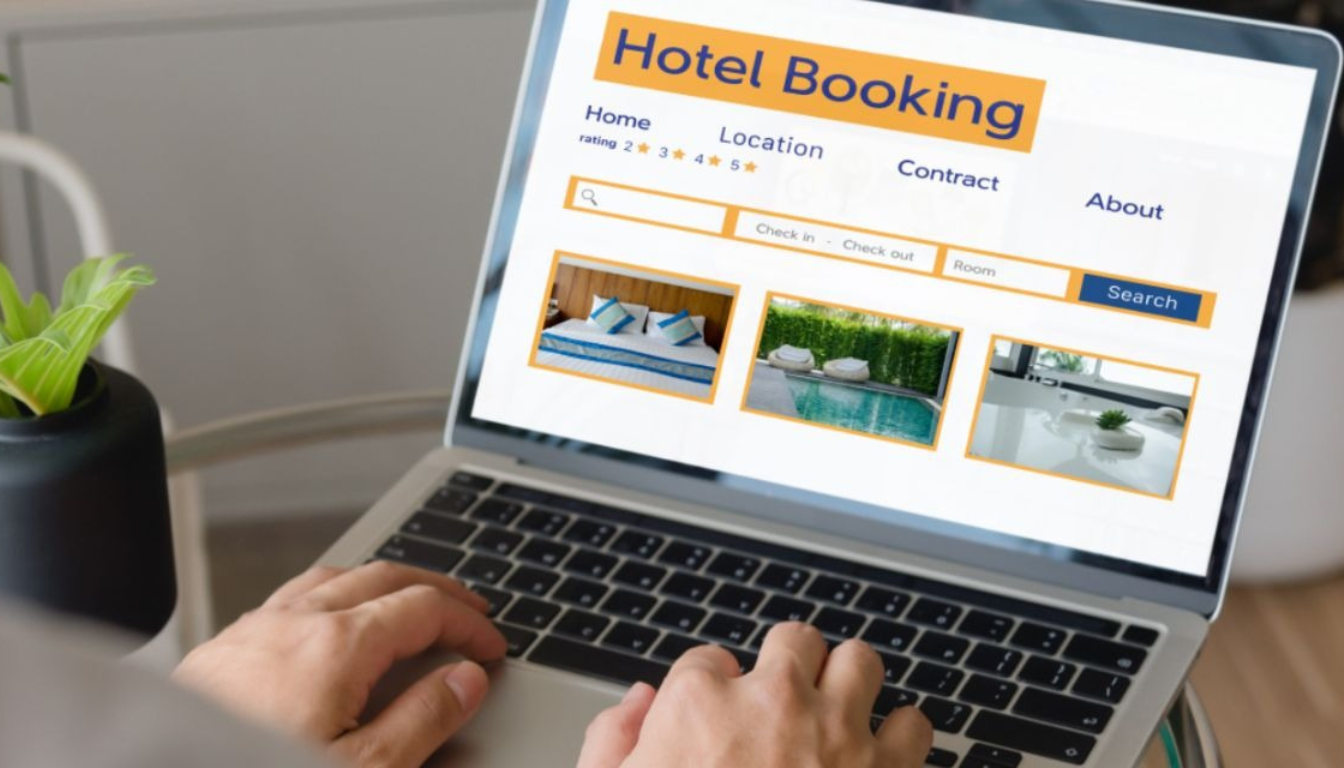
Flexibility with timing might be your most powerful weapon against World Cup hotel scarcity.
The tournament runs June 11-July 19, 2026, but constraints extend beyond match days. Here's the reality of World Cup booking patterns:
Fans arrive 3-5 days before their team's first match. They stay through group stages, then extend if their team advances. Host cities see sustained occupancy from early June through late July, with specific pressure spikes around knockout rounds.
But look at the calendar differently. Late May 2026? Hotels wide open. Early August 2026? Back to normal inventory. Shifting your event by just two weeks—from mid-June to late May or early August—can completely transform your options.
If you absolutely need summer dates, analyze the match schedule for your target city. Cities hosting group stage matches in mid-June might see relief by early July when matches shift to knockout venues. The World Cup concentrates in fewer cities as rounds progress—meaning some early host cities quiet down after June 26.
Consider these timing alternatives:
Early Summer (Late May): Book Memorial Day week or the week immediately after. You'll catch tail-end spring rates before World Cup premiums kick in.
Tournament Gaps: Some cities host matches in week 1, then go quiet until week 3. Study the fixture schedule and find these windows.
Post-Tournament (Late July/August): Hotels will be desperate for bookings after the World Cup exodus. Expect deals, availability, and venues eager to fill calendar gaps.
Your internal stakeholders might resist date changes, but here's the pitch: shifting two weeks saves $50,000+ in hotel costs alone, eliminates booking stress, and delivers better venue options. That math usually wins.
Strategy 3: Work with Professional Planning Teams
This is where most people stumble: trying to navigate World Cup hotel chaos solo.
Professional event planning teams—whether internal corporate groups or external agencies like Offsite—bring three critical advantages during crisis booking periods:
Relationships and Access
Established planners maintain direct relationships with hotel sales teams across multiple markets. When you call the Marriott, you get the general reservations line. When your planner calls, they reach the group sales director who controls block inventory.
These relationships unlock rooms that never hit public booking sites. Hotels hold back inventory for preferred partners and group bookings. Your planner accesses this hidden supply while you're staring at "no availability" online.
Negotiating Leverage
Planning teams bring volume. They book hundreds of room nights annually across portfolio properties. That creates leverage during negotiations—leverage you don't have booking 20 rooms once.
During high-demand periods like World Cup 2026, this leverage matters even more. Your planner can negotiate locked rates, flexible cancellation terms, and room blocks that protect you from last-minute price surges. Individual bookers accept whatever rates hotels post. Planners negotiate.
Market Intelligence
Professional teams track availability across markets in real-time. They know which secondary cities still have inventory, which properties are holding blocks for corporate groups, and where emerging availability appears as other events cancel or shift dates.
When World Cup hotels in your first-choice city are crushed, your planner already has three backup markets researched with availability confirmed and preliminary pricing locked. They're two steps ahead because this is their job, not yours.
Crisis Management
Something will go wrong. A hotel oversells, a venue cancels, or your room block shrinks. Professional planners have backup plans and relationships to solve problems you can't even anticipate. During World Cup 2026, when every hotel operates at capacity, this crisis management capability becomes essential.
The cost of professional planning—whether internal resources or external agencies—is a fraction of what you'll waste on inflated rates, poor venue choices, or having to cancel because you can't secure accommodations.
Strategy 4: Compromise on Hotel and Venue Options
If your dates and city are absolutely non-negotiable, you need to adjust expectations about where you'll stay.
The Four Seasons in downtown Los Angeles during World Cup 2026? Forget it. But a solid Hilton Garden Inn in Pasadena with great meeting space and shuttle access? Still possible if you move fast.
Here's your compromise framework:
Tier Down on Brand
Your team doesn't need luxury properties to have productive meetings. Mid-tier brands (Courtyard, Hilton Garden Inn, Hyatt Place) offer excellent meeting facilities, reliable service, and professional environments—often at properties newer than aging downtown luxury hotels.
During World Cup constraints, these properties become your targets. They fill last because corporate travelers and event planners typically book up-tier. That gives you a window.
Move to Suburbs
Downtown hotels get crushed first. Suburban properties 15-20 minutes from city center maintain availability longer. Yes, you'll need ground transportation. But you'll actually have rooms.
Airport hotels particularly merit consideration. They're built for group business, have extensive meeting space, and aren't typically first choice for leisure World Cup travelers who want to be downtown. Your team won't care that they're near LAX instead of Hollywood—they're there to work.
Embrace Alternative Venues
Hotels aren't your only option. Conference centers, university facilities, and dedicated retreat properties often maintain availability because they're off most people's radar for World Cup hotel searches.
University conference centers (think business school facilities at major universities) offer excellent meeting infrastructure, on-campus lodging, and campus amenities. They typically don't show up in standard hotel searches, meaning less competition.
Retreat centers and conference facilities designed specifically for corporate groups operate outside traditional hotel booking channels entirely. Your planning team can access this inventory while everyone else fights over Marriott rooms.
Split Your Group
If you need 50 rooms and no single property has availability, consider splitting across two nearby hotels. It's not ideal, but it's better than canceling. Coordinate a central meeting venue and shuttle both groups.
Many successful World Cup-period events use a "hub and spoke" model: primary hotel for meeting space and half the group, secondary property nearby for overflow, with coordinated transportation.
Lock It Now
Whatever compromise you make, move immediately. World Cup hotels are booking 12-18 months ahead. Properties with availability today will fill tomorrow. The time to secure your compromise option is now, not when you've exhausted every alternative.
What Happens If You Wait
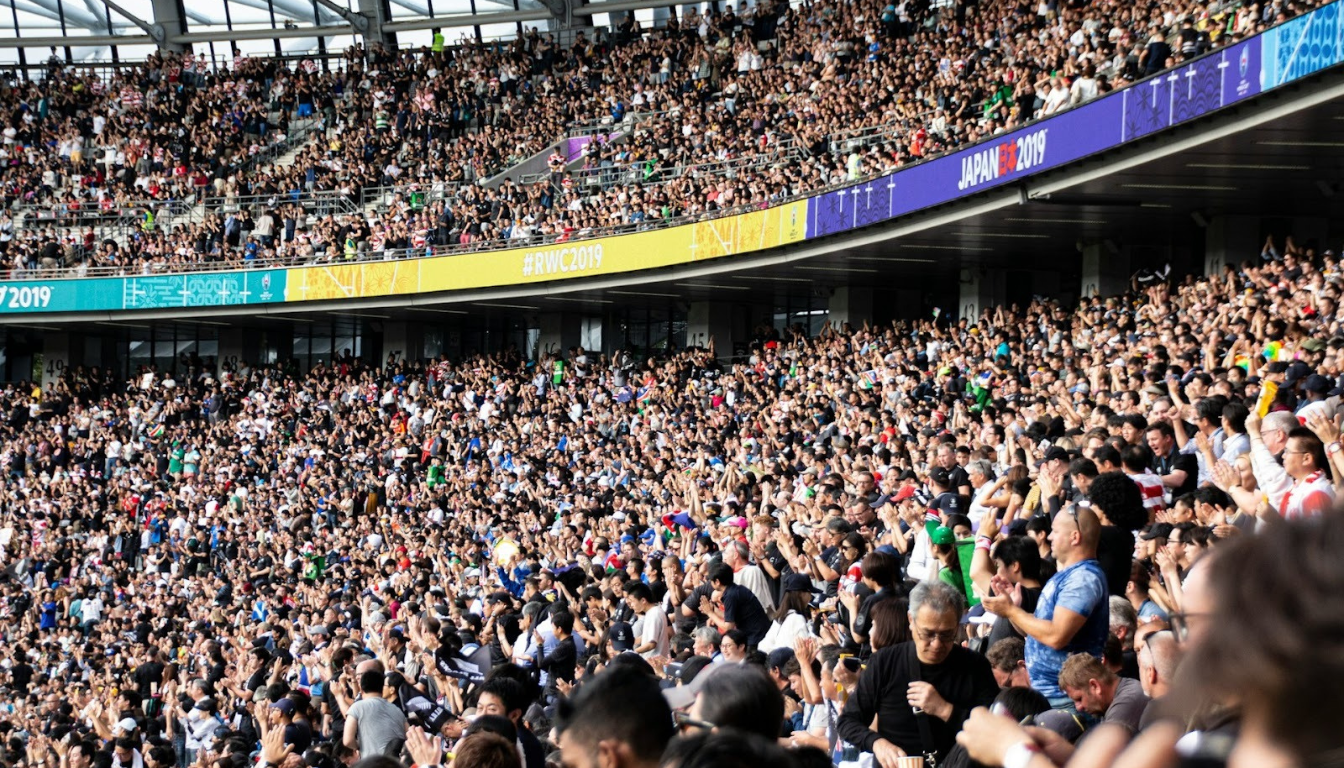
As of early 2026, major properties in host cities are already 70-90% booked for June-July. By March 2026, inventory will be nearly gone. Prices will hit 200-300% of normal rates.
If you're planning a June or July 2026 event in a host city and haven't started searching yet, you're already late.
The longer you wait, the more you compromise. Wait until April 2026, and you're taking whatever scraps remain at whatever price hotels demand.
Act now: lock availability before prices spike, secure flexible terms while hotels compete for business, and select from full inventory rather than leftovers.
World Cup Hotels 2026: Final Recommendations
The 2026 FIFA World Cup creates unprecedented hotel pressure across 16 North American host cities, transforming June-July into the most competitive booking period in hospitality history. Properties will fill 12-18 months in advance, with prices doubling or tripling and availability evaporating in primary markets. Your response strategy combines geographic flexibility to avoid crushed host cities, date flexibility to shift outside peak windows, professional planning partnerships that unlock hidden inventory, and willingness to compromise on hotel tier when dates and cities are non-negotiable. Organizations that successfully navigate 2026 constraints act decisively now, adjust expectations realistically, and deploy professional expertise strategically. Whether your event shifts to Portland instead of Seattle, moves to late May, or lands at a suburban property instead of downtown luxury, what matters is that it happens—the worst outcome isn't compromise, it's cancellation because you waited too long.
FAQs
- When should I book World Cup hotels for corporate events?

Book immediately if your event falls between June-July 2026 in or near host cities. Properties are already 70-90% sold for peak World Cup dates, and remaining inventory will disappear within 3-6 months. For the best selection and rates, secure venues 12-18 months ahead. Even if you're considering date or location changes, hold tentative space now while you evaluate options—waiting costs you leverage.
- Which cities will have the worst hotel availability?
New York/New Jersey, Los Angeles, and Mexico City face the most severe constraints due to hosting multiple matches including finals. Miami, Dallas, and Toronto also see intense pressure. Mid-sized host cities like Kansas City and Seattle will be completely overwhelmed relative to their normal capacity. Expect 95-100% occupancy across all host cities during tournament weeks.
- Can I find deals if I'm flexible?
Yes, but only with significant compromise. Secondary markets 50-100+ miles from host cities will maintain reasonable rates. Dates in late May (pre-tournament) or early August (post-tournament) return to normal pricing. Lower-tier hotel brands and suburban properties also offer better value than downtown luxury hotels. Professional planners can identify these opportunities, but "deals" are relative—expect rates 20-40% above normal summer pricing even in secondary markets.
- How far outside host cities should I look for available hotels?
Target 50-100 miles from host city centers for meaningful availability during World Cup weeks. Within 25 miles, you're still competing with fan overflow. Beyond 100 miles, you're far enough that city proximity loses value. Sweet spot cities include regional hubs with their own hotel infrastructure (San Antonio near Houston/Dallas, Portland near Seattle, Indianapolis near Kansas City) where corporate groups can book normally while World Cup activity stays concentrated in host metros.
You may also like


Stay Updated with Our Insights
Get exclusive content and valuable updates directly to you.