
High-End Corporate Events: How to Deliver a Premium Experience Without the Waste

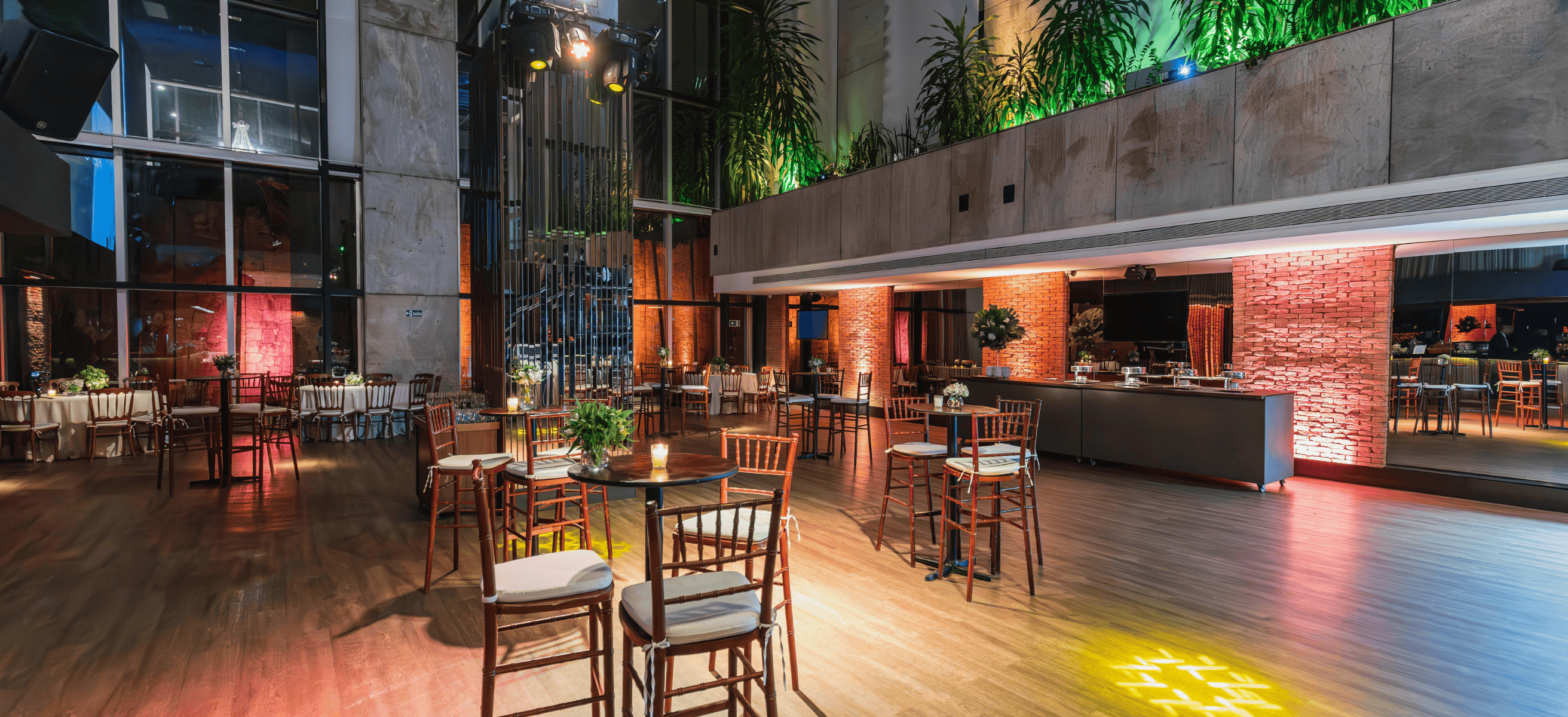
The defining quality of truly high-end corporate events is not how much they cost — it is how precisely every element of the experience has been chosen to serve the people in the room. The events that earn a reputation for excellence are not the ones with the largest floral budgets or the most elaborate AV setups; they are the ones where attendees feel genuinely considered, where every transition is seamless, where the environment amplifies the purpose rather than distracting from it, and where nothing feels wasted — not a dollar, not a minute, not an opportunity to create a meaningful moment. In a landscape where corporate event budgets face increasing scrutiny, the ability to design experiences that feel unmistakably premium while eliminating the spend that serves appearances rather than outcomes is the highest-leverage skill an event planner or executive team can develop. This guide breaks down exactly how to do that — from venue philosophy to hospitality detail, from programming architecture to the post-event signals that determine whether attendees leave as advocates or simply as alumni.
Key Takeaways
- High-end corporate events are defined by precision and intention — not by volume of spend or scale of spectacle.
- The highest-value investments in premium event design are venue exclusivity, facilitation quality, and hospitality personalization.
- Waste in luxury event planning most commonly appears in generic décor, unused catering, and programming that fills time without serving a purpose.
- Attendee pre-profiling — knowing who is in the room and designing for them specifically — is what separates genuinely premium events from expensive generic ones.
- A single signature experience, executed flawlessly, generates more attendee impact than ten good-but-generic program elements.
- Post-event follow-through is a direct extension of event quality; how you close the loop reflects the same standard as how you opened it.
What Actually Makes a Corporate Event Feel High-End

Before a dollar of high-end corporate event budget is committed, leadership teams and planners need a clear answer to a deceptively simple question: what does premium feel like to the specific people attending this event? The answer varies more than most planners expect. For a group of senior executives who attend luxury events regularly, premium means privacy, exclusivity, and the absence of friction — not grandeur. For a high-performing sales team being celebrated for a record-breaking year, premium means recognition, access to experiences they would not create for themselves, and a clear signal that the organization sees their contribution. For a leadership team in a high-stakes strategy retreat, premium means an environment that enables their best thinking — not one that merely impresses on first arrival.
The mistake that generates the most waste in high-end corporate event budgets is applying a generic luxury template regardless of audience. Expensive wine pairings for a predominantly non-drinking group, elaborate floral centerpieces in a room where no one sits for a meal, or a celebrity keynote speaker whose expertise is tangential to the event's purpose — these are examples of high spend that produces low resonance. Premium is not a category of expense; it is a quality of fit between what is provided and what is genuinely valued by the people receiving it.
The Premium Venue Decision: Where to Invest and Where to Resist
Venue selection is the most visible and emotionally loaded decision in high-end corporate event planning — and the area where misaligned spending is most common. The instinct is to select the most prestigious property available within budget. The discipline is to select the property that best serves the event's purpose and audience, and to invest accordingly.
Invest in Exclusivity Over Brand Name
An exclusive-use property — one that your organization occupies entirely, without other guests, other events, or shared public spaces — consistently outperforms a branded luxury hotel for executive retreats and intimate high-stakes events. Exclusivity removes the ambient distractions that premium hotel environments introduce: the lobby foot traffic, the adjacent conference events, the public dining spaces that fragment group cohesion. For truly high-end corporate events, the property does not need a famous name; it needs to belong entirely to your group for the duration of the event.
Prioritize the Room Where the Work Happens
The most important room in any corporate event is the primary meeting or session space — not the lobby, not the guest suites, not the outdoor area photographed for the proposal. A planner allocating a premium budget should ask first: is this room extraordinary for its specific purpose? Natural light, acoustic quality, comfortable seating for the event's duration, clean sightlines, and a physical configuration that supports the intended programming dynamic — these are the features that determine whether attendees spend the day energized or drained. A spectacular venue with a mediocre meeting room is not a high-end corporate event; it is an expensive photoshoot with an underwhelming working day at its center.
Resist Generic Luxury Add-Ons
Luxury venue packages routinely include add-ons — upgraded linens, standard floral arrangements, branded water bottles, generic welcome amenities — that inflate the invoice without meaningfully improving the attendee experience. Declining these package items and redirecting that budget toward two or three genuinely distinctive moments generates far stronger impact. One locally sourced welcome gift chosen specifically for the audience, one unexpected venue detail that reflects knowledge of the group, one environmental design choice that signals the event was made for these people specifically — these are the investments that attendees remember.
Hospitality Design: The Details That Define Premium

In high-end corporate events, the hospitality layer — the accumulated texture of how attendees are made to feel across every interaction — is what separates a well-run event from a genuinely exceptional one. These details are rarely expensive. They are almost always the product of attentiveness and preparation.
- Pre-event attendee profiling: Collect relevant information about every attendee before the event — dietary preferences and restrictions, room configuration preferences for working sessions, any known personal context that would allow the planning team to anticipate needs. A senior leader who has recently completed a significant personal milestone, a team member attending their first executive event, an overseas guest with a tight onward connection — acknowledging these realities in the design of the experience signals the kind of care that defines genuine premium hospitality.
- Arrival experience architecture: The first 15 minutes of any event sets the experiential register for everything that follows. Design the arrival sequence with the same precision as the main program: who greets attendees, what they see first, what they receive, what they hear, and what their first conversation is guided toward. High-end corporate events do not leave this window to chance.
- Personalized touchpoints, not generic branded collateral: A handwritten note referencing something specific about the recipient costs less than a printed welcome booklet and generates disproportionately more goodwill. Personal acknowledgment at scale — even for groups of 50 or more — is achievable with a small, dedicated planning team and a commitment to treating attendees as individuals rather than headcount.
- Service choreography over service volume: Premium hospitality is not about the number of staff or the frequency of service moments — it is about the timing, the invisibility, and the seamlessness of each one. A single highly capable event coordinator who anticipates needs before they are expressed creates a more premium experience than a large service team executing a scripted checklist.
Programming Architecture: How Luxury Events Create Lasting Impact
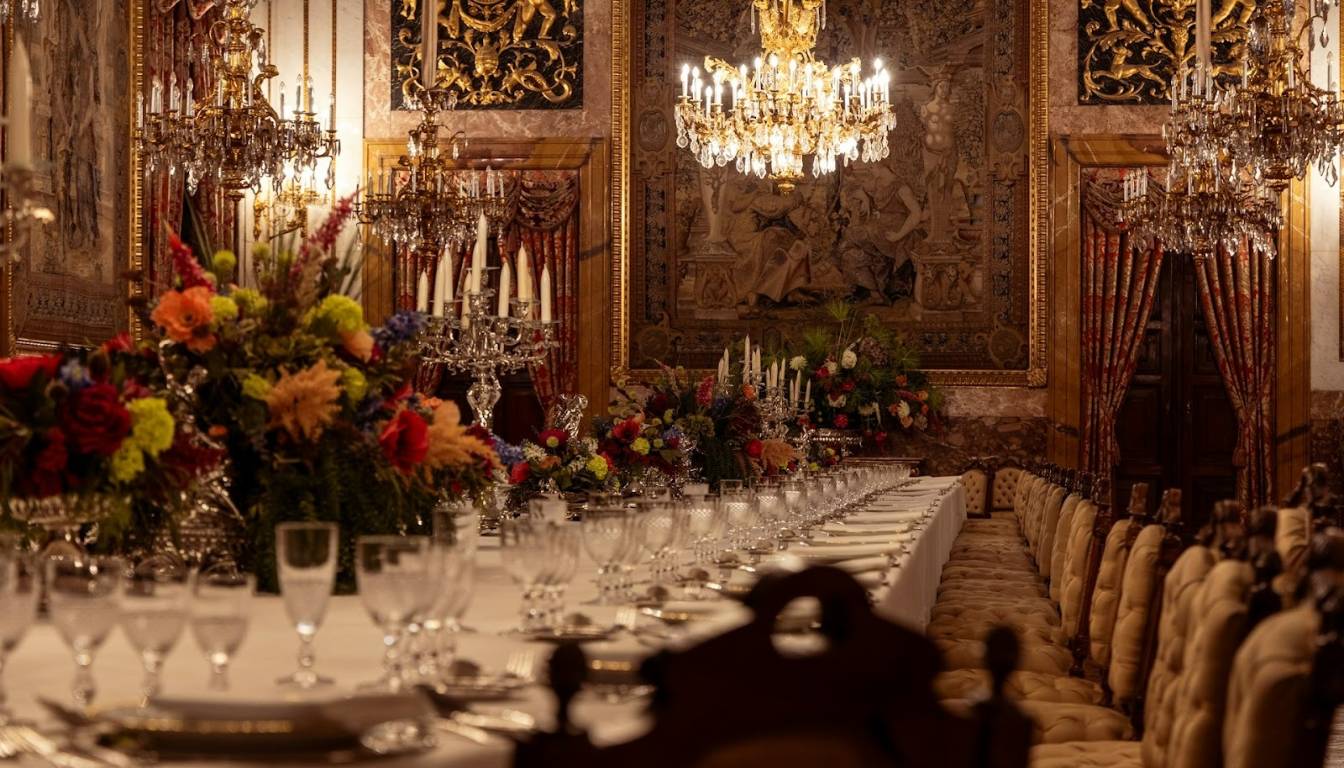
The programming of high-end corporate events is where the investment is either justified or squandered. A luxury venue with a generic agenda is not a high-end event — it is an expensive container holding an ordinary experience. The programming must match the quality of the environment, and that requires the same principles of precision and intentionality applied everywhere else.
The Single Signature Experience Principle
Rather than distributing budget across multiple program elements of moderate quality, identify one experience that will be genuinely extraordinary for this specific audience — and design it to be unmistakable. This might be a private dinner in an unexpected location, an access experience that money cannot typically buy, a conversation with a figure of genuine meaning to the group, or a creative challenge built around the organization's real strategic moment. One exceptional experience that resonates deeply produces more attendee advocacy than ten good-but-generic ones.
Pacing and White Space
Overprogramming is one of the most common quality failures in high-end corporate event design. Schedules packed to capacity signal anxiety rather than confidence, eliminate the informal connection moments that attendees consistently rate as the most valuable part of premium events, and exhaust participants who arrive expecting to be elevated rather than depleted. Genuine luxury includes time — unscheduled, unhurried, and unaccounted for. Build it in deliberately and protect it from last-minute additions.
Closing With Intention
The close of a high-end corporate event should be as deliberately designed as the opening. A structured, meaningful closing ritual — a shared reflection, a forward commitment exercise, a ceremonial acknowledgment of what the group has built together — creates the emotional completion that attendees carry with them. Events that simply run out of program and dissolve into logistics forfeit the final opportunity to cement the experience in memory and meaning.
Eliminating Waste Without Compromising the Standard
Every high-end corporate event has a version of itself that costs significantly more than it needs to while delivering exactly the same attendee experience. Identifying and eliminating that excess is not a compromise — it is evidence of planning maturity. The following categories reliably contain the most recoverable budget without any perceptible quality reduction.
- Generic entertainment: Background musicians, standard photo booths, and off-the-shelf team-building activities consume meaningful budget while contributing little to the distinctive character of the event. Replace them with one purposeful creative experience or eliminate them entirely in favor of more unstructured social time.
- Over-catered food and beverage: The gap between what is ordered and what is consumed at corporate events is one of the most consistent sources of waste in the industry. Right-sizing catering orders with accurate attendance data, choosing formats that minimize plated waste, and aligning F&B investment with the moments that matter — the welcome reception, the shared dinner — rather than every service window saves significant cost without any attendee-facing reduction in quality.
- Redundant vendor layers: High-end corporate events often accumulate vendor relationships that replicate each other's capabilities. An AV company, a production company, a lighting company, and a staging company may all be engaged when a single full-service production partner could serve every function more efficiently, with cleaner accountability and lower combined cost.
- Décor that serves photography over people: Installation-grade event design is visually compelling in marketing materials and genuinely valuable in the right context — a client-facing gala, a brand launch, an investor event. For internal executive retreats and leadership off-sites, it frequently serves the planner's portfolio more than the attendees' experience. Reallocate this budget toward programming, facilitation, or hospitality personalization.
Summary
Delivering genuinely high-end corporate events is less a function of budget size and more a function of clarity — clarity about who the attendees are, what they genuinely value, and where investment creates felt impact versus where it merely creates cost. The framework in this guide — audience-first design, purposeful venue selection, precision hospitality, intentional programming, and disciplined elimination of generic luxury spend — applies equally to a 20-person executive retreat and a 200-person leadership summit. The organizations that build the strongest reputation for premium events are not the ones that spend the most; they are the ones that align every element of the experience with a specific purpose and a specific audience, and refuse to spend a dollar on anything that does not serve both. Apply that standard consistently and your events will be remembered not for how much they cost, but for how much they mattered.
FAQs
- What makes a corporate event genuinely high-end?

High-end corporate events are defined by the quality of attention paid to every aspect of the attendee experience — not by the size of the venue or the scale of the production. The characteristics that consistently distinguish premium events are exclusivity of environment, personalization of hospitality, precision of programming pacing, and a clear signal that the event was designed specifically for the people attending it. Generic luxury — expensive elements chosen from a standard template — does not produce a high-end experience; intentional, audience-specific design does.
- How do you plan a high-end corporate event on a controlled budget?
The most effective approach is to identify two or three areas where premium investment generates disproportionate attendee impact — typically venue exclusivity, facilitation or speaker quality, and one signature hospitality moment — and allocate the majority of the budget there. Simultaneously, eliminate spend categories that inflate cost without improving attendee experience: generic décor, redundant vendors, over-catered F&B, and standard entertainment packages. Precision allocation, not uniform upgrade, is what produces premium outcomes on controlled budgets.
- What are the most important elements to invest in for a high-end executive retreat?
For executive retreats specifically, the highest-return investments are venue exclusivity, facilitation quality, and the arrival and dining experiences. Executives attend many events and quickly distinguish between environments that have been designed for them and environments that have been adapted from a standard corporate package. Exclusivity signals priority. A skilled facilitator signals that the working sessions will produce real outcomes. Thoughtfully designed meal experiences signal that the human element of the event has been taken seriously. These three elements consistently drive the strongest post-event sentiment among senior audiences.
- How far in advance should high-end corporate events be planned?
Premium venues — exclusive-use properties, destination resorts, private estates, and luxury conference facilities — typically require booking six to twelve months in advance, particularly for peak season dates. Executive-level speakers and facilitators with high demand should be secured as early as possible, often eight to twelve months out. For events requiring complex production, custom hospitality design, or international travel coordination, a twelve-to-eighteen month planning timeline is standard. Compressed timelines for high-end corporate events reliably result in compromised venue options, higher vendor costs, and reduced programming quality.
You may also like



Stay Updated with Our Insights
Get exclusive content and valuable updates directly to you.