
Sustainable Luxury Retreats: High-Impact Experiences with Low Environmental Footprint

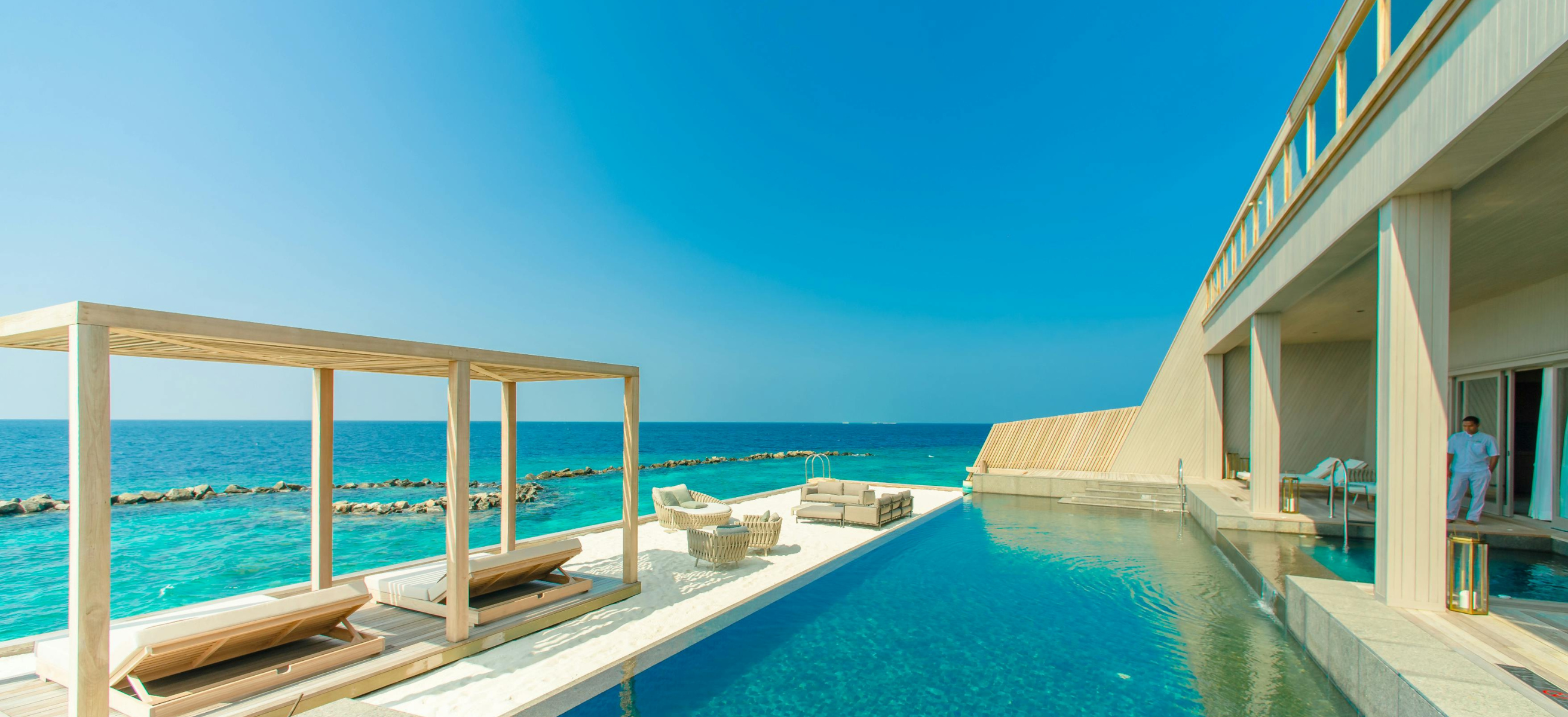
The definition of luxury retreats is being rewritten — and the organizations leading that redefinition have discovered that the most genuinely premium corporate experiences are those that align the quality of the environment with the values of the people experiencing it. Sustainability is no longer a constraint that limits what a retreat can offer; for a growing cohort of executive teams, high-potential cohorts, and purpose-driven organizations, it is the quality signal that distinguishes an extraordinary retreat from an expensive one. The data on this shift is unambiguous: surveys across corporate travel and event planning consistently show that employees under 40 rate the environmental profile of a company retreat as a meaningful reflection of organizational values — and that a retreat held at a genuinely sustainable venue generates higher post-event pride and belonging scores than an equivalent event at a conventional luxury property. This guide gives corporate retreat planners a practical, fully designed framework for planning luxury retreats that deliver the premium experience quality their attendees expect while making deliberate, documented choices about environmental impact at every stage of the planning process.
Key Takeaways
- Sustainable luxury retreats are not a compromise between quality and conscience — the best ones demonstrate that environmental responsibility and premium experience are fully compatible.
- The most impactful sustainability decisions in retreat planning are venue selection, ground transportation design, and food sourcing — not branded collateral or recycling bins.
- Greenwashing is the most significant reputational risk in sustainable luxury retreat planning; every sustainability claim made to attendees must be verifiable and specific.
- Carbon-conscious travel planning — routing flights through the most connected hubs, maximizing group ground transport, and selecting venues within a manageable travel radius — has a larger environmental impact than any in-retreat sustainability measure.
- Sustainable venues that hold recognized third-party certifications consistently outperform self-certified 'eco-friendly' properties on both environmental and hospitality performance metrics.
What Sustainable Luxury Retreats Actually Mean — and What They Are Not
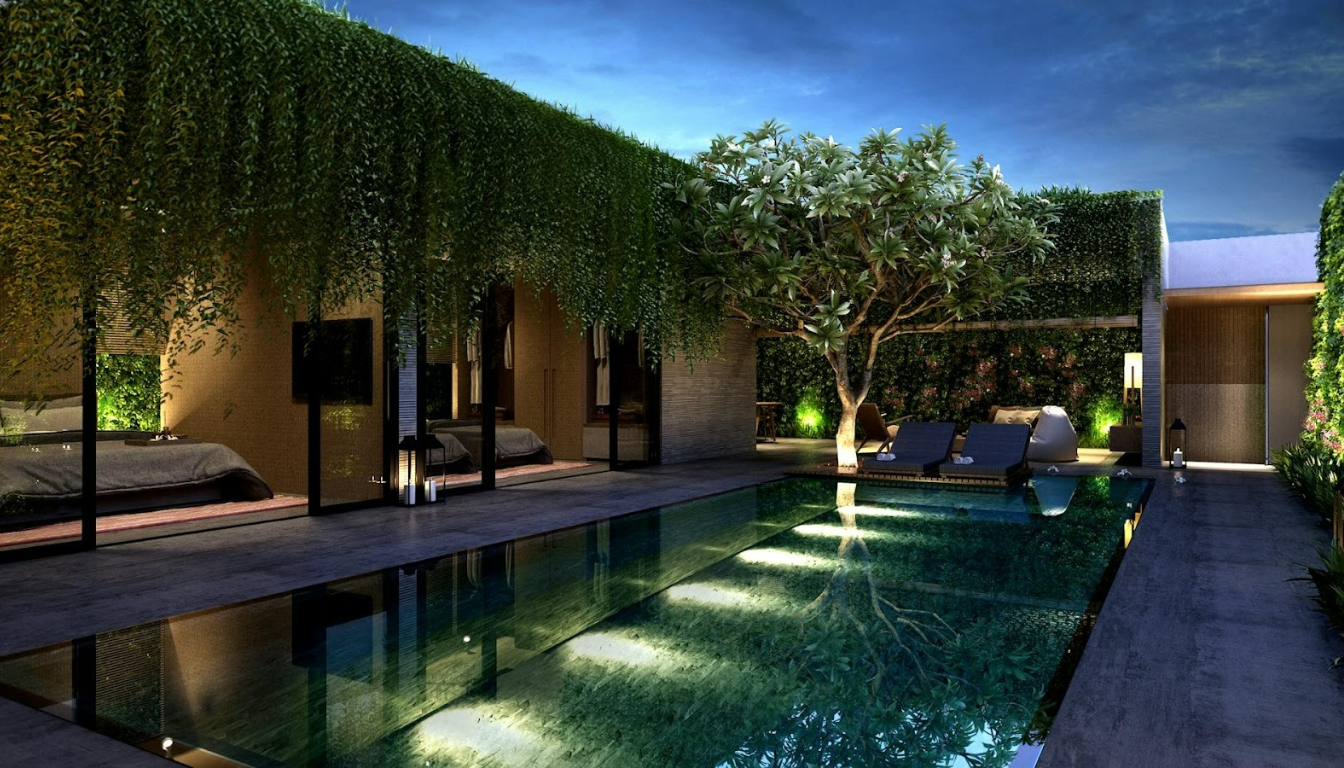
The term sustainable luxury retreats is used generously in the corporate events industry, and that looseness creates both confusion and the opportunity for greenwashing that damages organizational credibility. Genuine sustainable luxury in a retreat context means making deliberate, documented choices that reduce the environmental footprint of the event at its most significant impact points — venue energy systems, food sourcing, transportation, and waste — while maintaining or elevating the quality of the attendee experience. It does not mean replacing premium hospitality with austerity programming, asking attendees to sacrifice comfort in service of a sustainability narrative, or adding a few recycling stations to a conventional luxury event and describing the result as eco-conscious.
The organizations that execute sustainable luxury retreats most effectively are those that approach sustainability as a design discipline rather than a communications exercise. They make decisions that are environmentally meaningful — choosing venues with renewable energy infrastructure, sourcing food from local producers, designing group ground transport that eliminates individual rental cars — and they communicate those decisions to attendees as evidence of values alignment rather than as marketing. The credibility of this approach depends entirely on the specificity and verifiability of the choices made, which is why third-party certification and measurable impact reporting are the two features that most distinguish genuine sustainable luxury retreat providers from those trading on the aesthetic of environmental responsibility without its substance.
How to Choose a Sustainable Luxury Retreat Venue
Venue selection is the single highest-leverage sustainability decision in retreat planning. The physical infrastructure, energy systems, water management practices, and food sourcing relationships of the property determine the majority of the retreat's environmental impact — and the majority of its experiential quality. These two considerations are increasingly aligned rather than opposed, because the most credible sustainable luxury venues have invested precisely in the features that produce both environmental integrity and premium hospitality.
Third-Party Certifications to Look For
The most reliable signal of genuine sustainable luxury retreat credentials is third-party environmental certification from a recognized standards body. In the United States, LEED certification (Leadership in Energy and Environmental Design) covers building systems, energy efficiency, and water management. Green Key certification is the leading international standard for sustainable hospitality, covering everything from energy and water use to waste management and local community engagement. Earth Check is a science-based sustainability certification used widely by resort properties and retreat centers. Properties that hold one or more of these certifications have been independently assessed against documented standards — a meaningful distinction from the self-reported 'eco-friendly' claims that appear on many venue websites without verifiable substance.
Energy and Water Infrastructure
The most environmentally significant infrastructure features in a sustainable luxury retreat venue are on-site renewable energy generation — solar, geothermal, or small-scale hydro — and water recirculation or gray water management systems. Ask every shortlisted venue for their current percentage of energy from renewable sources, their water consumption per guest night relative to regional benchmarks, and their waste diversion rate from landfill. Properties that can answer these questions with specific, current data are operating with genuine environmental accountability. Those that respond with general aspirational language rather than measured outcomes deserve deeper scrutiny before being included in your final shortlist.
Local Sourcing and Food Systems
The food and beverage program of a sustainable luxury retreat is both an environmental and an experiential differentiator. Venues with established relationships with local farms, fisheries, and producers reduce transportation emissions, support regional food economies, and consistently deliver higher-quality, fresher ingredients than properties relying on centralized distribution chains. Request the venue's local sourcing percentage as part of your site assessment — specifically, the percentage of produce, protein, and dairy sourced within a defined regional radius. For the most environmentally conscious retreat planning, this metric is as important as the venue's renewable energy profile.
Designing the Retreat Program for Minimal Environmental Impact

Beyond venue selection, the program design decisions that shape a sustainable luxury retreat include transportation architecture, catering format, material choices, and the activities that fill the schedule. Each of these dimensions offers meaningful opportunities to reduce environmental footprint without reducing — and in many cases while actively enhancing — the quality of the attendee experience.
Carbon-Conscious Travel Planning
Travel to and from the retreat typically represents the largest single component of the event's total carbon footprint, often exceeding the combined environmental impact of the venue, catering, and materials by a significant margin. The most impactful travel planning decisions for sustainable luxury retreats are selecting a destination within a manageable travel radius of the majority of attendees — minimizing the number of long-haul flights required — routing travel through major connected hub airports that allow nonstop or single-connection routing for the widest share of the attendee group, and designing group ground transport from the nearest hub to the venue that eliminates individual rental cars entirely. A chartered shuttle or coach from the arrival airport to the venue is both more environmentally efficient and a more premium attendee experience than individual car rentals navigating an unfamiliar destination independently.
Eliminating Single-Use Materials at Scale
The material layer of luxury retreats — printed agendas, branded swag bags, disposable water bottles, single-use coffee cups, wrapped individual amenities — generates waste that is disproportionate to its contribution to the attendee experience and is among the easiest impact categories to address in program design. Replace printed agendas with a shared digital platform or a reusable event app. Replace branded disposable merchandise with a single high-quality durable item per attendee — a handcrafted object from a local artisan, a reusable vessel, or a quality garment made from sustainable materials. Replace bottled water with filtered water stations at every session space and dining location. These substitutions reduce waste without reducing the sense of thoughtful, generous hospitality that defines genuine luxury.
Nature-Connected Programming as a Sustainability Amplifier
The most powerful sustainability signal a luxury retreat can send is not a certification on the venue website — it is programming that connects attendees directly and meaningfully to the natural environment the retreat is held within. A guided morning walk through the surrounding ecosystem, a farm or garden visit that connects the meal experience to its food source, an evening spent without artificial light in a landscape the venue has actively conserved — these experiences do not add to the environmental cost of the retreat. They are the most memorable, most distinctive, and most values-aligned programming a sustainable luxury retreat can offer, and they are available precisely because the venue and the organizers chose a setting worth experiencing rather than one chosen purely for infrastructure.
Sustainability Standards: What to Verify and What to Question
The sustainable luxury retreat market has a meaningful greenwashing problem — and the organizations most at risk of falling into it are those with genuine sustainability commitments who delegate venue selection to a standard corporate event procurement process. The following framework identifies the questions that separate credible sustainable luxury retreat venues from those deploying environmental language as a positioning strategy rather than as a performance standard.
Ask Every Shortlisted Venue These Specific Questions
→ What percentage of your energy currently comes from on-site renewable sources — not offsets?
→ What is your current waste diversion rate from landfill, and what is your target for this year?
→ Which third-party environmental certification do you hold, and when was it last audited?
→ What percentage of food served is sourced within a defined local radius, and from which specific producers?
→ Do you have a documented biodiversity or land stewardship program for the surrounding property?
→ Can you provide a carbon footprint estimate for a group event of our size and duration?
Venues that respond to these questions with specific, current, documented answers are operating with genuine environmental accountability. Venues that respond with general sustainability language, forward-looking aspirations, or references to carbon offset programs as their primary environmental credentials deserve scrutiny. Carbon offsets are a legitimate supplementary tool for residual emissions that cannot be eliminated through operational changes, but they are not a substitute for operational sustainability — and a venue whose primary sustainability credential is a purchased offset is not a sustainable luxury retreat venue in any meaningful sense.
Communicating Sustainability to Attendees: Integrity Over Impressiveness

The final dimension of sustainable luxury retreats that separates the best from the merely well-intentioned is how the organization communicates its sustainability choices to attendees — and the principle here is straightforward: communicate what is true and specific, and avoid communicating what is aspirational or approximate as if it were achieved. Attendees who care about sustainability — and an increasing majority of corporate retreat participants do — are perceptive enough to distinguish between an organization that has made genuine choices and one that has adopted sustainability language as a positioning device.
The most credible approach is a brief, factual retreat impact summary shared with attendees either during or after the event — a single page or digital document that states the specific choices made, the verified sustainability credentials of the venue, the estimated carbon impact of group travel and how it was minimized, and any measurable environmental outcome the retreat contributed to, such as the conservation funding generated by the venue's land stewardship program. This document is not a marketing asset; it is an accountability mechanism that holds the planning team to the standard it has set and gives attendees the specific information they need to form an honest view of the organization's environmental seriousness.
Summary
Sustainable luxury retreats represent the convergence of two trends that have been moving toward each other for years: the growing organizational commitment to environmental responsibility as a lived practice rather than a communications strategy, and the recognition among retreat planners that the most genuinely premium experiences are those where every design decision — from venue selection and food sourcing to travel planning and program content — has been made with both quality and consequence in mind. The framework in this guide — third-party certified venues, carbon-conscious travel architecture, local food sourcing, single-use material elimination, nature-connected programming, and honest impact communication — gives you a replicable planning standard that produces retreats your attendees will remember not only for how exceptional they felt but for what they reflected about the values of the organization that designed them. Sustainability handled with this level of intention does not compete with luxury; it is increasingly its most credible expression.
FAQs
- What are sustainable luxury retreats?

Sustainable luxury retreats are premium corporate or organizational off-site experiences designed to deliver a high-quality attendee experience while making deliberate, documented choices that minimize environmental impact at the most significant impact points — venue energy systems, food sourcing, transportation, and waste. They are distinguished from conventional luxury retreats by the presence of verifiable sustainability credentials rather than aspirational language, and from budget eco-retreats by their uncompromising commitment to premium hospitality, exceptional facilitation, and the kind of immersive environmental quality that only genuinely sustainable venues can provide.
- How do you find a genuinely sustainable luxury retreat venue?
The most reliable approach is to begin with third-party certified properties — venues holding LEED, Green Key, or Earth Check certification have been independently assessed against documented environmental standards. From this starting point, request specific performance data from each shortlisted venue: current percentage of energy from renewable sources, waste diversion rate, local food sourcing percentage, and biodiversity or land management programs. Venues that can answer these questions with current, specific, documented data are operating with genuine environmental accountability. Those that respond primarily with aspirational language or carbon offset references as their primary credential warrant deeper scrutiny.
- Are sustainable luxury retreats more expensive than conventional ones?
Not necessarily — and in some cost categories, sustainable choices are actually less expensive. Venues with on-site renewable energy have lower operating costs that are sometimes passed through in rates. Local food sourcing often reduces per-person catering costs by eliminating premium supply chain markups on imported ingredients. Group ground transportation from the arrival airport is typically less expensive in aggregate than individual rental car reimbursements. The areas where sustainable luxury retreats may carry a premium are certified venue properties at certain destinations and high-quality durable gift items replacing disposable branded merchandise. In the majority of cases, the total cost difference between a well-designed sustainable luxury retreat and its conventional equivalent is modest and is typically offset by the attendee experience and organizational values alignment it produces.
- How do you avoid greenwashing when planning a sustainable luxury retreat?
Greenwashing in sustainable luxury retreat planning is most effectively prevented through three practices: requiring verifiable third-party certification rather than self-reported credentials from venue partners, communicating to attendees only what is specific and documented rather than general and aspirational, and measuring and reporting actual environmental outcomes rather than intentions. The most common greenwashing error is positioning a retreat as sustainable based primarily on the natural aesthetic of the venue — the mountain setting, the organic garden, the reclaimed wood décor — rather than on the verified operational practices that constitute genuine environmental performance. If your sustainability claims cannot be supported by specific, current data, they should not be made.
You may also like



Stay Updated with Our Insights
Get exclusive content and valuable updates directly to you.