
The Neurodivergent-Friendly Offsite: Inclusive Event Planning That Actually Works

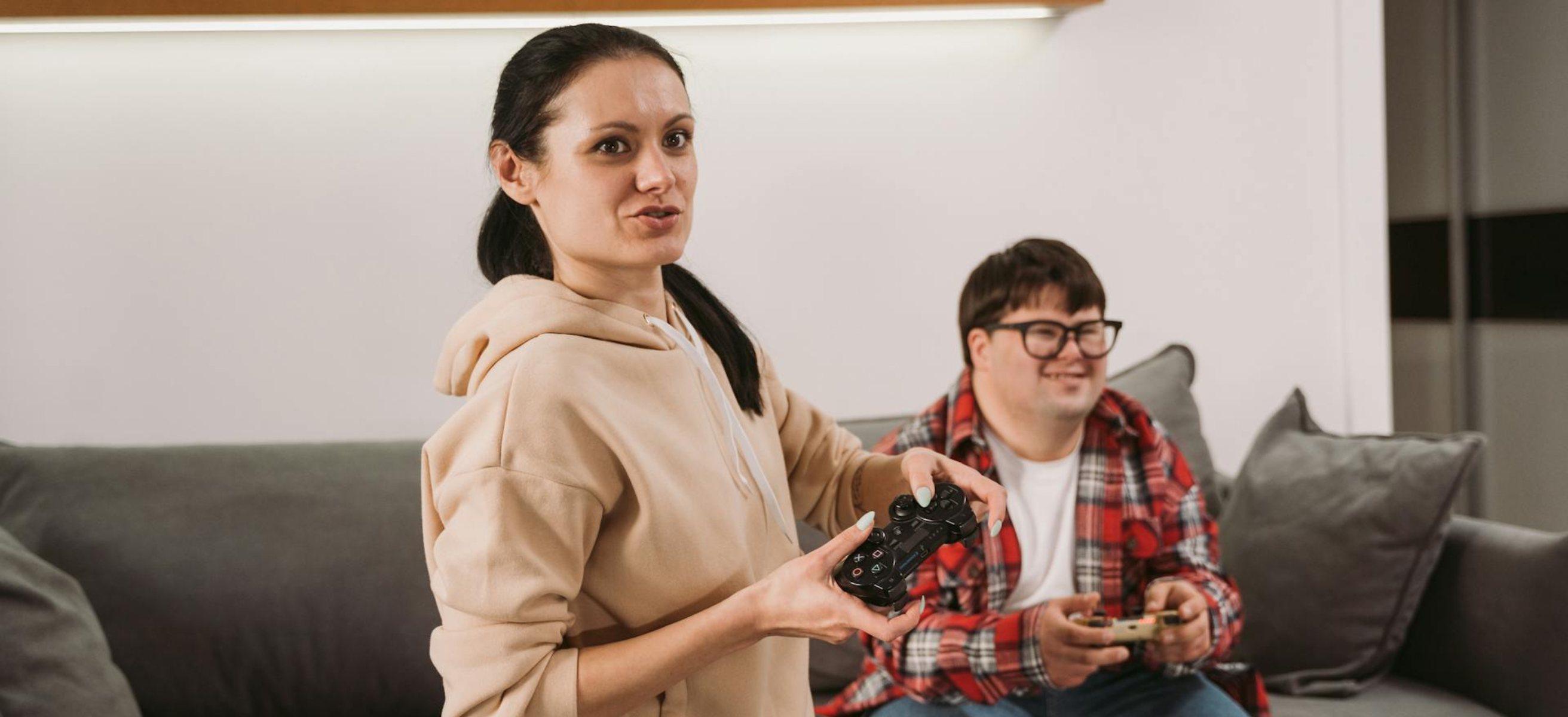
Your star developer left the last company offsite early with a migraine. Your brilliant designer spent the entire team dinner in the bathroom, overwhelmed. Your most productive analyst hasn't attended a retreat in three years because 'something always comes up.
Maybe it's not them. Maybe it's your offsite design.
Here's what most event planners don't realize: the "fun" elements that make offsites memorable for neurotypical attendees can be absolutely torturous for neurodivergent team members. Surprise activities that "build excitement" trigger anxiety for people who need predictability. Ice-breaker games that "energize the room" exhaust those who struggle with forced social interaction. Background music that "creates ambiance" becomes sensory assault for people with auditory sensitivities.
When neurodivergent team members—those with ADHD, autism spectrum conditions, sensory processing differences, or anxiety disorders—spend the entire offsite masking their struggles to appear "normal," they're not building connections or engaging with content. They're surviving. Then they go home completely drained, often for days afterward.
Truly inclusive offsites aren't about adding one quiet room as an afterthought. They're about fundamentally redesigning how offsites work so every team member can participate fully without having to hide who they are.
Key Takeaways
- Design for neurodivergent needs from the start, not as afterthoughts after the agenda is set Provide detailed advance information including schedules, venue layouts, sensory details, and activity descriptions so attendees can mentally prepare
- Build in genuine optional elements and quiet spaces so team members can regulate their energy and sensory input throughout the event
- Eliminate surprise activities, sudden schedule changes, and forced participation that trigger anxiety for neurodivergent attendees
- Consider sensory factors in every decision: lighting, noise levels, scents, textures, and crowd density significantly impact neurodivergent participation
Why Standard Offsites Fail Neurodivergent Team Members
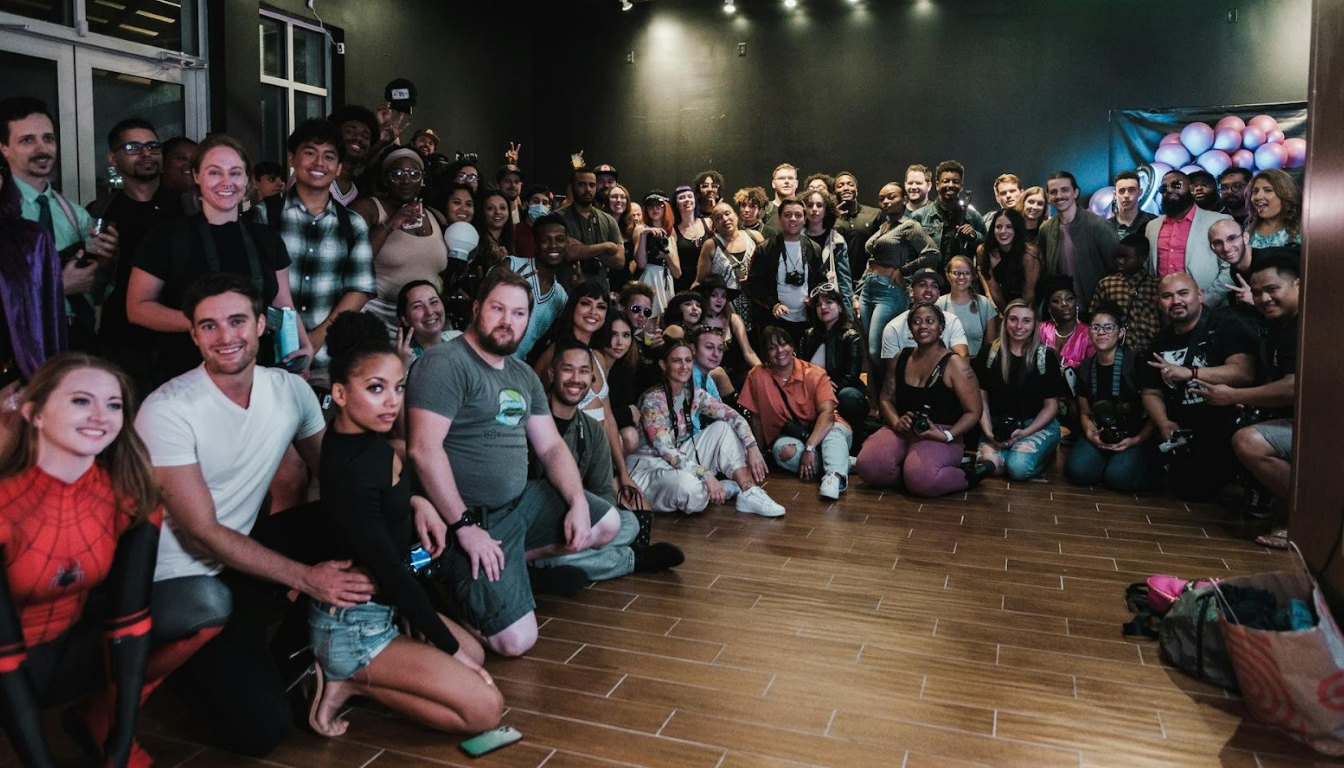
Let's break down what's actually happening at your typical company offsite through a neurodivergent lens.
The Surprise Activity Problem
You've kept the afternoon activity secret to "build anticipation." For neurodivergent attendees, this creates hours of anxiety. They can't prepare mentally. They don't know if they'll need to be physically active, socially perform, or process complex instructions. The surprise element that excites some people paralyzes others.
The Constant Socialization Trap
Your agenda runs from 8am breakfast through 10pm drinks with zero downtime. Neurotypical attendees might find this energizing. Neurodivergent attendees are performing intense cognitive labor just to navigate social interaction, read social cues, and mask their exhaustion. By day two, they're running on empty.
The Sensory Assault
Background music during meals, echo-y conference rooms, fluorescent lighting, strong air fresheners, scratchy name tag lanyards—each individually manageable, but cumulatively overwhelming for people with sensory sensitivities. Your venue choices create barriers before content even begins.
The Forced Fun Mandate
"Everyone must participate in the scavenger hunt!" Forced participation in high-energy group activities signals that opting out means you're not a team player. Neurodivergent team members either force themselves through activities that drain them completely, or skip and feel excluded from team bonding.
The cost isn't just individual discomfort. You're losing the full contribution of some of your most talented people because your event design assumes everyone processes the world the same way.
Core Principles for Neurodivergent-Friendly Offsites
Effective planning starts with these foundational principles:
1. Predictability Over Surprise
Share everything in advance. Detailed schedules with timing. Venue maps with quiet space locations. Activity descriptions with participation expectations. Menu options with ingredients. Even approximate noise levels and crowd sizes.
This isn't about eliminating spontaneity; it's about informed participation. When attendees know what's coming, they can prepare mentally and make real choices about engagement.
2. Options, Not Mandates
"Recommended" means genuinely optional, not secretly mandatory. When you say the evening activity is optional, mean it. Don't create subtle pressure to attend through phrases like "the whole team will be there" or schedule important networking during optional time.
Build parallel tracks where possible. Offer high-energy and low-energy options simultaneously. Let people choose hiking or quiet workspace, group dinner or room service, loud bar or small group conversation.
3. Sensory Considerations First
Evaluate every venue and activity through a sensory lens before booking:
- Can lighting be adjusted or is it locked at fluorescent bright?
- What's the ambient noise level during meals and sessions?
- Are there strong scents from cleaning products, air fresheners, or kitchen?
- What's the texture of seating—scratchy fabric or soft options?
- How crowded will spaces feel at capacity?
These aren't minor details. For neurodivergent attendees, they determine whether participation is possible.
4. Communication Clarity
Vague instructions create anxiety. "Business casual" means different things to different people. "We'll figure it out when we get there" triggers stress for those who need concrete plans.
Be specific: "Jeans and a collared shirt work fine." "We'll break into groups of 4-6 for this activity." "Lunch is buffet-style with vegetarian, vegan, and gluten-free options clearly labeled."
Practical Strategies That Work

Advance Information Packets
Send comprehensive pre-event information two to three weeks before the offsite:
- Hour-by-hour schedule with buffer time clearly marked
- Venue floor plans with quiet rooms highlighted
- Activity descriptions including physical requirements and participation levels
- Dress codes for each segment
- Full menu options or restaurant information
- Transportation details and timing
- Emergency contact information and nearby medical facilities
This level of detail lets neurodivergent attendees prepare mentally, plan energy management, and identify potential challenges before they become problems.
Designated Quiet Spaces
Don't just mention that attendees "can go to their rooms if needed." Dedicate actual quiet spaces:
- A low-stimulation room with soft lighting, comfortable seating, and no scheduled activities
- Clearly communicate that using these spaces is completely normal and encouraged
- Keep them truly quiet—no background music, no scheduled meetings nearby
- Stock with noise-canceling headphones, fidget tools, water, and snacks
Label these spaces clearly and include them on venue maps. Normalize their use by mentioning them in opening remarks: "We have a quiet room on the second floor available any time for anyone who needs to recharge."
Flexible Participation Models
Design activities with built-in flexibility:
Instead of: Mandatory team scavenger hunt
Try: Scavenger hunt with photographer role for those who want to participate without high-energy movement, or quiet venue tour option at same time
Instead of: Everyone presents their work to the full group
Try: Small group share-outs with option to submit written summaries
Instead of: Surprise trust fall activity
Try: Menu of team-building options shared in advance, small groups choose their preference
Instead of: Late-night social events only
Try: Structured evening activities ending by 9pm, plus optional casual hangout for those who want more
Sensory-Friendly Venue Selection
When evaluating venues, specifically ask about:
- Adjustable lighting options (dimmers, lamps vs. overhead fluorescents)
- Acoustic properties (carpeting, sound panels, or echo-y spaces)
- Scent-free or low-scent cleaning products
- Variety of seating options (different textures, firmness levels)
- Natural light availability
- Outdoor access for breaks
- Room temperature control
- Multiple smaller spaces vs. one large room
Tour venues yourself rather than relying on photos. Spend time in the spaces during the time of day you'll use them. Notice what you hear, smell, feel, and see.
Schedule Design
Build schedules that respect energy management:
- Start later (9am vs. 8am) to accommodate different sleep needs
- Include 15-minute breaks every 60 to 90 minutes
- Build 30-60 minute unstructured blocks mid-morning and mid-afternoon
- Keep evenings genuinely optional with early end times (by 8-9pm)
- Offer continental breakfast over seated group breakfast for flexible timing
- End formal programming by 4-5pm on the last day for travel flexibility
Label break times explicitly: "15-minute break—feel free to step outside, visit the quiet room, or grab coffee." This gives permission for various types of recharging.
Communication Protocols
Set clear expectations about communication:
- How will schedule changes be communicated? (Slack channel, text, announcement?)
- Who can attendees contact with questions or concerns?
- What's the protocol if someone needs to leave an activity early?
- How are dietary restrictions or access needs communicated privately?
Create a designated contact person who handles accommodation requests confidentially. Don't require people to disclose diagnoses—just respond to stated needs.
Food and Dining Considerations
Meals are surprisingly high-stakes for neurodivergent attendees:
- Offer buffet or menu choice rather than plated meals with no options
- Label all ingredients clearly, especially common allergens and sensory triggers
- Provide quiet dining spaces as alternative to large group meals
- Keep background music low or offer music-free zones
- Arrange seating to allow small group conversations, not just large tables
- Include "safe" foods alongside adventurous options
- Communicate meal timing precisely so people can plan energy and medication
Activity Design
When planning activities, consider neurodivergent needs:
Good: Optional nature walk with clear route map and distance
Problematic: Surprise outdoor activity with unknown physical demands
Good: Small group discussions (3-4 people) with written prompts
Problematic: Large group ice-breakers requiring public performance
Good: Creative workshop with multiple mediums (drawing, writing, building)
Problematic: Single-approach activity requiring specific skills
Good: Self-paced venue exploration with suggested stops
Problematic: Timed competitive scavenger hunt with loud announcements
The pattern: choice, clarity, flexibility, and multiple engagement options.
What Neurodivergent Team Members Wish You Knew

Real needs from neurodivergent professionals about offsite design:
"Tell me everything upfront. I need to prepare mentally, and surprises—even fun ones—make that impossible."
"Optional needs to actually mean optional. Don't say it's optional then make people feel bad for skipping."
"I can handle networking, but not for eight hours straight. I need breaks that aren't just bathroom visits."
"The sensory stuff you don't notice can completely overwhelm me. Loud music, strong scents, fluorescent lights—they add up fast."
"I want to participate fully. But that means participating in ways that work for my brain, not pretending my brain works differently than it does."
"Quiet rooms are great, but only if using them doesn't make me look antisocial or uncommitted."
Inclusive design means listening to these needs and designing around them from the start.
How to Pitch Inclusive Event Planning to Leadership
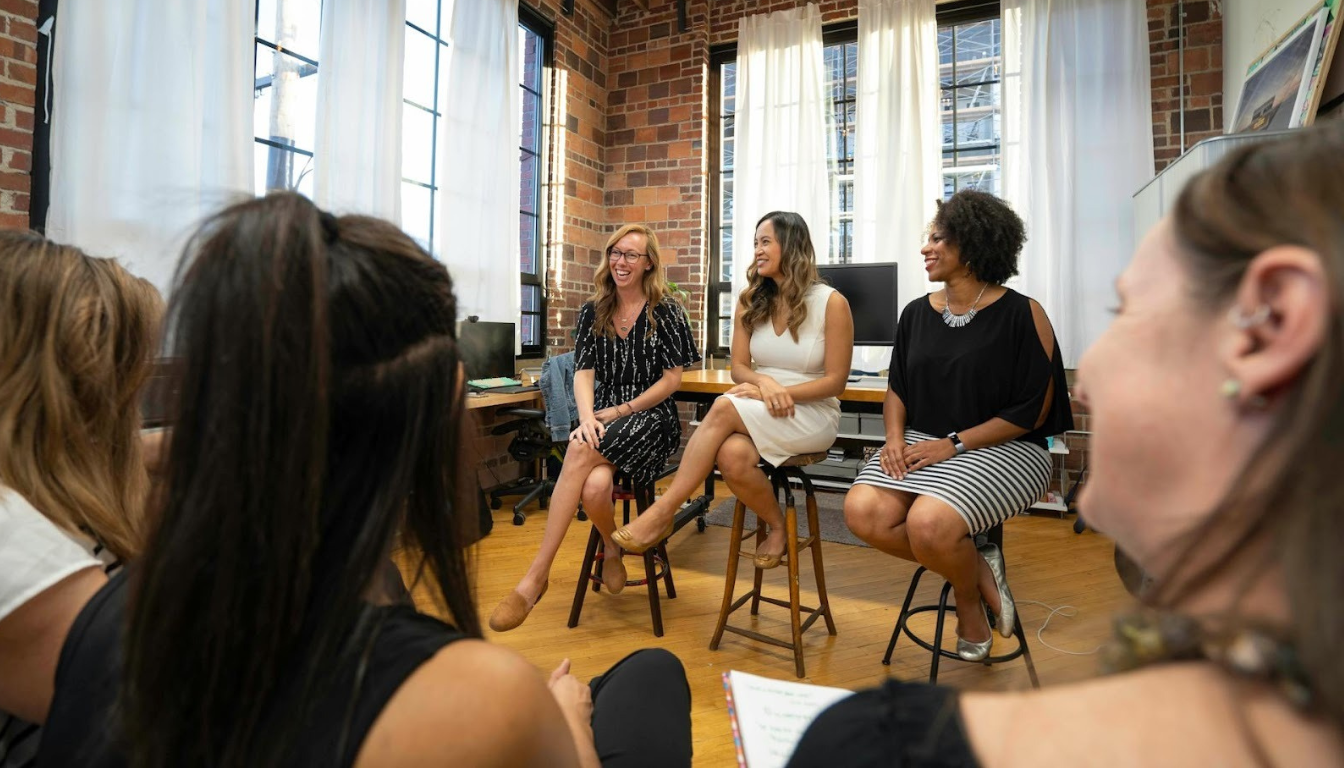
If you're advocating for inclusive event planning approaches, here's how to frame it:
Business Case: "We're investing significant budget in this offsite for team cohesion and strategic alignment. If 20-30% of attendees spend the event managing anxiety or sensory overload instead of engaging, we're wasting that investment. Inclusive design benefits everyone."
Retention Argument: "Neurodivergent employees report higher burnout from workplace social demands. Offsites requiring masking for multiple days accelerate burnout. Inclusive design demonstrates we value diverse cognitive styles, improving retention of high-performing team members."
Most importantly: "This isn't about lowering standards. It's about expanding how we define engagement so everyone can contribute their best work."
Common Mistakes in Inclusive Event Planning
Even well-intentioned inclusive event planning efforts stumble. Avoid these pitfalls:
Mistake: Adding one quiet room but otherwise keeping standard high-stimulation design
Better: Evaluating every element through a neurodivergent lens and building flexibility throughout
Mistake: Asking attendees to "just let us know if you need accommodations"
Better: Building accommodations into default design so no one has to disclose or request
Mistake: Treating neurodivergent needs as edge cases
Better: Recognizing that inclusive design benefits everyone and should be the standard approach
Mistake: Sharing schedule details only days before the event
Better: Providing comprehensive information two to three weeks in advance for mental preparation
Summary
Designing neurodivergent-friendly offsites isn't about creating separate, parallel experiences—it's about building events where everyone can participate fully as themselves without masking or pushing through overwhelming sensory and social demands. The approach centers on predictability through detailed advance information, genuine flexibility in participation models, careful attention to sensory factors, and recognition that different brains process social interaction differently. Organizations that embrace truly inclusive design don't just accommodate neurodivergent employees; they create better experiences for everyone by offering choice, clarity, and respect for diverse needs. When team members can engage without exhausting themselves, offsites deliver on their actual purpose: building connection, advancing strategy, and energizing teams for the work ahead.
FAQs
- How do I know if my team includes neurodivergent members who need accommodations?

You likely do—estimates suggest 15 to 20 percent of the population is neurodivergent, including ADHD, autism spectrum, sensory processing differences, and learning differences. Many don't disclose due to stigma. Rather than asking who needs accommodations, design inclusively by default. This benefits neurodivergent attendees without requiring disclosure, and improves the experience for everyone else too.
- Will inclusive design make offsites less fun or engaging?
No. Inclusive design often makes offsites more engaging by giving people genuine choice in how they participate. Clear schedules, flexible activities, and energy management benefit neurotypical attendees too—they just don't realize standard designs create barriers for others. You're not eliminating fun, you're expanding who can access and enjoy it.
- What if someone still struggles even with inclusive design?
Designate a specific contact person who handles concerns confidentially. Make it clear that leaving activities early, skipping optional events, or using quiet spaces doesn't reflect poorly on anyone. Check in proactively: "How's the pacing working for you?" Create space for private feedback that informs future planning without putting people on the spot.
- How much more does neurodivergent-friendly design cost?
Very little to nothing. Most inclusive changes involve design choices, not additional budget: sharing information earlier, building schedule flexibility, choosing venues with adjustable lighting, offering activity options. The main cost is planning time and attention to detail. Occasionally you might need to book an extra quiet room, but this is minimal compared to overall offsite budget.
You may also like



Stay Updated with Our Insights
Get exclusive content and valuable updates directly to you.