
Leadership Retreat Venue: Complete Guide to Selecting Executive Properties

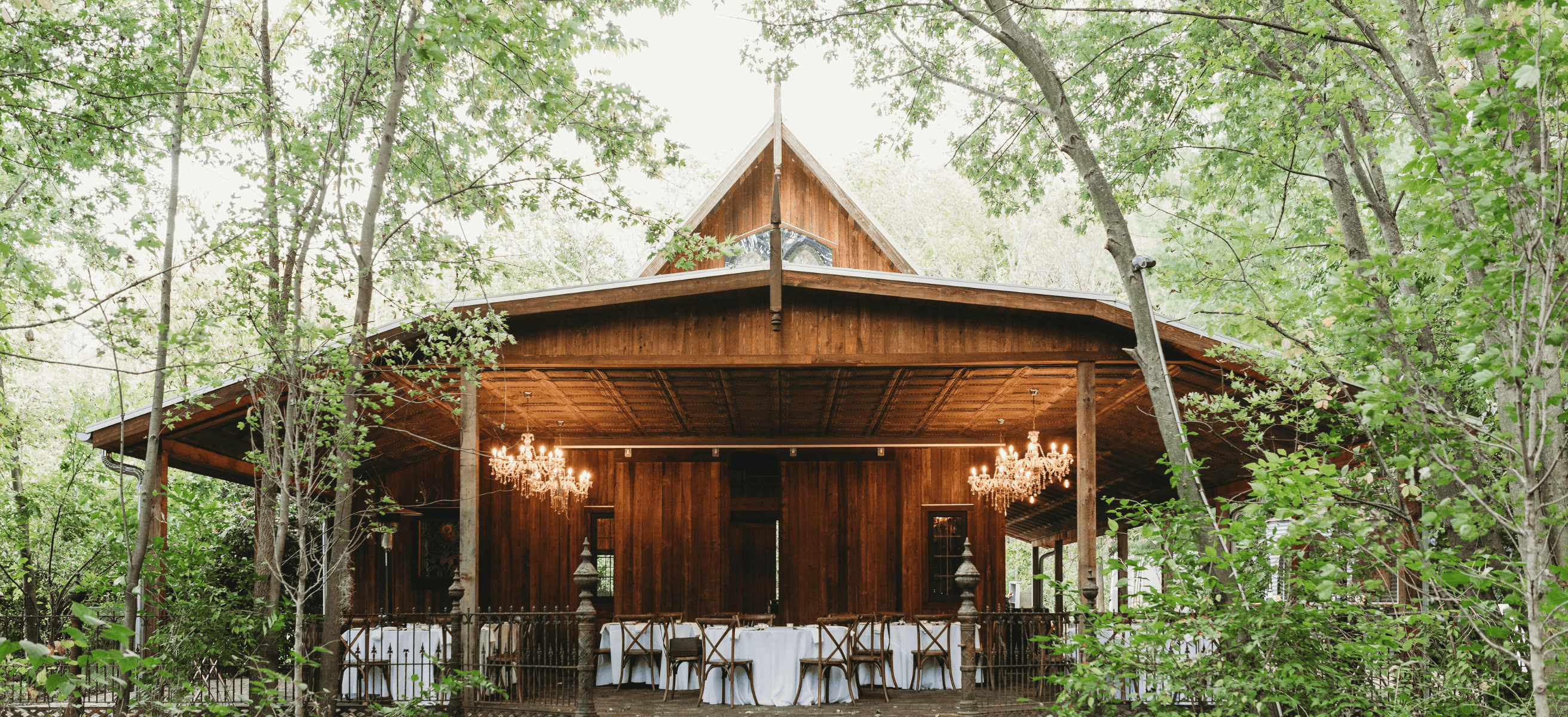
When planning a gathering for your leadership team—whether it's a 12-person strategy session in Colorado or an executive retreat overlooking the California coast—the venue you choose shapes everything. A leadership retreat venue isn't just a place to sleep and meet. It's the environment where your executives will think differently, connect deeply, and make decisions that define your organization's next chapter. Solid leadership retreat planning ensures the venue you select aligns with your team's goals, budget, and working style.
These specialized properties cater to intimate groups of five to 20 leaders, prioritizing privacy, elevated service, and settings designed for strategic thinking rather than mass corporate events. This guide walks you through what separates great properties from standard corporate spaces, essential features to evaluate, six main venue types, destination selection, and the booking process. From leader retreat ideas to venue logistics, every decision shapes the quality of your team's experience.
Key Takeaways
- Leadership retreat planning for 5-20 executives requires the intimacy needed for honest conversation.
- Prioritize properties within 60-90 minutes of major airports with direct flights for most executives, reducing travel fatigue.
- Budget $300-800 per person per night for luxury executive retreats, with economy tiers at $300-450 and premium properties at $600-800 or higher
- Look for integrated wellness features—spa treatments, hiking trails, healthy dining—that support leader resiliency
- Understand six core venue types (mountain lodges, coastal centers, countryside estates, urban luxury hotels, conference centers, private villas) to match property style to objectives.
What Makes a Great Leadership Retreat Venue Different
Leadership retreats require a fundamentally different class of venue—one built around senior leaders' needs for confidential discussions, reflection time, and environments that inspire big ideas.
Properties optimized for 5-20 executives create the intimacy needed for honest conversation. You want spaces where your team can take over entire buildings or dedicated wings without encountering strangers. Small public areas, private dining options, and meeting rooms that never feel cavernous support the candid dialogue impossible in larger settings.
Executives expect dedicated coordinators who own your experience from arrival to departure, 24/7 on-call managers for unexpected issues, and personalized itineraries that flex with your group's energy. Staff ratios of around 3-4 team members per 10 guests ensure no request goes unanswered.
Leaders need boardroom-style rooms with natural light, comfortable seating for all-day sessions, and integrated A/V that works for hybrid calls. Flexible breakout options—smaller lounges, outdoor patios, fire pit areas—allow your agenda to breathe. Executive teams expect rooms of at least 350-450 square feet with proper desks, ergonomic chairs, blackout curtains, and strong soundproofing. Reliable Wi-Fi of 100 Mbps or more is the baseline.
Confidential strategy discussions require discretion—private entrances, secluded meeting rooms, staff trained for NDA-sensitive environments, and spaces where outside guests cannot overhear. The best properties weave wellness into the experience naturally. An executive wellness retreat integrates spa access, fitness facilities, guided hikes, yoga classes, and mindfulness spaces into daily schedules, supporting wellbeing alongside productivity.
Essential Features to Evaluate
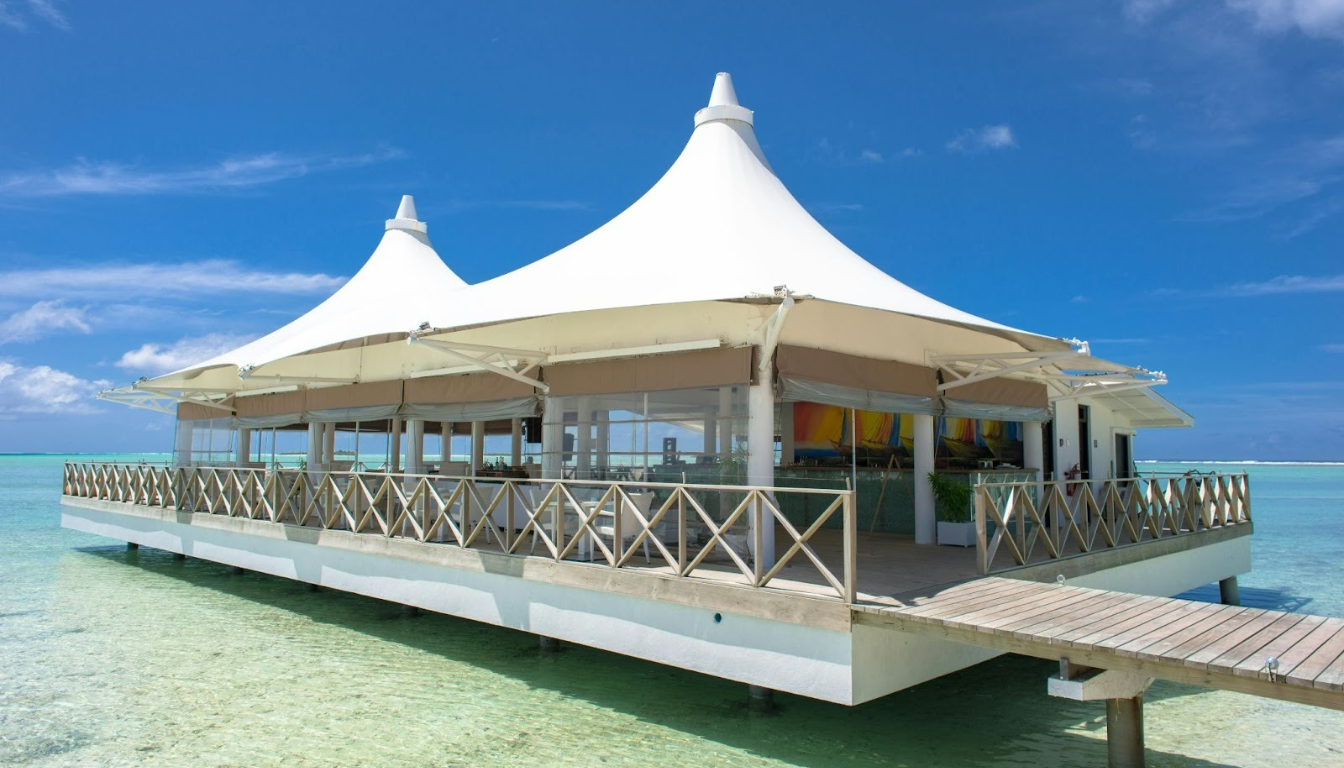
When reviewing proposals or conducting site visits, concrete criteria help you compare properties objectively.
Your primary meeting room needs natural light, seating arranged in U-shape or boardroom configuration for 10-20 people, soundproofing blocking hallway noise, built-in screens or projectors, and reliable hybrid capabilities. Look for 2-4 smaller breakout rooms within short walks, plus outdoor options like patios or covered terraces for facilitated sessions.
Room standards directly impact how well executives think and engage. Expect high-quality bedding, strong Wi-Fi at desks, quiet HVAC systems, and individual climate control. Natural views support escape from daily pressures. Consider a mix of king rooms, suites for senior leaders, and possibly shared villas for sub-teams.
Dining quality sets tone. Look for chef-led menus handling dietary restrictions—vegetarian, vegan, gluten-free, kosher, allergen requirements—without drama. Private dining rooms for confidential dinners, outdoor terraces for casual lunches, and continuous coffee with healthy snacks keep sessions productive.
Spa and fitness offerings support leader resilience. Look for 24/7 gym access, treatment rooms for massage, and sauna options. Properties with on-site wellness experts leading morning yoga or meditation add value. Outdoor activities—hiking trails, guided hikes, kayaking—give leaders ways to decompress and bond outside meeting rooms. Choosing the right retreat activities is just as important as the venue itself in driving meaningful team outcomes.
Event coordination should run through a single point of contact managing detailed logistics and vendor relationships. During site visits, test actual Wi-Fi speeds in guest rooms and meeting areas, experience a sample meal, and sit in meeting chairs for 10-15 minutes.
Top Venue Types and When to Choose Each
There's no one-size-fits-all approach. The right choice depends on retreat goals, timing, budget, and travel constraints. Budget ranges are per person per night, excluding airfare, for 10-20 leaders.
Boutique Mountain Lodges ($400-700/night)
Boutique mountain lodges sit in locations like Aspen and Vail in Colorado, Jackson Hole in Wyoming, and the Smoky Mountains. They shine during late spring (May-June), early fall (September-October), and winter when snow creates a cocoon-like atmosphere.
These properties work best for founder retreats, vision resets, and culture work with 8-16 executives needing deep focus. Core characteristics include fireplace-equipped lounges, residential, high-quality meeting rooms, guided hikes accessible within 10-15 minutes, and wellness amenities like saunas.
Pros: Inspiring views, shifting thinking patterns, strong retreat sense from daily grind, excellent wellness offerings. Cons: Weather risks in winter, higher transportation costs to remote locations, and limited nightlife options.
Coastal Executive Retreat Centers ($350-800/night)
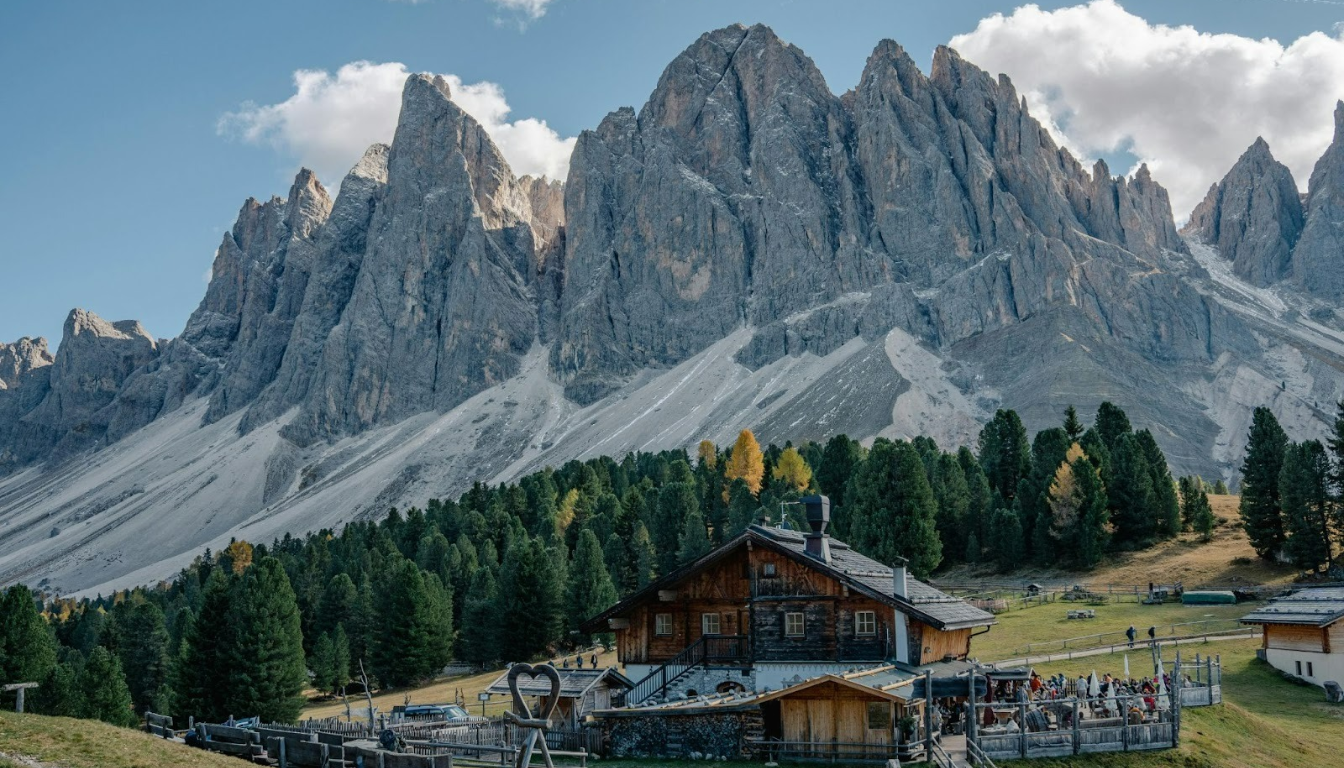
Coastal properties cluster in Monterey Bay in California, the Oregon Coast, Charleston and Hilton Head in South Carolina, and coastal Maine. Ideal timing runs March-June and September-early November, avoiding peak summer crowds and hurricane season.
These executive retreat centers work best for sessions blending strategy with creative thinking and renewal. The ocean rhythm and expansive horizons create an atmosphere where innovation flourishes. Characteristics include private beach access or bluff-top views, large decks for outdoor gatherings, indoor-outdoor meeting areas, and dedicated coordinators experienced with executive groups.
Pros: Restorative atmosphere naturally reduces stress, moderate climates allow year-round use, and abundant group activities.
Cons: Potential fog disruptions, hurricane season considerations, and premium pricing for oceanfront properties.
Countryside Estates and Vineyards ($300-600/night)
Countryside estates thrive in Napa and Sonoma in California, the Willamette Valley in Oregon, the Hudson Valley in New York, and the Texas Hill Country. Prime seasons run April-June and September-October.
These properties work best for board meetings, investor summits, and sessions benefiting from calm surroundings and unhurried conversation. Characteristics include restored manor houses with historic charm, on-site vineyards providing authentic experiences, terraces overlooking rolling fields, and dining programs centered on local, seasonal cuisine.
Pros: Sophisticated atmosphere, strong culinary and wine experiences, picturesque backdrops. Cons: Limited nightlife beyond the property, potential distraction from wine consumption, need for clear alcohol policies.
Urban Luxury Hotels ($350-700/night)
Urban luxury hotels operate in cities like New York, Chicago, San Francisco, Austin, and Atlanta. These 4-5 star properties offer club floors, executive lounges, and high-spec boardrooms within major metropolitan areas.
They work best for retreats combined with client meetings, investor roadshows, or innovation visits where quick access to offices, airports, and external partners is vital. Characteristics include dedicated executive floors with private check-in, soundproof boardrooms with premium A/V, elevated concierge services, and luxurious accommodations.
Pros: Easy travel logistics (often under 30 minutes from the airport), broad dining and entertainment options, strong technology infrastructure. Cons: Less sense of escape from daily business, more potential distractions, and limited exclusive use of common spaces.
Dedicated Executive Conference Centers ($250-450/night)
Purpose-built conference centers cluster near major cities—within an hour of Dallas-Fort Worth, Atlanta, Chicago, or similar hubs. These facilities specialize in productive working sessions rather than leisure experiences.
They work best for content-heavy development programs, multi-day training with external facilitators, and sessions where agenda density is high and leisure is secondary. Characteristics include tiered classrooms, multiple breakout rooms, on-site A/V teams, all-inclusive pricing bundling lodging and meals, and campus-style layouts designed for focused work.
Pros: Predictable budgets simplify planning, excellent meeting infrastructure for intensive sessions, and highly experienced event staff. Cons: Less distinctive ambiance than resort properties, fewer "wow" moments, sometimes basic room décor.
Private Villa or Estate Rentals ($400-1,000+/night)
Private villas operate in destinations like Palm Springs, Lake Tahoe, the Florida Panhandle, and the Hudson Valley. These single-ownership properties are rented for 3-5 nights with your group as sole occupants.
They work best for tight-knit executive teams of 6-14 leaders wanting complete privacy, casual living-room style discussions, and flexible schedules without hotel constraints. Characteristics include multiple ensuite bedrooms, chef's kitchens suitable for private dining, large living areas for informal sessions, pools and hot tubs, and outdoor spaces working for both sessions and downtime.
Pros: Complete privacy and control, residential comfort, unlimited customization of schedules. Cons: Variable Wi-Fi quality (always test before booking), less formal meeting spaces, and the need to arrange staffing and catering separately.
Selecting the Best Destination
Choosing the right region matters as much as the specific property. From leader retreat ideas to destination logistics, every decision shapes the quality of your team's experience.
Start with airport access. Identify which airports your executives will use, and prioritize destinations where most team members reach properties within 90 minutes of landing—preferably with direct flights. For 2-3 day retreats, door-to-door travel exceeding 6-7 hours each way strains executives.
Match timing to regional weather patterns. Mountain West destinations like Colorado shine in September when autumn colors appear. Coastal New England is ideal in June before summer humidity peaks. Arizona works beautifully in March. Shoulder seasons—typically April-May and September-October—often reduce costs by 10-25% while offering pleasant conditions.
Each region offers distinct qualities. West Coast destinations (California, Oregon, Washington) combine an innovative culture with a wellness focus. East Coast options (New England coasts, Hudson Valley, Chesapeake) offer historic properties and excellent culinary scenes. The Mountain West (Colorado, Utah, Montana, Wyoming) provides dramatic natural beauty and isolation, supporting focus. The South (Carolinas, Georgia, Tennessee) delivers warm hospitality and moderate climates. International destinations (Mexico's coastal resorts, Canadian Rockies) add distinction but require passport considerations.
Align the destination feel with your retreat's primary objective. Rugged mountain settings support focused strategy work. Serene coastal calm works for reflection and renewal. Energetic city environments suit innovation workshops.
The Evaluation and Booking Process
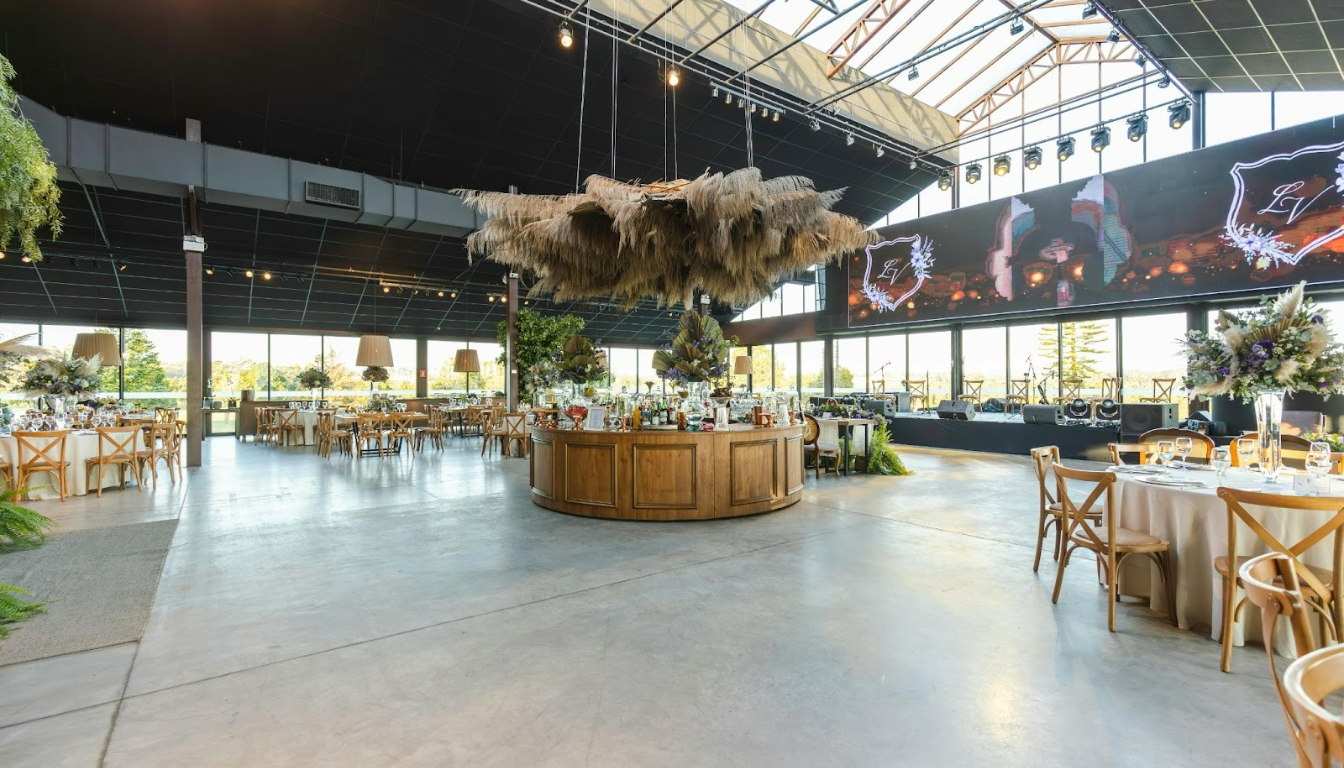
Strong retreats typically follow a 3-6 month planning runway. Disciplined steps through research, site visits, and contracting reduce last-minute stress.
Start by clarifying non-negotiables: group size, budget range per person per night, dates working for key leaders, and essential must-haves like private meeting space or airport proximity under 90 minutes. Document these requirements before looking at properties.
Use online platforms, colleague referrals, and RFPs to create a list of 5-8 potential properties across 1-3 destinations. Request floor plans, sample menus, detailed pricing, and references. Compare proposals against documented criteria and run basic cost scenarios.
Visit finalists in person—this investment consistently pays off. Inspect meeting spaces during active events to hear real noise levels. Walk sample guest rooms and note actual conditions. Test Wi-Fi speeds in multiple locations. Walk actual distances between rooms, meeting spaces, and dining areas.
Review contracts carefully, paying attention to attrition clauses, cancellation timelines, A/V inclusions versus add-on costs, and F&B minimums. Ask for value adds: upgraded rooms for senior leaders, complimentary welcome receptions, waived resort fees, or early check-in flexibility.
Finalize rooming lists, agenda blocks, dietary requirements, and ground transportation 2-3 weeks before arrival. Create a single detailed run-of-show document that the property, your team, and facilitators all share. Confirm A/V setup, room configurations, and meal timing 1 week out.
Be cautious when encountering unresponsive sales teams, vague pricing requiring multiple follow-ups, poor Wi-Fi test results, and reluctance to provide references. Positive indicators include proactive suggestions, fast, clear responses, detailed proposals anticipating your needs, and past experience hosting executive groups.
Common Mistakes When Choosing Properties
Even experienced planners fall into predictable traps. Prioritizing cost over value leads to budget properties sacrificing privacy, meeting quality, or service levels that senior leaders expect. Skipping site visits and booking too close to event dates compound each other—you miss hidden problems like echoey rooms or awkward walking distances.
Ignoring executive comfort standards and overlooking travel logistics drains energy before retreats begin. Tiny rooms, long transfers from distant airports, or complex flight connections leave leaders tired. Failing to test technology and not verifying privacy creates frustration—unstable Wi-Fi disrupts hybrid participants, while noisy adjacent events undermine trust.
Choosing atmosphere over functionality tempts planners toward beautiful properties lacking proper meeting infrastructure. Underestimating dietary complexity ignores that 30-40% of executives now have specific dietary needs. Having no backup plans—no rain alternative for outdoor sessions, no contingency when Wi-Fi fails—assumes everything will go perfectly.
Summary
Choosing the right leadership retreat venue shapes outcomes as much as your agenda and facilitation. The privacy and intimacy of purpose-built executive properties create conditions for honest conversation and breakthrough thinking that generic corporate spaces cannot match. Budgets of $300-800 per person per night for luxury executive retreats reflect the investment serious organizations make in their leaders' ability to step back, think clearly, and align on direction.
The six venue types—boutique mountain lodges, coastal centers, countryside estates, urban luxury hotels, dedicated conference centers, and private villas—each serve distinct purposes. Matching property type to retreat objectives is the first filtering decision. Site visits confirm operational reality; early booking timelines (ideally 4-6 months for peak seasons) secure preferred properties and create time for proper coordination.
Start with destination shortlisting based on your executive team's travel patterns and timing. Define your non-negotiables clearly before reviewing options. Treat venue selection as equal in importance to agenda design—because the right setting unlocks the right conversations.
FAQs
- What should I look for in a leadership retreat venue?

Focus on core criteria separating executive-appropriate properties from standard corporate options. Privacy should be absolute—separated meeting spaces, ability to book full property or dedicated wing, and staff trained in discretion. Scale matters: properties optimized for 5-20 executives create intimacy larger venues cannot replicate.
- How far in advance should I book an executive retreat center?
For an executive retreat center or similar dedicated property, plan on 4-6 months' lead time for peak seasons (spring and fall) in popular regions like California, Colorado, and the Southeast. Competition for premium properties intensifies as dates approach.
- What's the difference between luxury executive retreats and standard corporate venues?
Luxury executive retreats focus on small groups—typically 5-20 leaders—with residential-style spaces designed for intimacy and discretion. Standard corporate options optimize for higher turnover and larger groups, prioritizing efficiency over personalization
- Should I choose an executive wellness retreat or a traditional conference venue?
Choose an executive wellness retreat when your leadership team shows burnout signs, when the organization values health and wellbeing as strategic priorities, or when your agenda benefits from slower pace and reflection time. Wellness-oriented properties offer integrated programming—guided mindfulness sessions, fitness classes, nutrition-focused dining—that supports strategic thinking and recovery simultaneously.
You may also like



Stay Updated with Our Insights
Get exclusive content and valuable updates directly to you.