
Product Team Offsite: How to Plan Roadmap Sessions That Stick

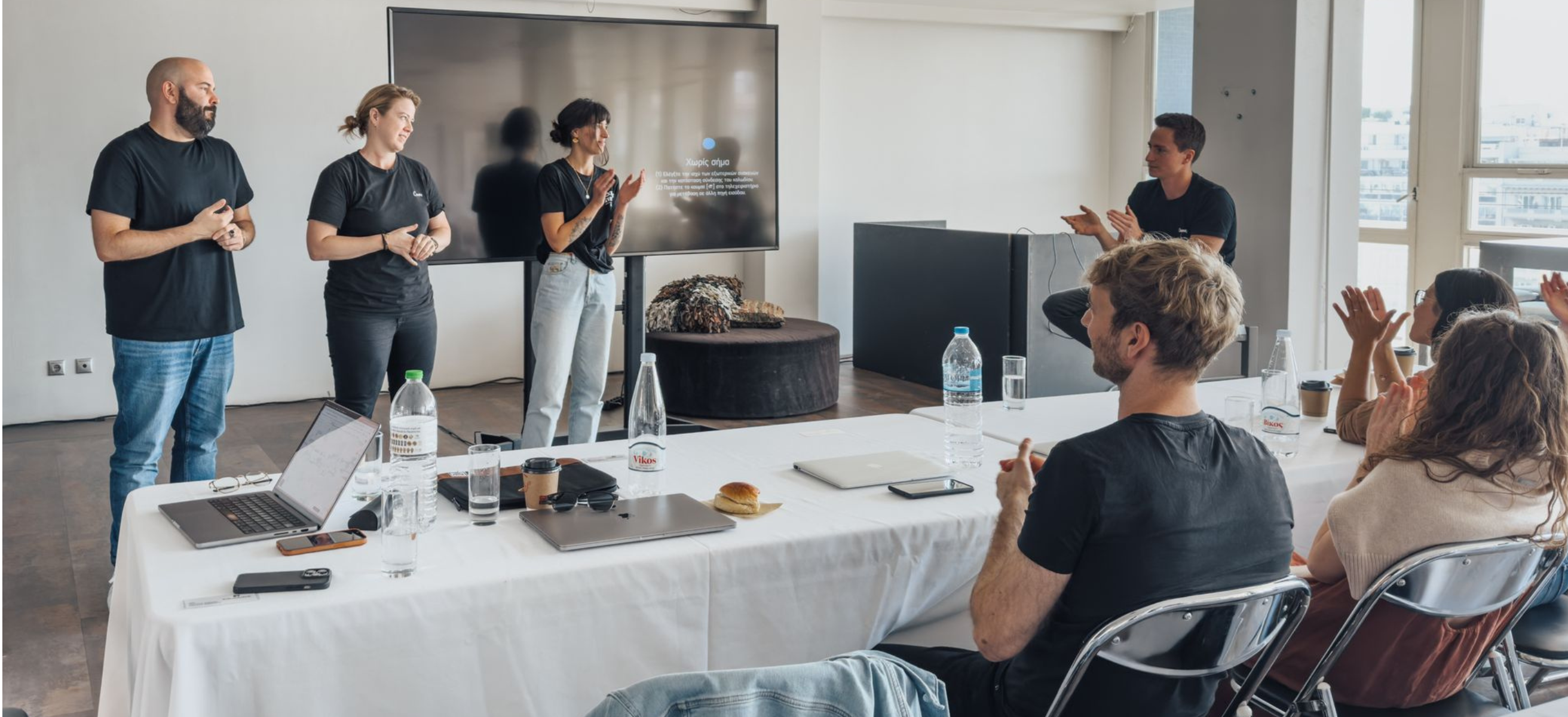
Most product teams have been there: a great offsite, a whiteboard full of priorities, a roadmap everyone agreed to. A month later, half of it has changed and nobody remembers why those calls were made.
Roadmaps fall apart when they're built on vague inputs, decided by whoever argues hardest, or never checked against what engineering can actually build. A standard offsite agenda needs a few changes for product teams to avoid that. This guide covers who to invite, the pre-work that makes roadmap sessions work, a 2-day agenda, and how to run decisions that still hold three months later.
Key Takeaways
- Use a product team offsite for the work that's hardest remotely: roadmap trade-offs, customer insights, and alignment with engineering and design.
- Invite the core product team plus engineering and design leads; bring in go-to-market partners for specific sessions only.
- Do the pre-work: company priorities, customer and usage data, an engineering capacity estimate and a pre-read on candidate bets.
- Agree on how decisions will be made before the roadmap session starts, and prioritize against capacity, not wishes.
- Leave with owners, dates and success metrics, write down what you're not doing, and check in at 30 days.
What a product team offsite is for

A product offsite works best when it focuses on a few things that need everyone in the same room:
- Roadmap and prioritization. Deciding what to build next quarter or next year, and what to drop.
- Customer insights. Reviewing research, usage data and feedback together, so decisions start from the same evidence.
- Alignment with engineering and design. Agreeing on scope, sequencing and trade-offs with the people who'll build it.
- Team health. How the team works, how decisions get made and how to support each other.
Pick two or three of these as goals. An offsite that tries to do everything usually leaves without decisions.
Who to invite
- Core product team: product managers and the product leader who owns the final call.
- Engineering and design leads: essential for roadmap sessions, so plans match what can actually be built.
- Go-to-market partners: sales, marketing or customer success leads for the sessions where their input shapes priorities. They don't need to attend the whole offsite.
- Leadership: a short session with an executive sponsor to confirm the roadmap fits company priorities.
Keep the core group small enough to have a real discussion, usually under 15 people for working sessions.
Pre-work that makes roadmap sessions work
Roadmap sessions go wrong when people arrive with different information. Two to three weeks before the offsite, gather:
- Company priorities. Start from the goals set during annual planning, so the product roadmap supports them.
- Customer and usage data. Key metrics, research findings, top feature requests and churn reasons.
- Engineering capacity. A realistic estimate of how much the team can build, after maintenance and technical debt.
- Candidate bets. A short write-up of each proposed initiative: the problem, the evidence, a rough size and the expected impact.
Send it all as a pre-read at least three days ahead, and ask everyone to come with their top priorities ranked.
A 2-day, 3-night product team offsite agenda
Put the big decisions on the morning of Day 2, when the team has shared context and energy is high.
How to run roadmap sessions that stick
Agree on how you'll decide
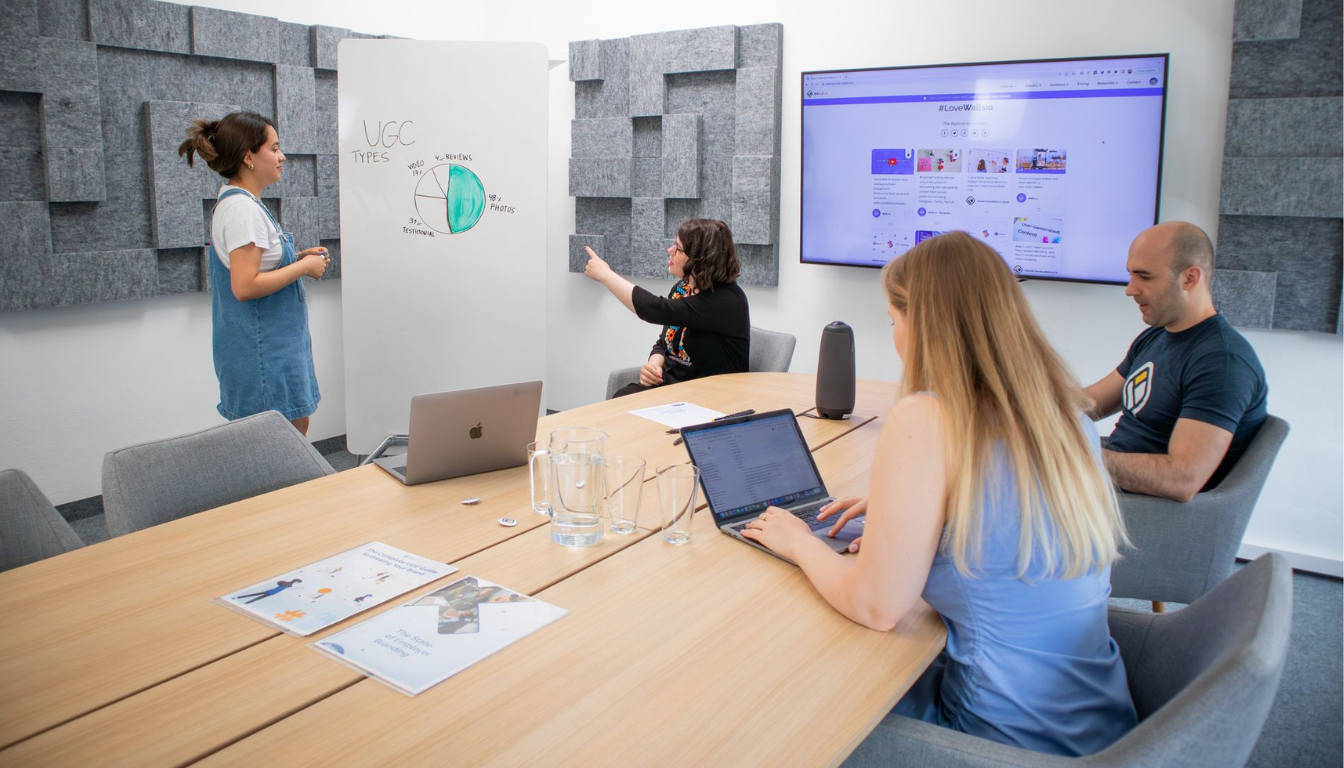
Before debating any initiative, agree on the decision method: who has the final call, and which framework you'll use, such as impact versus effort, RICE scores or a simple ranked vote. This stops the session from becoming a contest of opinions.
Prioritize against capacity, not wishes
Put the engineering capacity estimate on the wall. Every initiative that goes on the roadmap uses part of it. When the capacity is full, the next initiative has to replace something, not squeeze in.
Write down what you're not doing
Make a "not now" list of initiatives you discussed and deliberately deferred, with a one-line reason for each. It's the most useful document when stakeholders ask why their request didn't make it.
Leave with owners, dates and metrics
For every roadmap item, agree on an owner, a target timeframe and how you'll measure success. A roadmap item without an owner tends to drift.
Activities and team time
Product teams benefit from time to think creatively and to connect:
- A discovery or ideation block. Run part of the offsite like an innovation lab off-site to explore new problems without pressure to commit.
- Customer immersion. Watch recorded user sessions together, or invite a customer to join for an hour.
- A shared experience. A cooking class, a guided hike or a local tour gives the team time to talk outside the meeting room.
- Free time. Unstructured time is often where the best ideas and relationships form.
After the offsite

- Share the roadmap and the reasoning within a week, including the "not now" list.
- Walk stakeholders through it so sales, marketing and leadership hear the trade-offs first-hand.
- Check in at 30 days to confirm the plan still holds and flag anything that's changed.
- Review it every quarter, and update the roadmap rather than letting it quietly go out of date.
How much does a product team offsite cost?
Based on current team offsite costs, a fly-in product team offsite of 2 days and 3 nights typically runs about $2,700–$3,000 per person in 2027, including flights, hotel, meals, meeting space and activities. Most offsites fall within $2,000–$4,000+ per person including travel.
Conclusion
A product team offsite should end with a roadmap that still makes sense three months later. Invite the right people, do the pre-work, agree on how decisions will be made, prioritize against real capacity, and write down what you're not doing. Then follow up at 30 days and every quarter. Offsite can find a venue with the right meeting space and handle the travel and logistics, so your product team can focus on the decisions.
FAQs
- What should be on a product team offsite agenda?

A review of metrics and customer insights, pitches for candidate initiatives, a roadmap prioritization session with engineering and design, sequencing and owners, team activities and a wrap-up with decisions and next steps.
- Who should attend a product team offsite?
The core product team, engineering and design leads, and go-to-market partners for the sessions where their input matters. An executive sponsor can join a short session to confirm priorities.
- How do you make roadmap decisions stick after an offsite?
Agree on the decision method first, prioritize against real engineering capacity, write down what you're not doing, assign owners and metrics, and check in at 30 days.
- How long should a product team offsite be?
At least 2 days and 3 nights, which leaves time for context-setting, a full roadmap session, team activities and the informal conversations that make an offsite worthwhile.
You may also like



Stay Updated with Our Insights
Get exclusive content and valuable updates directly to you.