
Remote Team Building Activities: The Complete Guide for Distributed Teams


Struggling to keep your remote team connected? Without water cooler chats and hallway conversations, building team spirit across screens feels challenging. Remote team building activities can transform your virtual workspace from isolated to inspired, giving your distributed team the connection they need to thrive.
Key Takeaways
- Team building activities for remote workers combat isolation and boost productivity by creating intentional connections among distributed employees
- Short 5-minute icebreakers integrated into weekly meetings maintain engagement without extending meeting time significantly
- Interactive games like virtual trivia, escape rooms, and scavenger hunts promote collaboration while keeping teams entertained
- Consistent team building habits (weekly touchpoints, monthly events) strengthen relationships more effectively than occasional long sessions
- Inclusive activities with multiple participation options ensure all team members, including introverts, can engage comfortably
- Clear communication norms and the right mix of tools matter as much as the activities themselves for keeping remote teams connected.
- Regular in-person gatherings, such as retreats or quarterly offsites, reinforce the bonds built virtually and give distributed teams something to look forward to.
Why Your Team Needs Virtual Connection

You've probably noticed the Zoom fatigue, awkward silences, and feeling that your team members are just faces in boxes rather than real collaborators. Remote team building activities aren't nice-to-have perks—they're essential for keeping your team engaged and productive.
When you invest time in virtual team building, you combat the isolation that plagues remote workers. Research shows that teams with regular team-building initiatives experience up to 14% higher productivity and 36% better retention compared to teams without structured activities. Your team members feel more connected personally and professionally, leading to better collaboration and stronger results.
Common Challenges in Remote Team Building
Building remote teams comes with its unique set of challenges. Communication barriers, feelings of isolation, and maintaining a healthy work-life balance are among the most common issues faced by remote workers. These challenges, if not addressed, can lead to decreased employee satisfaction, burnout, and ultimately, higher turnover rates.
Intentional collaboration and regular team meetings are crucial to overcoming these challenges. By understanding and addressing these key issues, you can create a remote work environment that promotes happiness, productivity, hard work, and a strong sense of purpose among your team members.
Communication Barriers
Effective communication is the lifeline of any remote team. Without face-to-face interactions, remote workers often struggle with conveying and understanding messages clearly. Setting up clear communication rules can help establish expectations and facilitate effective communication within the team. Key strategies include:
- Setting up clear communication rules to establish expectations
- Conducting regular one-on-one check-ins
- Holding video calls to foster engagement and build trust among team members.
Feedback channels and appropriate conflict resolution methods are also vital to address issues in communication and enhance team dynamics. Utilizing asynchronous communication tools can further enhance flexibility, allowing team members to respond at times that suit them without the pressure of immediate replies.
These strategies help ensure that everyone makes sense on the same page and works towards common business goals with the same information.
Isolation and Loneliness
Feelings of isolation are a major challenge in building a remote team culture. Remote workers often experience loneliness due to the lack of casual interactions and physical distance from their colleagues. This sense of disconnection can significantly impact employee morale and productivity, making them feel isolated.
To combat these feelings, intentional strategies for connection are essential. Regular informal interactions and team-building activities can promote social interaction and help remote team members strengthen team bonds and feel more connected.
Fostering a sense of belonging is crucial for employee well-being and ensuring that team members feel valued and included in the company’s culture.
Work-Life Balance
Maintaining a balance between work and personal life is crucial for the happiness and productivity of remote employees. Establishing a culture that encourages a healthy work-life balance can significantly enhance employee satisfaction and prevent burnout. Proactive employer support insetting work-life boundaries is essential to prevent remote workers from feeling overwhelmed.
Encouraging remote workers to engage in family activities, hobbies, and other passions helps maintain this balance and supports overall well-being. Remote-first leaders and team managers must prioritize team well-being to ensure that employees who work remotely remain motivated and productive.
Quick Icebreakers That Work

You need icebreakers that energize meetings without making anyone cringe. Here are proven favorites:
Two Truths and a Lie is your go-to classic. Each person shares three statements—two true, one false. Your team guesses the lie. It reveals surprising facts and gets everyone talking. For teams over 20 people, use breakout rooms so everyone participates.
Hot Seat puts one person in the spotlight to answer light-hearted questions from teammates. You'll love how this builds trust and helps quieter members open up.
Rapid Fire Questions gets everyone talking fast. Ask quick, fun questions like "What's your go-to karaoke song?" The fast pace keeps energy high and conversations flowing naturally.
Games Your Team Will Actually Enjoy

Transform boring meetings into memorable experiences with these engaging activities:
Virtual Trivia lets you customize questions around your team's interests. Whether it's pop culture or company history, trivia sparks friendly competition. Try formats like Jeopardy or Pictionary for familiar fun that works perfectly online.
Virtual Escape Rooms challenge your team to solve puzzles together. Teams crack codes and escape themed scenarios like art heists or prison breaks. Keep groups small (5-7 people) for maximum interaction. You'll need video conferencing software, but the collaboration payoff is worth it.
Virtual Scavenger Hunts inject instant energy into meetings. Give your team 60 seconds to find household items based on prompts. First person back wins points. It's competitive, hilarious, and completely free to organize.
Virtual Bingo offers nostalgic fun for all ages. This familiar game format works well for remote teams and requires minimal setup
Creative Remote Team-Building Activities That Build Connections

Go beyond standard games with these bonding experiences:
Virtual Cooking Classes bring everyone together over shared culinary adventures. Host a virtual team dinner where everyone cooks the same recipe, then eats together over video. You'll explore cuisines, swap recipes, and create memorable moments.
Show and Tell gives members 3-5 minutes to share meaningful objects and their stories. This simple activity reveals personal sides of colleagues and builds team empathy.
Virtual Happy Hours provide relaxed spaces for casual conversation. Set up a Zoom link, invite everyone to bring their beverage of choice, and let conversations flow. Add activities like sharing interesting facts about yourselves for deeper connections.
Digital Drawing Challenges spark creativity and laughter. Use platforms like Skribbl.io where players take turns drawing while others guess. It's like Pictionary for the digital age, requiring no artistic skill.
Quick Activities for Regular Meetings

You don't need hour-long sessions to build team spirit. The 8% Rule suggests dedicating just 8% of meeting time to team building—only 5 minutes in a one-hour meeting.
Start meetings with a Mood Meter. Ask everyone to rate their day on a 1-7 scale or describe their week in one word. This quick check-in provides insights into team sentiment and opens doors for meaningful conversations.
Try Weekend Photo Contests where members share and vote on weekend photos. It's a light-hearted way to learn about each other's lives outside work.
Use random icebreaker generators to ask spontaneous questions. This keeps things fresh and prevents repetitive questions every week.
Assessments and Recognition
Personality Assessments and Team Discussions
Structured personality or strengths assessments followed by team discussion create a framework for understanding how each person prefers to communicate, receive feedback, and approach collaboration. Widely used tools include the Myers-Briggs Type Indicator (MBTI), the Clifton Strengths assessment, the 5 Love Languages for professional appreciation styles, and the Enneagram. The discussion after the assessment is as valuable as the assessment itself: teams that openly discuss working styles and preferences navigate conflict and collaboration more effectively than those that assume alignment.
Employe Recognition and Peer Kudos Programs
Consistent, specific recognition of employee contributions is one of the highest-leverage team building remote working investments available. Platforms like Motivosity, Bonusly, and Slack integrations such as Hey Taco make peer recognition easy and visible across the organization. Leadership modeling matters significantly: when managers recognize contributions publicly and specifically, participation rates among peers increase. Building recognition into regular team meetings—a standing two-minute appreciation segment—creates a predictable cadence that reinforces a culture of acknowledgment without requiring a separate event.
Choosing the Right Tools for Remote Teams
Asynchronous Communication Tools
Asynchronous communication is key for flexible and distraction-free work in remote environments. Converting some team communications to asynchronous formats can enhance meeting efficiency and reduce scheduling conflicts. This approach allows team members to respond at times that suit them, reducing the pressure for immediate replies.
Recommended tools for asynchronous communication include Notion, GitLab, Loom, and Slack. Managers in remote workplaces should set an example, respect boundaries, and meet regularly to effectively implement asynchronous communication.
Video Conferencing Software
Video conferencing software is essential for maintaining clear communication and collaboration among remote team members. Choosing the right video call conferencing software can significantly enhance team productivity by improving communication efficiency and reducing misunderstandings. Popular video conferencing tools like Zoom, Microsoft Teams, and Google Meet offer features such as screen sharing, recording options, and integration with other tools, catering to different needs.
These right tools facilitate real-time interactions, ensuring that remote team members can collaborate effectively and stay connected, thus contributing to a strong remote work culture.
Project Management Tools That Support Collaboration
Team building remote working is reinforced by the daily tools teams use to work together. Project management platforms like Monday.com, Asana, Wrike, and Notion reduce communication friction by creating shared visibility into work status, priorities, and progress. Visual collaboration tools like Miro support real-time brainstorming and co-creation in ways that email and chat cannot. When teams can see each other’s contributions clearly and collaborate without coordination overhead, the relational benefits of teambuilding activities are reinforced daily rather than reserved for scheduled events.
Building Consistent Team Culture
The real magic happens when you make remote team building a habit rather than a one-off event. Regular virtual coffee chats, monthly workshops, and quarterly celebrations create ongoing connections that strengthen over time.
Consider guided meditation sessions to reduce stress and promote wellbeing. Try virtual fitness classes that encourage healthy competition while improving team health. These activities show you care about team members as whole people.
Skill-sharing sessions let members teach each other through mini-workshops. This fosters continuous learning and mutual support while building appreciation for everyone's unique abilities.
For professionally designed experiences, platforms like Offsite offer curated virtual team building activities that integrate smoothly into your workflow without extensive planning.
Supporting Growth and Wellbeing
Promoting employee engagement and wellbeing is essential for maintaining a productive and motivated remote team. Encouraging mental health support and recognizing achievements can prevent burnout and maintain morale. Activities like wellbeing challenges, mental health insurance, and additional mental health days can significantly support remote employee wellbeing.
Leaders and team leaders can promote employee wellbeing through well-structured programs and clear communication for employees working in remote work culture. Regular engagement surveys can help identify strengths and weaknesses in remote work culture, allowing for continuous improvement.
By prioritizing employee engagement and wellbeing, companies can foster a great company culture that supports a healthy work-life balance, high employee morale, and a positive employee experience.
Professional Development Opportunities
Offering professional development opportunities is essential to enhance remote employees’ skills and support their career growth. The benefits of professional development include engagement, improved retention, career growth, and skill development. Examples of professional development activities for remote teams include workshops, training sessions, and mentorship programs.
Mentorship programs are particularly effective in enhancing career growth and providing necessary support as remote employees navigate their professional journeys. Employers should be proactive in helping remote employees find a healthy work/life balance to enhance overall productivity and satisfaction.
Measuring What's Working
Measuring and improving remote work culture is crucial for ensuring its effectiveness. Key approaches include:
- Engaging in continuous professional development, which is linked to higher retention rates among remote workers.
- Regularly assessing employee engagement and turnover rates to gain insights into the effectiveness of remote work culture.
- Using anonymous surveys to encourage remote employees to share honest feedback about their experiences and concerns.
A strong remote culture contributes to reduced employee turnover and higher productivity levels. By continuously measuring and improving remote work culture, companies can ensure a positive culture and productive remote workplace, fostering a strong remote company culture.
Employee Surveys and Feedback
Employee surveys and feedback are essential tools for understanding what works and what doesn’t in the remote work culture. Surveys should focus on employee satisfaction and perceived support to gather valuable insights for cultural enhancement. Utilizing structured feedback sessions can create predictability and encourage continuous improvement among remote teams.
Most companies find that regularly collecting and acting on employee feedback helps maintain a good workplace culture and high employee morale. This approach ensures that remote employees feel heard and valued, contributing to a strong remote work culture.
Analyzing Engagement Metrics
Tracking engagement metrics helps organizations evaluate the success of remote work culture initiatives. Continuous feedback loops foster an ongoing process of adaptive culture, enabling companies to respond effectively to employee needs.
By analyzing these metrics, companies can make informed decisions to measure employee engagement and maintain a positive workplace culture.
Bringing Remote Teams Together In Person
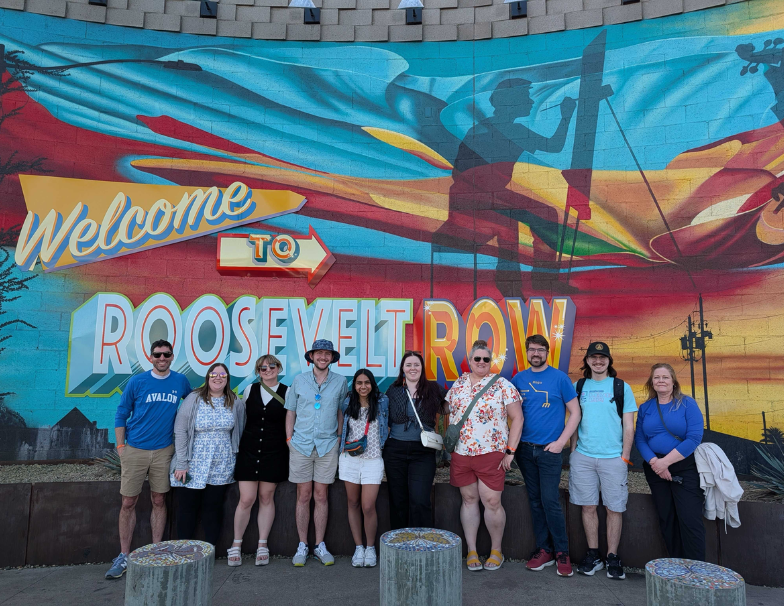
In-person gatherings are essential for reinforcing team culture and relationships among remote teams. If in-person gatherings are not possible, creating a virtual retreat or offsite can serve as an effective alternative. These gatherings provide opportunities for deeper team bonding and improved collaboration outside the usual work environment.
Organizing offsites quarterly can help maintain team alignment and rejuvenate team dynamics by breaking the routine. These strategies ensure that remote team members feel connected and aligned with the company’s culture and goals.
Corporate Retreats
Corporate retreats provide opportunities for team members to connect and cultivate stronger relationships outside of the regular work environment. Extra bonding time and teamwork opportunities are major benefits of larger company offsites for remote teams. When planning successful offsite events, consider selecting locations that foster collaboration and ensure a blend of structured activities and free time.
By investing in corporate retreats, companies can significantly enhance team cohesion and trust among remote workers, contributing to a strong remote work culture.
Quarterly Offsites
Quarterly offsites are essential gatherings that reinforce the connections among remote teams. These gatherings provide a platform for team members to engage in face-to-face interactions, enhancing team cohesion and alignment. Successful offsite planning involves clear objectives, a well-structured agenda, and activities that encourage teamwork and collaboration. Organizations increasingly turn to specialized platforms—such as those provided by companies like Offsite—to streamline the planning and execution of these events, ensuring they are both meaningful and logistically sound. Overall, quarterly offsites help in maintaining a strong remote team culture and ensure that everyone stays aligned with the company’s goals.
Making It Work for Your Team
Start small with 5-minute icebreakers in your next meeting. Once you see the energy shift, gradually add more diverse activities.
Remember that inclusivity matters. Provide options for introverts through breakout rooms or written alternatives. Give advance notice when possible, and let people participate in comfortable ways.
Mix up your activities regularly. Rotate between competitive games, creative challenges, and casual social time. This variety ensures everyone finds something enjoyable and prevents repetitive feelings.
Track what works by asking for feedback and monitoring engagement. Pay attention to which activities generate the most participation, then do more of those. Your team will tell you what resonates.
Summary
Remote team building doesn't have to be complicated. Start by trying one icebreaker in your next meeting. Notice how it changes the energy and engagement. Then gradually build a program that fits your team's unique culture.
The investment you make in virtual team building pays dividends through improved collaboration, higher morale, and stronger performance. Your remote team can be just as connected as any in-office group—it just takes intentional effort and the right activities.
FAQs
- How often should we do remote team building activities?

Integrate short activities (5-10 minutes) into weekly meetings, and host longer events monthly. Consistency matters more than duration—regular touchpoints maintain connection better than occasional long sessions.
- What if team members don't want to participate?
Make activities optional and low-pressure. Offer multiple ways to engage so everyone participates comfortably. Sometimes resistance comes from poorly chosen activities rather than dislike of team building itself. Ask for input on what your team would enjoy.
- How do we measure if it's working?
Track engagement during activities, survey team members, monitor communication pattern changes, and assess impacts on productivity and retention. Both quantitative metrics and qualitative feedback provide valuable insights.
- What's the best activity for new remote teams?
Start with simple icebreakers like Two Truths and a Lie or virtual scavenger hunts. These require no preparation and help people learn basic facts quickly. Once comfortable, introduce more complex activities.
You may also like


Stay Updated with Our Insights
Get exclusive content and valuable updates directly to you.