
SKO Agenda: Full Sample Sales Kickoff Meeting Schedule

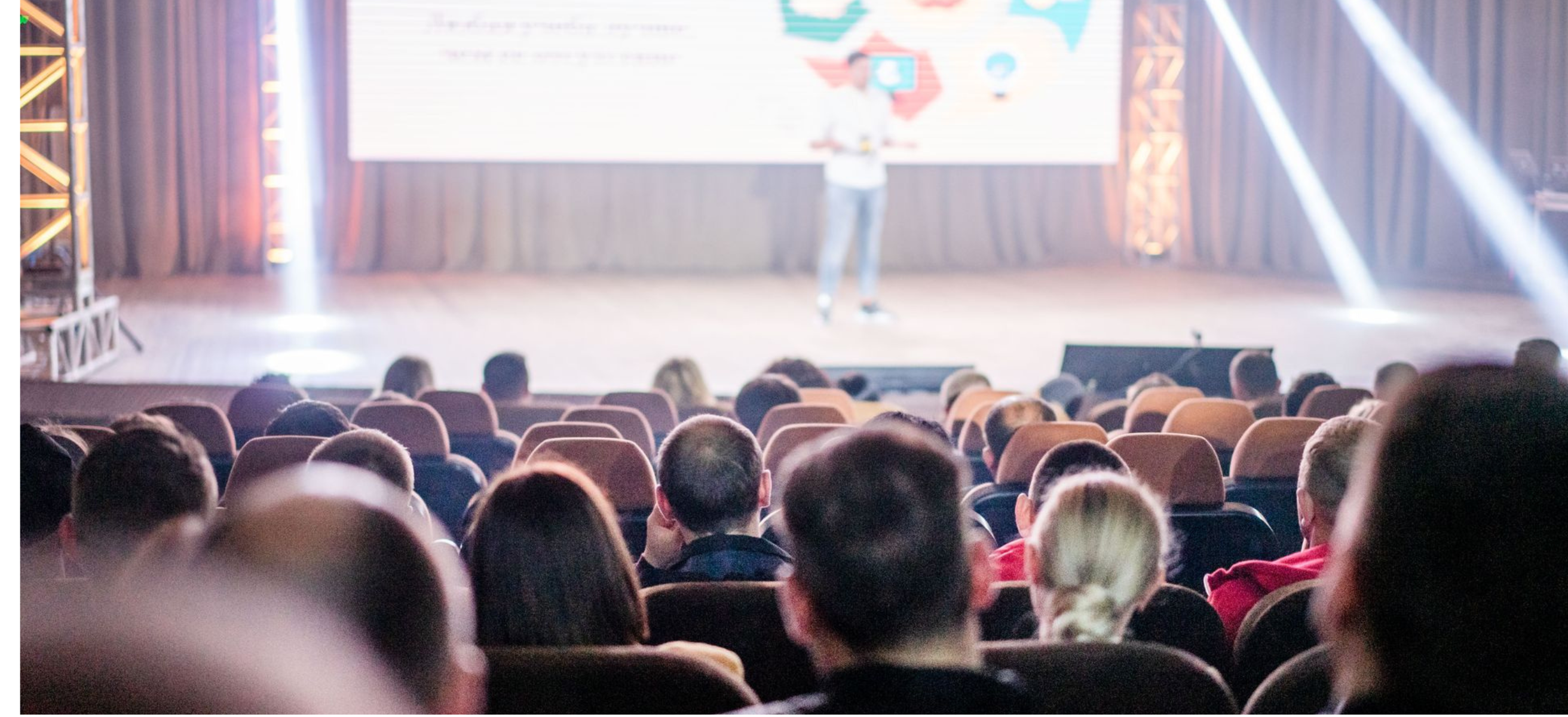
If you've ever been handed the job of building an SKO agenda two months before the event, you already know the pressure. A sales kickoff isn't just a meeting — it's the moment that sets the tone, the targets, and the team energy for the entire year ahead. A weak agenda means a room full of reps checking their phones. A strong one means people leave fired up and already talking about how they're going to hit number.
Whether you're an HR executive coordinating logistics, an executive assistant building the run-of-show, or the planner pulling the whole event together, this guide gives you a complete sample sales kickoff meeting agenda you can adapt, plus the day-by-day tips that make it actually land.
Key Takeaways
- A great SKO agenda balances strategy, skill-building, recognition, and unstructured time — not just back-to-back presentations.
- The first 90 minutes of any sales kickoff set the emotional tone for the rest of the event; open strong.
- Breaking each day into themed blocks (vision, skills, celebration) keeps energy from flatlining by hour four.
- Building in real breaks, informal time, and one social event is not filler — it's where culture and buy-in actually form.
- Venue and logistics should be locked before the content agenda, since room layout and location shape what sessions are even possible.
- A sample two-day agenda works for most mid-sized sales teams; larger orgs often extend to three days.
Before You Build the Agenda: What to Nail Down First
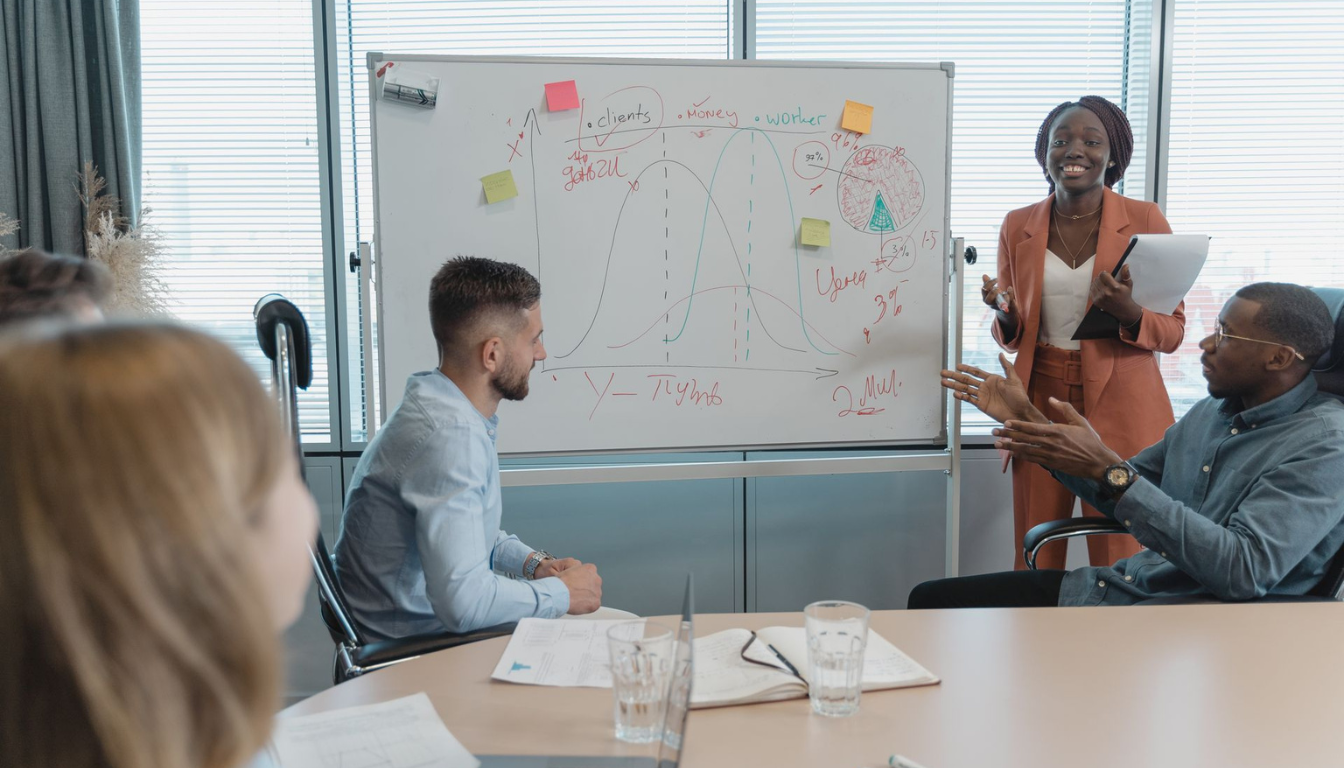
Before you start dropping session titles into a calendar invite, get four things confirmed. If you're starting from a blank page, this SKO sales kickoff guide walks through the full process end to end.
Objectives. Is this SKO primarily about a new product launch, a territory realignment, a culture reset, or straightforward number-setting for the year? Your sales kickoff agenda should be built around one dominant objective, with everything else supporting it.
Attendee mix. Is this reps-only, or does it include sales engineers, customer success, and marketing? Mixed audiences need more cross-functional sessions; reps-only events can go deeper on tactical enablement.
Format. In-person, hybrid, or fully virtual changes everything about pacing. In-person SKOs can run longer, denser days because there's built-in energy from the room. Virtual kickoffs need shorter blocks and more frequent breaks to avoid screen fatigue.
Venue and logistics. Lock the space, catering, and AV before finalizing session times. A resort property with breakout rooms opens up small-group workshops that a single conference room can't support. This is usually where teams bring in a platform like Offsite, which handles venue sourcing and on-site logistics so the planning team can focus on content instead of chasing vendor contracts.
Once those four pieces are settled, the actual agenda-building gets much easier.
Full Sample SKO Agenda: Day 1
Morning: Vision and Alignment
8:00 – 9:00 AM — Registration, Breakfast, and Networking. Give people time to settle in, grab coffee, and reconnect with colleagues they may only see once or twice a year. Play music, have name badges ready, and avoid scheduling any content in this window.
9:00 – 10:00 AM — Opening Keynote: State of the Business. This is the highest-energy slot of the entire event. Sales leadership presents the year-in-review, the year-ahead strategy, and the "why" behind the numbers. Keep slides light on data-dumps and heavy on narrative. Building this sales kickoff presentation well is worth its own deep-dive, since the opening keynote sets the tone for everything that follows.
10:15 – 11:15 AM — Product and Market Update. Product or marketing leadership walks through what's new, what's changing, and what reps need to know to sell it. This is also where competitive positioning updates typically land.
11:30 AM – 12:30 PM — Breakout Sessions: Territory and Segment Deep-Dives. Split into smaller groups by region or vertical for more targeted planning conversations. This is where a venue with multiple breakout rooms earns its keep.
Afternoon: Skills and Strategy
12:30 – 1:30 PM — Lunch. Keep this unstructured. Resist the urge to schedule a "working lunch" on day one — people need a real reset before the afternoon push.
1:30 – 3:00 PM — Enablement Workshop: New Playbook or Methodology. Hands-on training on whatever sales methodology, tool, or process is new this year. Interactive formats (role-play, breakout practice) work far better than lecture-style delivery here.
3:15 – 4:15 PM — Panel: Voices from the Field. Top performers or customer-facing panelists share what's working. Peer credibility often lands harder than anything from leadership.
4:30 – 5:30 PM — Manager Huddles. Sales managers meet with their direct teams to translate the day's big-picture content into specific, individual goals.
7:00 PM — Welcome Dinner or Social Event. An evening social event, even something simple like a group dinner, is where a lot of the real relationship-building happens. Don't skip it to save budget — it's often the most-cited highlight in post-SKO surveys.
Full Sample SKO Agenda: Day 2
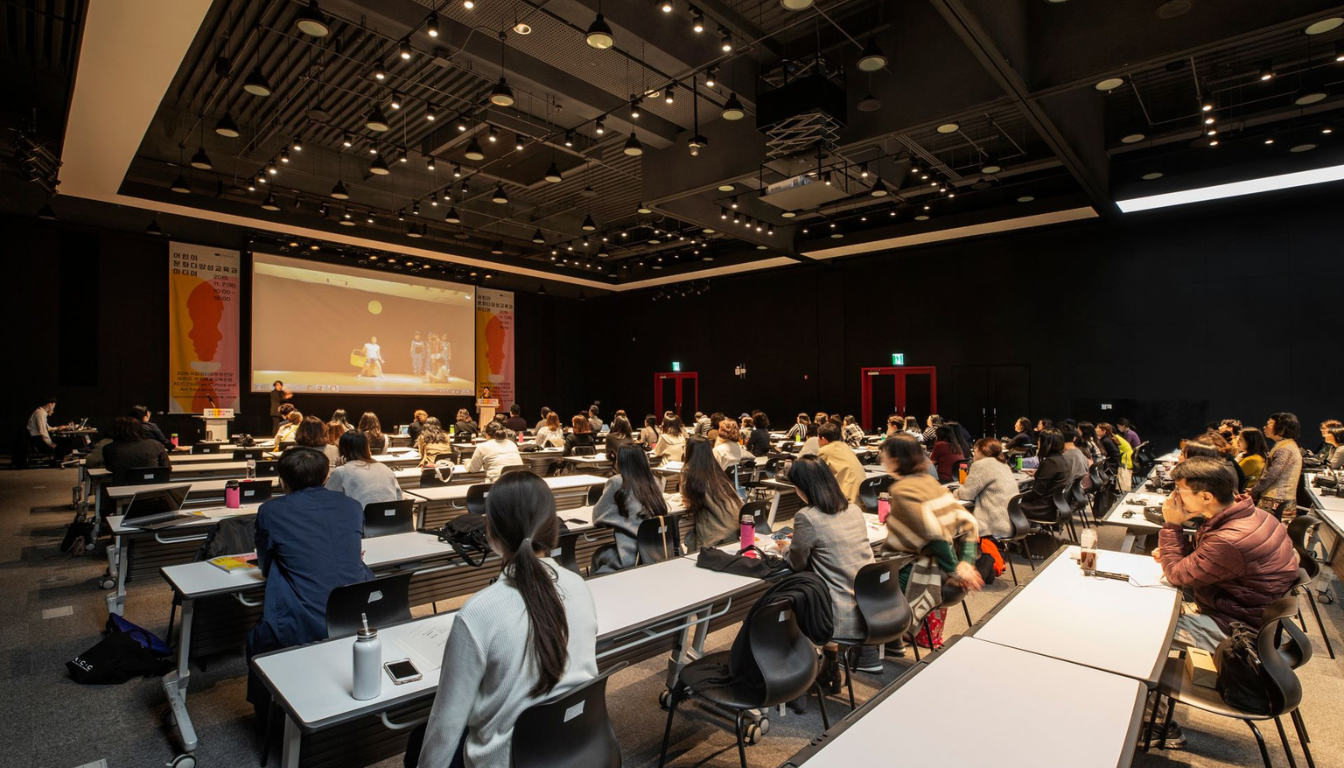
Morning: Skill-Building and Enablement
8:30 – 9:00 AM — Breakfast
9:00 – 10:30 AM — Deep-Dive Training: Product or Vertical Specialization. Smaller, more technical sessions where reps can specialize based on their patch or focus area.
10:45 AM – 12:00 PM — Role-Play and Certification. Structured practice with real scenarios, sometimes ending in a light certification or skills check to reinforce what was taught.
Afternoon: Recognition and Send-Off
12:00 – 1:00 PM — Lunch
1:00 – 2:00 PM — Awards and Recognition. This slot is all about employee recognition — celebrate top performers from the prior year with real numbers and real stories, rather than generic praise.
2:15 – 3:15 PM — Closing Keynote: Call to Action. Leadership closes with a clear, energizing charge for the year ahead. This should feel like a rally, not a recap.
3:30 – 4:30 PM — Optional Team-Building Activity. A lighter, informal closing activity gives people a positive final memory of the event before they head home. Need inspiration? These sales kickoff ideas go well beyond generic trust falls.
For three-day SKOs, many teams add a dedicated "customer day" (case studies, customer panels) or an extra hands-on certification day between Day 1 and Day 2 above.
Day-by-Day Tips to Keep Energy High
Keeping momentum across two full days of dense content is the hardest part of any SKO. A few well-placed meeting energizers between sessions make a bigger difference than most planners expect:
- Front-load the hardest content. Attention and energy are highest on Day 1 morning — put your most important strategic messaging there, not buried on Day 2 afternoon.
- Never schedule more than 90 minutes without a break. Even a 10-minute stretch break meaningfully resets attention span.
- Vary the format every session. Alternate between keynote, workshop, panel, and breakout so no two consecutive blocks feel the same.
- Build in one genuinely social event. Whether it's a dinner, an offsite activity, or a casual happy hour, informal time is where culture actually forms.
- End on emotion, not logistics. Close with a rally, not a wrap-up email review — people should walk out energized, not just informed.
Common SKO Agenda Mistakes to Avoid

Even experienced planners fall into a few predictable traps. The most common is overpacking the schedule — trying to fit a full year of updates into two days leaves no room to breathe, and retention drops sharply after the third or fourth back-to-back session. A close second is neglecting unstructured time; without it, reps don't get the informal conversations that often matter more than the official agenda. Finally, many agendas underinvest in the send-off, ending on a logistics recap instead of the emotional high note that actually carries momentum into the new quarter.
Summary
A strong SKO agenda isn't just a schedule — it's the framework that turns a room full of individual contributors into an aligned, motivated team for the year ahead. The most effective agendas balance big-picture strategy with hands-on skill-building, break up dense content with genuine social time, and close on a high note rather than a logistics recap. Whether you're running a lean two-day event or a fuller three-day kickoff, the core structure stays the same: open strong, teach deep, recognize genuinely, and send people off energized.
Getting the content right is half the battle — the other half is making sure the venue, catering, and on-site logistics don't become a last-minute scramble. That's typically where planning teams lean on a partner like Offsite, which can source the right venue and manage the on-the-ground details so the agenda above can actually run the way it's designed to.
FAQs
- What's a typical length for a sales kickoff meeting agenda?

Most SKOs run two to three days. A two-day sales kickoff agenda suits mid-sized teams (50–200 reps), while larger or more complex sales orgs often extend to three days to fit in vertical-specific training or an added customer-facing day.
- How far in advance should you build your SKO agenda?
Start eight to twelve weeks out. Venue and logistics should be locked first, since room configuration and location often determine which session formats (breakouts, workshops, large keynotes) are even possible.
- Should an SKO agenda include unstructured or social time?
Yes — dedicated social time, such as a welcome dinner or closing activity, consistently ranks among the highest-value parts of a sales kickoff in post-event feedback, even though it doesn't show up as "content" on paper.
- Who should own building the SKO agenda?
It's usually a joint effort: sales leadership sets the strategic priorities and content, while HR, an executive assistant, or an event planner typically owns the run-of-show, logistics, and vendor coordination.
You may also like


Stay Updated with Our Insights
Get exclusive content and valuable updates directly to you.