
Leadership Retreat Planning Guide: The Complete Steps


Planning a leadership retreat? This guide covers everything you need —from setting clear objectives and choosing the right venue to building a balanced agenda, selecting activities, and measuring success afterward. Whether you're planning your first leadership offsite or refining an established program, here's how to do it right.
Key Takeaways
- Leadership retreats are strategic investments in your people — define clear objectives upfront so every element of the retreat serves a purpose.
- The most effective retreats balance structured work sessions with team building, wellness, and genuine unstructured time.
- Skill development, community engagement, and technology are the angles that make leadership retreats distinct — lean into them.
- Gathering feedback and tracking KPIs after the retreat is what turns a good event into a continuously improving program.
- Working with a professional planner removes the logistics burden and lets your leadership team focus on what matters.
What Is a Leadership Retreat?
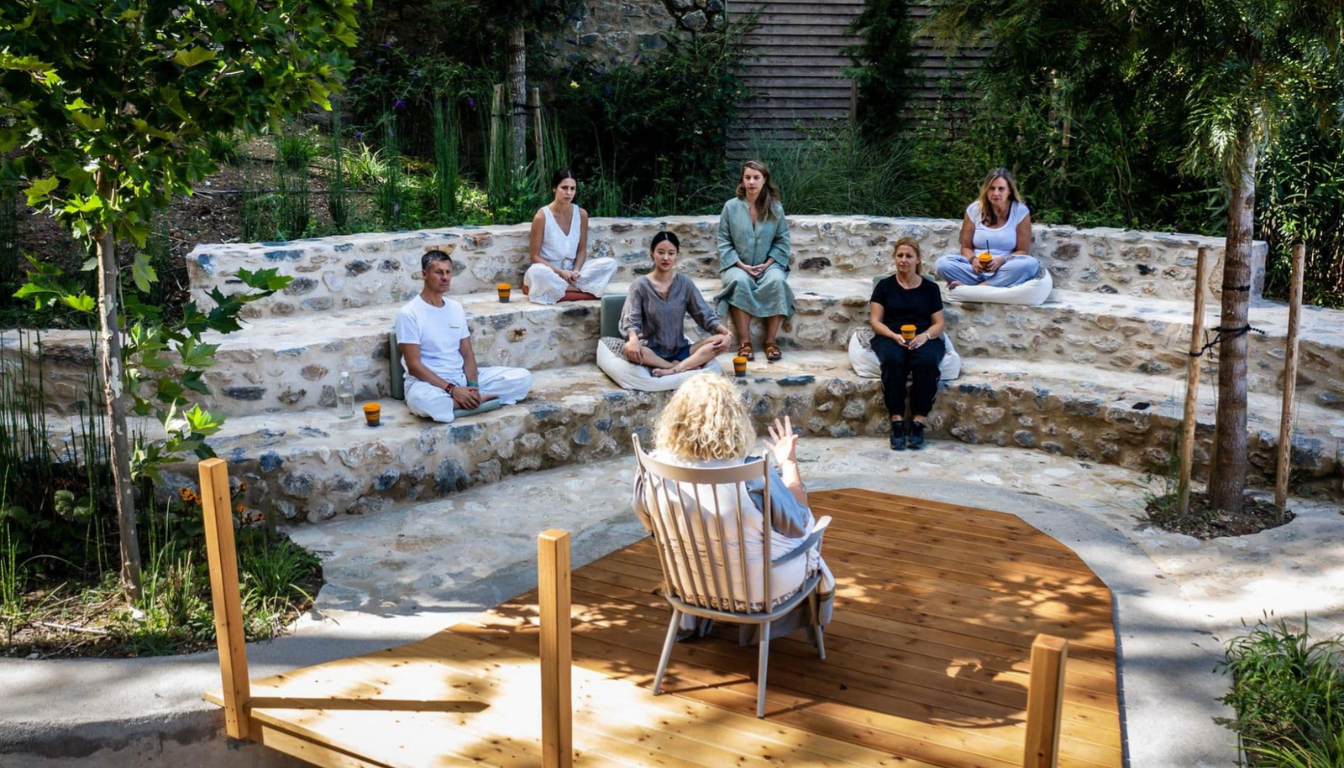
A leadership retreat is a structured, off-site event that gives leaders dedicated time away from day-to-day operations to focus on personal growth, team dynamics, and organizational strategy. Unlike a standard meeting or conference, a leadership retreat creates a distraction-free environment where leaders can reflect, connect, and think at a higher level.
The primary goal is to enhance both individual leadership capability and collective team cohesion through a combination of strategic planning sessions, skill-building workshops, and activities that strengthen relationships across the leadership group.
Leadership retreats are distinct from executive retreats in one important way: they serve a broader leadership population. While executive retreats focus on C-suite and senior decision-makers working on org-level strategy, leadership retreats typically include managers, team leads, and emerging leaders — people being developed for greater responsibility. The emphasis is on capability-building and team performance as much as strategic alignment.
Done well, a leadership retreat doesn't just energize participants for a week. It produces measurable improvements in how the team communicates, collaborates, and performs long after everyone returns to the office.
Benefits of Leadership Retreats
The case for investing in leadership retreats goes well beyond morale. The benefits compound over time and show up in measurable organizational outcomes.
Team cohesion and trust
Shared experiences — whether a challenging workshop or a casual dinner — build the kind of interpersonal trust that's hard to develop in a meeting room. Leaders who trust each other communicate more openly and collaborate more effectively.
Strategic alignment
Time away from daily operations creates space for the big-picture thinking that gets crowded out by inbox management. Retreats give leadership teams a focused window to align on priorities, resolve misalignments, and set a unified direction.
Professional development
Workshops, seminars, and skill-building sessions allow leaders to develop capabilities — decision-making, emotional intelligence, communication — that directly improve individual and team performance.
Improved organizational culture
Leadership retreats signal that the organization invests in its people. That has a real effect on morale, engagement, and retention — not just for the leaders in the room but for the teams they lead.
Renewed energy and focus
Stepping away from routine recharges motivation and clarity. Leaders who return from a well-run retreat are more focused, more connected to the organization's mission, and more effective in their roles.
Step 1: Define Clear Objectives
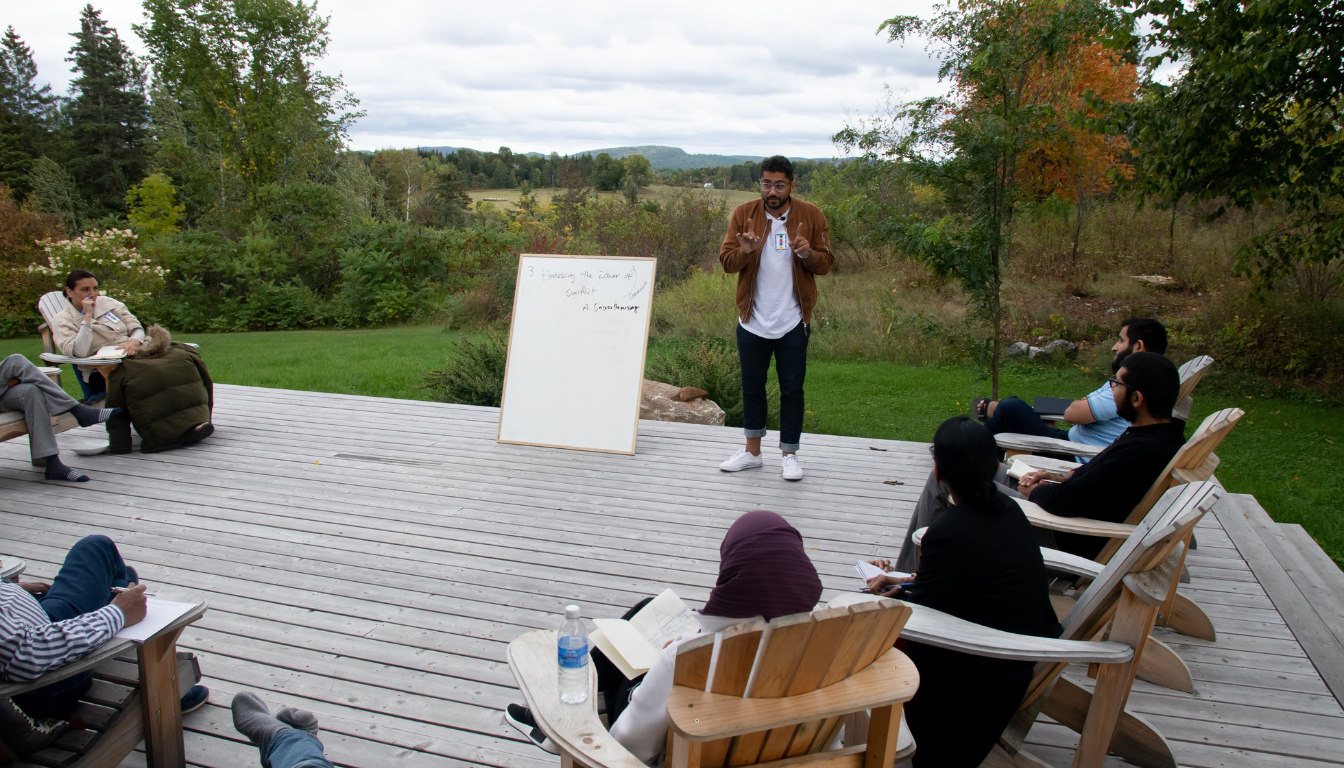
Every effective leadership retreat starts with a clearly defined purpose. Without it, you're making dozens of decisions — venue, agenda, activities, duration —without a compass.
Start by identifying what your leadership team needs most right now. Common leadership retreat objectives include:
- Strengthening relationships and trust across the leadership group
- Developing specific leadership skills — communication, decision-making, emotional intelligence
- Aligning on team or departmental priorities and goals
- Onboarding new leaders into the culture and the team
- Addressing a specific challenge the team is facing collaboratively
- Celebrating milestones and resetting motivation
Involve team members in the goal-setting process — ask what they want to get out of there treat before you build the agenda. Retreats that reflect genuine team needs generate far more engagement than those designed top-down.
Clear objectives simplify every decision that follows: the venue, the facilitator, and the activities. When you know what you're trying to achieve, the rest falls into place.
Step 2: Understand Your Team's Needs
Before finalizing the agenda, take time to understand what your leadership team actually needs — not just what leadership assumes they need.
Survey participants ahead of the retreat. Ask which skills they want to develop, what challenges they're facing, and what they'd find most valuable in a retreat format. This input does two things: it gives you better data for planning, and it creates buy-in before the retreat even starts.
Consider the mix of people in the room. Different experience levels, functions, and working styles all affect which activities and formats will land. A retreat agenda that works for a seasoned leadership team won't necessarily work for a group of newly promoted managers.
Also be explicit about the balance between work and recovery. Some teams need more structured development time; others are already stretched and need there treat to include genuine downtime. Getting this balance right is one of the most important planning decisions you'll make.
Step 3: Choose the Right Venue
The venue shapes the entire experience. A space that removes daily distractions, supports both focused work and informal connection, and feels like a genuine departure from the office creates the conditions for a successful retreat.
Key factors to evaluate
- Accessibility — minimize travel friction for the whole group
- Adequate meeting rooms and breakout spaces for different session formats
- Comfortable on-site accommodation so the team stays together
- Technology requirements (AV, reliable WiFi, presentation setups)
- Dining flexibility, including options for dietary needs and preferences
- Outdoor or leisure facilities for team building and wellness activities
For teams that want to fully unplug, remote or nature-based settings with limited connectivity support deeper focus and more candid conversation. For groups that need reliable tech infrastructure, full-service properties with dedicated conference facilities are a better fit.
Choosing a private venue — or booking out a dedicated wing or floor — minimizes external distractions and creates a stronger sense of shared experience. Always do a site visit before committing.
Step 4: Build a Realistic Budget
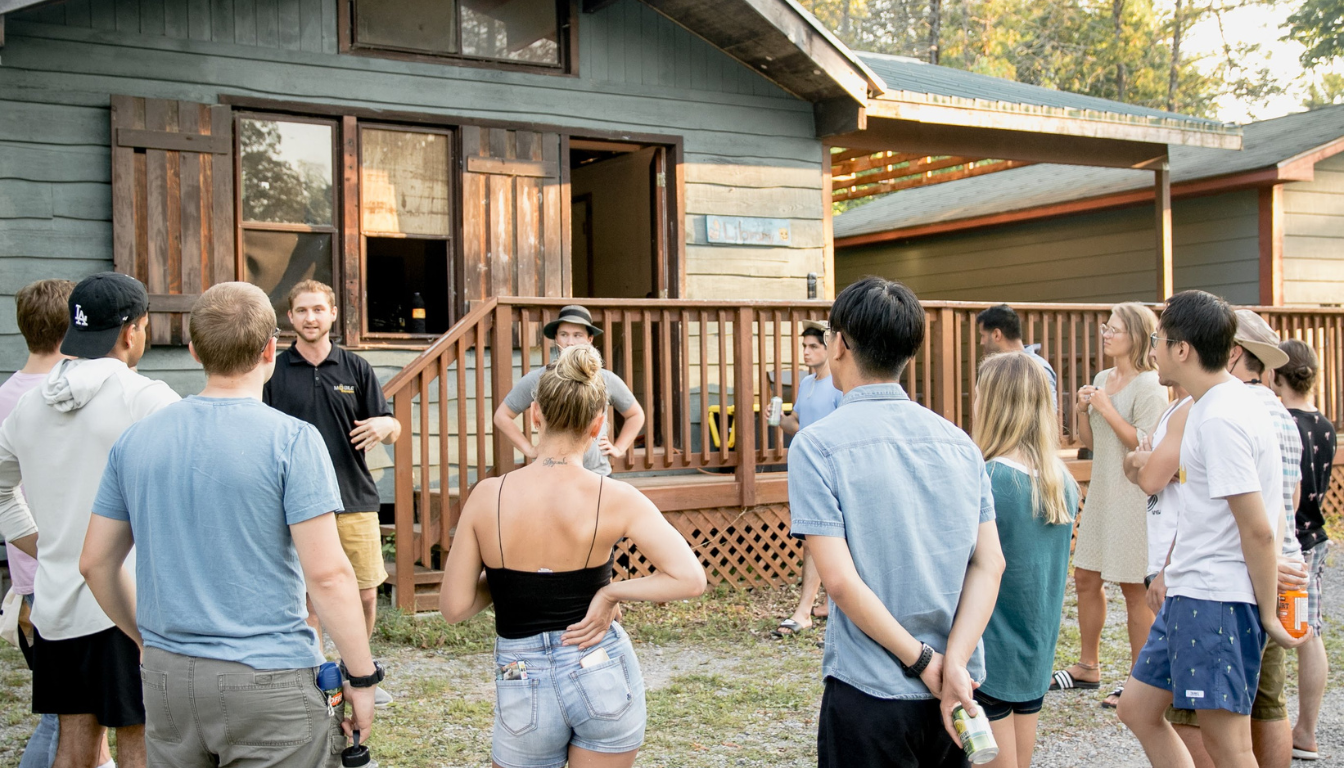
Plan early and account for everything. Budget surprises are one of the most common reasons retreats get cut short or compromised.
Typical budget breakdown
- Transportation: 15–25% of total budget
- Accommodation: 25–35% (usually the largest line item)
- Meals and beverages: 20–30%
- Activities and workshops: 10–15%
- Facilitation and speakers: variable, but often overlooked
- Contingency fund: 10% minimum for unexpected costs
Leadership retreats typically run $2,000–$4,000+ per person depending on group size, location, duration, and the level of facilitation involved.
- Economy tier (~$2,000/person for a 2-day event): business hotels, internal facilitation
- Standard tier ($2,500–$3,500/person): boutique properties, external facilitators
- Premium tier ($4,000+/person): luxury venues, top-tier facilitators
A few ways to manage costs without cutting what matters:
- Book in off-peak seasons for significant savings on venues and accommodation
- Bundle facilitation, activities, and catering through a single planning partner to reduce coordination overhead
- Work with a professional planner who has access to negotiated rates — this alone can offset their cost
Step 5: Craft a Balanced Agenda
A well-structured agenda is the difference between a retreat that energizes the team and one that exhausts them. Resist the instinct to fill every hour.
Agenda principles
- Ideal retreat length: 1–3 days for most leadership groups
- Schedule the most demanding sessions (strategy, skill development) in the morning when energy is highest
- Balance every block of structured work with unstructured time — this is where informal connections happen
- Build in genuine free time; it's not wasted time, it's relationship time
Save social activities and lighter content for afternoons and evenings
Sample 2-day structure
Day 1
- Morning: Arrival, welcome session, icebreaker or facilitated opening activity
- Midday: Lunch (social, unstructured)
- Afternoon: Strategic working session or skill-building workshop
- Evening: Group dinner + social activity
Day 2
- Morning: Workshop or breakout sessions
- Midday: Group lunch
- Afternoon: Team-building activity + free time
- Evening: Celebration dinner, debrief, close
Color-code your agenda by session type (development, strategy, social, free time) so the balance is visible at a glance. Distribute the full itinerary at least two weeks before the retreat.
Step 6: Plan Engaging Activities
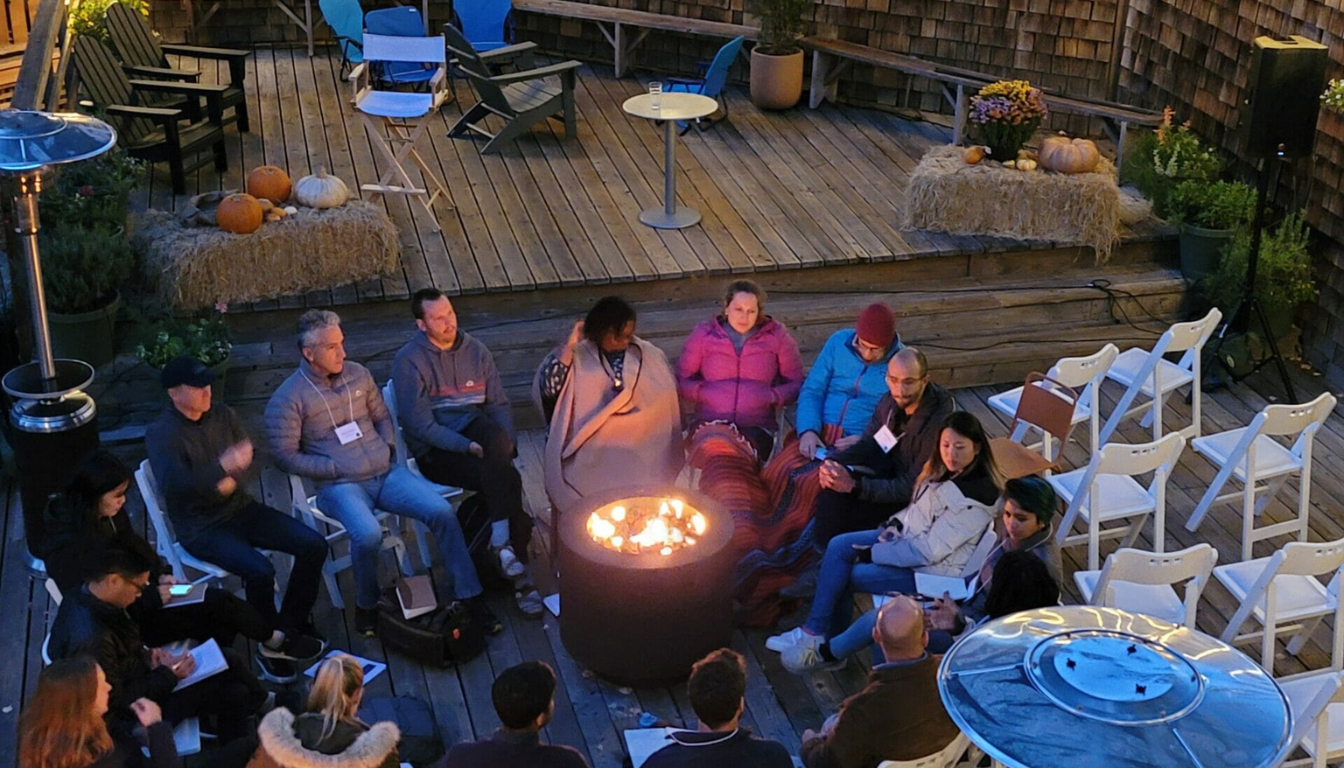
Activities are what make a leadership retreat memorable — and what separates a high-quality offsite from a meeting with a nicer view. The key is choosing activities that serve the retreat's objectives, not just fill time. For inspiration, explore these leader retreat ideas that have worked for real teams.
Icebreakers and opening exercises
- Two truths and a lie, or other getting-to-know-you formats
- Facilitated opening questions designed to surface what's on people's minds
- Low-stakes collaborative challenges that ease people into the retreat dynamic
Skill-building workshops
- Emotional intelligence training
- Public speaking and communication workshops
- Decision-making and problem-solving exercises
- Digital brainstorming sessions using collaborative platforms
Team building
- Scavenger hunts — scalable, adaptable, works for any group size
- Cooking competitions like The Great Guac Off — collaborative, energetic, genuinely fun
- Outdoor challenges: hiking, kayaking, rafting, beach volleyball
- Creative workshops: Canvas and Cookies, art-based leadership activities
Community engagement
- Local volunteer projects — food drives, habitat restoration, neighborhood cleanups
- Charity builds (e.g., Charity Bike Build, Wheelchairs for Charity) — combines team building with giving back
- Community-based learning that broadens perspective and builds social awareness
Wellness and mindfulness
- Yoga, guided meditation, or breath work sessions
- Wellness-focused meals and nutrition workshops
- Nature walks or simple hikes between sessions
- Spa or recovery time for multi-day retreats
Evening and social
- Private Chef dinners or cooking class evenings
- Karaoke, trivia, or game nights
- Casual team dinners with facilitated conversation prompts
Step 7: Leverage Technology Thoughtfully
Technology can significantly enhance a leadership retreat — or undermine it, if overused. The key is intentionality.
Where technology adds value
- Virtual collaboration tools enable real-time idea sharing and ensure remote participants can contribute equally. Use them for brainstorming sessions, group exercises, and workshop outputs.
- Digital brainstorming platforms streamline strategic planning by organizing ideas visually and collectively — reducing the chaos of sticky notes and whiteboards.
- Online learning resources support continuous development after the retreat, allowing leaders to build on what they learned during the event.
Where to deliberately unplug
For strategy sessions or trust-building discussions, consider a tech detox format — no screens, no devices. The reduction in digital distraction consistently produces deeper focus and more honest conversation. Build at least one analog session into every multi-day retreat.
Step 8: Consider Community Engagement
Community engagement is one of the most underused elements in leadership retreat planning— and one of the most effective for building team cohesion and broadening perspective.
Integrating community service into a retreat cultivates social responsibility, strengthens team bonds, and gives participants a shared experience that's genuinely meaningful rather than manufactured. Options include:
- Local volunteer projects - food drives, habitat restoration, neighborhood improvement projects
- Charity builds - structured team activities with a philanthropic outcome, like building wheelchairs or bikes for donation
- Community-based learning - engaging with local organizations or leaders to gain perspective outside the company's usual frame of reference
These activities work particularly well on Day 1 afternoons or as an evening activity, providing a natural team-building moment before the more structured sessions begin.
Step 9: Coordinate Logistics

Good logistics are invisible. Bad logistics are all anyone talks about.
Logistics checklist
- Transportation to/from the venue confirmed for all attendees
- Accommodation booked with group rates locked in
- Dietary requirements collected and shared with catering
- AV and technology tested in advance
- Facilitator briefed on objectives, participant profiles, and agenda
- On-site venue contact identified and available throughout
- Contingency plans for weather, travel disruption, or schedule changes
- 24/7 point of contact available for day-of issues
Assign a dedicated logistics coordinator separate from the facilitator. These are two different jobs — conflating those means both are done poorly.
Step 10: Gather Feedback and Measure Success
The retreat isn't over when people head home. What happens in the two weeks after determines whether the energy and commitments made during the retreat actually stick.
Gather feedback immediately
Send a short anonymous survey within 48 hours while impressions are fresh. Ask what worked, what didn't, and what participants would change. Anonymous responses produce honest answers. Review and act on the findings — don't just file them.
Track KPIs
Define what success looks like before the retreat, not after. Useful leadership retreat KPIs include:
- Improvement in decision-making speed or quality (measurable through project velocity)
- Cross-functional communication scores (measurable through pulse surveys)
- Individual leadership skill development (pre/post self-assessment)
- Team morale and engagement metrics at 30 and 60 days post-retreat
- Completion of strategic commitments made during the retreat
Sustain the momentum
Schedule a 2-week check-in to review progress on retreat commitments. Reference there treat in subsequent team meetings to reinforce what was decided. The retreat should feel like the beginning of a performance cycle — not a standalone event.
Work with a Professional Planner
Planning a high-quality leadership retreat is a significant logistical undertaking, especially when it's not your day job. Professional retreat planners bring experience, vendor relationships, and time — three things that are hard to replicate internally.
What a professional planner handles
- Venue sourcing and negotiation
- Vendor coordination (catering, activities, facilitators, AV, transportation)
- Budget management and cost transparency
- Day-of logistics and troubleshooting
- Post-retreat debrief support
Summary
A successful leadership retreat doesn't happen by accident. It starts with clear objectives, is built on the right venue and a realistic budget, and comes to life through a balanced agenda, purposeful activities, and thoughtful follow-up. The elements that make leadership retreats distinct — skill development, community engagement, technology, and measurable outcomes — are worth investing in deliberately.
Whether you're managing the details internally or working with a professional planner, the formula is consistent: plan early, know your team's needs, balance structure with space, and treat the retreat as the start of something, not a one-off event.
FAQs
- What is the purpose of a leadership retreat?

A leadership retreat takes leaders out of their daily environment to focus on skill development, team cohesion, and strategic alignment. The goal is to build the individual capabilities and collective dynamics that make a leadership team more effective back in the workplace.
- How is a leadership retreat different from an executive retreat?
Leadership retreats serve a broader population — managers, team leads, and emerging leaders — with a focus on capability-building and team performance. Executive retreats focus on senior decision-makers working on organization-level strategy. Both are valuable; they serve different audiences and objectives.
- How far in advance should we plan a leadership retreat?
Ideally 3–6 months out for most groups. Larger teams or international locations may require 6–12 months. Starting early gives you time to secure the best venues, coordinate travel, and build a thoughtful agenda without rushing.
- What activities work best for leadership retreats?
The most effective retreats mix skill-building workshops, team-building activities, wellness programming, and community engagement. The right mix depends on your team's specific objectives — prioritize activities that address the actual development gaps your team is facing, not just what's novel or popular.
You may also like



Stay Updated with Our Insights
Get exclusive content and valuable updates directly to you.