
Leadership Retreat Agenda: How to Structure Time for Maximum Impact


The difference between a productive leadership retreat and wasted executive time comes down to one thing: agenda structure. You can book the perfect venue and select the right topics—but without a well-designed leadership retreat agenda, your team will leave feeling like they could have accomplished more in the office. Solid retreat planning sets the foundation before you ever start building your agenda.
Executive retreats for 5-20 people require fundamentally different time structures than all-staff events. Your leadership team faces a unique challenge: balancing deep strategic work against relationship building, individual processing time, and the reality that business doesn't stop just because executives are offsite. This guide gives you the framework to create schedules that respect these competing demands while maximizing the value of every hour. Effective leadership retreat planning ensures your team arrives aligned, engaged, and ready to do their best strategic work.
Key Takeaways
- The most effective leadership retreats for 5-20 executives run 2-3 days, with travel days flanking 1.5-2.5 days of focused strategic work
- Apply the 60-20-15 rule: allocate 60-70% of time for strategic work, 20-25% for relationship building, and 10-15% for breaks and personal time
- Structure days using 90-120 minute working blocks separated by 15-minute breaks, plus a 60-90 minute afternoon free block for calls and decompression
- 2-day retreats typically yield 12-14 working hours while 3-day formats reach 16-20 hours of productive sessions with proper pacing
- Every agenda should end with a 30-60 minute closing segment that confirms decisions, assigns owners, establishes timelines, and creates accountability before departure
Determining the Right Length for Your Leadership Retreat Agenda
Before you choose topics or activities, answer a fundamental question: how long should this retreat be? The perfect venue and the right duration work together—both shape how deep you can go on strategic planning and whether participants will feel rushed or energized.
Choosing retreat duration means matching your agenda structure to your objectives. A quarterly check-in requires different time investment than a major strategic pivot. The right leader retreat ideas can also shape how you structure and pace your agenda across any format. Your agenda should specify not only dates but also travel windows that protect working time.
Optimal Duration Framework
1.5-Day Retreats work best for teams meeting regularly needing focused time on a single strategic topic. Structure with Day 1 arrivals by 2:00 pm, light afternoon kickoff, working dinner, then full Day 2 with departures by 3:00 pm. This yields approximately 6-8 hours of structured sessions, suiting quarterly check-ins and single-topic deep dives. Trade-off: limited relationship building time and potentially rushed feel.
2-Day Retreats represent the most common format. Plan for Sunday 6:00 pm arrival, full working days Monday and Tuesday, with departures around 2:00 pm Tuesday. This delivers 12-14 hours of productive sessions across 2.5 calendar days—sufficient time for both deep strategic work and meaningful connection, plus one evening for team dinner and informal bonding.
2.5-3 Day Retreats make sense for organizational transformation, newly formed management teams, or post-merger integration. Structure as Wednesday 2:00 pm arrival, full working days Thursday and Friday, with Saturday lunch departure. You'll gain 16-20 hours of productive time across 3.5-4 calendar days with two evenings for progressive relationship building.
Avoid 1-Day Retreats entirely for executive groups. Travel time consumes 20-30% of available hours, leaving only 4-6 hours of actual session time. Executives never reach the depth needed for creative thinking on complex strategic issues, with virtually no time for informal connection that unlocks candid conversation.
Travel Day Considerations
Arrival Day Planning requires clear thinking about energy levels. Evening arrivals after 6:00 pm work well—plan light welcome reception and casual dinner, then close early by 9:00 pm so participants rest for intensive work. Afternoon arrivals around 2:00-4:00 pm can support optional 60-90 minute light kickoff, but avoid intensive content. Morning arrivals are discouraged—they sacrifice peak productivity and executives arrive stressed from rushing.
Departure Day Planning should protect your closing session. If most flights leave between 1:00-4:00 pm, cap structured work by 12:00 pm including working lunch. For afternoon departures after 2:00 pm, you can run a meaningful morning working session of 2-3 hours plus closing activity before staggered departures.
Travel Time Impact shapes format choice. Under one hour allows same-day arrival for the 4:00 pm start. Flights of 1-3 hours typically require evening arrival with sessions beginning next morning. For 3+ hour or international travel, you need at least a 3-day agenda to justify the investment.
The 60-20-15 Rule for Time Allocation
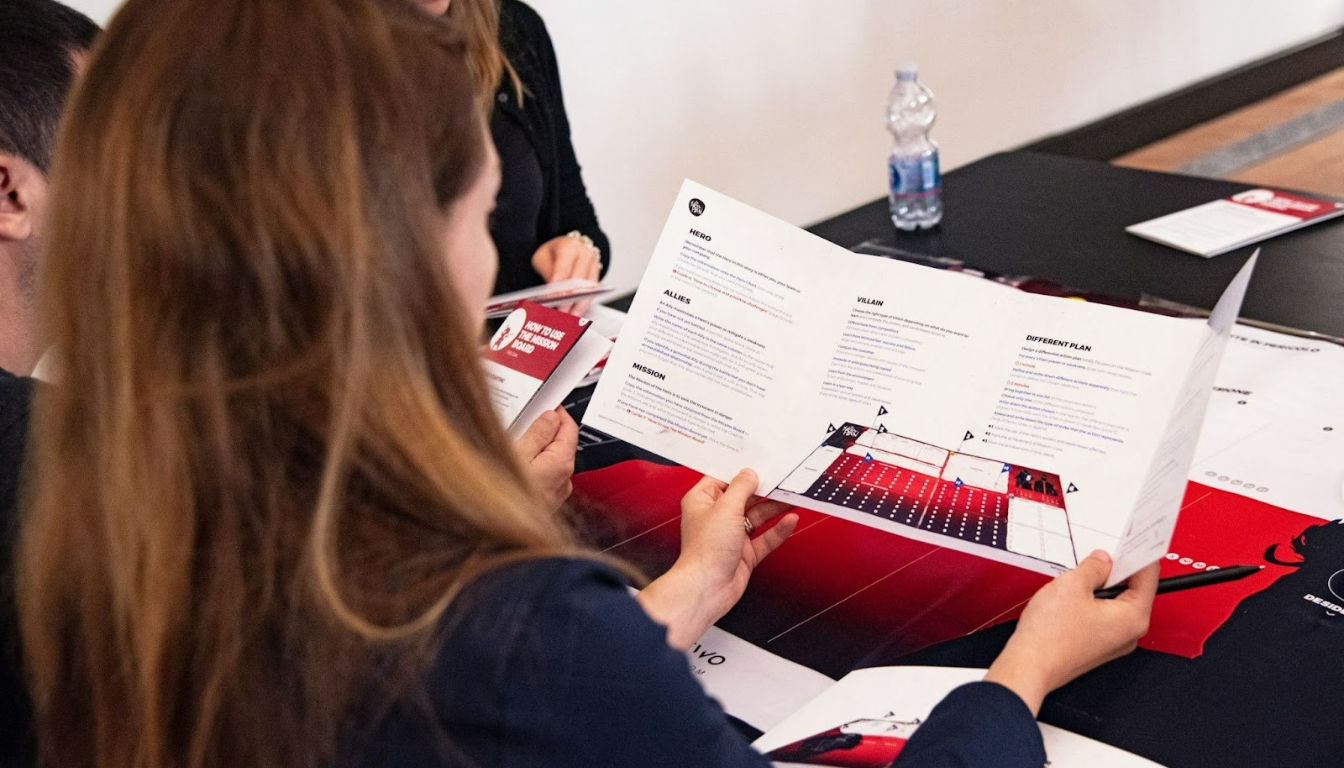
Solid retreat planning gives you the framework to balance strategic work, relationship building, and rest across any executive retreat agenda using the 60-20-15 rule. Allocate approximately 60-70% of time to strategic work sessions, 20-25% to relationship building and informal connection, and 10-15% to breaks and personal time.
This ratio applies across the whole retreat and serves as a sense-check for each day's schedule. Executives will take time for calls and rest whether you schedule it or not—the question is whether you build those windows explicitly or let them erode your planned sessions.
Strategic Work Time: 60-70%
Strategic work represents why you're gathering—annual planning, portfolio prioritization, organization design, decision making on major initiatives. For a 2-day retreat with approximately 14 hours of working time, block 8-10 hours for strategic topics in 90-120 minute chunks. A 3-day retreat with 20 total hours should dedicate 12-14 hours to this category.
Session length matters for maintaining focus. Most topics work best in 90-minute blocks—enough depth without fatigue. Complex topics like financial planning or org design can use 120-minute blocks with mid-block 10-minute stretch breaks. Use 60-minute blocks only for discrete topics like budget reviews that don't require extended problem solving.
Avoid scheduling any single working block longer than 2 hours. Research shows attention and performance decline significantly after extended periods without breaks, making frequent resets essential for sustained focus. Stack blocks with concrete times: 8:30-10:00 am for first session, 10:00-10:15 am break, 10:15-11:45 am for second session.
Relationship Building: 20-25%
Relationship time includes structured dinners, social hours, and designed informal conversations—not just unplanned hanging out. On a 2-day agenda, one 2-hour dinner plus intentional 15-minute connection breaks and morning walk can total 3-4 hours. For 3-day retreats, plan 5-6 hours including two evening activities and multiple informal connection points.
Include at least one evening where the only programmed item is a shared meal with clear start and end times (7:00-9:00 pm), with no formal content afterward. Studies show rotating dinner seats and conversation prompts can significantly boost trust in subsequent team assessments.
Why does this matter? Trust built over meals improves candor during daytime sessions. Personal connection reduces tension during difficult decisions. Your agenda should specify which meals are "working" (with topic prompts) and which are "connection-focused" (light or no business content).
Breaks and Personal Time: 10-15%
Breaks fall into two categories: short 10-15 minute breaks between sessions, and longer 60-90 minute personal time blocks in late afternoon.
Your agenda should include a minimum 15-minute gap between all working blocks, shown with times like "10:00-10:15 Break – coffee and email check." A daily 60-90 minute personal time window, often 5:00-6:30 pm, should be clearly labeled. This prevents the block from being consumed by overrun sessions and gives executives space for urgent business calls, exercise, or solo reflection.
Build in morning buffer: breakfast 7:30-8:30 am followed by 8:45 am start gives participants time to exercise, make calls, or review materials. End formal programming by 9:00 pm—executives need 7-8 hours of sleep for next day's cognitive work.
Optional: Business Continuity Time
Some leadership teams need explicit "business continuity" windows, especially during product launches or fiscal closes. Insert 30-60 minute slots once per day (such as 4:00-4:45 pm) labeled as "Operations Check-In / Email Time – no formal program." This reduces ad-hoc stepping out during critical sessions and improves focus.
For truly "off-grid" strategy retreats, the agenda can explicitly state "No scheduled business continuity block – operations covered by delegates." This sets clear expectations and allows participants to be fully present.
Daily Structure: Sample Leadership Retreat Agenda Formats
The following sample schedules show concrete timing for 1.5-day, 2-day, and 3-day leadership retreats designed for 5-20 executives. The focus is how time is structured, not a list of activities. Use exact clock times (8:30-10:00 am) rather than vague phrases.
2-Day Leadership Retreat Agenda (Most Common Format)
Day 1: Arrival & Foundation
- 4:00-6:00pm: Check-in
- 6:30pm: Welcome reception (light appetizers, informal mingling)
- 7:00-9:00pm: Welcome dinner with CEO framing remarks
- 9:00pm: Early close for rest
Day 2: Deep Strategic Work
- 7:30-8:30am: Breakfast (buffer time, informal conversation)
- 8:30-10:00am: Opening session - business context, objectives, ground rules (90 min)
- 10:00-10:15am: Break
- 10:15am-12:15pm: Strategic priority setting workshop (120 min with 10-min stretch at 11:15am)
- 12:15-1:30pm: Working lunch with small group discussions
- 1:30-3:00pm: Resource allocation and trade-off decisions (90 min)
- 3:00-3:15pm: Break
- 3:15-5:00pm: Breakout sessions by function or initiative with report-outs (90 min)
- 5:00-6:30pm: Free time (business calls, gym, spa, rest)
- 6:30-7:00pm: Pre-dinner reception
- 7:00-9:00pm: Team dinner (less structured, rotating seats)
- 9:00pm+: Optional informal time
Day 3: Alignment & Action Planning
- 7:30-8:30am: Breakfast
- 8:30-10:00am: Leadership team norms and commitments discussion (90 min)
- 10:00-10:15am: Break
- 10:15am-12:00pm: Action planning with accountability - owners, timelines, milestones (105 min)
- 12:00-1:00pm: Closing lunch with individual commitment statements
- 1:00-1:30pm: Closing activity - recap decisions, next steps, gratitude (30 min)
- 1:30-2:00pm: Buffer for goodbyes
- 2:00pm+: Staggered departures
Total Working Time: ~14 hours (9 hours strategic sessions + 5 hours meals/relationship building)
3-Day Leadership Retreat Agenda (For Major Initiatives)
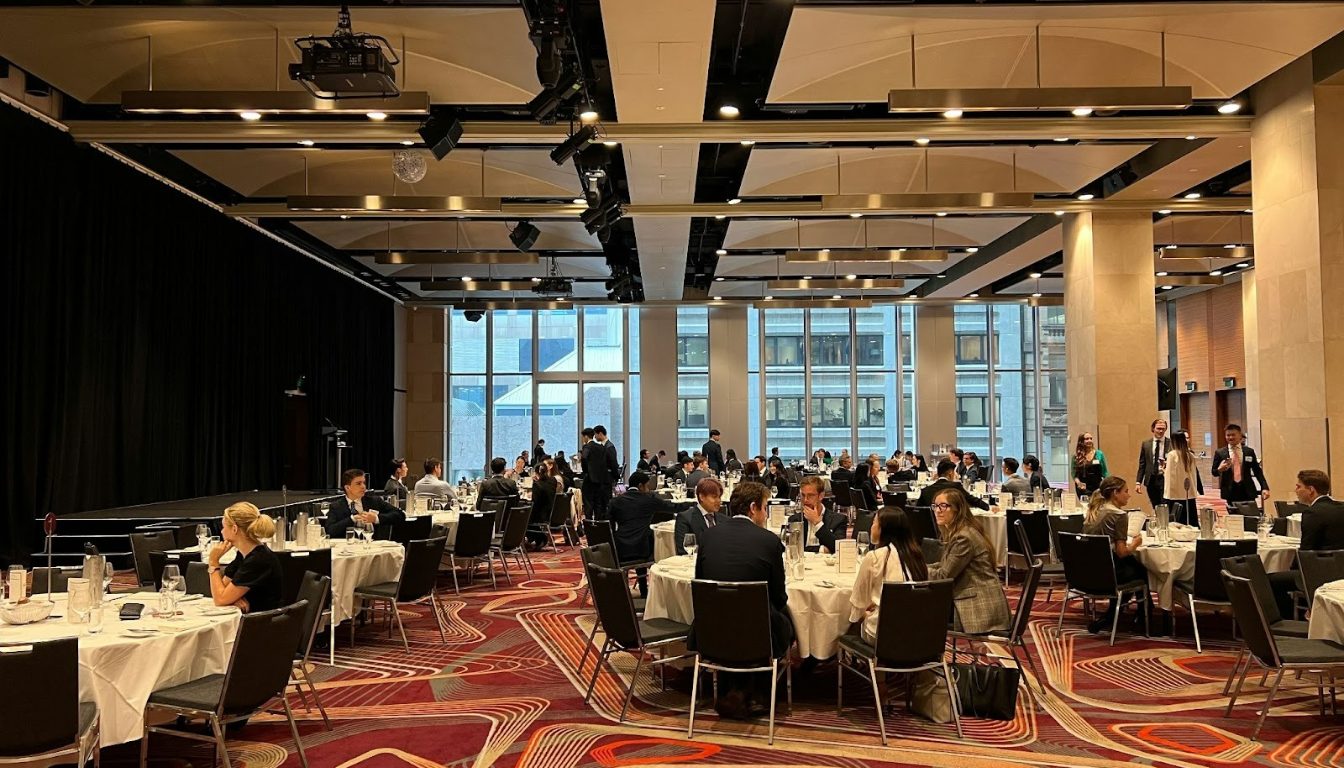
Day 1: Arrival & Context
- 2:00-5:00pm: Arrivals, check-in, settle
- 5:00-6:00pm: Optional property walk or informal meet-up
- 6:00pm: Reception
- 7:00-9:00pm: Opening dinner with CEO framing
- 9:00pm: Early close
Day 2: Deep Strategy
- 7:30-8:30am: Breakfast
- 8:30-10:00am: Business context and strategic framing (90 min)
- 10:00-10:15am: Break
- 10:15am-11:45am: First major strategic topic (90 min)
- 12:30-1:45pm: Lunch
- 1:45-3:15pm: Afternoon strategic session (90 min)
- 3:30-5:00pm: Portfolio decisions or market positioning (90 min)
- 5:00-6:30pm: Free time
- 7:00-9:00pm: Team dinner
Day 3: Integration
- Same time structure as Day 2
- Focus shifts to implementation plans, capability building, leadership behaviors
Day 4: Closing
- 7:30-8:30am: Breakfast
- 8:30-10:00am: Commitments and accountability session (90 min)
- 10:00-10:30am: Closing round - reflections and gratitude
- 10:30am-12:00pm: Departures
Total Working Time: ~20 hours (14 hours strategic + 6 hours relationship building)
1.5-Day Express Retreat Agenda (For Quarterly Check-Ins)
Day 1: Afternoon Arrival
- 2:00-4:00pm: Arrivals, check-in
- 4:00-5:30pm: Progress review since last retreat (90 min)
- 6:00-8:00pm: Working dinner on one core topic
- 8:00pm: Early close
Day 2: Intensive Full Day
- 7:30-8:30am: Breakfast
- 8:30-10:00am: Strategic topic 1 (90 min)
- 10:00-10:15am: Break
- 10:15am-11:45am: Strategic topic 2 (90 min)
- 11:45am-1:00pm: Working lunch with action planning
- 1:00-2:30pm: Commitments, accountability, closing (90 min)
- 2:30-3:00pm: Buffer for departures
- 3:00pm+: Checkout and travel
Total Working Time: ~8 hours (6 hours strategic + 2 hours relationship building)
Essential Elements Every Executive Retreat Agenda Should Include
Regardless of length, every effective agenda should contain core elements in logical order: opening context, norms, decision time, reflection, and closing commitments.
Opening Session: Setting Context (30-60 Minutes)
Your agenda should begin with a clearly labeled opening session, usually 30-60 minutes, where the CEO or senior leader frames current business reality and retreat objectives. Break this down with specific line items: "Welcome and Objectives: 8:30-8:50 am" and "Business Context: 8:50-9:10 am."
This opening should not attempt heavy decision making. Its purpose is alignment and orientation—ensuring all participants understand why they're there and what success looks like.
Ground Rules and Decision-Making Approach
The agenda should include a short slot of 10-20 minutes early on to agree on ground rules: confidentiality, tech use (phones away during sessions), participation expectations, and how candid feedback should be delivered. Show this as a specific line item: "Working Agreements and Decision Process: 9:10-9:30 am."
For executive retreats, define how decisions will be made—consensus, CEO call after discussion, or another approach. This conversation must happen before high-stakes agenda items.
Structured Decision Windows
Your agenda should contain explicit "decision windows" rather than mixing decisions into every discussion. Label these clearly: "Decision on FY2027 Market Entry: 3:15-4:00 pm."
Each major decision topic gets a block with a clear arc—context, options, discussion, decision—visible in timing notes. Schedule decision windows earlier in the day when energy is higher (late morning or early afternoon) rather than the end of a long day when fatigue compromises judgment.
Reflection and Integration Time
Reflection segments are short but intentional blocks of 15-30 minutes where the group synthesizes what has been decided and what remains open. Place 15-minute daily "Reflection and Notes" segments in late afternoon (4:45-5:00 pm) on multi-day agendas.
Reflection time helps prevent decision fatigue and allows participants to step back and connect dots before moving to the next topic.
Closing and Follow-Through (30-60 Minutes)
Every successful leadership offsite agenda ends with a dedicated closing block of 30-60 minutes—not squeezed into the last five minutes before departures.
This block includes three elements: summary of key decisions, assignment of owners and deadlines, and individual or team commitment statements. Place the closing at least 30 minutes before the earliest planned departure: 12:00-12:45 pm close with departures after 1:00 pm.
Reference follow-through mechanisms in the written agenda: "Post-Retreat Action Tracker to be circulated by Friday, July 10, 2026." This is where retreat converts from ideas into a clear action plan.
Using a Retreat Schedule Template for Consistency

Creating a reusable retreat schedule template saves time and builds organizational muscle memory. For recurring leadership offsites, template captures standard time blocks that can be reused even as topics change.
This helps executive assistants and chiefs of staff plan logistics faster and gives executives predictable rhythm they can trust. When participants know the general flow—morning sessions, afternoon blocks, evening dinner—they can manage energy and prepare appropriately.
Core Components of a Reusable Agenda Template
Standardize key structural elements: daily start and end times, typical session lengths (60, 90, or 120 minutes), standard break durations (15 minutes), and meal windows. Build template around typical day of 8:30 am-5:00 pm with default blocks already labeled generically as "Strategic Block A," "Strategic Block B."
Include placeholders for opening, ground rules, reflection, and closing segments with approximate times so they're never accidentally omitted when topics change. Create versions for 1.5-day, 2-day, and 3-day formats, saved with clear file names.
After each retreat, refine the template based on what timing worked well or consistently ran long or short. This valuable insight improves future planning.
Summary
Creating an effective leadership retreat agenda requires balancing 60-70% strategic work, 20-25% relationship building, and 10-15% breaks and personal time. Optimal length runs 2-3 days (1.5-2.5 working days) with travel days flanking core agenda, yielding 12-14 hours for 2-day retreats or 16-20 hours for 3-day formats.
Structure days using 90-120 minute working blocks separated by 15-minute breaks, with 60-90 minute daily free time blocks for business calls and rest. Essential elements include a 30-60 minute opening context session, explicit decision-making windows, structured meals for relationship building, adequate break time, and strong 30-60 minute closing activity solidifying commitments.
The three sample schedules provided—2-day (most common), 3-day (major initiatives), and 1.5-day express (quarterly check-ins)—offer concrete starting points with specific timing. Avoid common mistakes: over-programming with no breathing room, starting too early or ending too late, skipping relationship building time, having no clear decision points, and weak closings that don't cement accountability.
A well-structured executive retreat agenda respects executive time value by maximizing focus during working sessions while providing adequate relationship building and processing time. Creating reusable retreat schedule templates for recurring offsites builds consistency and helps teams prepare effectively. The agenda itself is a strategic tool—it signals priorities, creates rhythm, and enables depth of thinking impossible in daily operations.
FAQs
- How far in advance should we finalize and share our leadership retreat agenda?

For senior leadership retreats, share near-final agenda 3-4 weeks in advance with exact times, locations, and high-level session titles. This lead time allows executives to block calendars around key sessions and arrange travel that aligns with arrival and departure windows. Minor timing adjustments of 15-30 minutes can still be made closer to date, but overall structure should remain stable once distributed. Sending an agenda early gives participants time to reflect on topics and come prepared with ideas and questions.
- How detailed should each session description be on the agenda?
The agenda distributed to participants should include session titles, start and end times, and 1-2 sentence descriptions of purpose and expected outcomes. Keep the main schedule clean and easy to scan—detailed facilitation notes belong in separate internal documents. For major decision blocks, include expected outputs such as "Outcome: prioritized list of 3-5 company-wide initiatives for 2027" so participants understand what they're working toward.
- What is the ideal start time for full working days on a retreat?
For most executive teams, 8:30-9:00 am works well for formal sessions, with breakfast beginning around 7:30 am as unstructured buffer time. This respects natural energy patterns while maximizing productive hours. Earlier starts of 7:30-8:00 am for sessions often reduce energy and shorten evening connection time. Choose standard start time and keep it consistent across days to help participants manage sleep and personal routines.
- How many topics can we realistically cover in a 2-day executive retreat?
A 2-day retreat with roughly 8-10 hours of strategic work can realistically support 3-4 major topics, each with at least one 90-120 minute block. Avoid overloading agenda with more than 4 core topics—this fragments attention and leaves insufficient time for decisions or clear follow-through. Group related items under a single theme (such as "2027 growth strategy") instead of treating each sub-item as a separate topic.
You may also like



Stay Updated with Our Insights
Get exclusive content and valuable updates directly to you.