
Adventure Retreats: How to Use Outdoor Challenges to Build Stronger Corporate Teams

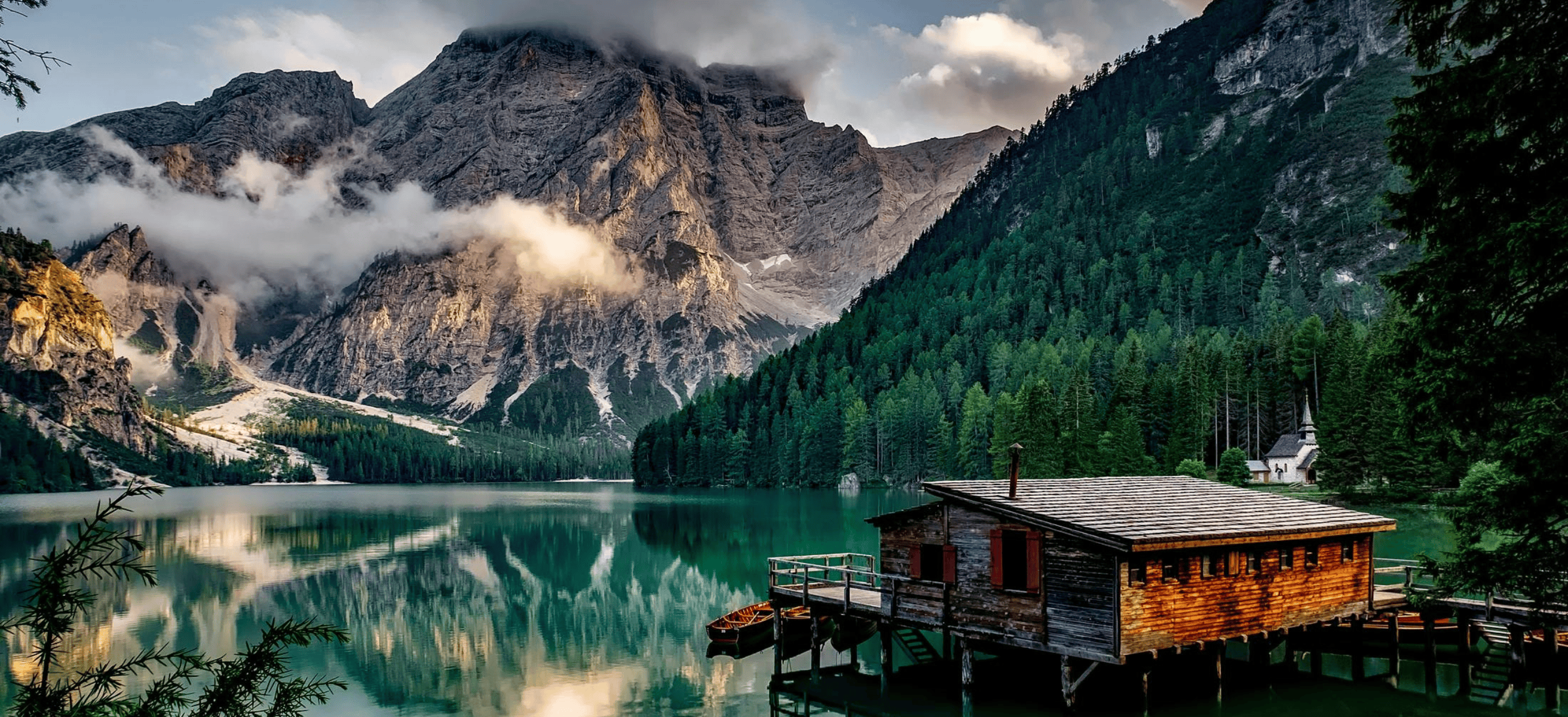
Well-designed adventure retreats do something that conference rooms, digital collaboration tools, and even the most skilled facilitators cannot fully replicate. They place teams inside genuine uncertainty and ask them to navigate it together — producing the kind of trust, relational depth, and shared identity that only emerges when people have faced something real side by side. The science behind this is not motivational mythology. Research in organizational psychology and experiential learning suggests that shared physical challenge, particularly in natural environments, can accelerate the formation of psychological safety, strengthen cross-functional communication, and generate a collective resilience that transfers directly to how teams perform under pressure back in the workplace.
For corporate retreat planners, the opportunity is significant and the design requirements are specific: adventure retreats work when they're purposefully architected around team objectives. They fall flat — or worse, create division — when they're selected for spectacle without regard for the group's composition, capabilities, or developmental needs. This guide gives you a framework for designing adventure retreats that build the teams you actually need, not just the ones that make for impressive highlight reels.
Key Takeaways
- Adventure retreats generate team cohesion outcomes that indoor programming cannot replicate — but only when the challenge level is matched to the group.
- Shared physical challenge in natural environments is scientifically linked to accelerated psychological safety and stronger cross-functional trust.
- The most common adventure retreat failure is selecting activities based on excitement value rather than team developmental objectives.
- Inclusivity design is non-negotiable: every team member must be able to participate meaningfully, regardless of fitness level or physical ability.
- A skilled outdoor facilitator who can bridge the experience to workplace application is more valuable than any specific activity or location.
- Post-retreat reflection and integration are what convert a great day outside into lasting behavioral change inside the organization.
Why Adventure Retreats Build What Office Environments Cannot

The workplace is a profoundly managed environment. Roles are defined, hierarchies are visible, behavior is regulated by professional norms, and most interpersonal interactions are filtered through the lens of performance and perception. These conditions are necessary for organizational function, but they also suppress the authentic human connection, spontaneous trust-building, and honest communication that high-performing teams require. Adventure retreats work because they temporarily dissolve these managed conditions and replace them with something simpler and more revealing: a shared challenge that requires genuine interdependence, honest communication, and mutual support to navigate successfully.
When a team member who is reserved in meetings becomes the decisive voice during a navigational challenge, when a senior leader must rely on a junior colleague's physical capability to complete a task, when a group that has been working together for two years discovers for the first time how each person responds under real uncertainty — these moments create relational knowledge and trust that no amount of scheduled one-on-ones or team-building workshops can manufacture. The outdoor environment accelerates this process because it is indifferent to organizational rank, job title, and professional reputation. It responds only to how well the group functions as a unit.
What Makes a Good Adventure Retreat: The Design Principles That Matter
Not all outdoor challenges produce positive team outcomes. An activity that is too physically demanding for a significant portion of the group creates exclusion and anxiety rather than cohesion. An experience that lacks facilitation leaves teams with vivid memories and no framework for applying what they learned. A program that prioritizes drama over developmental relevance entertains in the moment and disappears from the team's collective narrative within weeks.
The adventure retreats that produce lasting team impact share five consistent design principles:
- Challenge by choice: Every participant should have meaningful agency over their level of engagement with physical challenge elements. A well-designed adventure retreat creates stretching experiences without mandating identical risk exposure for every team member. The psychological benefit of choosing to extend your comfort zone is far greater than being required to — and inclusion of team members with physical limitations or significant anxiety around specific activities is essential, not optional.
- Relevance to team objectives: The activities chosen should connect directly to the specific developmental goals of the retreat. A team working on cross-functional communication needs activities that structurally require information sharing across role boundaries. A leadership cohort working on decision-making under pressure needs challenges with genuine ambiguity and time constraints. Generic ropes courses and obstacle races are adequate; purpose-built challenges are exceptional.
- Graduated challenge architecture: Begin with accessible, lower-stakes challenges that allow the group to build confidence, calibrate communication norms, and establish trust before introducing higher-complexity or higher-stakes activities. Teams that are asked to perform at peak challenge before relational trust is established underperform and sometimes fracture. The sequence matters as much as the selection.
- Skilled outdoor facilitation: The difference between an adventure retreat that changes a team and one that merely entertains them is almost always the quality of the facilitation. A skilled outdoor facilitator does not just run activities — they observe group dynamics in real time, create structured reflection moments that bridge outdoor experience to workplace application, and hold the developmental container that allows genuine learning to emerge from challenge.
- Structured debriefing: Every significant challenge in an adventure retreat should be followed by a facilitated debrief — a structured conversation that asks the team to examine what happened, what it revealed about how they function together, and what one thing they will do differently as a result. Without this bridge, the outdoor experience remains an anecdote. With it, it becomes a reference point that teams return to for months.
What Types of Outdoor Challenges Work Best for Corporate Teams?
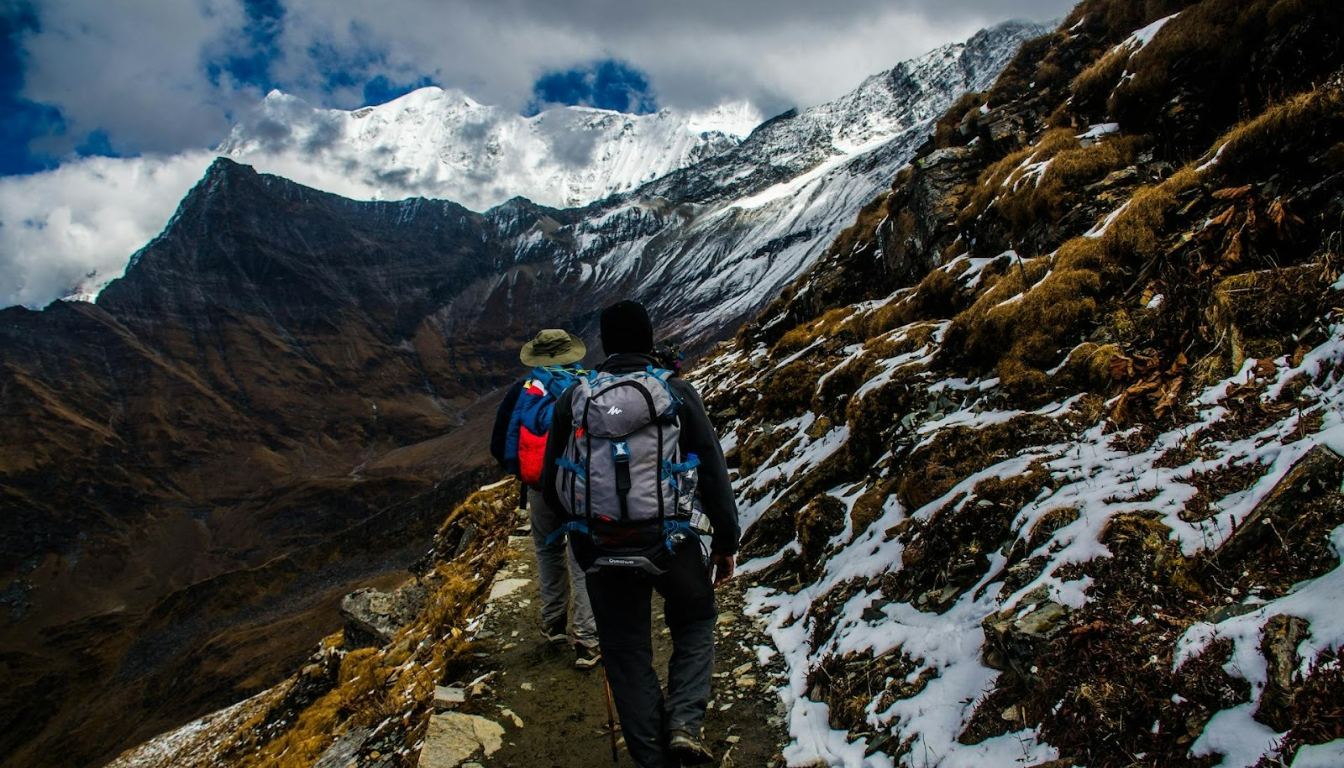
The range of activities available for corporate adventure retreats is broad, and the right choice depends entirely on the team's composition, developmental objectives, physical capabilities, and available time. The following categories represent the most consistently effective options for corporate groups, with guidance on which team contexts they serve best.
Navigation and Orienteering Challenges
Map-and-compass or GPS-based orienteering challenges place teams in a natural environment and ask them to navigate to a series of checkpoints under time pressure. These activities are highly effective for teams working on communication clarity, shared decision-making, and the ability to synthesize different perspectives under pressure. They are physically accessible to most group compositions, can be scaled in complexity for different challenge levels, and generate rich debrief material around how teams handle disagreement when there is no obvious right answer.
High Ropes and Vertical Challenge Courses
High ropes courses and climbing walls introduce genuine physical risk in a managed environment — every element is professionally rigged and safety-supervised — and they are particularly effective for working with personal resilience, courage, and the experience of being supported by colleagues during moments of genuine vulnerability. The team dynamic that emerges when one person is 40 feet off the ground and dependent on their colleagues for encouragement and ground-level support is not reproducible in any other corporate context. These activities work best when challenge by choice is genuinely honored and when the debrief is given as much time as the activity itself.
Wilderness Expedition Formats
Multi-day wilderness experiences — backcountry hiking, canoe expeditions, coastal navigation journeys — represent the most immersive and highest-impact format in the adventure retreat category. They are most appropriate for intact leadership teams or high-potential cohorts where deep relational development is the primary objective. The combination of sustained physical challenge, shared discomfort, genuine interdependence for safety and logistics, and removal from all digital distraction creates conditions for the kind of honest conversation and authentic connection that a single-day activity cannot approach. They require the most careful planning, the highest facilitation investment, and the most thorough pre-retreat participant assessment.
Problem-Solving Field Challenges
Structured outdoor problem-solving scenarios — rescue simulations, resource allocation challenges, collaborative construction tasks — combine the benefits of an outdoor environment with a direct emphasis on the cognitive and communicative team skills most relevant to workplace performance. They are highly adaptable to mixed fitness groups, can be run in a half-day format, and generate some of the most directly transferable debrief conversations of any adventure retreat format. For teams where physical challenge activities face significant inclusion barriers, these offer a strong alternative that preserves most of the developmental benefit.
Planning Your Adventure Retreat: The Decisions That Determine Success
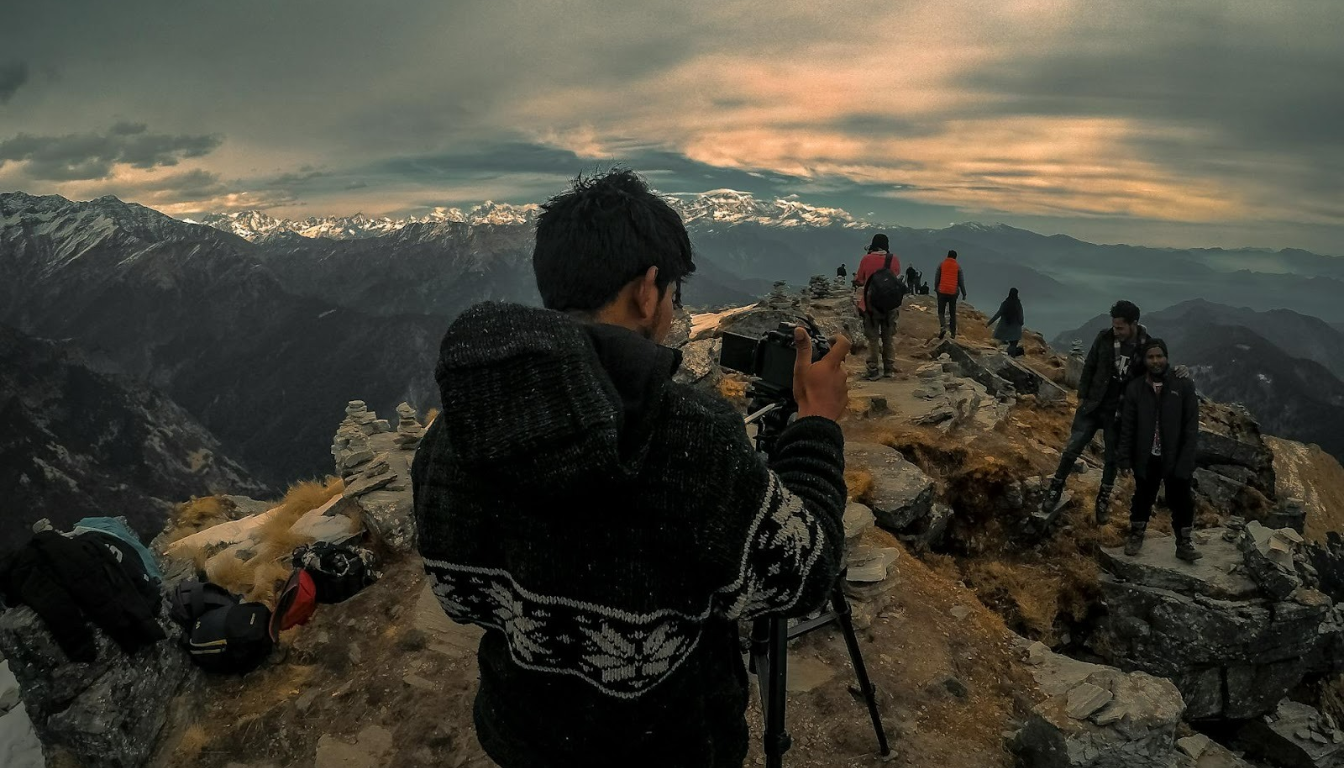
The operational planning of adventure retreats introduces a category of considerations that standard corporate events do not require. These are the decisions that most significantly determine whether the experience is safe, inclusive, and developmentally effective.
Know Your Group Before You Choose Your Activities
Collect detailed participant profiles before finalizing the activity program. Age range, fitness levels, known physical limitations, anxiety around specific challenge types, and prior outdoor experience all inform which activities will stretch the group productively and which will isolate or overwhelm portions of it. This is not about designing the lowest common denominator experience — it is about designing the most inclusive high-challenge experience the group can genuinely access together.
Partner With Experienced Outdoor Program Providers
Corporate adventure retreats require operational expertise that most event planning teams do not hold in-house. Engage an established outdoor education or experiential learning provider with documented corporate retreat experience, trained facilitators, and robust safety protocols. Request evidence of their safety record, their insurance coverage, and — critically — examples of how they structure the facilitation and debrief components. The activity is the vehicle; the facilitation is the engine.
Build in Recovery and Reflection Time
One of the most consistent planning errors in adventure retreats is over-scheduling the physical programming at the expense of reflection time. Teams need space to process what they are experiencing — not just move immediately from one challenge to the next. Build in genuine recovery windows, unstructured social time around meals, and a closing reflection session of at least 60 to 90 minutes that synthesizes the day's experiences into a shared narrative and a set of forward commitments. The adventure is the input; the reflection is where the output is actually created.
Summary
Adventure retreats offer corporate teams something genuinely rare: the experience of navigating real uncertainty together, in an environment that responds to how well they function as a unit rather than how well they perform their organizational roles. The teams that gain the most from these experiences are those whose planners invest as much in the facilitation design, the group profiling, and the post-retreat integration as they do in the activities themselves. It's the space between the challenges, not just the challenges themselves, where the most durable team growth happens.
Whether your group needs to deepen trust across functions, develop leadership resilience, or simply reconnect after a period of remote or hybrid disconnection, a well-designed adventure retreat accelerates all of these outcomes faster than any classroom-based program can. Choose your activities with purpose, invest in skilled facilitation, and protect the reflection time. Your team will return not just energized, but genuinely different in how they show up for each other.
FAQs
- What are adventure retreats for corporate teams?

Adventure retreats for corporate teams are structured off-site experiences that use outdoor physical challenges — such as orienteering, high ropes courses, wilderness expeditions, or field problem-solving scenarios — as a vehicle for building team trust, communication, and resilience. Unlike conventional team-building events, adventure retreats place participants in environments where genuine interdependence is required, accelerating the relational depth and psychological safety that underpin high-performing teams.
- Are adventure retreats appropriate for all fitness levels?
Well-designed adventure retreats are built around the principle of challenge by choice, meaning every participant has agency over their level of physical engagement. Reputable outdoor programme providers design corporate activities that offer meaningful participation pathways for team members across a wide range of fitness levels and physical abilities. The key is thorough pre-retreat participant assessment and honest communication with your activity provider about the group's composition, so the programme can be appropriately calibrated before arrival rather than adapted under pressure on the day.
- How long should a corporate adventure retreat be?
One-day adventure retreats are effective for teams with limited scheduling flexibility and specific, well-defined team development objectives. Two- to three-day formats allow for deeper immersion, more complex challenge progressions, and the informal connection time that strengthens relational bonds between structured activities. Multi-day wilderness expedition formats — typically three to five days — are most appropriate for senior leadership teams or high-potential cohorts where transformative relational development is the primary goal. Longer formats require significantly more planning investment and participant commitment but consistently produce the strongest long-term team outcomes.
- How do you ensure safety on a corporate adventure retreat?
Safety on adventure retreats is primarily managed through three mechanisms: partnering with certified, insured outdoor education providers with documented corporate retreat safety records; conducting thorough pre-retreat participant health and fitness assessments; and ensuring every activity is led by trained facilitators operating within established risk management protocols. As a retreat planner, request a detailed safety briefing from your provider, confirm their emergency response procedures, and ensure every participant completes a health disclosure form well in advance of the event date.
You may also like



Stay Updated with Our Insights
Get exclusive content and valuable updates directly to you.