
What to Include in a Beachside Retreat Agenda: Balancing Sun Time with Real Work

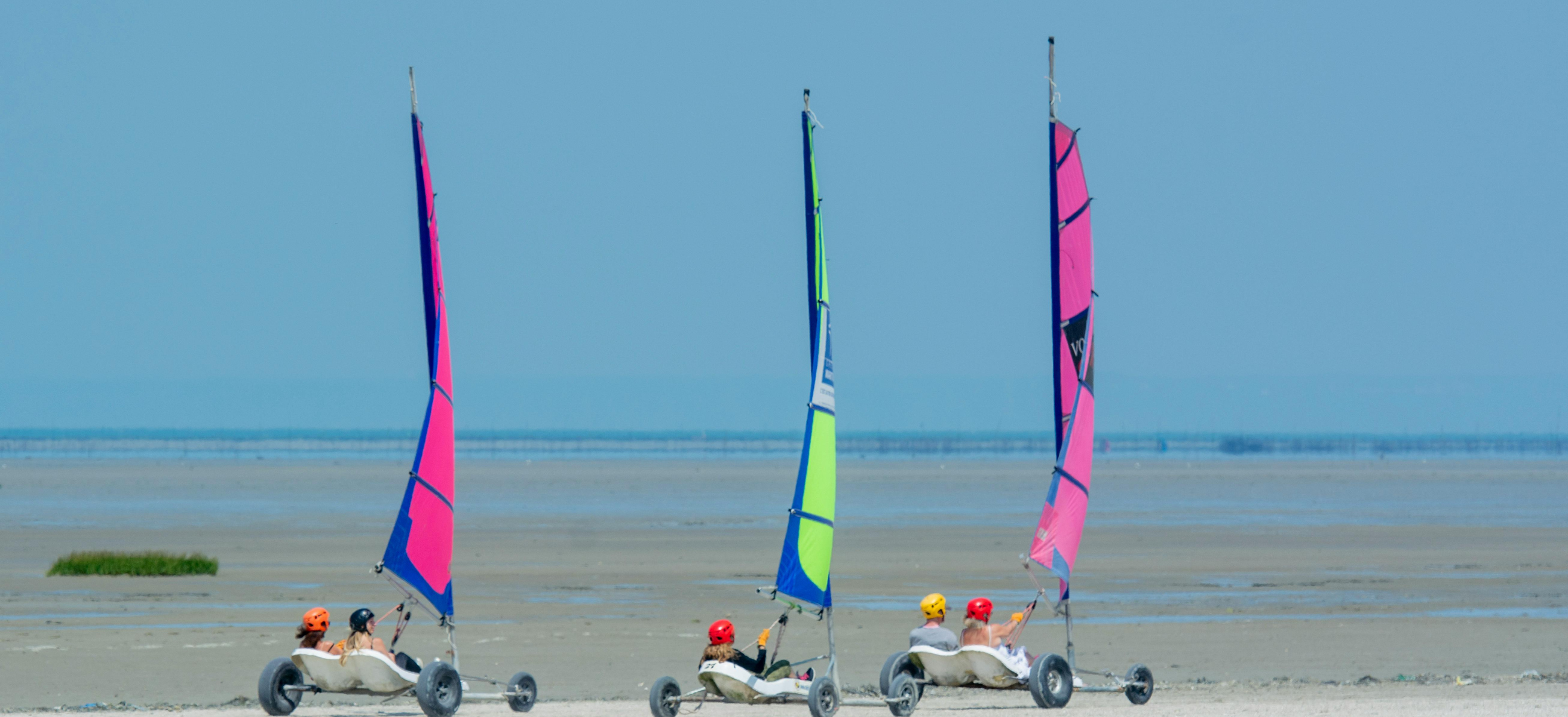
Beachside retreats have become one of the most sought-after formats for team offsites — and for good reason. The combination of a relaxed coastal setting and focused group work creates an environment that's hard to replicate in a conference room. But without a thoughtful agenda, a beachside retreat can quickly drift into either an unproductive vacation or a burnout-inducing work sprint that wastes the setting entirely. The key is intentional structure: knowing when to open the laptops, when to close them, and how to make the most of every hour your team spends together by the water. This guide walks you through exactly how to build a beachside retreat agenda that drives real results without sacrificing the rejuvenation your team deserves.
Key Takeaways
- A successful beachside retreat agenda balances structured work sessions with genuine downtime.
- Morning hours are the most productive — schedule deep work before the beach calls.
- Outdoor environments naturally boost creativity and team cohesion.
- Retreat agendas should include clear goals, flexible buffers, and intentional social time.
- The best beachside retreats leave teams feeling both accomplished and recharged.
Why the Setting of Beachside Retreats Actually Changes the Work

Before diving into the agenda itself, it's worth understanding why location matters. Studies in environmental psychology suggest that natural settings — particularly coastal ones — may reduce cortisol levels, improve mood, and support creative thinking. When teams gather for beachside retreats, they bring a different energy than they would in an office setting. Conversations flow more freely, hierarchy feels less rigid, and ideas that might have stalled in a boardroom gain traction over a sunset walk.
This psychological shift is an asset — but only if your agenda is designed to use it. A retreat that packs every hour with back-to-back presentations ignores the environment entirely. The goal is to use the beach setting strategically: let it do the heavy lifting on creativity, team bonding, and mental recovery while your structured sessions handle the strategic work.
How to Structure Your Beachside Retreat Agenda by Day
Morning: Deep Work While Energy Is High
The first block of each day should be your most cognitively demanding. Mornings at beachside retreats carry a natural momentum — people sleep better near the ocean, wake up refreshed, and haven't yet been drawn toward the beach.
Schedule your high-stakes sessions here: strategic planning, OKR reviews, product roadmap discussions, or any workshop that requires full mental engagement. Keep these sessions to 60–90 minutes maximum, then build in a short break before resuming. Avoid scheduling more than two focused work blocks in the morning.
Sample Morning Block (3 hours):
- 8:00–8:30 AM — Team breakfast and informal check-in
- 8:30–10:00 AM — Strategic workshop or keynote session
- 10:00–10:15 AM — Break (coffee, short walk)
- 10:15–11:30 AM — Breakout group work or problem-solving sessions
- 11:30 AM–12:00 PM — Group debrief and synthesis
Midday: Transition Time and Lighter Sessions
This is where your beachside retreat agenda earns its keep. Midday is not peak cognitive time for most people, so it's the wrong slot for heavy strategic work. Instead, use it for:
- Lunch with intention — themed conversations, a guest speaker, or a "what's working" discussion over food
- Skill-building workshops — communication training, feedback frameworks, or facilitation practice
- Collaborative brainstorming — lower-stakes, generative sessions that benefit from the relaxed midday energy
Midday is also a natural transition point. A 30-minute buffer between lunch and the next session allows people to decompress, check messages, and genuinely show up for the afternoon instead of feeling dragged along.
Afternoon: Sun Time Is Not Wasted Time

Here's what most beachside retreat agendas get wrong: they treat afternoon beach time as a reward or an afterthought. In reality, unstructured outdoor time is one of the highest-value elements of a retreat — if it's framed correctly.
Build 2–3 hours of open beach time into every afternoon. Encourage swimming, volleyball, and walking. Every session should end with a clear next step, or simply sitting in the shade. Don't schedule optional workshops during this window. The goal is full mental disengagement from work tasks, which primes the brain for the evening's collaborative sessions.
If your retreat culture calls for some light structure, you can offer optional activities — a guided snorkeling session, a beach yoga class, or an informal "open office" hour for one-on-one conversations. But keep it opt-in.
Evening: Connection Over Content
Evening sessions are the secret weapon of a well-planned retreat. After a day of work and outdoor recovery, teams are emotionally open and socially energized. This is not the time for another presentation — it's the time for connection.
Consider these formats for your evening agenda:
- Shared dinners with facilitated conversation prompts
- Retrospective or reflection sessions — what's been learned, what's changing
- Team storytelling — letting individuals share professional journeys or lessons
- Celebration moments — recognizing wins, milestones, or team members
A well-facilitated 60–90 minute evening session can do more for team culture than a full day of workshops. Keep it warm, low-pressure, and human.
The Non-Negotiables in Every Beachside Retreat Agenda

Regardless of your team size, industry, or retreat goals, every beachside retreat agenda should include these elements:
1. A Clear Retreat Goal Statement
Before you build a single agenda item, define what success looks like. Are you aligning on a new strategy? Rebuilding team trust? Making key decisions? Your beachside retreat agenda should visibly ladder up to this goal, so every session has a reason for being there.
2. Buffer Time (Built In, Not Bolted On)
Beachside retreats are not held in controlled office environments. Boats run late. Sunscreen breaks happen. People linger over meals. Build 20–30 minute buffers between major sessions — not as inefficiency, but as planned flexibility.
3. A No-Device Window
Designate at least one block each day — ideally, the beach afternoon — as a no-device window. This is non-negotiable for mental recovery. Communicate it in advance so team members can manage expectations with clients and stakeholders before the retreat begins.
4. Pre- and Post-Retreat Communication
Your agenda doesn't begin when the team arrives. Send a pre-read or agenda preview 48–72 hours in advance so participants arrive prepared. After the retreat, distribute a summary document with decisions made, actions assigned, and key takeaways captured — ideally within 24 hours of returning.
5. A Mix of Group and Individual Time
Not everyone recharges the same way. Introverted team members may find a fully packed social schedule exhausting. Build optional solo time into your retreat schedule — quiet reading hours, individual journaling, or simply the freedom to walk alone on the beach.
Common Beachside Retreat Agenda Mistakes to Avoid
Even well-intentioned retreat planners fall into predictable traps. Here are the most common ones — and how to sidestep them:
Overpacking the agenda. Trying to cover every outstanding team issue in two or three days is a recipe for burnout. Choose three to five focused priorities and go deep rather than broad.
Scheduling strategy sessions after beach time. Post-beach cognitive performance dips. If you have a critical decision to make, make it in the morning — not after three hours of sun and saltwater.
Ignoring logistics. Poor retreat logistics kill momentum. If your team is scrambling to find parking, waiting for AV equipment, or unsure of the day's plan, the agenda becomes irrelevant. Assign a logistics lead separate from your facilitator.
Forgetting the "so what." A retreat without documented outputs is just a nice trip. Every session should end with a clear next step, an assigned owner, and a deadline before the group moves on.
Summary
A well-crafted beachside retreat agenda is the difference between a team trip that generates momentum and one that fades into a collection of nice memories with no real impact. By front-loading focused work into the morning, protecting afternoon sun time as genuine recovery, and using evenings for human connection, you give your team the best of both worlds — strategic clarity and the kind of rest that energizes people to act on what they've accomplished. Beachside retreats work when the agenda respects both the work and the setting in equal measure.
FAQs
- How long should a beachside retreat be?

Most teams find two to three days to be the sweet spot for beachside retreats. One day rarely allows enough time to reach meaningful depth on strategic topics, while anything beyond four days risks diminishing returns and increasing logistical complexity.
- How do I keep remote team members engaged during a hybrid beachside retreat?
For hybrid beachside retreats, prioritize sessions where remote participants can actively contribute — breakout discussions, decision-making workshops, and Q&As. Avoid scheduling remote attendance during outdoor or social segments where connection naturally excludes those online.
- What is the ideal beachside retreat agenda for a small team of 5–10 people?
Small teams benefit from a more fluid beachside retreat agenda. You can afford fewer formal sessions and more deep-dive conversations, peer coaching, and collaborative problem-solving. Aim for one major structured session per day and let the rest breathe.
- Should we hire a professional facilitator for our beachside retreat?
If your retreat includes sensitive topics — team dynamics, culture change, or major strategic pivots — a professional facilitator is worth the investment. They allow your leaders to participate fully rather than manage the room.
You may also like


Stay Updated with Our Insights
Get exclusive content and valuable updates directly to you.