
What Is a Company Offsite? (And How to Plan One That Actually Works)

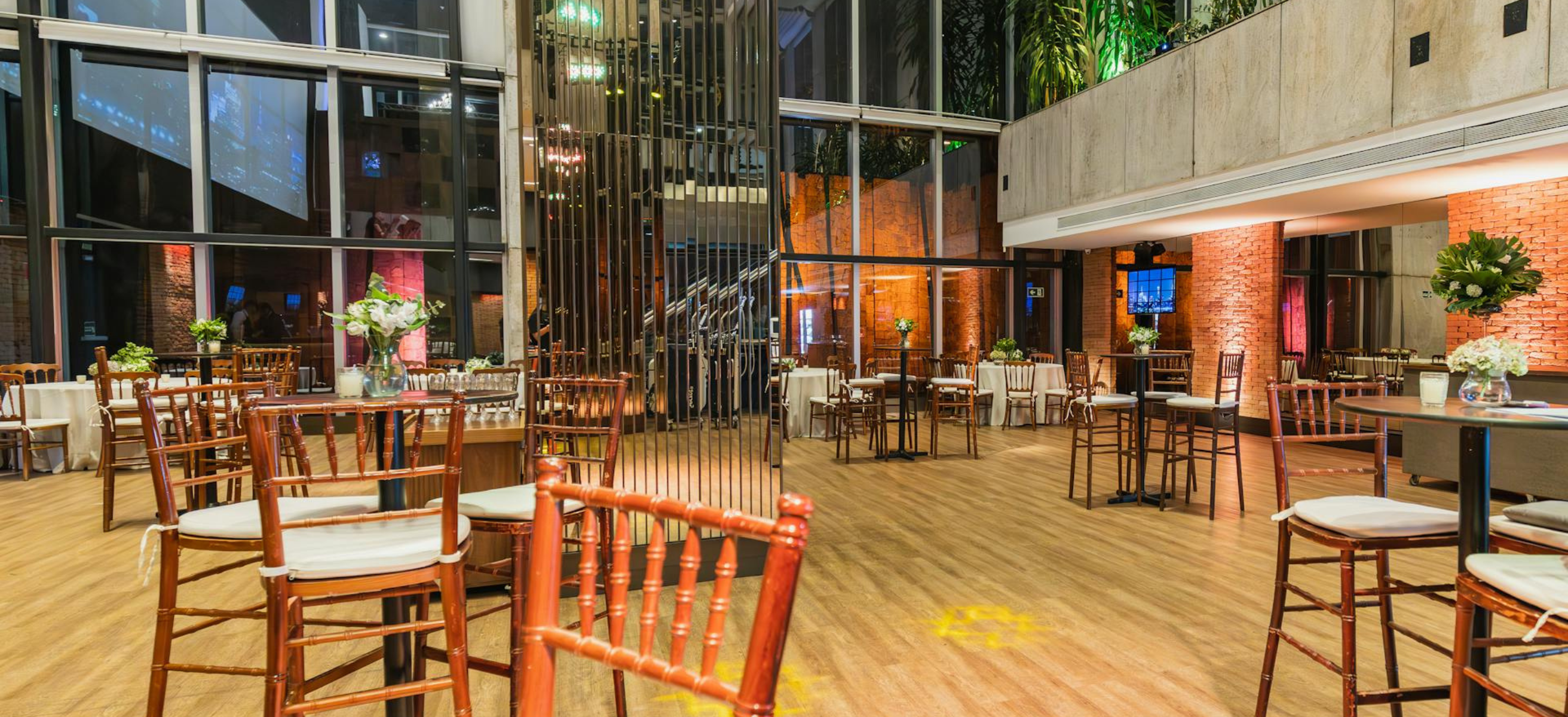
Every quarter, thousands of companies pull their teams away from laptops, Slack notifications, and standing meetings to gather somewhere new — a mountain lodge, a hotel conference room, a rented ranch in the hill country. They call it a company offsite. And when done well, it's one of the highest-leverage investments a leadership team can make.
But what exactly is a company offsite? What makes one successful? And how do you actually plan one without it turning into a glorified all-hands meeting with worse coffee?
This guide answers all of it — from definitions and formats to logistics, costs, agenda planning, and venue selection.
What is a Company Offsite?
A company offsite is a structured gathering held outside the organization's normal workplace, designed to help teams align on strategy, strengthen relationships, and step back from the daily demands of operations. Unlike a standard internal meeting, an offsite removes participants from their everyday environment to create space for deeper thinking, more honest conversation, and more intentional collaboration.
Company offsites can range from a single afternoon at a nearby venue to a multi-day retreat in a destination city. They typically include a mix of working sessions, facilitated discussions, team-building activities, and social time — all structured around a central purpose.
A quick note on spelling: you'll see both "offsite" and "off-site" used interchangeably. Both are correct, but offsite (one word, no hyphen) has become the dominant form in modern business contexts. You'll see it used throughout this guide.
Why Do Companies Run Offsites?
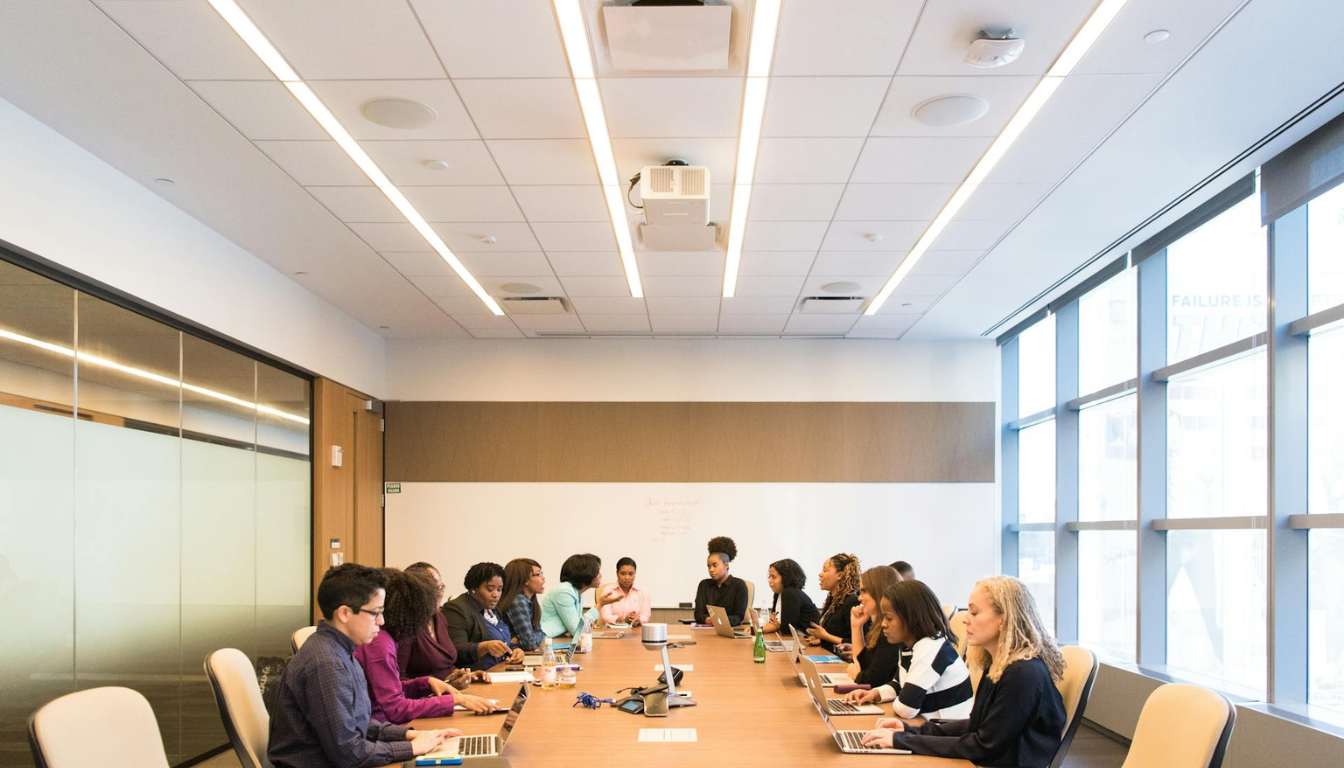
There's a reason offsites have become a fixture of the modern company calendar. The best ones do something a normal workweek simply can't: they create the conditions for the kind of thinking, conversation, and connection that drives organizations forward.
Here are the five core reasons companies invest in them:
• Strategic alignment. Offsites give leadership teams the uninterrupted time to align on direction, revisit priorities, and make decisions that would otherwise get deferred indefinitely in the flow of daily work. A two-day planning retreat can accomplish what six months of weekly meetings can't.
• Team cohesion. Strong teams aren't built in Zoom calls. Research consistently shows that in-person time accelerates trust — and trust accelerates performance. One Microsoft study found that employees who met in person reported higher feelings of connection and collaboration than those who never did.
• Culture building. Culture is transmitted from person to person. Offsites — especially for distributed or hybrid teams — are one of the most effective ways to create shared experiences, reinforce values, and give employees something to feel connected to beyond their immediate team.
• Focus without distraction. A different environment signals a different mode. When people aren't in their usual seats, they tend to think differently — more creatively, more strategically, less reactively. Removing people from the office (physically and psychologically) is often the only way to get the attention the most important work deserves.
• Celebrating wins. Offsites aren't just for problem-solving. Many companies use them to acknowledge team achievements, recognize contributors, and mark milestones in a way that reinforces momentum going forward.
For remote and hybrid organizations, the stakes are even higher. A survey by Owl Labs found that 84% of remote workers believe in-person meetings help build stronger team relationships — making the offsite one of the primary touchpoints for culture in distributed companies.
Types of Company Offsites
Not all offsites are built the same. The format, attendees, and agenda depend heavily on the purpose. Here are the most common types:
• All-hands offsite. The full company gathers — sometimes annually, sometimes twice a year — to align on vision, celebrate culture, and give every employee face time with leadership and cross-functional peers. These are typically the largest and most logistically complex offsites.
• Leadership or executive offsite. Senior leaders convene to tackle high-stakes decisions, long-range planning, or org-level challenges. These are typically small (5–20 people), intensive, and highly structured. See our guide to leadership retreats for a deeper breakdown.
• Team offsite. A specific department or functional team — product, engineering, sales, marketing — gathers to align, sprint on a project, or invest in relationships. Team offsites are the most common format and are often run quarterly or semi-annually.
• Sales kickoff. A specialized type of offsite focused on motivating and equipping the sales team at the start of a new year or quarter — with product training, playbook reviews, and competitive positioning. Learn more in our guide to sales kickoff meetings.
• Planning retreat. A focused session for working through annual or quarterly planning. Usually involves a small, cross-functional group working through OKRs, roadmaps, or budgets. Heavy on working time, lighter on social programming.
• Culture offsite. Purpose-built to invest in relationships and employee experience — especially useful for fast-growing teams or distributed organizations where culture can erode if left unattended. The agenda tends to be lighter on formal sessions and heavier on activities, shared meals, and informal time.
Types of Team Offsites by Purpose
Reflectionand Stabilization Sessions (rebuilding trust after underperformance orconflict), Innovation and Strategy Workshops (long-term strategic thinking,removed from daily distractions), and Crisis Management and OpportunityExploration (actionable plans under real time pressure). This organizes by teamstate rather than by audience/occasion, complementing rather than duplicatingthe existing types section.
How To Plan A Company Offsite: Step by Step

Planning a company offsite from scratch can feel overwhelming — especially at scale. Breaking it into clear phases makes it manageable. Here's the sequence that works.
Step 1: Define your objectives
Before you book anything, get aligned on why you're running the offsite. What should participants know, feel, or be able to do differently when it's over? The clearest offsites have one to three specific outcomes — not a long list of topics. Push leadership to make choices: if everything is a priority, nothing is.
Step 2: Pick your dates
Give yourself at least 8–12 weeks of lead time — more for larger gatherings or destination travel. Avoid fiscal quarter-end crunch periods, major holidays, and peak travel windows. Check key stakeholder calendars before sending a save-the-date. Once dates are locked, send a formal hold immediately.
Step 3: Set your budget
Establish a per-person budget range early and work backward from there. Most company offsites run $2,000–$4,000+ perperson, including travel. Build in a 10–15% buffer for unexpected costs. Align with finance before committing to a venue — scope creep is real.
Step 4: Choose your venue
The right venue depends on your group size, program needs, and budget. Consider: Does it have adequate meeting space? Breakout rooms? Is it all-inclusive or à la carte for food and AV? What's the travel burden for your team? Is the environment aligned with the tone you want to set (casual/creative vs. executive/polished)?
Sourcing venues is one of the most time-consuming parts of offsite planning. Platforms like Offsite let you browse from 1,000+ vetted venues and receive proposals within 48 hours — significantly reducing the legwork.
Step 5: Build your agenda
Map your objectives to time blocks. A good offsite agenda balances structured working sessions, open discussion, relationship-building, and downtime. Don't pack every hour — unstructured time is where a lot of the real connection happens. Assign session owners and clarify what each session needs to produce.
Step 6: Communicate with your team
Send a pre-offsite brief covering logistics (where, when, how to get there, what to bring), the high-level agenda, and the purpose. Prime any pre-work: reading, surveys, or frameworks, people should come ready to engage with. Reduce logistical friction — the more people have to figure out on their own, the more cognitive overhead they arrive with.
A strong pre-offsite communication plan follows a clear cadence: a purpose statement 2–3 weeks out explaining what you're trying to accomplish, the full agenda (not a placeholder) at least one week ahead, and logistics details — venue address, accommodation, what to bring —sent 3–5 days before. This cadence reduces day-of friction and signals the offsite has real stakes.
How you communicate before the offsite directly impacts how productive the offsite itself will be. If attendees arrive without context, the first hours get eaten up by alignment that should have happened in advance.
A strong pre-offsite communication plan includes:
• A purpose statement sent 2–3 weeks ahead: what we're trying to accomplish and why it matters
• Pre-read materials or a short survey asking each participant to reflect on top priorities or challenges
• The full agenda at least one week in advance — not a placeholder, but the actual schedule with session owners listed
• Logistics details (venue address, accommodation info, dress code, what to bring) sent 3–5 days out
• A 'what to expect' note from the executive sponsor or team lead — this signals that the offsite has senior buy-in and real stakes
This communication cadence reduces day-of friction, increases participant engagement, and signals that the organization takes the offsite seriously. It also makes your job as the organizer significantly easier on the day itself.
Step 7: Run the offsite
Designate a clear point person for logistics so session leads can focus on content. Start with something that builds energy and connection before diving into work. Watch pacing — if the room is running low on energy, take a break. End each working session with a clear summary of decisions made and next steps.
Step 8: Follow up
Send a post-offsite recap within 48 hours covering key decisions, action items with owners, and open threads to be resolved. Capture what worked and what didn't for the next iteration. The follow-up is often where offsite momentum goes to die — prioritize it.
Company Offsite Agenda: What To Include
A good offsite agenda doesn't just list sessions — it creates a rhythm. Here's what a typical two-day structure looks like:
A few agenda design principles to keep in mind:
• Cap working sessions at 90 minutes — cognitive fatigue sets in quickly, and shorter sessions with clear objectives outperform marathon meetings
• Build in at least two hours of unstructured time per day — this is where the real relationship-building happens
• Assign a session owner for each block — not just a topic, but a person responsible for driving the output
• Leave the last session open for 'issues that surfaced' — offsites often surface things nobody planned for
Day 1
• Morning: Arrival, welcome, and scene-setting. Open with a framing session that answers two questions: why are we here, and what does success look like? Follow with a relationship-building activity to warm up the group before diving into substantive work.
• Late morning: First working session — typically the highest-priority strategic topic or the one requiring the most cognitive energy.
• Afternoon: Second working session or structured discussion. Followed by an optional team activity or free time before dinner.
• Evening: Group dinner — the most valuable relationship-building time on most offsite schedules. Keep it unstructured or lightly structured with a conversation prompt.
Day 2
• Morning: Third working session. Energy is typically lower than Day 1 morning, so structure this session tightly and build in movement or a quick energizer.
• Late morning: Synthesis and prioritization. What did we decide? What are we committing to? What are we deferring?
• Afternoon: Wrap-up, action item review, and close. End with something that leaves people energized — a team reflection, a recognition moment, or a shared commitment exercise. Avoid letting the offsite trail off.
A few agenda design principles to keep in mind:
• Cap working sessions at 90 minutes — cognitive fatigue sets in quickly, and shorter sessions with clear objectives outperform marathon meetings
• Build in at least two hours of unstructured time per day — this is where the real relationship-building happens
• Assign a session owner for each block — not just a topic, but a person responsible for driving the output
• Leave the last session open for 'issues that surfaced' — offsites often surface things nobody planned for
Company Offsite Ideas and Activities
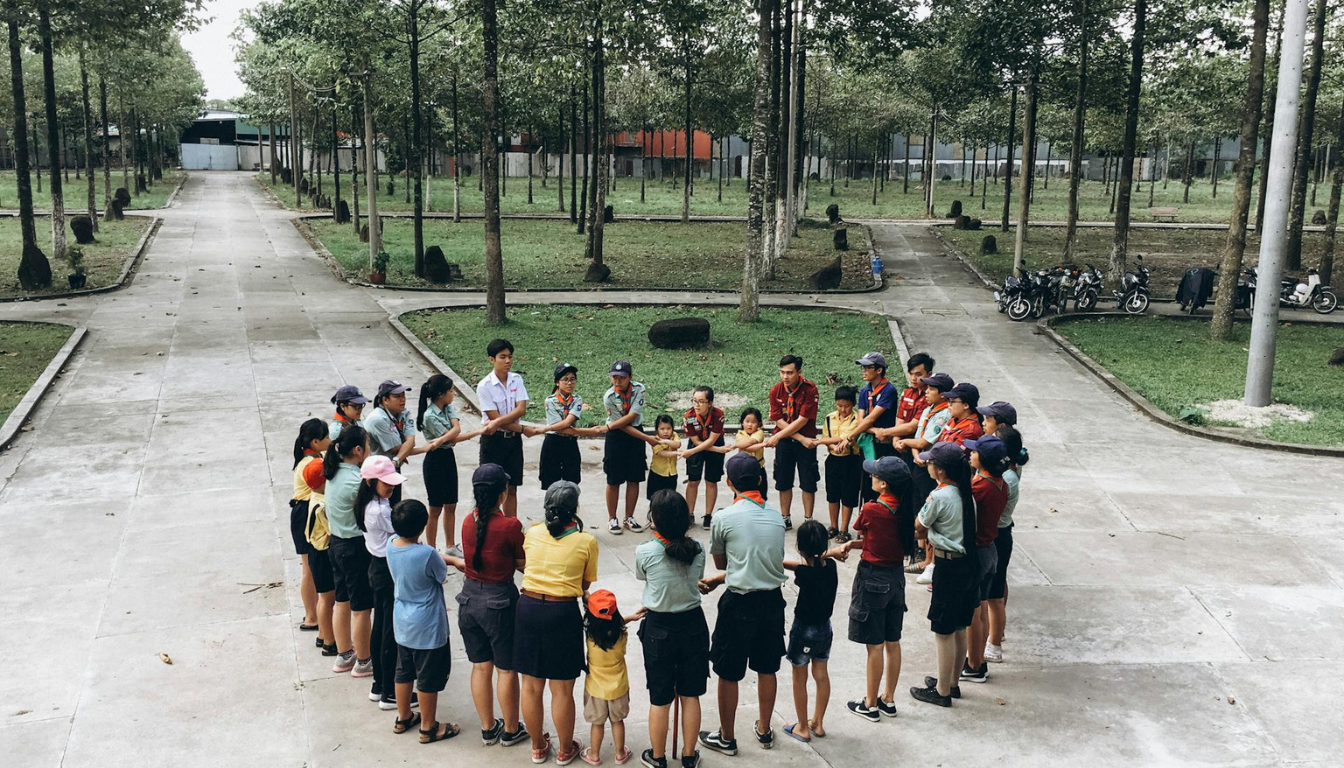
The programming between and around working sessions is often what people remember most. The right activities build trust, create shared experiences, and give teams a reason to want to be there. Here's how to think about the main categories:
• Team-building activities. Structured experiences designed to foster collaboration and communication — escape rooms, cooking challenges, improv workshops, trivia competitions, or scavenger hunts. Best used on Day 1 to break the ice and warm up the group dynamic before deep work begins.
• Workshops and learning sessions. Facilitated skill-building or knowledge-sharing sessions — a presentation skills workshop, a negotiation training, a product deep-dive. These work well when the team wants to invest in development alongside strategy, and can double as working sessions if structured well.
• Social and unstructured time. Don't underestimate the value of an open afternoon or an unscheduled hour. Some of the most important conversations at offsites happen in hallways and at the pool bar, not in conference rooms. Build this in intentionally — resist the urge to program every minute.
• Outdoor and physical activities. Hiking, kayaking, a golf outing, a bike ride, a ropes course — outdoor programming works especially well for teams that spend most of their time at desks. Physical activity shifts group energy, creates shared experiences across seniority levels, and gives people something to talk about that isn't work.
• Evening events. Dinners, cocktail hours, live entertainment, or city experiences (a food tour, a private gallery event, a local show) are the social glue of an offsite. The best evening programming feels like a treat — something people wouldn't do on their own — while staying inclusive of dietary needs and energy levels.
The right mix depends on your team's size, culture, and what kind of work you're doing. A 10-person leadership retreat focused on hard strategy decisions needs different social programming than a 200-person all-hands. Choose activities that match the energy you want to create — and that work for the full range of people in the room.
Where To Host A Company Offsite: Location Considerations
Location shapes tone. A downtown hotel conference center feels different from a mountain lodge or a beachside resort — and those environmental cues actually affect how people think and engage. Here's how to evaluate your options:
• Urban vs. nature. City venues offer convenience (easy travel, walkable restaurants, reliable AV) and professional polish. Nature venues — ranches, retreats, lakeside properties — create a sense of psychological distance from the office that can unlock more creative and candid conversation. Neither is universally better; match the setting to the purpose.
• Domestic vs. international. For most companies, domestic destinations keep travel burden manageable and costs predictable. International offsites can be high-impact for global teams but require more lead time, visa coordination, and budget.
• Proximity to your team. If your team is centralized, a nearby venue reduces travel cost and friction. For distributed teams, a central location (or one close to where the majority of team members are based) minimizes the imbalance of who travels furthest.
• All-inclusive vs. à la carte. All-inclusive venues bundle lodging, F&B, and meeting space into one price — simpler to budget, easier to manage. À la carte setups offer more flexibility but require more coordination. For first-time offsite planners, all-inclusive venues are usually the easier choice.
Popular domestic offsite destinations include Austin, Nashville, Scottsdale, Denver, and Miami. For a curated list of venue options by city, explore our corporate retreat locations guide.
How Much Does A Company Offsite Cost?
The cost of a company offsite varies based on group size, location, duration, and activity choices. For a detailed breakdown of what drives retreat costs, see our Corporate Retreat Cost Guide.
How Offsite Simplifies Company Offsite Planning
Planning a company offsite involves dozens of moving pieces — venue sourcing, contract negotiation, catering coordination, AV setup, activity booking, and more. It's a significant lift, especially when it's not your primary job.
Offsite exists to take that burden off your plate.
Here's how it works: tell us your dates, headcount, location preferences, and objectives. Our team searches our network of 1,000+ vetted venues — boutique hotels, resort properties, historic estates, conference centers, and unique spaces — and delivers curated proposals within 48 hours. Every venue in our network has been evaluated for meeting space quality, lodging, F&B, and AV capabilities.
Beyond venue sourcing, Offsite helps coordinate activities, catering, facilitation, and logistics — so you can focus on the content and your team, not the planning spreadsheet. On average, companies that plan through Offsite save 20% compared to booking independently, and save significant time in the process.
Whether you're planning a two-day leadership retreat for 12 or an all-hands for 300, we can help you find the right space and structure the right experience.
Ready to get started? Start planning your company offsite →
FAQs
- What is a company offsite?

A company offsite is a structured gathering held outside the normal workplace, designed to help teams align on strategy, build relationships, and step back from daily operations. Offsites typically last one to three days and include a mix of working sessions, facilitated discussions, and team activities.
- How do you make a company offsite inclusive for remote employees?
For hybrid teams, either fly remote employees in for the full offsite or design a parallel virtual experience mirroring the in-person agenda. If budget limits in-person attendance, prioritize the sessions where live interaction adds the most value — strategic discussions and relationship-building — and handle information-sharing asynchronously.
- What’s the difference between a company offsite and a corporate retreat?
The terms are often used interchangeably. “Corporate retreat” tends to suggest a stronger emphasis on team building or relaxation, while “company offsite” implies a balance between strategic work and relationship building. In practice, the format depends on the goals, not the label.
- How much does it cost to plan a company offsite?
Company offsite costs typically range from $40,000–$80,000+ for 20 people, including travel, depending on the venue, location, length, and level of programming. A two-day offsite for 20 people at a mid-range venue usually lands between $40,000 and $80,000 all-in.
You may also like


Stay Updated with Our Insights
Get exclusive content and valuable updates directly to you.