
Board Retreat Guide: How to Plan Strategic Retreats That Transform Your Organization


Your board meetings handle the essentials—approvals, updates, financial reviews. But when's the last time your board stepped back to think strategically about your organization's future?
A well-planned board retreat creates space for the conversations that can't happen in regular two-hour meetings: clarifying long-term vision, tackling complex challenges, and making strategic decisions that will shape your organization for years to come.
This guide walks you through everything you need to plan an executive retreat that delivers real results—from choosing the right venue to turning insights into lasting impact.
Key Takeaways
- A board retreat is a dedicated off-site gathering where board members step away from routine governance to focus on strategic planning, team building, and organizational vision
- Effective board retreats require 3-6 months of planning, clear objectives, and structured agendas that balance strategic work with relationship building
- The ideal board of directors retreat includes pre-retreat preparation, facilitated strategic sessions, team-building activities, and concrete action plans
- Luxury board retreat venues and upscale settings can enhance focus and demonstrate organizational investment in governance excellence
- Post-retreat follow-up within 7 days significantly increases the likelihood of implementing decisions and maintaining momentum
What Is a Board Retreat?

A board retreat is a focused, typically off-site meeting where board members gather for extended strategic planning, governance discussions, and relationship building beyond regular board meetings. Unlike standard board meetings that focus on operational oversight and routine approvals, these offsites create dedicated time and space for directors to step back, think strategically, and align on the organization's future direction.
These gatherings typically last anywhere from a half-day to three full days, with most organizations finding that 1-2 days provides the optimal balance between depth and practicality. The retreat setting—whether at an upscale conference center, luxury resort, or thoughtfully chosen local venue—removes board members from daily distractions and signals the importance of strategic work.
These gatherings serve multiple purposes: clarifying organizational mission and vision, developing or refining strategic plans, strengthening board culture and relationships, addressing governance challenges, and creating alignment between board members and executive leadership.
Why Your Board Needs a Strategic Retreat
These retreats have evolved from optional perks to essential governance tools. Organizations that conduct regular board of directors retreats report stronger strategic clarity, improved board engagement, and better alignment between governance and operations.
The benefits extend beyond strategy development. These gatherings create opportunities for deeper conversations that simply cannot happen in two-hour board meetings. For proven approaches, explore strategic planning retreats best practices that consistently drive results. They allow new board members to integrate more fully, enable difficult conversations in a supportive environment, and rebuild energy and commitment that may fade during day-to-day governance work.
Research shows that organizations holding annual offsites demonstrate 40% higher board member satisfaction and 35% better strategic plan implementation compared to those relying solely on regular meetings.
How to Plan a Board Retreat That Delivers Results
Start Planning 3-6 Months in Advance
Successful planning requires significant lead time. Begin planning at least three months before your intended retreat date, with six months being ideal for larger boards or complex strategic agendas.
Early planning allows you to:
- Secure optimal dates that work for most board members
- Book desirable venues, especially upscale locations
- Conduct pre-retreat assessments and surveys
- Prepare necessary background materials and strategic documents
- Engage external facilitators if desired
Define Clear Objectives
Every effective agenda starts with 2-3 specific, measurable objectives. Avoid the temptation to tackle everything at once. Instead, focus on the highest-priority strategic needs facing your organization.
Common objectives include:
- Developing or refreshing the organization's 3-5 year strategic plan
- Enhancing board effectiveness and governance practices
- Building stronger relationships between new and veteran board members
- Addressing specific organizational challenges or opportunities
- Aligning board and staff on strategic priorities
- Clarifying board roles and committee structures
Share these objectives with all participants at least two weeks before the retreat. When board members arrive knowing exactly what success looks like, they come prepared to contribute meaningfully.
Choose the Right Venue

The retreat location significantly impacts outcomes. While budget constraints matter, investing in a quality venue demonstrates respect for board members' time and creates an environment conducive to strategic thinking.
For luxury experiences, consider:
- Conference centers with dedicated meeting spaces and overnight accommodations
- Resort properties that combine professional facilities with recreational amenities
- Historic estates or boutique hotels that inspire creativity
- Retreat centers specifically designed for strategic planning
For budget-conscious organizations, excellent options include:
- University conference facilities
- Non-profit retreat centers offering discounted rates
- Board member vacation homes or company facilities
- Quality local hotels with meeting space
The key is ensuring adequate meeting space, minimal distractions, comfortable seating for extended sessions, and appropriate technology support.
Essential Agenda Elements
Pre-Retreat Preparation
The work begins before anyone arrives. Distribute a pre-retreat packet 2-3 weeks in advance including:
- Retreat objectives and agenda
- Background materials on strategic topics
- Pre-reading assignments
- Pre-retreat survey or reflection questions
- Logistical details and directions
Advance preparation enables deeper discussions and ensures that retreat time focuses on dialogue and decision-making rather than information delivery.
Having the right agenda is only half the equation — how well each session is facilitated determines whether it produces real outcomes. For a deep dive on managing group dynamics and difficult conversations, see our expert guide to facilitating a board retreat, or our step-by-step facilitation walkthrough if you're planning to lead the session yourself for the first time.
Opening Session: Setting the Stage
Begin with a 30-60 minute opening that includes:
- Welcome and logistics overview
- Retreat objectives review
- Ground rules for productive dialogue
- An engaging icebreaker that connects to your organization's mission
Effective icebreakers for board retreats go beyond typical team-building clichés. Ask questions like "What brought you to this board, and what keeps you engaged?" or "What's one organizational achievement you're most proud of, and one challenge you're concerned about?"
Strategic Work Sessions
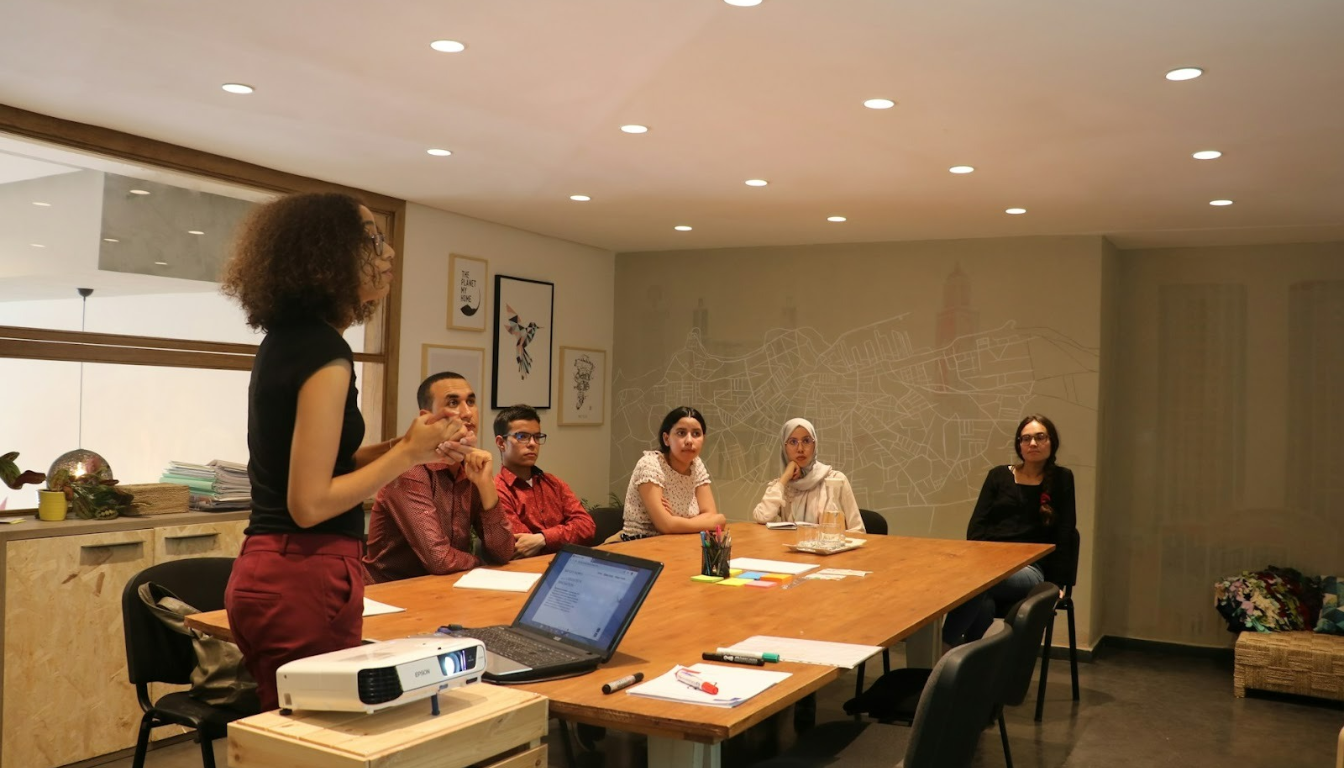
Reserve your highest-energy time blocks—typically morning hours—for intensive strategic work. Structure these strategic sessions around your retreat objectives, using proven frameworks like:
SWOT Analysis: Systematically examine organizational strengths, weaknesses, opportunities, and threats. Dedicate 90 minutes to thorough discussion, ensuring all voices contribute.
Scenario Planning: Explore multiple potential futures and their strategic implications. This approach works particularly well when facing significant uncertainty.
Theory of Change Review: Re-examine the logic connecting your activities to intended impact. This exercise often reveals gaps or outdated assumptions.
Resource Allocation Discussions: Align budgets and resources with strategic priorities, making difficult choices about where to invest and divest.
Small Group Breakout Sessions
Large group discussions have limitations. Not everyone speaks up, and complex topics benefit from more intimate conversation. Schedule 2-3 small group sessions where 4-6 board members dive deeper into specific strategic questions.
Provide clear prompts, designate a facilitator and note-taker for each group, and build in time for groups to report back their insights. These sessions often produce the most creative thinking and honest dialogue.
Relationship-Building Activities
Strategic retreats need relational glue. Schedule intentional time for board members to connect as people, not just governance partners. For inspiration, explore these executive retreat ideas for effective leadership that blend relationship building with strategic outcomes.
This might include:
- Hosted meals with assigned seating to mix up conversations
- A group activity related to your mission (site visits, service projects)
- Evening social time with light refreshments
- Outdoor walks between sessions
- Shared transportation to and from the venue
These informal moments often build the trust and camaraderie that enable difficult board-level conversations throughout the year.
Action Planning and Commitments
Never end without concrete next steps. Reserve the final 60-90 minutes for:
- Summarizing key decisions and insights
- Identifying specific action items with responsible parties and deadlines
- Clarifying how retreat outcomes will inform regular board work
- Establishing how progress will be monitored
- Gathering immediate feedback on the retreat experience
Assign each action item to a specific person with a realistic timeline. Vague commitments like "the board will explore..." rarely translate to actual progress.
Post-Retreat Follow-Through: Turning Plans into Action

The retreat's true value emerges in follow-up. Organizations executing strong post-retreat follow-up see 3x higher implementation rates.
Within 48 Hours: Send a thank-you message to all participants acknowledging their engagement and contributions.
Within One Week: Distribute a comprehensive retreat recap including key decisions, action items with responsibilities and deadlines, themes from discussions, and next steps. For guidance on running the sessions themselves, see our step-by-step guide on facilitating a board retreat to ensure productive and well-structured discussions.
Within One Month: Schedule a check-in to review progress on action items, address concerns, and maintain accountability. Many organizations dedicate the first 15-20 minutes of their next board meeting to follow-up.
Ongoing Integration: Weave retreat outcomes into regular governance work by referencing strategic priorities when making decisions, including action items in board agendas, tracking metrics established during the retreat, and celebrating progress.
Common Board Retreat Mistakes to Avoid
Overpacking the agenda: Trying to address too many topics leads to shallow discussions. Less is more—focus on 2-3 strategic priorities.
Skipping pre-work: Expecting participants to arrive cold wastes precious time on information sharing that could happen in advance.
No follow-up plan: Ending without clear next steps and accountability means insights quickly dissipate. Schedule follow-up within one week.
Summary
Board retreats represent one of governance's highest-leverage investments. When thoughtfully planned and well-executed, these strategic gatherings align boards around shared vision, strengthen relationships that fuel effective governance, address challenges too complex for regular meetings, and create momentum for organizational advancement.
Success requires balancing multiple elements: clear objectives that focus efforts, adequate planning time to prepare well, appropriate venues that support deep work, structured agendas that mix strategic sessions with relationship building, and rigorous follow-up that translates insights into action.
Whether you choose an upscale setting or a modest local venue, what matters most is creating space for the strategic thinking and candid dialogue that regular board meetings cannot accommodate. The organizations seeing greatest retreat value invest not just in the event itself, but in the preparation beforehand and implementation afterward.
Your next retreat can be transformational—if you approach it as seriously as the strategic decisions it's meant to inform. Start planning early, engage your board in the design, focus on what matters most, and commit to following through. The time and resources invested will pay dividends in governance effectiveness, strategic clarity, and organizational impact for years to come.
FAQs
- How long should a board retreat be?

The most effective ones run 1-2 full days. Half-day retreats work for focused, specific objectives but limit deeper strategic work. Three-day retreats provide extended time but may be impractical given board members' schedules. Consider your objectives, board culture, and the complexity of topics when deciding duration.
- How often should boards hold retreats?
Annual retreats serve most organizations well, typically scheduled 6-8 months after the fiscal year begins. Some organizations add a shorter mid-year retreat for specific purposes. Quarterly mini-retreats work for smaller boards facing rapid change. The key is establishing a predictable rhythm that becomes part of your governance calendar.
- Should staff attend the retreat?
This depends on retreat objectives and organizational culture. Most benefit from having the executive director and perhaps 1-2 senior staff present for portions of the agenda. Complete board-only time enables candid governance discussions, while joint board-staff sessions build alignment. A common approach: staff present for 60-70% of the retreat, with dedicated board-only time for executive session topics.
- What's a reasonable budget for a board of directors retreat?
Budgets vary dramatically based on board size, duration, and venue choices. A modest one-day local retreat might cost $50-100 per person for meals and meeting space. Mid-range overnight retreats typically run $200-400 per person including lodging, meals, and venue. Luxury experiences can exceed $500-800 per person. Allocate 0.5-1% of your organization's operating budget as a general guideline, adjusting based on board size and strategic priorities.
You may also like



Stay Updated with Our Insights
Get exclusive content and valuable updates directly to you.