
How to Plan and Facilitate a Board Retreat: Expert Guide


Your board's most important conversations rarely happen in the boardroom. They happen at executive retreats where members can step away from routine oversight and dive into strategic questions, difficult decisions, and candid dialogue about what's actually working—and what isn't.
But here's what separates transformational retreats from expensive disappointments: skilled facilitation. Whether you're a board chair considering facilitating yourself, an executive director weighing the investment in professional board retreat facilitators, or a governance consultant seeking to sharpen your approach, the facilitation quality determines whether your intimate gathering of 8-15 board members at that carefully chosen luxury venue produces genuine breakthroughs or simply polite conversation.
This guide addresses the unique challenges of facilitation—particularly in small, intimate sessions where relationship dynamics intensify and boards must navigate politically sensitive territory. You'll discover when to hire external expertise versus facilitating internally, essential skills for managing difficult conversations in close-quarters luxury settings, and practical board retreat ideas for different scenarios. Most importantly, you'll learn how skilled facilitators create the psychological safety that allows boards to address the tricky subjects they've been avoiding.
Key Takeaways
- Effective facilitation requires balancing strategic focus with psychological safety, especially when navigating sensitive governance topics or organizational challenges
- Professional board retreat facilitators bring neutrality, expertise, and proven frameworks that enable candid dialogue impossible when internal leaders facilitate
- Effective facilitation combines structured techniques (parking lots, breakout sessions, decision frameworks) with adaptive skills to read group dynamics and intervene appropriately
- Intimate, luxury retreat settings enhance facilitation effectiveness by reducing distractions, signaling importance, and creating environments where vulnerability and honest dialogue flourish
- Self-facilitation works for experienced boards with strong internal dynamics, while external facilitators prove essential for addressing conflict, major transitions, or politically charged topics
What Makes Retreat Facilitation Different from Regular Meetings

Retreat facilitation demands skills far beyond running typical board meetings. While regular meetings follow predictable rhythms—reports, votes, committee updates—retreats dive into uncharted territory. You're guiding conversations about organizational future, addressing governance tensions, and creating space for the difficult discussions boards typically avoid. For a step-by-step breakdown, see our complete guide to facilitating board retreats. This guide focuses specifically on facilitation skill — for the planning side (timeline, budget, venue selection, and objective-setting), see our complete board retreat planning guide.
The stakes are higher. Board members invest significant time away from their responsibilities, often at upscale or luxury settings chosen specifically to demonstrate the retreat's importance. They arrive expecting meaningful outcomes, not another meeting disguised as a retreat.
The dynamics shift dramatically. In standard board meetings, positional authority and formal roles structure interaction. At retreats, especially intimate gatherings of 8-15 board members, facilitators must navigate more personal territory—relationship dynamics, unspoken conflicts, competing visions for organizational direction, and sometimes uncomfortable truths about board effectiveness.
Effective retreat facilitation creates what researchers call "productive discomfort"—an environment safe enough for vulnerability yet structured enough for progress. This balance separates exceptional facilitation from merely keeping people on schedule.
When to Hire Board Retreat Facilitators vs. Self-Facilitate
The choice between external board retreat facilitators and internal leadership significantly impacts retreat outcomes.
Situations Demanding External Facilitators
Bring in professional board retreat facilitators when:
Navigating conflict or controversy: When board members hold opposing views on strategic direction, leadership concerns, or governance approaches, external facilitators provide the neutrality internal leaders cannot. They can name tensions, facilitate difficult conversations, and help boards move through disagreement to resolution.
Addressing board performance issues: Boards struggling with engagement, effectiveness, or interpersonal dynamics benefit from outside expertise. External facilitators can surface challenges diplomatically and guide improvement processes without triggering defensiveness.
Major organizational transitions: Leadership changes, mergers, significant strategic pivots, or crisis responses require facilitation expertise that helps boards process complexity and align on new directions.
Involving executive director evaluation: When retreats include discussions about executive performance or leadership team effectiveness, external facilitators enable board-only conversations the executive director shouldn't navigate.
First retreats or new boards: Boards inexperienced with retreats or those with many new members gain from professional facilitation that models effective practices while delivering immediate value.
Luxury or high-stakes settings: When organizations invest in upscale retreat venues and bring busy board members together for extended time, professional facilitation maximizes return on that investment.
When Self-Facilitation Works
IInternal facilitation succeeds when board culture is healthy with strong trust, topics are exploratory rather than contentious, the board chair has genuine facilitation skills, and the agenda focuses on structured activities rather than complex group dynamics. Even experienced boards often blend approaches—self-facilitating portions while bringing external expertise for sensitive sessions.
Essential Facilitation Skills
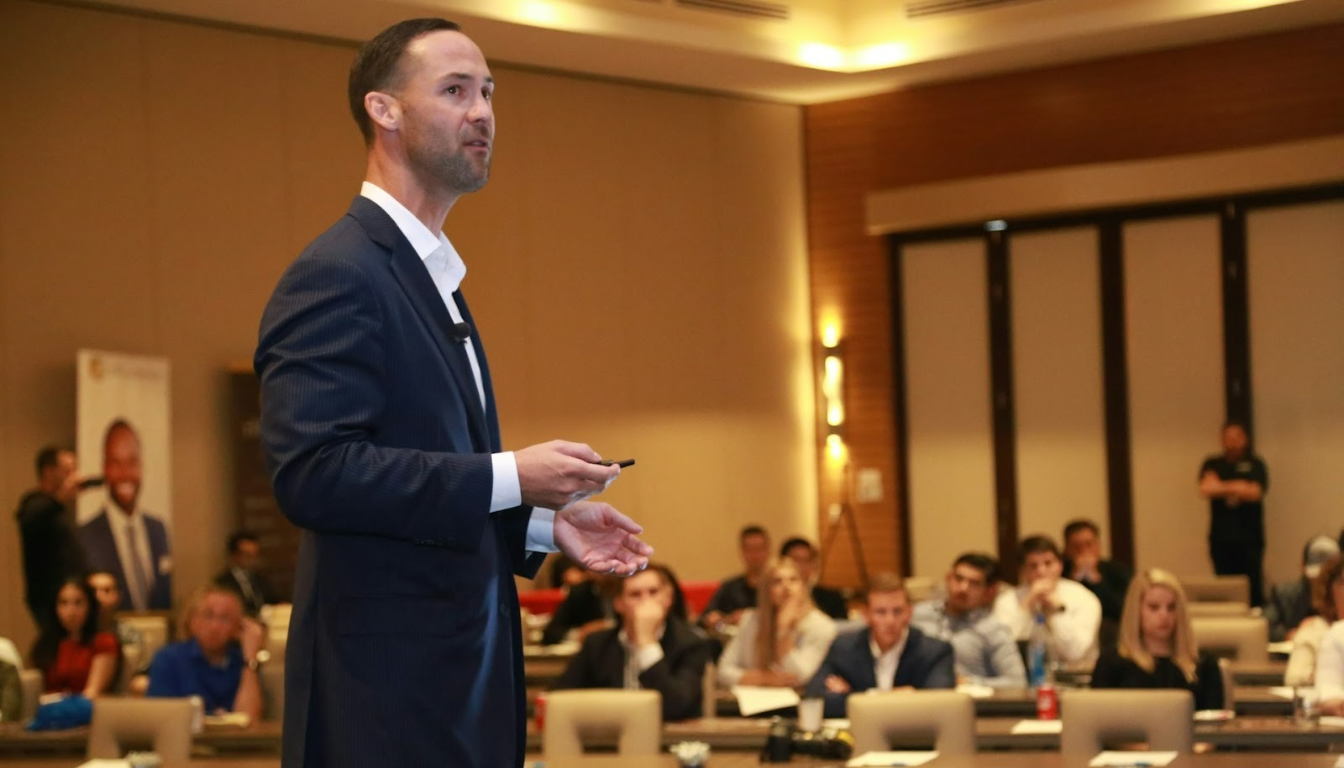
Whether hiring facilitators or developing internal capability, these core competencies separate effective facilitation from simply moderating discussion.
Creating Psychological Safety in Intimate Settings
Small, intimate board retreats magnify relationship dynamics. A comment that might pass unnoticed in a 30-person gathering reverberates through a group of 10 sitting around a single table at a luxury retreat venue.
Skilled facilitators establish psychological safety through:
Explicit ground rules co-created with the group: Rather than imposing rules, facilitators invite board members to shape agreements about confidentiality, respectful disagreement, and full participation. When boards own these agreements, compliance follows naturally.
Modeling vulnerability: Facilitators who acknowledge uncertainty ("I'm not sure the best approach here—let's experiment") or normalize difficulty ("These conversations are never easy, and that's exactly why they matter") give permission for board members to show up authentically.
Managing airtime proactively: In intimate settings, dominant voices quickly monopolize discussion. Expert facilitators use structures that ensure balanced participation—round-robins, written reflection before discussion, small group breakouts—rather than relying on everyone to self-regulate.
Naming what's unspoken: When tension fills the room or side conversations multiply, skilled facilitators surface the dynamic directly: "I'm noticing energy shifted when we raised the funding question. What's happening for folks right now?"
Navigating Difficult Conversations and Tricky Subjects
Board retreats often tackle topics boards have avoided for months or years. Effective facilitation means having both courage to initiate difficult conversations and skill to navigate them productively.
The facilitation move: When approaching sensitive territory, frame it as exploration rather than accusation. Instead of "Why haven't we addressed declining engagement?" try "Let's examine the factors affecting board engagement over the past year. What patterns do you notice?"
Managing emotional escalation: Luxury retreat settings and extended time together sometimes surface strong emotions. Effective facilitators validate feelings while maintaining focus: "I appreciate the passion behind these concerns. Let's channel it into specific proposals we can evaluate together."
Using breakout sessions strategically: When full-group discussion feels stuck or unsafe, small group conversations of 3-4 people enable more honest dialogue. Facilitators can then harvest insights without requiring individuals to expose themselves.
The parking lot technique: Not every important topic fits the current agenda. Skilled facilitators create "parking lots"—visible lists of issues to address later. This acknowledges concerns while maintaining productive focus.
Decision-making frameworks: When boards struggle to move from discussion to decision, facilitators introduce clear frameworks: "Let's use 'thumbs up, sideways, or down' to gauge where people stand, then discuss remaining concerns."
Balancing Structure with Flexibility
The best-laid retreat agendas rarely survive first contact with actual board dynamics. Great facilitation requires holding the container while adapting to what emerges.
Time-boxing discussions: Give each topic specific time limits, use visible timers, and intervene when conversations circle: "We're 20 minutes into this topic and I'm hearing three distinct viewpoints. Let's capture them, then decide if we need more time or if we're ready to move forward."
Reading energy and adjusting: When board members drift during post-lunch sessions at your luxury venue, skilled facilitators call breaks, shift to more active formats, or table complex topics for when focus returns.
Knowing when to abandon the plan: Sometimes the conversation the board needs isn't the one you planned. Great facilitators recognize these moments and adapt: "This discussion about board culture seems more urgent than the fundraising topic we scheduled. What if we pivot our focus and come back to fundraising later?"
Board Retreat Ideas for Different Facilitation Scenarios

For Strategic Visioning Retreats
Future headline exercise: Board members draft newspaper headlines announcing major achievements five years from now. Groups compare headlines, identifying common themes and divergences that surface strategic priorities.
Stakeholder journey mapping: Groups trace the experience of different stakeholder groups with the organization, revealing disconnects between current reality and desired experience.
Scenario planning sessions: Develop 2-3 plausible scenarios (optimistic, pessimistic, transformative) and strategy-test against each, building organizational resilience. For best practices on running strategic planning sessions, see our dedicated guide.
For Relationship Building in Intimate Settings
Expanded personal introductions: Ask questions revealing deeper connections: "What life experience most shaped your leadership approach?" In small retreats, depth matters more than breadth.
Paired conversations: Before difficult topics, pair board members for structured one-on-one conversations using facilitator-provided questions.
Mission immersion experiences: Schedule site visits or interactions with those served, creating bonds and re-centering boards on purpose. Browse our collection of executive retreat ideas for formats that work across different facilitation scenarios.
Facilitation Techniques for Luxury and Intimate Retreat Settings
Leverage luxury venues' multiple spaces—match formal planning to conference rooms, relationship-building to lounges, creative work to outdoor areas. Walking meetings enable honest dialogue for difficult topics. Assign seating at meals to mix conversations, build in alone time for processing between sessions, and create tech-free periods for deep discussion while using digital tools like Miro for collaborative brainstorming. These principles align closely with the recovery-focused design behind executive wellness retreats.
Common Facilitation Mistakes When Leading Board Retreats

Over-programming the Agenda: Cramming too many topics prevents depth. Skilled facilitators ruthlessly prioritize 2-3 conversations that matter most.
Avoiding Necessary Conflict: Maintaining a pleasant atmosphere becomes counter-productive when boards need to address real disagreement. Lean into conflict productively.
Letting Dominant Voices Control: In intimate settings, one or two personalities can monopolize dialogue. Intervene directly: "Thank you, Janet. Let's hear from others who haven't spoken."
Failing to Adapt When Energy Shifts: Watch for signs—side conversations, phone checking, declining participation—and address them with breaks or topic pivots.
Measuring Success: How to Know Your Facilitation Was Effective
During: Quieter voices contribute, difficult topics get addressed, meaningful decisions are reached, and conversations go deeper than typical meetings.
After: Action items get implemented, members reference insights in subsequent meetings, relationships strengthen, and strategic decisions guide organizational direction."
Ready to move from facilitation strategy to execution? See our complete step-by-step guide to running a board retreat.
Summary
Leading board retreats, especially in intimate, luxury settings where small groups tackle sensitive governance topics, demands specialized skills beyond typical meeting management. The facilitator's role encompasses creating psychological safety for difficult conversations, balancing structural rigor with adaptive responsiveness, and leveraging both physical environment and group dynamics to produce meaningful outcomes.
Whether hiring facilitators or developing internal capability, focus on core competencies: managing difficult dialogue, ensuring balanced participation, reading and responding to group energy, and maintaining focus while staying flexible. In intimate retreat settings, these skills matter even more as relationship dynamics intensify and individual contributions carry greater weight.
Board retreat ideas and creative facilitation approaches serve the ultimate goal: transforming investment of time and resources into genuine strategic progress, stronger governance, and boards better equipped to advance their organizations' missions. When facilitation succeeds, board members leave energized, aligned, and committed to implementing decisions that shape organizational future.
FAQs
- What qualifications should I look for in board retreat facilitators?

Seek facilitators with specific board governance expertise, not just general meeting facilitation skills. Look for backgrounds in nonprofit leadership, governance consulting, or organizational development. Ask for references from similar organizations and examples of challenging facilitation situations they've navigated. Strong board retreat facilitators bring frameworks for common governance challenges while remaining flexible to your unique needs.
- Can our board chair facilitate our retreat effectively?
Board chairs can successfully facilitate portions of retreats, particularly straightforward planning sessions or activities with clear structures. However, chairs cannot simultaneously facilitate and fully participate, which limits their own contribution. More importantly, chairs lack the neutrality needed for sensitive topics or when their own leadership is under discussion. Consider hybrid approaches: chair facilitates some sessions, external facilitator handles others.
- What's the ideal facilitator-to-participant ratio for intimate board retreats?
For groups of 8-15 board members—the typical size for intimate luxury retreats—one skilled facilitator usually suffices. For larger groups (20+) or particularly complex situations, co-facilitation provides better coverage. Two facilitators can tag-team, with one managing content while the other monitors group dynamics, or split the board into concurrent breakout sessions.
- How do facilitators handle board members who dominate discussion?
Effective facilitators use both preventive and responsive techniques. Preventively, structure activities requiring everyone to contribute (round-robins, written responses before discussion, small groups). Responsively, intervene directly but respectfully: "John, I appreciate your engagement. Let's hear from others before returning to your point." In intimate settings, private conversations during breaks can address persistent issues.
You may also like



Stay Updated with Our Insights
Get exclusive content and valuable updates directly to you.