
Large Group Events: Complete Planning Guide for 50+ People

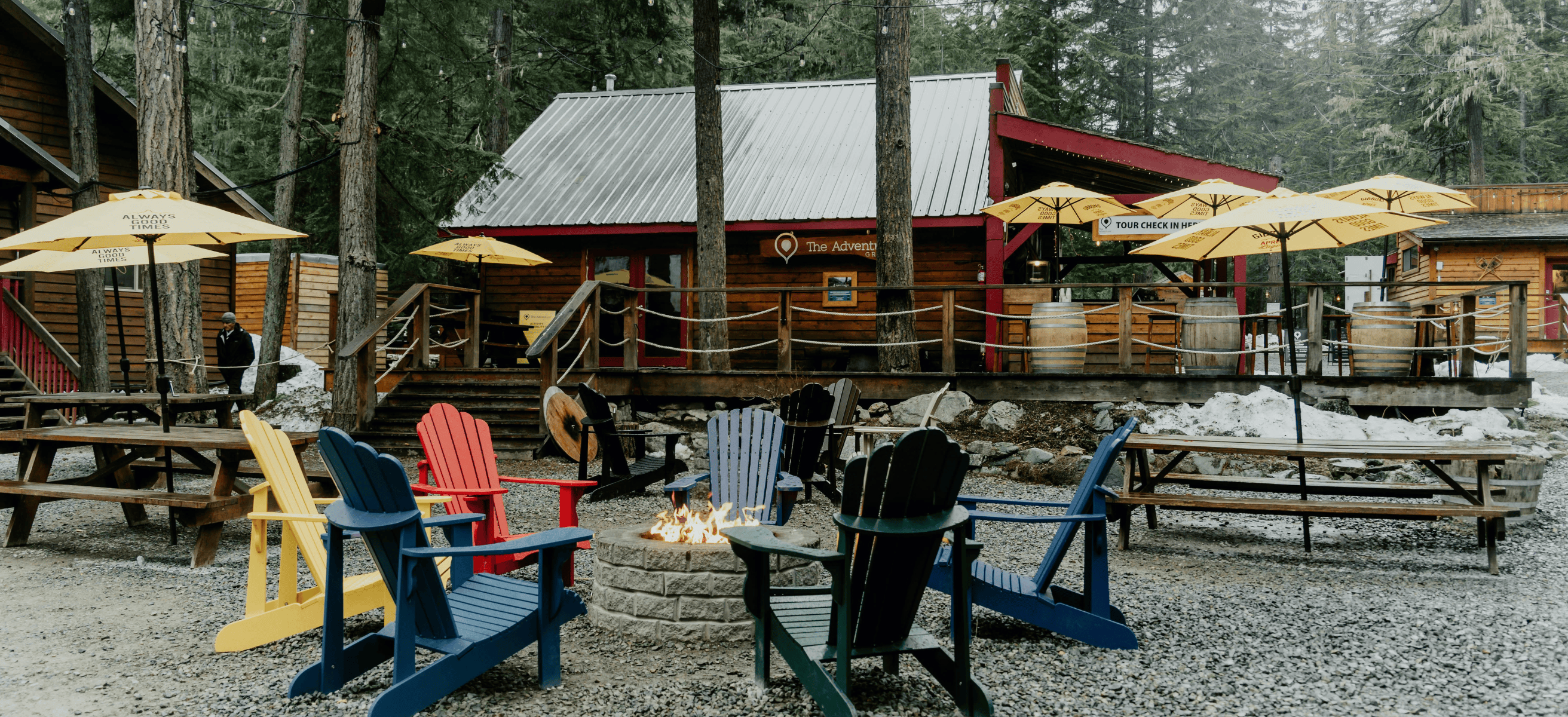
Picture this: 100 people arriving at your venue, energized and ready to connect. No bottlenecks at check-in. No confused faces wondering what happens next. Just smooth coordination that makes everyone feel like you've thought of everything—because you have.
Planning large group events for 50 or more people is equal parts strategy and creativity. Whether you're orchestrating a corporate retreat, coordinating travel for a conference, or bringing teams together for celebrations, the difference between chaos and seamless execution comes down to mastering the logistics while creating experiences people actually want to attend.
This guide breaks down exactly how to pull it off—from smart planning timelines and travel coordination to choosing the perfect venue and organizing fun games for large groups outdoors that get everyone moving and laughing together.
Key Takeaways
- Large group events require 3-6 months advance planning for groups of 50-100 people, and 6-12 months for groups exceeding 100, with clear objectives guiding all logistical decisions
- Successful travel coordination demands charter buses for 50+, group flight bookings, hotel room blocks negotiated 4-6 months ahead, and ground logistics managed through centralized communication
- Venue selection must account for capacity (10-15% buffer beyond headcount), multiple entry points to prevent bottlenecks, and flexible spaces accommodating both presentations and interactive activities
- Engaging large groups requires rotation-based activities, breakout teams, and outdoor games that promote movement and participation rather than passive observation
- Budget planning should allocate 10-20% contingency funds, with per-person costs typically ranging $75-200 for day events and $300-600 for multi-day retreats
Essential Planning Steps for Large Group Events
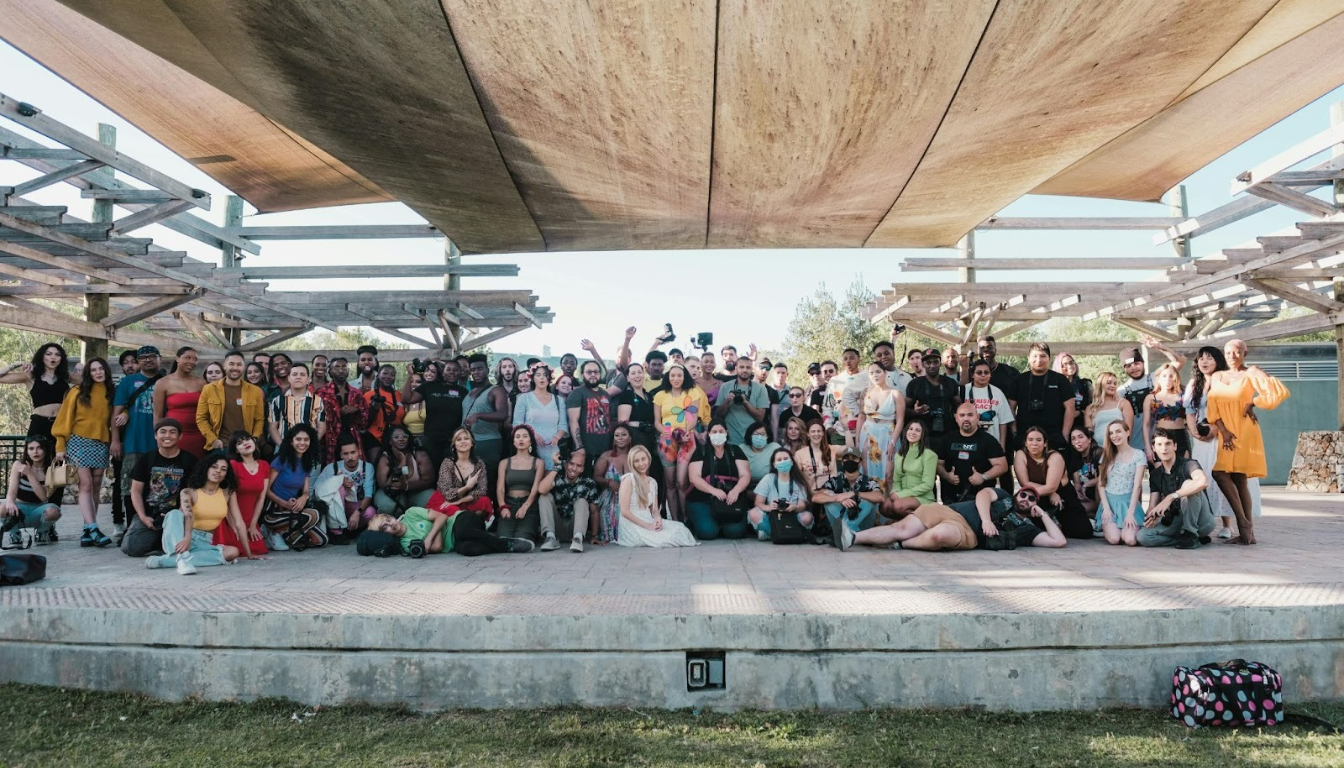
Let's start with the foundation: why are you bringing everyone together? A strategic planning retreat requires different programming than a celebration or training event. Your objectives aren't just nice-to-haves—they're the compass guiding every decision from budget allocation to activity selection.
Here's the planning reality: groups of 50-100 people need 3-6 months of lead time. Groups over 100? You're looking at 6-12 months minimum. This isn't just about getting organized—it's about securing the venues, transportation, and vendors you actually want before someone else books them. Create a detailed timeline working backwards from your event date, and suddenly those overwhelming tasks become manageable checkpoints.
Build your dream team early. For groups over 100, assign specific coordinators for transportation, accommodations, logistics, activities, and communications. These aren't honorary titles—these are the people who'll save you when the charter bus company calls with questions at 7 PM on a Tuesday. Regular check-ins keep everyone aligned and prevent those "wait, who was handling that?" moments that every planner dreads.
Don't skip the participant survey. Send it early and ask about dietary restrictions, accessibility needs, travel preferences, and activity interests. This single step dramatically increases participation and shows your team you're not just checking boxes—you're creating an experience designed for them.
Managing Large Group Travel Logistics
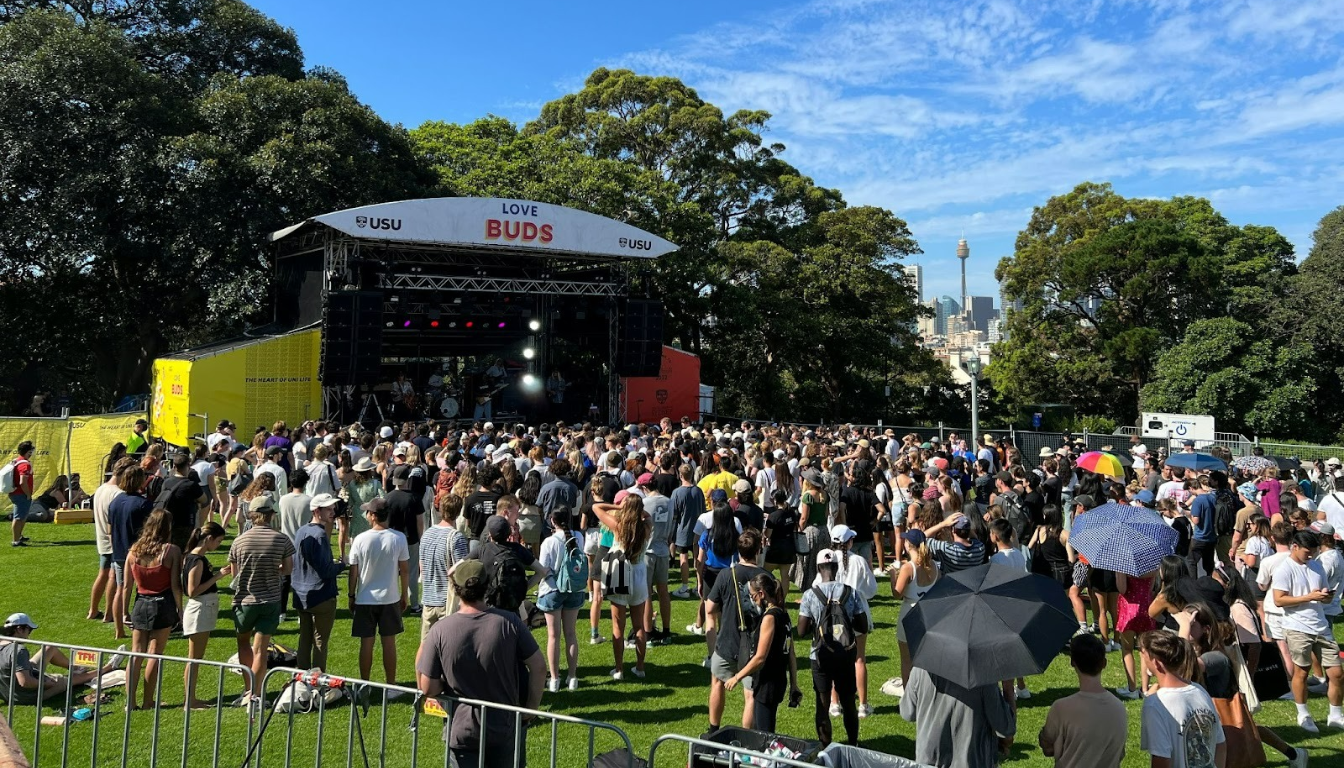
Transportation is where good events become great ones—or fall apart completely. Here's what works.
For 50 or more people heading to the same destination, charter buses are your secret weapon. Yes, $1,200-2,000 per bus sounds like a lot until you divide it across 50 passengers. Suddenly you're at $24-40 per person, everyone arrives together with unified energy, and parking becomes someone else's problem. The first impression matters, and a coordinated arrival beats scattered trickle-ins every time.
Flying your group in? Most airlines offer group pricing for 10 or more passengers—think flexible ticketing, reserved seating, and coordinated arrival times. Book 6-8 weeks out for the best rates, and when people are flying from different cities, create crystal-clear shared itineraries with designated meeting points. Nothing derails momentum like half your group wandering around baggage claim while the other half waits at ground transportation.
Hotel room blocks need attention 4-6 months ahead. Negotiate for rooms clustered on the same floors—those hallway conversations and elevator encounters create informal networking gold. Request flexible reservation policies, and designate one point person managing the rooming list. For groups over 100, seriously consider hiring a travel management company. Their vendor relationships often unlock better rates and dedicated support when Murphy's Law strikes at the worst possible moment.
Don't forget ground transportation beyond airport pickups. Map every venue transition, restaurant shuttle, and return trip. Real-time communication through group apps keeps everyone informed when timing shifts, turning potential confusion into seamless coordination.
Selecting the Right Venue
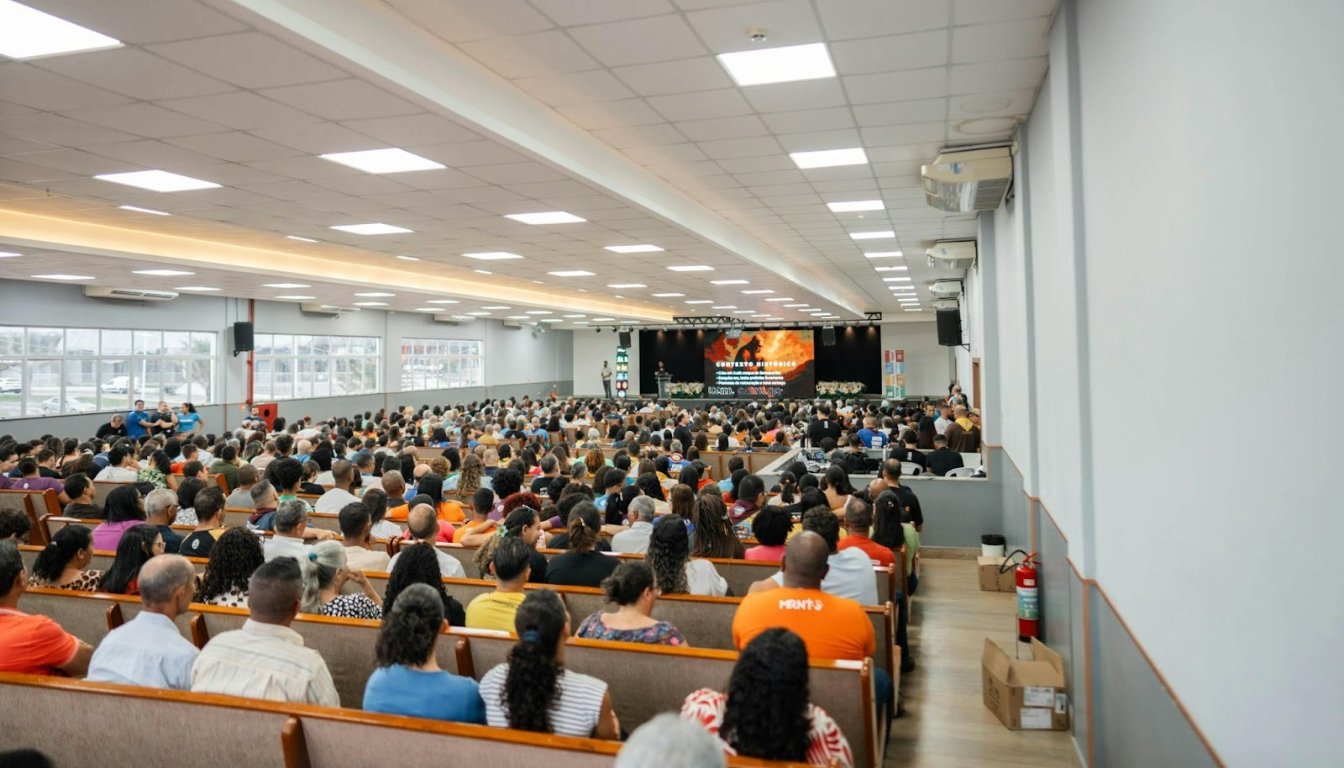
Your venue isn't just a location—it's the container holding your entire experience. Get this right and everything flows. Get it wrong and even the best programming feels cramped and frustrating.
Start with capacity planning that goes beyond headcount. Will people be sitting for presentations, mingling during networking, rotating through activity stations? Choose venues offering flexible configurations that adapt to different session types throughout your event. Build in 10 to 15 percent capacity buffers—75 people confirmed means targeting venues for 85-90. For a large group retreat, cramped spaces kill energy while excessive spaces create disconnection. Find the Goldilocks zone.
Multiple entry points aren't optional for large groups — they're essential. Picture 100 people funneling through a single check-in desk, and you'll understand why. Verify venues have multiple access points preventing bottlenecks that start your event with frustration instead of excitement.
Location accessibility matters more than you think. Choose venues within 30-45 minutes of major airports when participants travel from multiple cities. Close proximity to hotels simplifies multi-day logistics. Confirm adequate parking for drivers or charter bus access and staging areas for groups arriving together.
Technology infrastructure makes or breaks modern events. Confirm sound systems that actually work for groups over 50, projection equipment for presentations, and Wi-Fi handling simultaneous usage by dozens of devices. Onsite technical support prevents those panic moments when equipment fails five minutes before your keynote.
Fun Games for Large Groups Outdoors
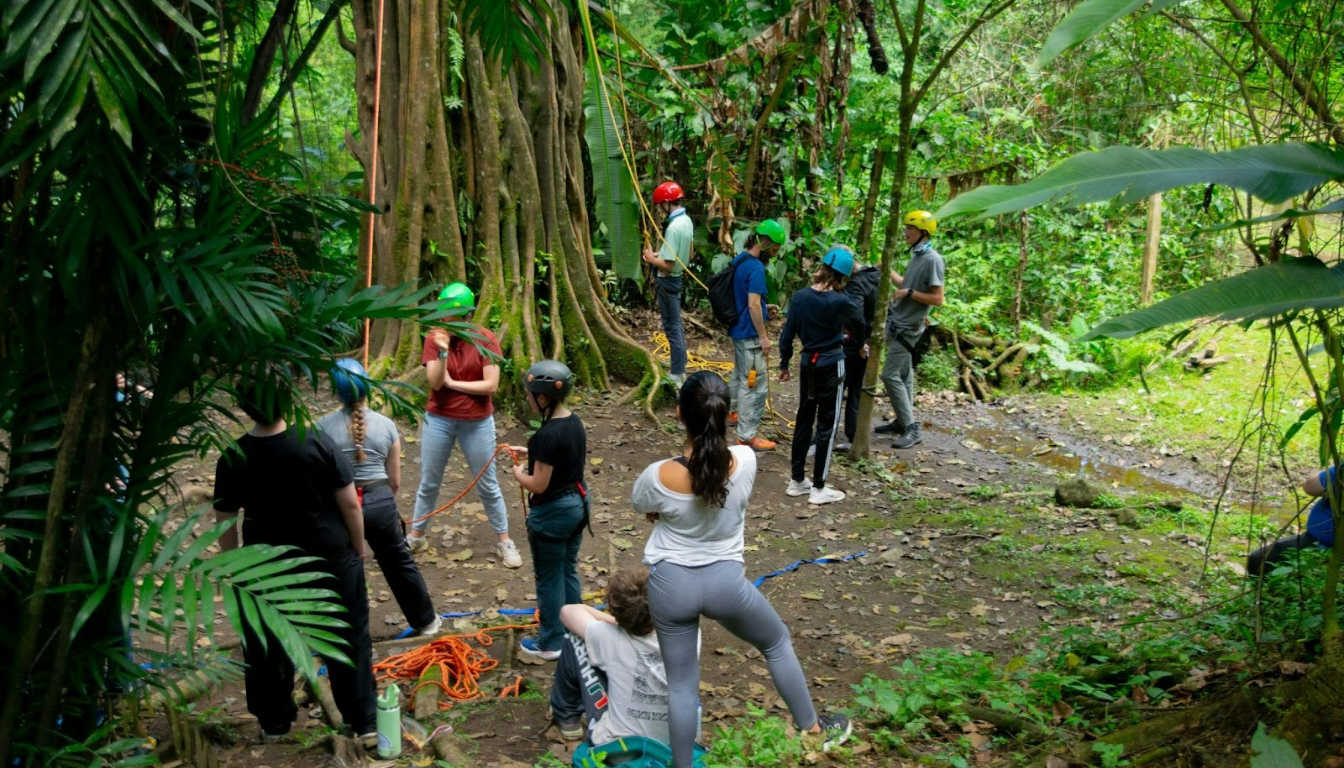
Indoor activities have their place, but outdoor games create energy and connection that's hard to replicate under fluorescent lights. The best fun games for large groups outdoors combine movement, teamwork, and friendly competition while working for various fitness levels.
Scavenger hunts are crowd-pleasers for groups of 50 to 200. Divide into teams of 6-8, hand out themed clue lists, and watch the competitive spirit ignite. Mix photo challenges (creative selfies at landmarks), interaction tasks (engage with locals), and problem-solving elements. Teams rotate through challenge stations, maintaining momentum while preventing bottlenecks. The beauty? Everyone stays engaged because there's always another clue to solve.
Relay race tournaments bring pure joy to any gathering. Set up multiple stations—sack races, three-legged races, egg-and-spoon contests, water balloon tosses. Rotation formats mean all teams stay continuously engaged rather than watching one race at a time. Award points at each station, building toward final standings that celebrate winners while emphasizing participation. The laughter alone makes this worth it.
Giant lawn games scale perfectly for large groups. Oversized Jenga towers, human foosball courts, cornhole tournaments, massive connect-four—these games need zero explanation and infinite appeal. Set up multiple stations simultaneously so participants circulate freely, choosing activities matching their energy and interest levels. Low pressure, high engagement.
Field day challenges transform events into carnival-style celebrations. Create stations featuring soccer tournaments, ultimate frisbee games, tug-of-war battles, and obstacle courses. Participants collect stamps or points visiting different stations, with final tallies determining team champions. This format accommodates groups exceeding 100 by distributing people across simultaneous activities, preventing any single location from becoming overcrowded.
Capture the flag remains timelessly effective in large outdoor spaces. Divide your group into teams, establish clear boundaries, provide distinctive identifiers like colored bandanas, and let strategy unfold. The movement and coordination required engage all athletic levels while building team communication skills—without anyone realizing they're technically "team building."
Managing Costs and Budget
Let's talk numbers. Day events typically run $75 to $200 per person covering venue, meals, and activities. Multiday retreats average $300 to $600 per person for mid-range venues, while upscale resort experiences can exceed $1,000 per person. These aren't suggestions—they're realistic benchmarks helping you build defendable budgets.
Always allocate 10 to 20 percent as contingency funds. Why? Because last-minute attendee additions happen. Weather changes force activity pivots. Venues require extended time. Services get upgraded. Having buffer funds means saying "yes, we can accommodate that" instead of scrambling through approval chains while opportunities slip away.
Group pricing is where smart planners shine. Charter buses seem expensive until you divide $1,500 across 50 people. Hotel room blocks often include complimentary meeting space and discounted food minimums. Bulk catering costs far less per person than individual meals. Negotiate these perks upfront—accepting initial proposals leaves money on the table.
Early booking unlocks better rates across every category. Venues, transportation providers, and activity vendors reward contracts signed 6+ months ahead. Payment schedules spreading costs across multiple months ease budget management while securing preferred services before peak season demand eliminates your options.
Summary
Planning large group events for 50 or more people transforms from overwhelming to achievable when you break it into strategic steps. Success starts with clear objectives guiding 3-12 month planning timelines, then layers in coordinated large group travel (charter buses, group flights, hotel blocks negotiated well ahead), and venue selection balancing capacity with flexibility.
The magic happens when thoughtful logistics meet engaging programming. Fun games for large groups outdoors—scavenger hunts, relay races, giant lawn games, field day challenges—prevent passive observation while accommodating diverse interests through rotation-based formats that keep energy high and participation universal.
Budget planning allocates necessary contingency funds while leveraging group pricing advantages that make quality experiences achievable without breaking the bank. Early booking secures preferred services at better rates across all categories.
Whether you're organizing corporate retreats, conferences, celebrations, or team gatherings, the investment in detailed planning delivers events that strengthen relationships, achieve objectives, and create memories lasting far beyond the final day. The difference between good events and great ones? Mastering these fundamentals while never losing sight of why you're bringing people together in the first place.
FAQs
- How far in advance should you plan large group events?

Give yourself 3-6 months for groups of 50-100 people and 6-12 months for groups exceeding 100. This isn't excessive—it's realistic. Early planning secures your preferred venues before they're gone, locks in better transportation rates, and negotiates hotel room blocks while availability exists. Start with venue booking and accommodation blocks, then systematically layer in transportation, catering, and activities. For annual gatherings, begin preliminary planning 12-18 months out. Those preferred dates everyone wants? Someone's booking them right now while you're reading this.
- What's the best transportation option for large group travel?
For 50+ people, charter buses win on cost ($24-40 per person daily), coordination (everyone arrives together), and simplicity (parking becomes the venue's problem, not yours). Groups of 10-49 benefit most from group flight bookings securing airline discounts and coordinated arrivals. Local events with under 30 participants? Pre-arranged rideshare services work fine. Whatever you choose, provide clear communication through group messaging apps, shared itineraries showing exact meeting points, and designated transportation coordinators managing real-time changes. Confusion kills momentum—clarity builds it.
- How do you keep large groups engaged during events?
Rotation-based activities are your best friend. Divide into teams of 6-10 for scavenger hunts, relay races, or challenge stations where teams rotate through different activities simultaneously rather than watching others participate. Incorporate outdoor activities requiring movement—giant lawn games, field day formats, capture the flag. Avoid single-focus presentations exceeding 30 minutes without interactive breaks. Schedule strategic breakout sessions, Q&A periods, and networking breaks maintaining energy while preventing the glazed-eye fatigue that sinks even well-intentioned programming. People remember what they do, not what they watch.
- What's a realistic budget for large group events?
Day events cost $75-200 per person including venue, meals, and activities. Multi-day large group retreats average $300-600 per person for mid-range venues and $1,000+ for upscale resorts. Always allocate 10-20% contingency funds—unexpected costs happen, and buffer funds mean handling them gracefully. Group pricing significantly reduces per-person expenses compared to individual bookings. Early contracts secured 6+ months ahead access, notably better rates. Your total budget depends on group size, location, duration, and programming scope, but here's the truth: quality experiences don't always require premium pricing when you plan strategically and negotiate intelligently.
You may also like


Stay Updated with Our Insights
Get exclusive content and valuable updates directly to you.