
Corporate Wellness Retreats: Complete Planning Guide 2026

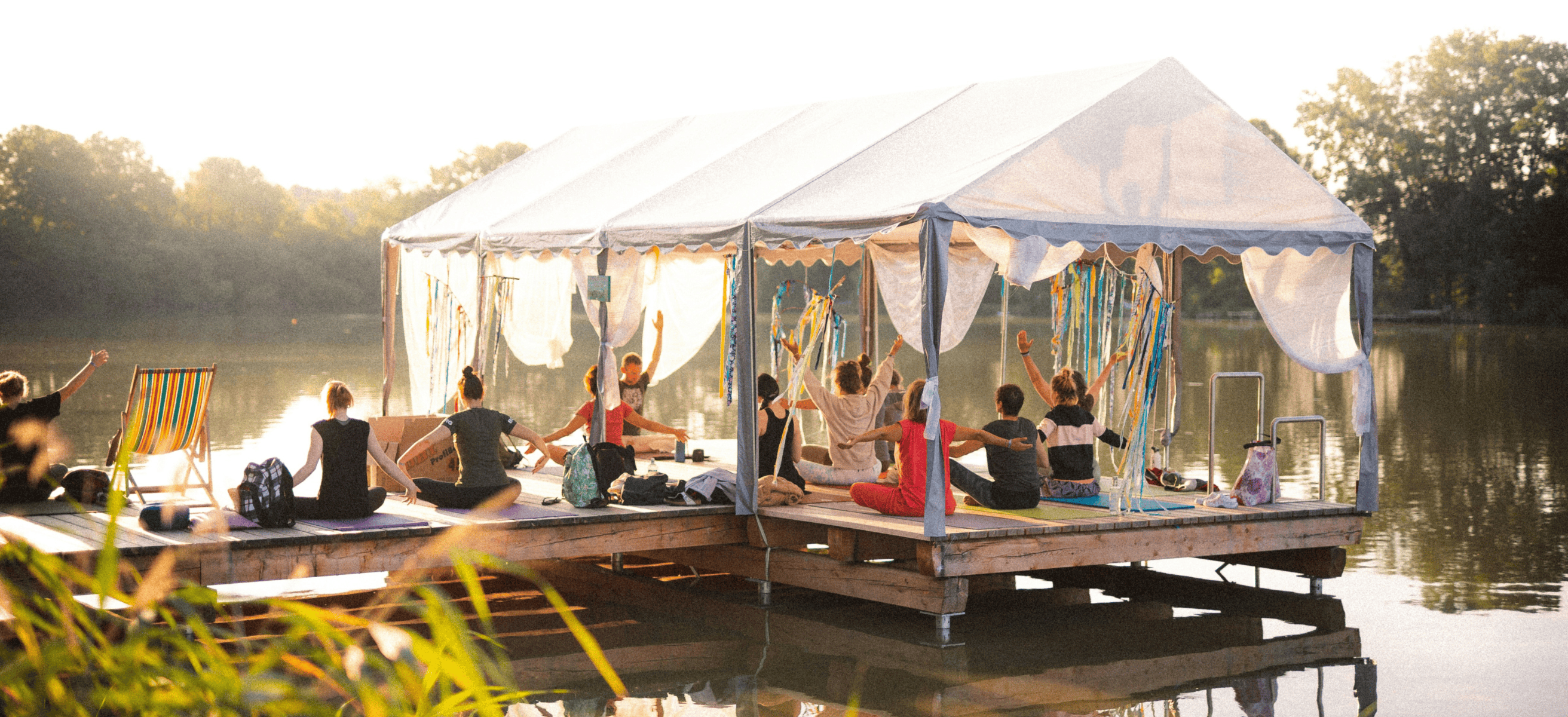
In today's fast-paced business environment, corporate wellness retreats have emerged as powerful tools for organizations investing in their most valuable asset: their people. These immersive experiences go beyond traditional team-building, offering employees opportunities to disconnect from daily stressors, reconnect with colleagues, and return to work refreshed and more engaged.
This guide will walk you through everything you need to know about creating transformative wellness retreats that deliver measurable results for your organization.
Key Takeaways
• Corporate wellness retreats reduce stress, improve team cohesion, increase productivity, and strengthen employee retention
• Effective planning requires clear objectives, appropriate budgeting, thoughtful venue selection, and balanced itinerary design
• Successful retreats balance structured activities with free time for rest and personal reflection
• Activities should address physical, mental, emotional, and social wellbeing while remaining inclusive
What is a Corporate Wellness Retreat?
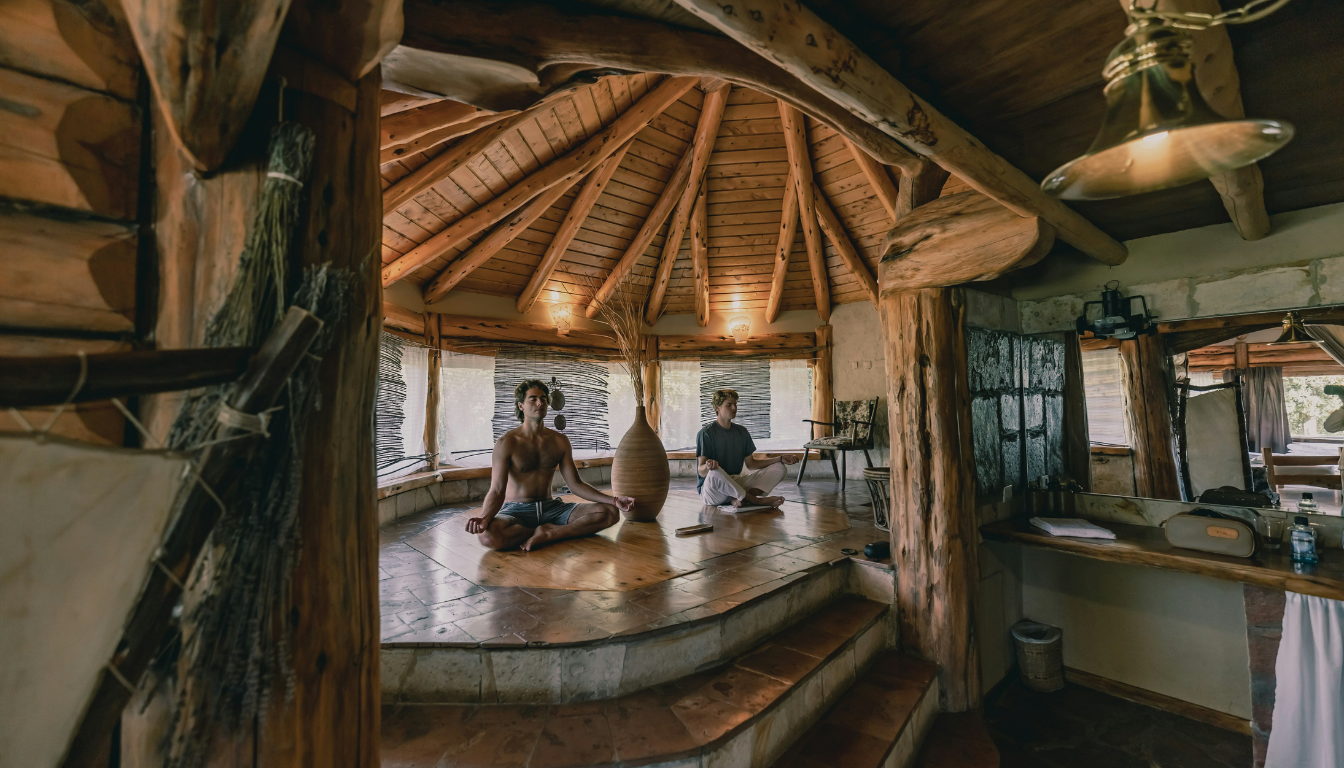
A corporate wellness retreat is a structured, multi-day experience designed to promote physical, mental, and emotional wellbeing among employees. Unlike standard corporate events, these retreats prioritize holistic health and work-life balance alongside professional development. They typically combine yoga, meditation, fitness classes, nutritional workshops, stress management sessions, and outdoor adventures to help employees recharge and develop sustainable healthy habits.
The Transformative Benefits
Organizations investing in corporate wellness retreats often see remarkable returns. Workplace stress costs U.S. businesses an estimated $300 billion annually in healthcare costs and lost productivity. Wellness retreats provide employees with stress management tools including mindfulness practices, breathing exercises, and relaxation techniques they can continue using long after the retreat ends.
When employees engage in wellness activities together outside the office, they build deeper, more authentic connections. Shared experiences break down hierarchical barriers and foster genuine camaraderie that translates into better workplace collaboration. Well-rested, healthy employees are significantly more productive, with improved focus and efficiency. Additionally, demonstrating genuine investment in employee wellbeing strengthens company culture and improves retention rates.
Essential Planning Steps
Successful wellness retreat planning begins with defining clear objectives. Identify whether you're focusing on stress reduction, team building, physical fitness, or leadership development, as these goals will guide every subsequent decision from venue selection to activity programming.
Budget appropriately, as corporate wellnessretreats typically range from $2,000 to $4,000+ per person including travel,depending on location, duration, and amenities. Consider costs for venue rental, accommodations, meals, facilitators, activities, transportation, and employee time away from work.
Choose locations offering natural beauty, tranquil settings, and accessibility for all participants. Popular options include mountain resorts, beach destinations, countryside estates, and wellness-focused hotels. Ensure venues provide appropriate facilities and can accommodate dietary restrictions and accessibility needs. Most effective retreats last 2-4 days, providing meaningful experiences without excessive business disruption. Weekend retreats from Thursday evening through Sunday are popular as they minimize weekday interruptions.
Creating Your Wellness Retreat Itinerary
A well-structured wellness retreat itinerary balances structured activities with free time. A typical three-day retreat begins with afternoon arrival, welcome sessions, and gentle yoga, followed by a healthy dinner with nutrition education. Evening meditation and goal-setting help participants transition into retreat mode.
The second day emphasizes mind-body connection through morning meditation, wellness workshops on stress management or mindfulness, outdoor activities like hiking or kayaking, and team-building exercises. Adequate free time for spa treatments or personal reflection ensures participants don't feel overwhelmed.
The final day focuses on integration and sustainable habit formation through morning fitness classes, workshops on maintaining wellness practices, closing ceremonies with action planning, and farewell gatherings before departure.
Popular Wellness Retreat Activities
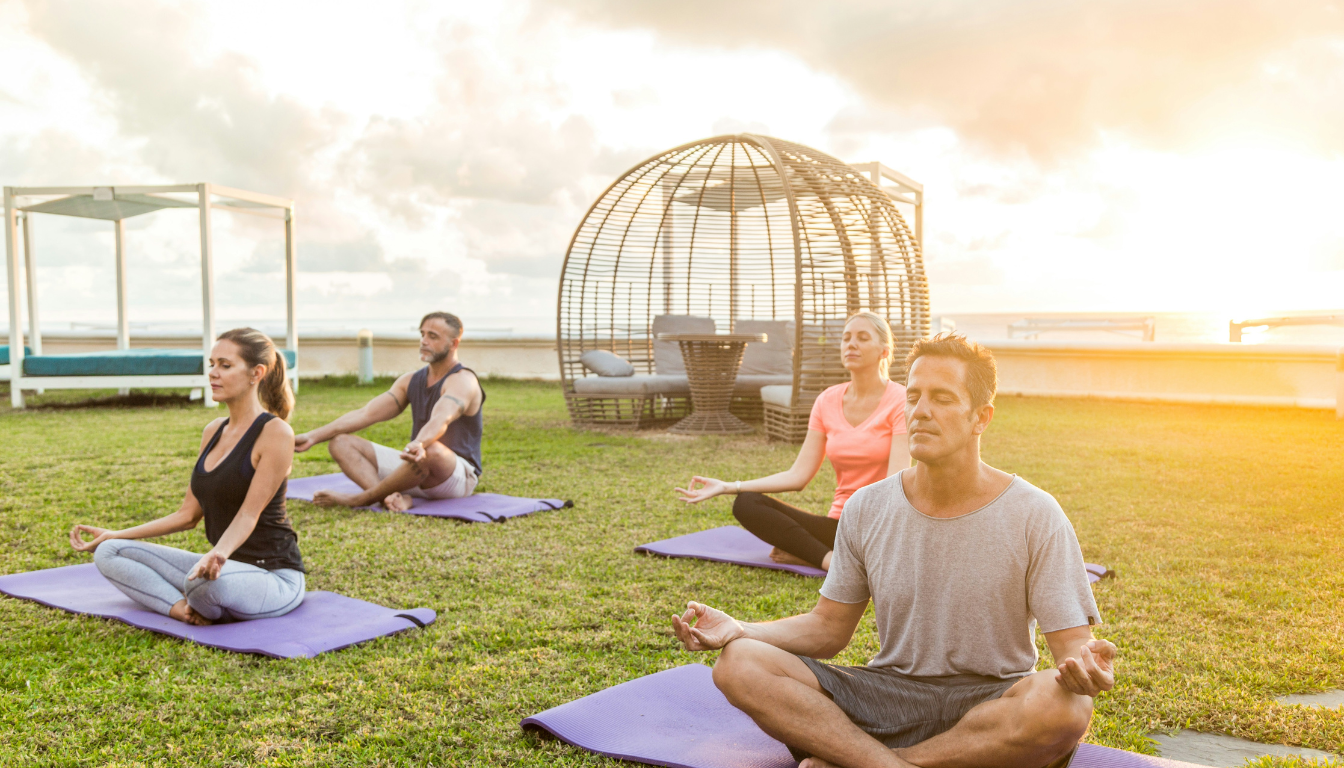
Successful retreats incorporate diverse activities addressing multiple wellness dimensions. Physical wellness activities include yoga, Pilates, guided hiking, swimming, fitness classes, and outdoor adventures like rock climbing or kayaking. Mental and emotional wellness is addressed through guided meditation, mindfulness workshops, breathwork, journaling, art therapy, and stress management seminars.
Nutrition education comes through healthy cooking demonstrations, farm-to-table experiences, and sleep hygiene workshops. Team building and social wellness flourish through group cooking classes, trust-building exercises, communication workshops, and collaborative creative projects. The key is offering variety while ensuring all activities remain inclusive and accessible to different fitness levels and abilities.
Best Practices for Success
Make participation voluntary to ensure attendees arrive engaged and open to the experience. Include all levels of leadership to demonstrate organizational commitment and break down hierarchical barriers. Hire professional facilitators who bring expertise and can create psychologically safe spaces for growth.
Accommodate different fitness levels and abilities by offering modified activities and ensuring full venue accessibility. Build in adequate downtime, as over-scheduling can lead to exhaustion rather than restoration. Create technology boundaries with clear expectations about email checking and device use. Establish tech-free zones or times to help participants be fully present.
Gather feedback through pre and post-retreat surveys assessing stress levels, energy, and satisfaction. Track metrics including employee engagement scores, healthcare utilization, absenteeism rates, turnover, productivity, and team collaboration effectiveness. This data helps demonstrate ROI and continuously improve future retreats.
Sustaining Momentum After Your Retreat
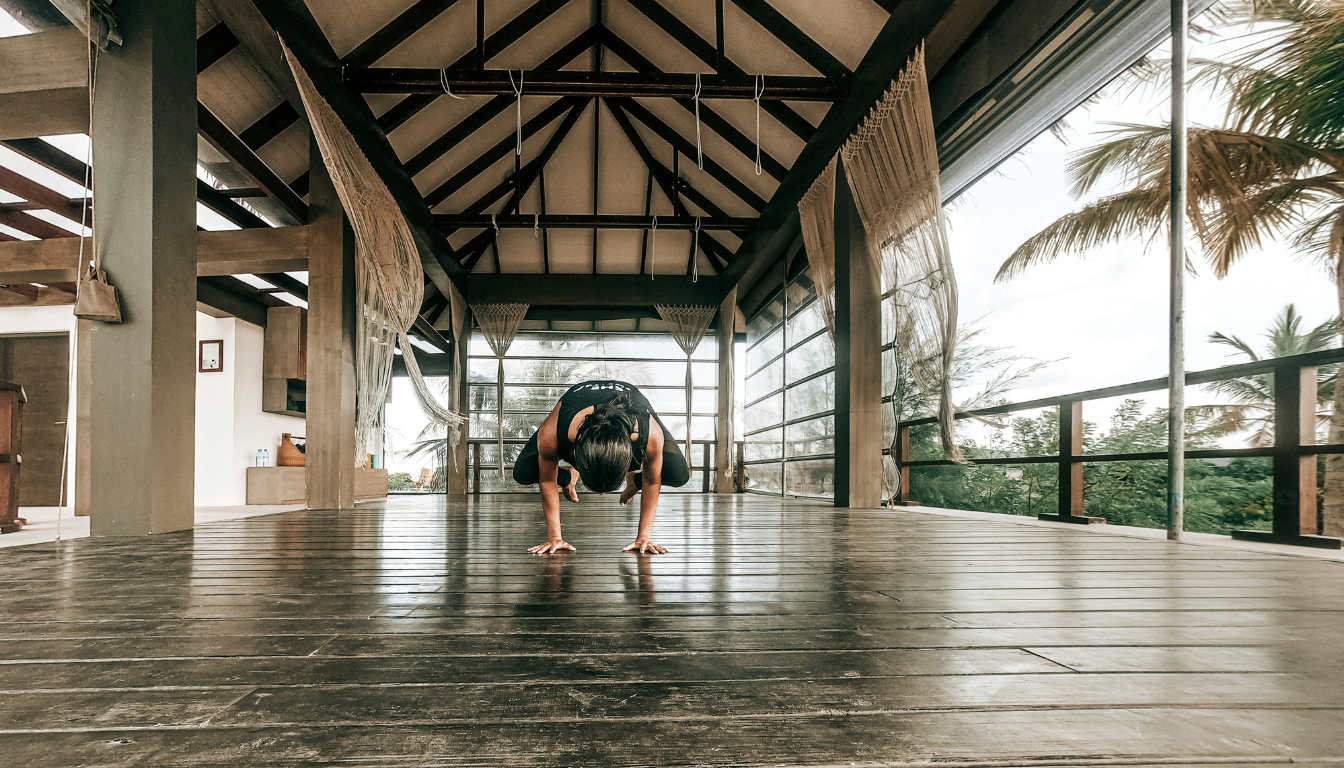
The real work begins when employees return to the office. Send follow-up emails with workshop resources and recordings. Create ongoing wellness initiatives that reinforce retreat lessons, such as weekly meditation sessions or monthly wellness challenges. Establish peer support groups or wellness buddies for accountability. Integrate wellness practices into regular workdays through meditation breaks or walking meetings. Schedule regular check-ins to discuss progress and plan future retreats. Share photos and memories through internal communications, and recognize employees making positive lifestyle changes.
Measuring Return on Investment
Studies show comprehensive wellness programs, including retreats, can generate ROI of $3 to $6 for every dollar invested through reduced healthcare costs and improved productivity. Track employee engagement, healthcare utilization, absenteeism, turnover rates, productivity metrics, and adoption of healthy behaviors promoted during the retreat. Measure at 30, 60, and 90-day intervals to assess sustained impact. While returns may not appear immediately, consistent wellness programming creates compounding benefits over time.
Summary
Corporate wellness retreats represent strategic investments in organizational success through employee wellbeing. These multi-day experiences combine physical activities, mental health practices, nutritional education, and team-building to create transformative outcomes extending beyond the retreat itself.
Effective wellness retreat planning requires clear objectives, appropriate budgeting, thoughtful venue selection, and balanced itineraries. Successful programs make participation voluntary, include leadership at all levels, hire professional facilitators, accommodate diverse abilities, build in adequate downtime, and establish technology boundaries.
The return on investment can be substantial, with returns of $3 to $6 for every dollar invested manifesting through reduced healthcare costs, improved productivity, enhanced engagement, and stronger retention. However, realizing these returns requires sustained effort through ongoing wellness initiatives, regular check-ins, and integration of healthy practices into daily work life. By approaching wellness retreats thoughtfully and authentically, organizations create lasting impacts that transform workplace culture and drive business success.
FAQs
- How much do corporate wellness retreats cost?

Corporate wellness retreats typically cost between $2,000 and $4,000+ per person including travel... Highly luxury destinations with premium facilitators can exceed $5,000. Local, no-travel retreats may run lower, but should still reflect the quality of programming and facilitation your team expects.
- How long should a wellness retreat be?
The ideal duration is 2-4 days, with three-day retreats being most popular. This provides enough time for meaningful transformation without excessive business disruption. Two-day retreats work for tighter budgets, while four to five-day retreats are ideal for leadership teams or annual company-wide events requiring deeper work.
- Should attendance be mandatory or voluntary?
Participation should be voluntary for best results. Mandatory attendance can create resistance and undermine the retreat’s purpose. When employees choose to attend, they arrive with open minds and genuine interest. Encourage participation through leadership modeling, clear communication about benefits, and thoughtful programming that makes the retreat appealing.
- How do we accommodate employees with different fitness levels?
Offer modified versions of all physical activities with beginner, intermediate, and advanced options. Provide alternatives like chair yoga or gentle stretching instead of vigorous activities. Focus on low-impact options most people can enjoy regardless of fitness level, and include non-physical activities like meditation and workshops. Ensure professional instructors can demonstrate modifications and never pressure anyone to participate beyond their comfort level.
You may also like


Stay Updated with Our Insights
Get exclusive content and valuable updates directly to you.