
Engineering Team Offsite: Agenda, Activities and Planning Tips


Engineering teams spend most of the year heads-down: shipping, reviewing, on call. That's exactly why an offsite matters. It's the one time the whole team can step back from the sprint and talk about the work itself: the architecture, the technical debt, and how the team works together.
But unlike a general company offsite, an engineering offsite has its own challenges: on-call rotations, release schedules, distributed teams and a healthy skepticism of anything that looks like "forced fun." This guide covers what to put on the agenda, activities engineers actually enjoy, and how the offsite fits into your company's wider 2027 offsite calendar.
Key Takeaways
- Use the offsite for work that's hard to do remotely: architecture decisions, technical strategy, roadmap trade-offs with product and team trust.
- Sort out on-call cover and a release freeze before you go, so people can actually be present.
- Send pre-reads or RFCs ahead of time so sessions start with discussion, not presentations.
- Choose activities that involve problem-solving or building, and always make them optional.
- Plan for at least 2 days and 3 nights, and time the offsite around company planning cycles.
What an engineering offsite is for
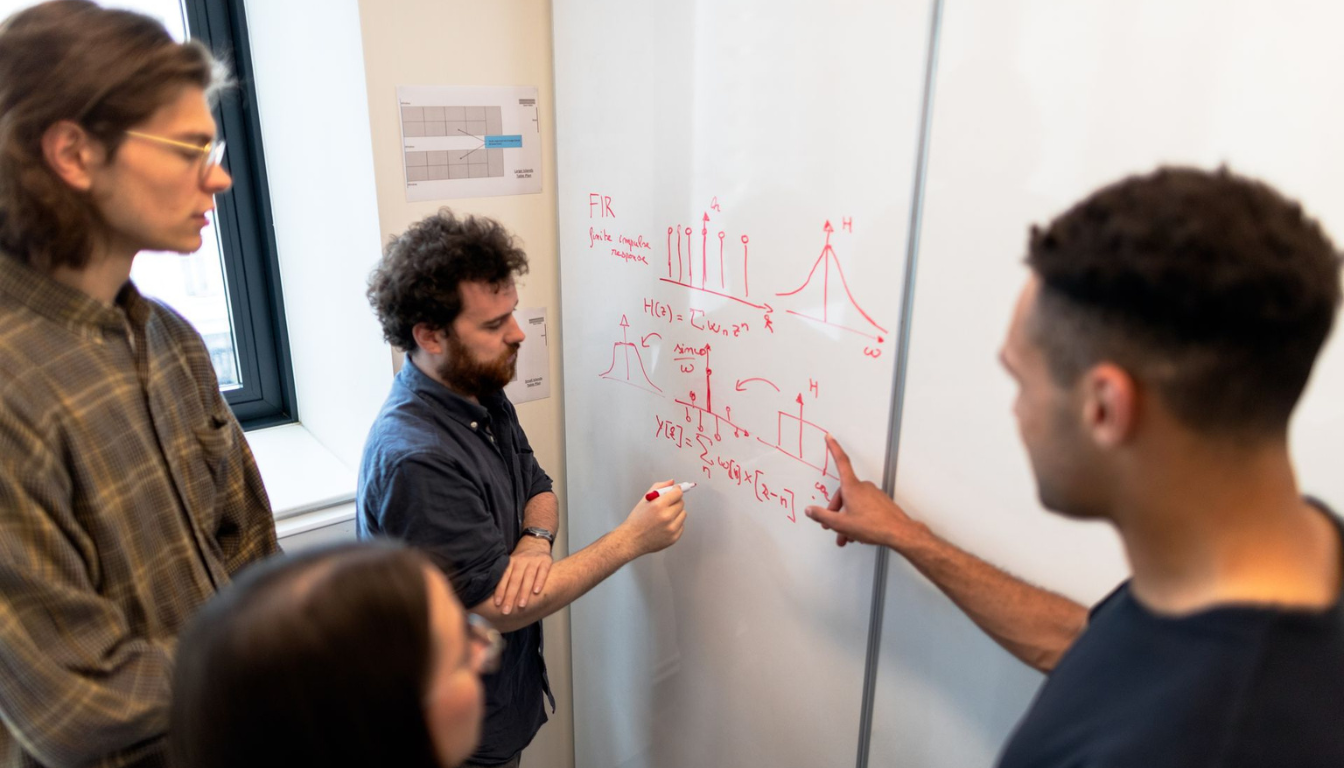
The best engineering offsites focus on a few things that are hard to do over video:
- Architecture and technical strategy. The big decisions that need everyone in the room, such as a platform migration, a new service boundary or a build-vs-buy call.
- Roadmap trade-offs with product. Aligning on what to build next year, and what not to.
- Technical debt. Agreeing on which debt matters most and how much time to give it.
- How the team works. Code review norms, on-call health, incident response and handoffs between teams.
- Trust and relationships. Especially for distributed teams, who may rarely meet in person.
Pick two or three of these as the offsite's goals, and build the agenda around them.
Before you go
Engineering offsites fall apart when people are half-present, checking alerts and Slack. Prepare for that in advance:
- Arrange on-call cover. Have a small rotation from another team, or a few volunteers who stay behind, cover incidents so the rest of the team can disconnect.
- Freeze releases. Avoid shipping major changes the week of the offsite.
- Send pre-reads. Share RFCs, design docs or data for each discussion at least three days ahead.
- Invite the right partners. Product and design leads should join the roadmap sessions, even if they skip the rest.
- Collect topics from the team. Ask what people most want to discuss. Engineers engage more with an agenda they helped shape.
A 2-day, 3-night engineering offsite agenda
Here's a sample schedule, adapting a standard offsite agenda for an engineering team:
Keep the hardest decisions in the mornings, when energy is highest. Limit presentations to short context-setting talks and leave most of the time for discussion.
Engineering team building activities

Engineers tend to enjoy activities that involve solving problems or building something. Ideas that work well:
- Escape rooms. Problem-solving under time pressure, with mixed teams.
- Build challenges. Hardware kits, robotics or a cardboard-and-tape engineering contest.
- Lightning talks. Five-minute "teach me something" talks on anything, technical or not.
- Cooking classes. A recipe is basically a spec, and teams have to coordinate.
- Outdoor challenges. Orienteering, a guided hike or a ropes course.
- Board game or puzzle night. Low-key and easy for introverts to join.
- Hack sessions. Turn one afternoon into a mini hackathon at your offsite to prototype ideas that never make it onto the roadmap.
- Local experiences. A tour, tasting or class that shows off the destination.
Make every activity optional, offer at least one quiet alternative, and leave real free time. For many engineers, an unstructured dinner is where the best conversations happen.
Tips for remote and distributed dev teams
- Choose an easy-to-reach destination with nonstop flights from your biggest hubs.
- Plan around time zones and jet lag. Keep the first afternoon light.
- Make in-person time count. Save status updates for async channels and use the offsite for discussion and relationships.
- Mix teams on purpose. Assign seats or small groups so people meet colleagues they don't usually work with.
- Include anyone who can't travel. Share notes and decisions afterward, and find another way to connect with them.
How the engineering offsite fits your 2027 offsite calendar
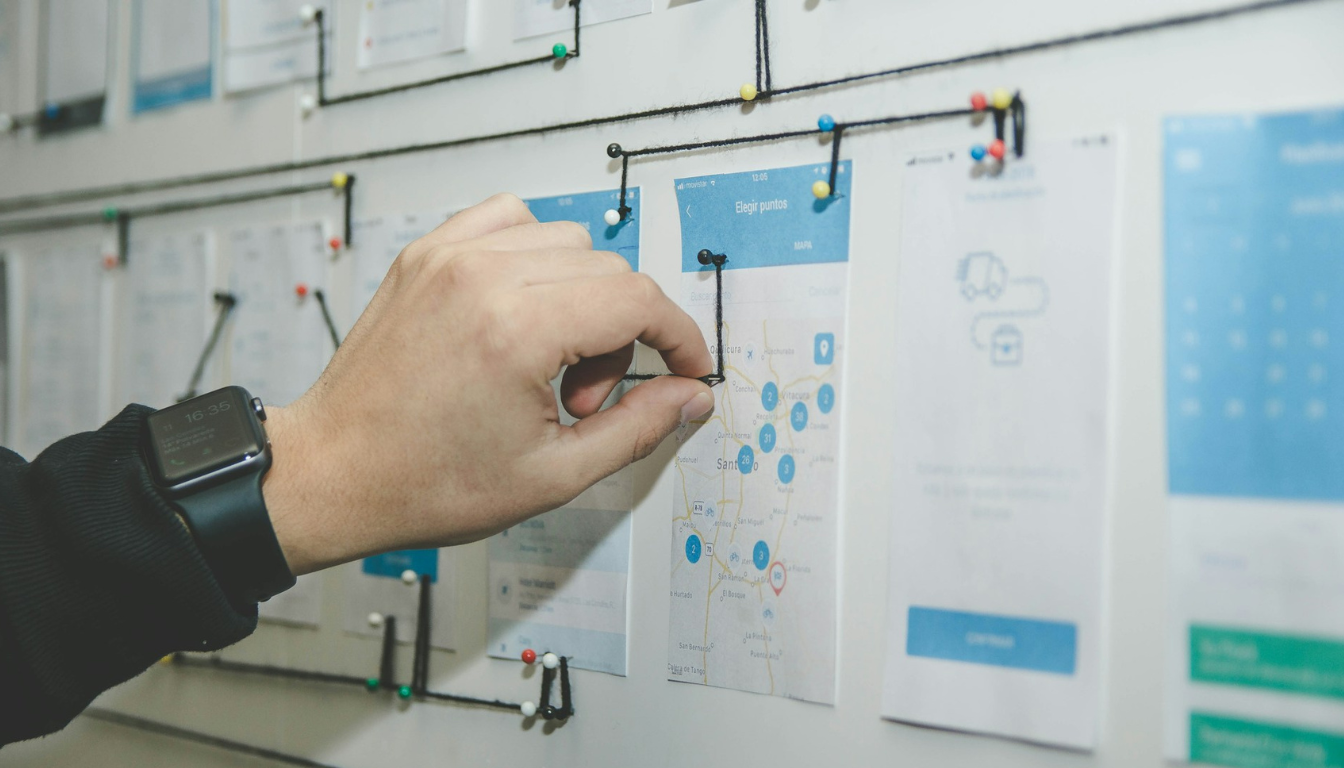
An engineering offsite works best as one part of a planned year, not a one-off. A few things to coordinate:
- Timing with company planning. Hold it after leadership's annual planning so company priorities are set, but early enough to shape the engineering roadmap.
- Timing with other teams. If product, design and engineering all hold offsites, either combine them or space them so key people aren't away twice in a month.
- Avoid crunch periods. Skip quarter-ends, major launch windows and peak holiday weeks.
- Plan the cadence. Many teams hold one engineering offsite a year, plus a company-wide gathering. Distributed teams often benefit from two.
Decide all of this when you plan the company's full 2027 offsite calendar, so engineering's offsite is booked alongside the kickoff, leadership retreat and other team offsites.
How much does an engineering offsite cost?
Based on current team offsite costs, a fly-in engineering offsite of 2 days and 3 nights typically runs about $2,700–$3,000 per person in 2027, including flights, hotel, meals, meeting space and activities. Most offsites fall within $2,000–$4,000+ per person including travel, depending on destination, group size and venue.
Conclusion
A great engineering offsite protects the work that's hardest to do remotely: architecture decisions, technical strategy, roadmap trade-offs and trust. Sort out on-call cover and a release freeze, send pre-reads, build the agenda around two or three goals, and choose optional activities that involve solving or building. Then fit the offsite into your company's 2027 offsite calendar so it lines up with planning and other teams. Offsite can find a venue with the right meeting space and Wi-Fi, and handle the travel and logistics, so your engineers can focus on the work.
FAQs
- What should be on an engineering team offsite agenda?

A state-of-engineering review, architecture and technical strategy sessions, roadmap priorities with product, a technical debt and team norms workshop, team activities and a wrap-up with decisions and owners.
- What are good team building activities for engineers?
Escape rooms, build challenges, lightning talks, cooking classes, outdoor challenges, board game nights and a short hack session all work well. Keep them optional.
- How do you handle on-call during an engineering offsite?
Arrange cover from another team or a few volunteers who stay behind, and avoid major releases the week of the offsite, so the rest of the team can disconnect.
- How long should an engineering offsite be?
At least 2 days and 3 nights. That gives time for travel, real working sessions, activities and the informal conversations that make an offsite worthwhile.
You may also like



Stay Updated with Our Insights
Get exclusive content and valuable updates directly to you.