
Event Itinerary: Strategic Guide and Templates for Success

An event itinerary is a structured schedule that outlines every session, logistical detail, and experience for corporate events—from offsites and conferences to leadership summits and training workshops. Think of it as the shared source of truth that keeps attendees, speakers, vendors, and your internal planning team aligned from the first welcome coffee to the final departure.
Without a clear schedule, corporate gatherings quickly spiral into confusion. Late starts become the norm. Last-minute decisions derail carefully planned sessions. Attendees wander between rooms wondering where they should be. A well-designed event itinerary eliminates this chaos by providing everyone with the necessary information they need to navigate the event confidently.
Consider a 3-day sales kickoff in Austin this April or a leadership summit in London scheduled for September 2026. Both require different approaches, but they share a common need: a detailed itinerary that translates business objectives into an on-the-ground experience. This guide is built for modern, hybrid-friendly corporate events where every hour of in-person time must deliver measurable value.
Here’s what you’ll walk away with: strategic framing to sell your schedule internally, practical steps to build it from scratch, customizable itinerary templates, and metrics to measure whether your planning actually worked.
Key Takeaways
- An event itinerary serves as the strategic backbone of corporate offsites, conferences, and leadership summits—it’s far more than a simple time grid
- Modern schedules prioritize “purposeful flow” over packed agendas, balancing deep work sessions with networking, social time, and intentional white space
- Essential elements include clear objectives, smart time allocation (60-70% structured content, 30-40% breaks), and realistic buffer times for transitions
- This guide provides a step-by-step planning process plus a ready-to-use 3-day corporate retreat sample table you can adapt immediately
- Offsite helps match your itinerary requirements with venues that support multi-room agendas, flexible breakout spaces, and seamless event experiences
Why a Strategic Event Itinerary Matters in 2026

Remember the corporate events of the past? Wall-to-wall sessions, 12-hour days crammed with presentations, and exhausted attendees counting the minutes until happy hour. That approach doesn’t work anymore—and it probably never did.
The shift from “packed schedules” to “purposeful flow” has become essential for any event planner designing gatherings in 2026. Teams with regular, intentional event structures experience up to 14% higher productivity and 36% better retention compared to those running chaotic, over-scheduled programs. Your event schedule now needs to respect cognitive load, energy management, and the reality that attendees have limited bandwidth.
Here’s what purposeful flow looks like in practice:
- Fewer parallel sessions with more curated tracks that actually match attendee interests
- Intentional breaks positioned after high-cognitive-load content
- Shorter keynotes (45-60 minutes) followed by interactive discussion rather than another lecture
- Evening programming that’s optional, not mandatory
A well-structured agenda also reduces Zoom fatigue for hybrid attendees joining remotely and physical fatigue for in-person teams. When you build in recovery time, participants show up more engaged for workshops, Q&A sessions, and networking opportunities.
The current business environment makes strategic scheduling even more critical. Globally distributed teams mean some attendees are traveling across time zones. Async work norms mean people aren’t used to 8-hour stretches of structured programming. Tighter travel budgets mean leadership expects higher ROI from every hour on the event schedule.
The tangible business outcomes of smarter scheduling include:
- Better alignment on OKRs when strategy sessions aren’t competing with fatigue
- Faster decision-making when leaders have mental space to process information
- Higher employee engagement scores when people feel respected rather than overwhelmed
- Improved networking quality when event attendees have energy for genuine conversation
Essential Elements of a Professional Event Itinerary
Every strong corporate event schedule shares a few core building blocks. Whether you’re creating a PDF for email distribution, loading content into an event app, or printing a booklet for registration tables, these elements must be present.
The same principles apply whether you’re designing a one-day workshop in New York or a 4-day offsite in Lisbon. Let’s break down the three essential components that make the difference between a forgettable agenda and a detailed event itinerary that drives results.
Clear Objectives and Themes: Setting the “North Star”
Every itinerary should start from 2-4 specific business objectives. Vague goals like “improve team culture” won’t guide your session design. Instead, define concrete outcomes:
- Finalize the 2027 product roadmap with sign-off from all department heads
- Onboard 40 new hires and integrate them with existing team members
- Align regional GTM plans across EMEA, APAC, and Americas teams
- Generate 50 qualified leads from customer conference attendees
Once objectives are clear, define a simple event theme that guides session titles and evening activities. Themes like “Focus & Momentum” or “Customer-First 2026” create coherence across what might otherwise feel like a random assortment of sessions.
Your objectives should map directly to sessions. A strategy keynote supports alignment goals. A cross-functional breakout drives decision-making. A customer panel builds external relationships. If a session doesn’t connect to your stated objectives, question whether it deserves valuable schedule time.
Include a short “Objectives & Theme” box near the top of your actual event document. This helps participants see the purpose behind the programming and gives you a filter when time or speakers change late in the planning process.
Time Allocation: Balancing Deep Work Sessions with Networking Breaks
Smart time allocation separates successful events from exhausting ones. Here are the ideal time blocks for corporate audiences:
For a 2-day offsite, aim for 60-70% structured content and 30-40% breaks, social time, and unstructured collaboration. This ratio keeps attendees engaged without burning them out.
Build morning focus blocks for strategic work when energy is highest. Save afternoon slots for interactive sessions, site visits, or team activities. After a 2-hour roadmap deep-dive, schedule a coffee break or wellness activity—not another dense presentation.
Different formats require different approaches. Internal training days can handle more structured time. External client conferences need generous networking blocks. Leadership retreats benefit from longer discussion sessions with fewer participants.
Logistics and Buffer Time: Accounting for Transitions and Tech Setups
Here’s where many event organizers stumble: underestimating how long things actually take. Buffer times between sessions aren’t wasted time—they’re what keeps your event running smoothly.
Build 10-20 minute buffers between sessions for:
- Room turnover and setup changes
- AV checks and microphone testing
- Attendees moving between floors or buildings
- Bio breaks and quick email checks
Specific examples: 15 minutes between a morning breakout and main-stage keynote. 30 minutes before any live-streamed panel to test connections. Always include arrival and check in times, badge pickup windows, coat check logistics, and security or NDA signing when needed.
Your internal version of the itinerary should include explicit notes about tech rehearsals, mic checks, and live-stream handoffs. The attendee-facing version can be cleaner, but your production team needs every key detail documented.
Use color-coding or icons to differentiate session types at a glance: travel time in blue, meals in green, plenary sessions in orange, optional social activities in purple. This helps event staff and participants scan the schedule quickly.
Different Formats for Different Corporate Events
One-size-fits-all schedules don’t work across workshops, conferences, and leadership summits. Each format serves different objectives, audiences, and privacy needs.
Planners often reuse structural elements but adjust pacing, confidentiality levels, and session types depending on who’s in the room and what outcomes matter most. A product launch roadshow in Chicago requires different energy than a leadership retreat in Napa Valley.
The Single-Day Workshop Itinerary: Maximizing Short-Term Impact
A typical 9:00 AM–5:00 PM workshop—say, training a sales or customer success team in Boston or Berlin—needs to pack meaningful learning into limited time without overwhelming participants.
Sample Single-Day Workshop Flow:
Dedicate at least 40-50% of the day to interactive components rather than lectures. Role-plays, small-group exercises, and peer feedback sessions create muscle memory that PowerPoint slides never will.
Send clear pre-reads and pre-work so limited in-person time focuses on practice and decision-making instead of information transfer. End with an action-planning block where each attendee writes 3-5 concrete next steps to implement after the workshop.
Multi-Day Conference Schedule: Managing Complex Tracks and Speakers
Conferences—like a 2.5-day annual customer conference in San Francisco in October 2026—require a layered approach to itinerary creation. You’re managing hundreds of attendees, multiple tracks, and external speakers with their own requirements.
Separate the master event schedule from personalized attendee agendas. Event apps let participants build personalized schedules based on their interests and roles, while your team maintains the complete operational view.
High-Level Conference Structure:
- Day 1: Arrivals, registration, welcome reception, optional pre-conference workshops
- Day 2: Opening keynote, breakout tracks by theme, networking lunch, afternoon sessions, evening gala
- Day 3: Morning deep-dives, closing plenary, departures
Track management requires careful attention. Avoid scheduling too many “must-see” sessions in parallel—attendees get frustrated when they must choose between equally important content. Schedule repeat sessions for popular topics when possible.
Speaker coordination deserves its own run-of-show document. Provide speakers with simplified schedules including their session times, tech checks, green-room availability, and contact details for the production team member assigned to support them.
High-Stakes Leadership Summit: Focusing on Strategic Alignment and Privacy
Executive offsites—imagine 12-20 leaders gathering in January 2026 at a resort near Scottsdale, Arizona—operate under completely different rules than company-wide events.
Longer blocks dominate the schedule. Two-hour strategy discussions, board update sessions, and scenario planning exercises need uninterrupted time. Minimal parallel tracks mean everyone participates in the same conversations, building alignment that’s impossible when people are scattered across breakout rooms.
Sample Leadership Summit Elements:
- Extended morning strategy sessions (2-3 hours with breaks)
- Private 1:1 meeting slots between specific executives
- Small-group dinners organized by theme, region, or relationship-building goals
- Confidential sessions in secured rooms with limited staff access
- Optional wellness activities (guided hikes, yoga, mindfulness sessions) on the official schedule
Privacy and security logistics matter enormously. Closed rooms, NDA-signed vendors, limited Wi-Fi access for sensitive sessions, and discrete check-in procedures protect confidential discussions. Venue staff should understand the importance of discretion for important sessions.
Step-by-Step: How to Build Your Event Itinerary Template
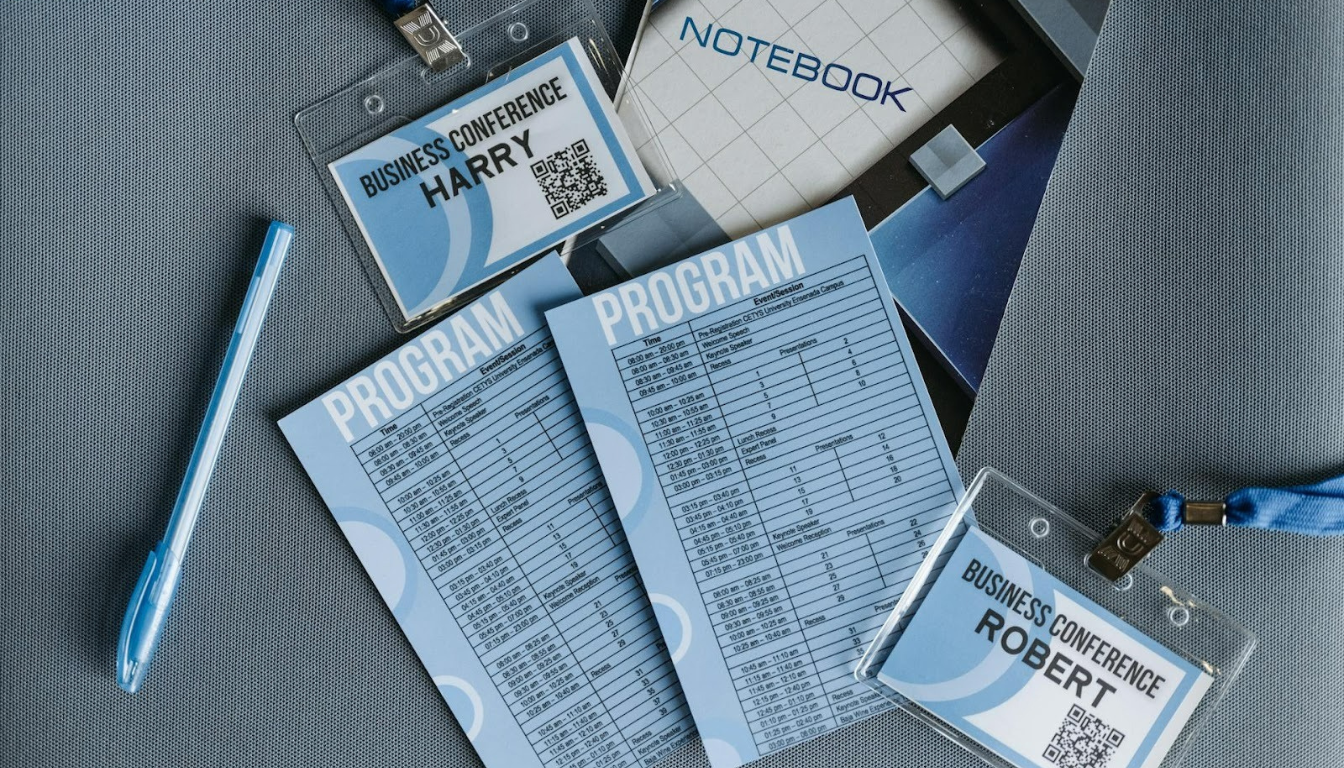
This section provides a practical, repeatable process for designing any corporate agenda—from rough goals to a polished template ready for distribution as PDF, spreadsheet, or event app content.
These four steps work for both one-time gatherings and recurring annual meetings. Follow them in sequence, and you’ll avoid the scramble that happens when planners jump straight to scheduling without proper groundwork.
Step 1: Gather Stakeholder Requirements via Pre-Event Surveys
Send short surveys 8-12 weeks in advance to attendees, sponsors, and internal leaders. The planning process goes smoother when you understand what people actually need before locking the schedule.
Survey questions to include:
- What topics would be most valuable for your role?
- Do you prefer panels, workshops, or keynote formats?
- Any dietary restrictions or accessibility needs?
- What are your arrival and departure times and travel details?
- Which sessions are “must-attend” for your objectives?
Segment responses by role—executives, individual contributors, customers, partners—to design content that serves each group appropriately. An agenda that works for sales leaders might frustrate engineering managers.
Use tools like Google Forms, Typeform, or your event platform to consolidate and analyze results. Always include one open-ended question: “What would make this event a great use of your time?” The answers often reveal priorities your team hadn’t considered.
Step 2: Map Out the “Anchor” Sessions (Keynotes, Dinners, Offsites)
Anchor elements are the fixed points on your schedule: opening keynote, CEO address, flagship workshop, gala dinner, offsite activity. Place these first on a blank daily grid, then build smaller sessions around them like puzzle pieces.
Concrete examples:
- 9:30 AM CEO keynote on Day 1 (non-negotiable)
- 7:00 PM rooftop reception on Day 2 (venue booked months ago)
- Closing town hall on the final morning (leadership availability confirmed)
Confirm speaker availability and room holds before announcing anchor times publicly. Nothing derails credibility faster than publishing a schedule with your keynote speaker’s session and then moving it because of a conflict.
Anchors should align clearly with the event’s stated objectives and theme. If “Customer-First 2026” is your theme, your anchor sessions should prominently feature customer voices, success stories, or customer-facing team recognition.
Step 3: Plug In Transition Times and Leisure Blocks
Many corporate events fail because planners underestimate time for moving, mingling, and mental breaks. Be realistic about how long things actually take.
Add time for:
- Walking between rooms (5-10 minutes on the same floor)
- Elevator waits and hallway congestion (add 5-10 minutes)
- Shuttle services between hotel and offsite dinner venue (20-30 minutes including loading)
- Unexpected delays in AV setup or speaker arrivals
Design explicit “white space” blocks for informal collaboration, email catch-up, or optional office hours with leaders. These blocks aren’t wasted time—they’re often where the most valuable conversations happen.
Leisure block examples for future events:
- City walking tour in Lisbon (2 hours, optional)
- Group bike ride in Amsterdam (90 minutes, requires RSVP)
- Cooking class in Mexico City (2.5 hours, limited to 20 participants)
Mark which leisure activities are optional versus mandatory. Capture RSVP counts in advance to manage logistics and set expectations.
Step 4: Finalize the Digital and Physical Formats for Attendees
The same underlying schedule often needs two versions: an internal run-of-show with every technical detail and a simplified attendee agenda focused on what participants need to know.
For attendees, provide:
- Mobile-friendly event app or microsite with real time updates
- Printable one-page overview for easy access during sessions
- QR codes on name badges linking to the latest schedule version
- Session descriptions that help attendees navigate options
Lock a “version date” (e.g., v3.2 updated on March 10, 2026) so event staff know they’re working from the newest iteration. Nothing creates confusion faster than team members referencing different schedule versions.
Accessibility matters: large fonts, high-contrast colors, and alt text on digital documents for visually impaired participants. User friendly design ensures everyone can participate fully.
Sample Event Itinerary Templates
Here’s a detailed 3-day corporate retreat sample you can adapt for your next offsite. This scenario features a June 2026 company gathering in Denver, Colorado for 120 employees across product, sales, and operations teams.
Day 1: Arrival & Connection
Customization notes: For leadership-only summits, extend strategy sessions to 2-3 hours and reduce parallel tracks. For client-facing conferences, add sponsor recognition, demo stations, and longer networking blocks. Adjust venue information based on your specific location.
Best Practices for Engagement and Experience
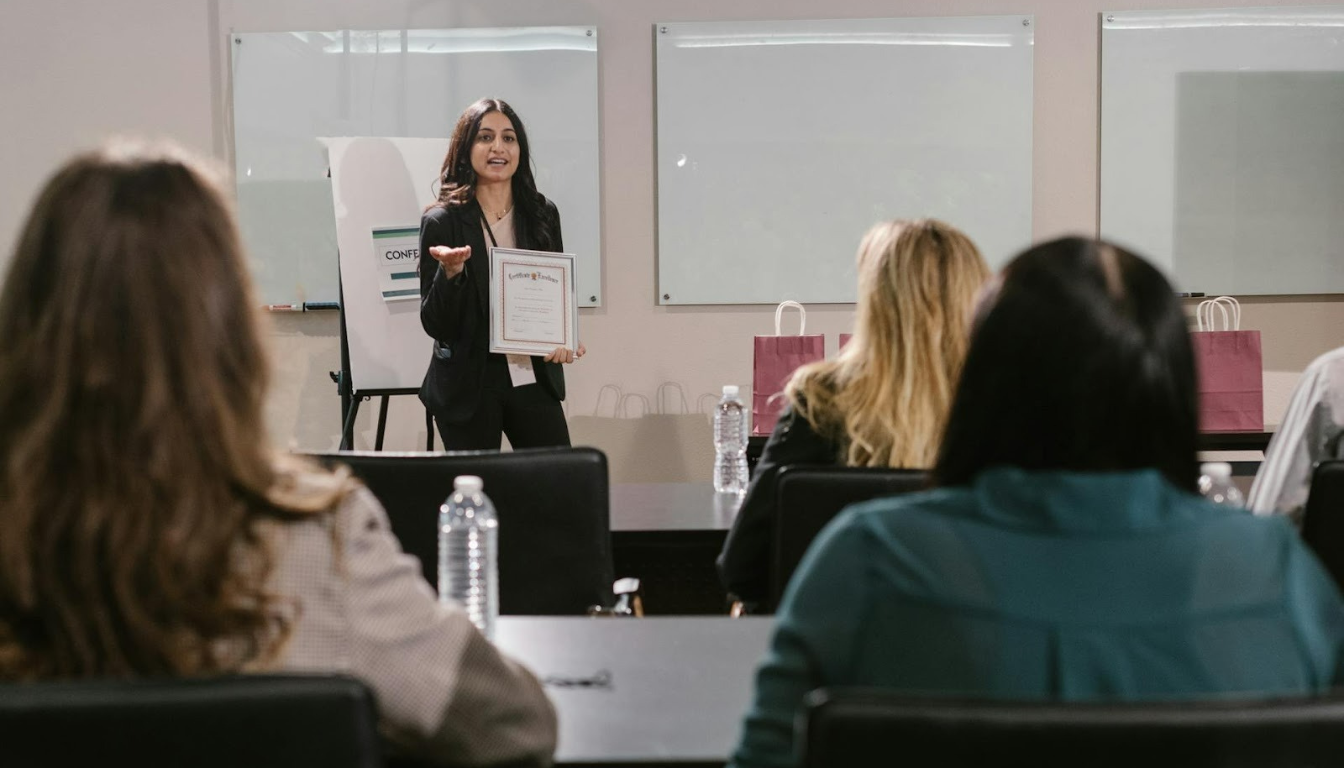
Structure alone doesn’t create memorable events. The design of moments inside your schedule—how sessions begin, how people interact, how breaks feel—drives actual engagement.
These tactics layer onto any agenda and respect different personality types, time zones, and cultural backgrounds in global companies:
- Rotate facilitators across sessions to vary energy and perspectives
- Use live polls during keynotes to keep attendees engaged
- Include peer-led sessions where team members share expertise
- Provide reflection worksheets for processing important sessions
- Build recognition moments into the schedule (awards, shout-outs, celebrations)
- Start each day with a brief “what to expect” overview
The first 60 minutes of Day 1 set the tone for everything that follows. Invest heavily in making arrival, check-in, and opening activities feel welcoming and energizing.
Using Icebreakers to Set the Tone Early
The first group interaction—ideally within 30-45 minutes of arrival—shapes psychological safety for the rest of the event. When people feel comfortable early, they participate more fully in workshops and networking.
Effective icebreakers for professional audiences:
- “Two truths and a future goal” (personal + aspirational)
- Structured networking bingo with work-related prompts
- Small-group introductions with specific talking points
- Quick team challenges that require collaboration
For hybrid events with remote attendees, adapt icebreakers using breakout rooms, chat participation, and on-screen prompts that include virtual participants.
Keep opening activities tightly timed (15-25 minutes) and clearly facilitated. Awkward silence during icebreakers damages trust more than skipping them entirely. Connect prompts to your event theme or strategic priorities—“Share one customer insight that changed your thinking this year”—to make activities feel purposeful.
Incorporating “White Space” for Spontaneous Collaboration
White space means unscheduled or lightly structured time intentionally built into your event itinerary. It’s not poor planning—it’s sophisticated experience design.
How teams use white space:
- Ad-hoc working sessions on problems surfaced during formal sessions
- Deeper customer conversations that couldn’t happen in 5-minute breaks
- Peer coaching and mentoring between leaders and rising talent
- Simply processing dense content before the next session
For a 3-day retreat, build 45-60 minutes of white space per afternoon. Position it after intensive content blocks when people need recovery time.
Provide optional prompts or suggestion boards so participants know how they might use the time productively. “Coffee available in the terrace lounge. Leadership team available for informal conversations. Quiet work space in Room C.”
White space often produces breakthrough decisions and cross-team relationships that formal sessions can’t create. Protect it from colleagues who want to “add just one more session.”
Choosing a Venue That Supports Your Itinerary
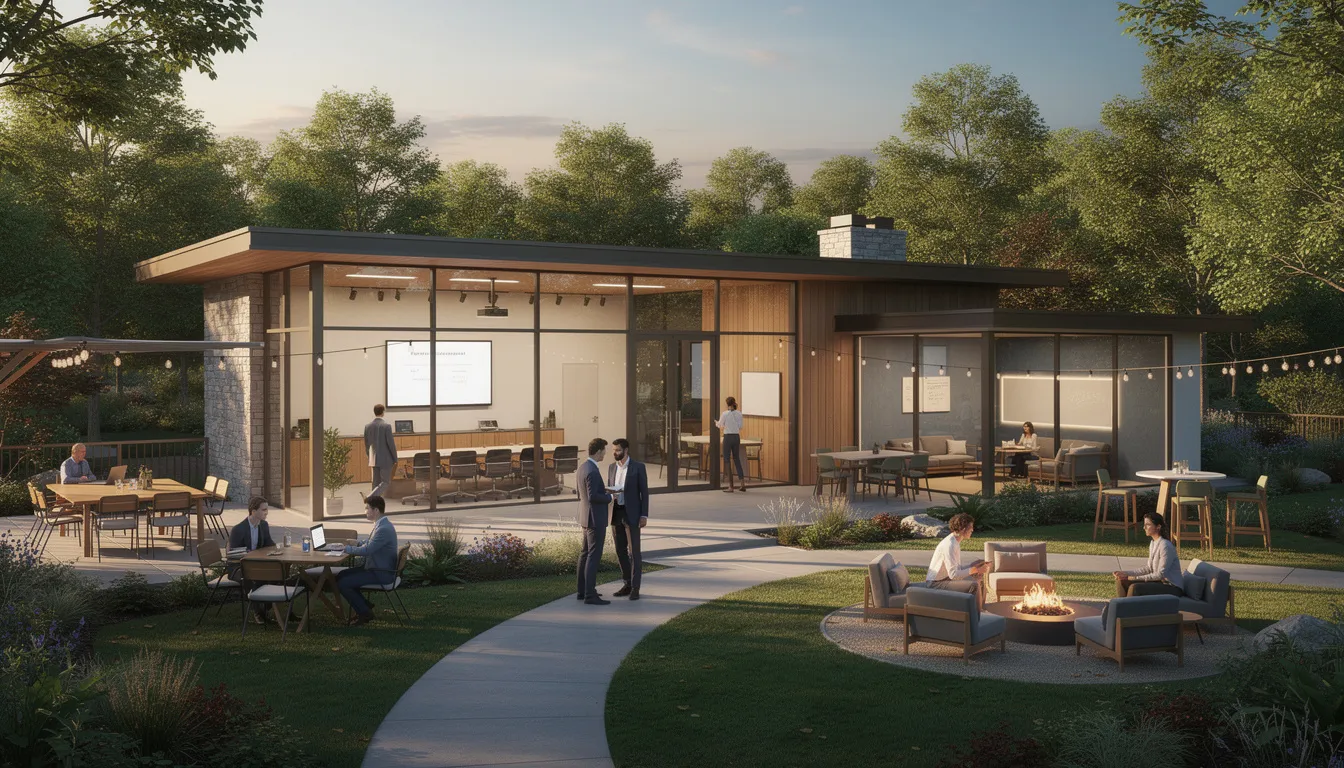
The physical environment can make or break even the best-designed schedule. A venue that requires 15-minute walks between session rooms destroys your carefully planned smooth transitions. A space with poor Wi-Fi derails hybrid participation.
Key venue considerations for itinerary alignment:
- Room capacities that match your session sizes (not too cramped, not cavernously empty)
- Soundproofing between adjacent breakout rooms
- Natural light in primary session rooms (reduces fatigue)
- Reliable Wi-Fi robust enough for concurrent sessions and streaming
- On-site F&B locations that don’t require transport time for meals
- Outdoor areas for breaks and informal conversations
- Backup indoor options for weather-sensitive activities
- Parking facilities and parking information for attendees driving
Offsite helps planners source venues globally that match specific schedule needs—multiple breakout rooms, plenary hall capacity, outdoor space, accommodation information, and integrated catering. Rather than forcing your ideal itinerary to fit venue limitations, find spaces that support the flow you’ve designed.
Ask potential venues for sample floorplans and past event agendas to assess how other companies used the space. Request venue maps and venue rules in advance so your team can add accurate logistics to the itinerary. Confirm load in and setup times with venue staff to ensure smooth operations on event day.
Measuring Success: Post-Event Feedback
Every event itinerary should be treated as a prototype. With each gathering, you gather feedback, identify what worked, and improve future events accordingly.
Distribute post-event surveys within 24-72 hours of the closing session while memories are fresh. Use the right tools—email surveys, in-app feedback forms, or quick mobile polls—to maximize response rates.
Schedule-focused questions to include:
- How would you rate the overall pacing of the event? (Too rushed / Just right / Too slow)
- Which sessions were most valuable for your role?
- Was there enough break time between sessions?
- How useful was the white space / unstructured time?
- What would you change about the schedule for next year?
Segment feedback by role—executives, managers, individual contributors, customers—to see where the schedule worked or didn’t for each group. A schedule that energized sales might have exhausted engineers.
Use simple metrics to inform the next year’s planning:
- Net Promoter Score for overall event satisfaction
- Individual session ratings
- Open-text theme analysis for common suggestions
- Attendance tracking for optional sessions
Close the loop by sharing a short “what we learned” summary with participants ahead of the next event. This demonstrates that their feedback matters and builds anticipation for an even better successful event next time.
Summary
A well-designed event itinerary is far more than a spreadsheet of times and room names. It’s the strategic document that translates your business objectives into an on-the-ground experience—one that respects attendee energy, creates space for genuine connection, and drives the outcomes that justify bringing people together.
We’ve covered significant ground: why purposeful flow matters more than packed schedules in 2026, the core elements every professional itinerary needs, format variations for workshops, conferences, and leadership summits, a step-by-step process for building your template, and a ready-to-use 3-day sample you can adapt immediately.
The shift from “more content is better” to “thoughtful pacing drives results” represents a fundamental evolution in corporate event planning. Your itinerary should reflect careful planning—realistic buffer times, intentional white space, session descriptions that help attendees make smart choices, and logistics that keep everything running smoothly.
Treat your next agenda as a living product, refined using feedback and data over iteration. Track what works, cut what doesn’t, and continuously improve based on what your specific audience tells you.
Ready to find venues that support your ideal schedule? Explore Offsite for venue sourcing and support with multi-day retreat planning. The right space makes implementing your perfect event itinerary dramatically easier.
Looking for a simpler, ready-to-use startingpoint? See our offsite agenda samples and templates for quick-reference formatsyou can adapt directly.
FAQs
- How far in advance should I finalize my event itinerary for a 3-day offsite?

Plan to lock major structural elements—event date, venue, anchor sessions, and speaker commitments—10-12 weeks before the event. Share a complete draft itinerary with stakeholders 6-8 weeks out for feedback, then distribute the final version to all event attendees 2-3 weeks before arrival. Build in flexibility for last-minute speaker changes or session adjustments up until 1 week prior.
- How should I handle last-minute changes to the published schedule?
Use multiple communication channels for urgent updates. Push notifications through your event app reach attendees instantly. Print daily addendums on colored paper for high visibility at registration. Update digital signage throughout the venue. For significant changes, have a team member make brief announcements at meal times. Always update your master document with a new version timestamp so staff know they’re referencing current information.
- How detailed should the internal run-of-show be compared to the attendee-facing version?
The internal run-of-show needs significantly more detail: AV requirements for each session, staff assignments, load in and teardown times, vendor contact details, setup times, supplies needed for each room, and contingency plans. The attendee version should be clean and scannable—session names, times, locations, and brief session descriptions. Think of internal documents as production blueprints and attendee documents as experience guides.
- What special considerations apply for events with VIP security needs or government participants?
Executive summits and events with government attendees require additional itinerary elements: secure room assignments with limited access, background-checked vendor and venue staff, separate arrival and departure windows for VIPs, confidential session blocks with restricted attendance lists, and communication protocols that avoid sharing sensitive timing publicly. Work with your venue’s security team and consider adding buffer times between VIP movements and general attendee activities.
You may also like


Stay Updated with Our Insights
Get exclusive content and valuable updates directly to you.