
Business Travel Trends 2026: What Corporate Planners Need to Know Right Now

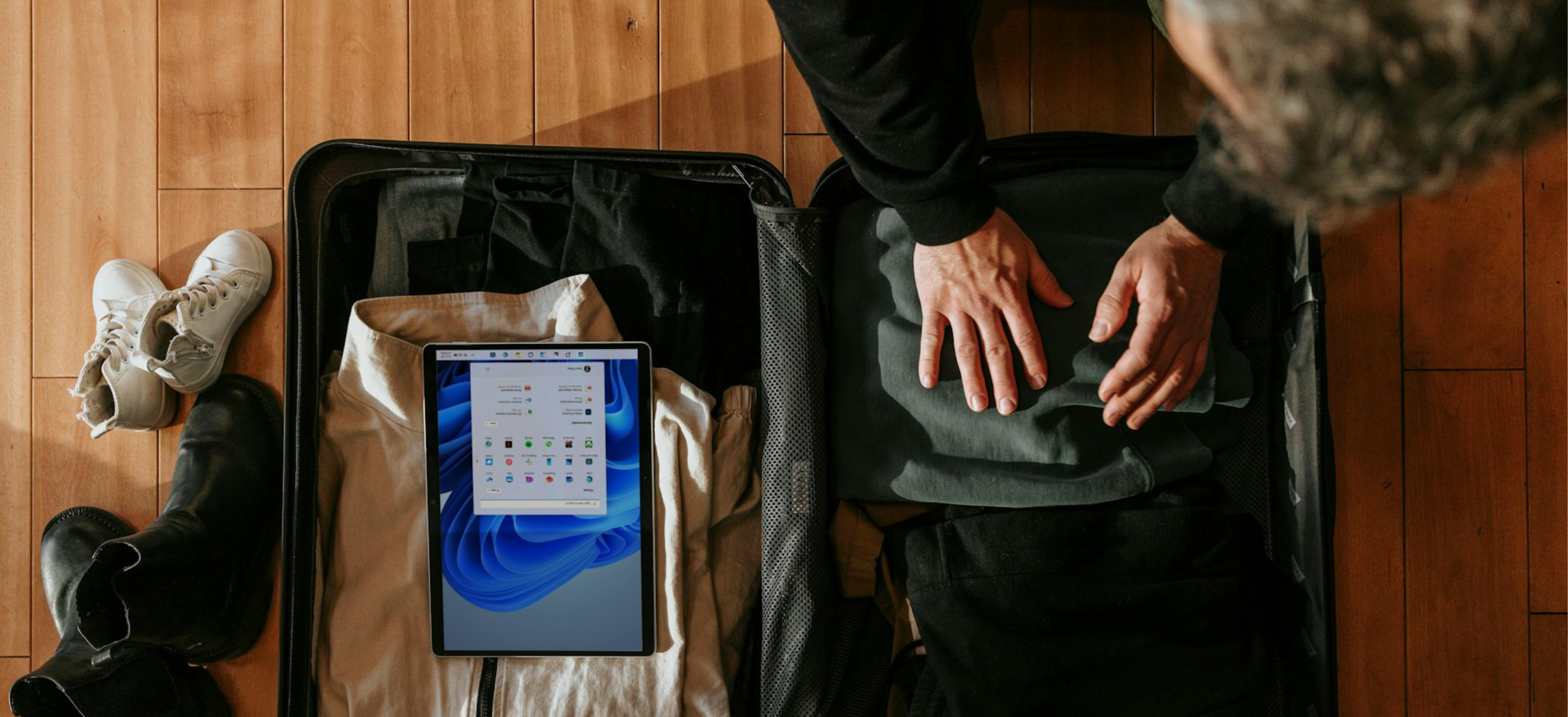
Business travel trends in 2026 look nothing like they did just a few years ago. Between shifting employee expectations, tighter travel budgets, and a growing emphasis on meaningful in-person connection, corporate planners are navigating a fundamentally different landscape. Whether you're an HR executive, executive assistant, or the go-to person for planning company offsites, understanding where business travel is headed isn't just useful — it's essential for making smarter decisions about how and where your team comes together.
Key Takeaways
- Business travel is rebounding — but with new priorities around purpose, flexibility, and ROI.
- Bleisure travel (blending business and leisure) is now a mainstream expectation, not a perk.
- Sustainable travel practices are influencing venue selection and travel policies.
- Technology is streamlining corporate travel management, from AI booking tools to real-time expense tracking.
- In-person offsites and retreats are being treated as strategic investments, not line-item expenses.
- Cost optimization remains critical — planners are doing more with smarter, not fewer, travel decisions.
Why Business Travel Trends Matter More Than Ever in 2026

The post-pandemic reset gave companies a rare chance to rethink their travel strategies from the ground up. But rather than cutting back permanently, most organizations are now reinvesting — just more deliberately. According to recent industry data, global business travel spending is on track to surpass pre-2020 levels, with much of the growth driven by team gatherings, leadership summits, and company-wide offsites.
For HR executives and executive assistants, this isn't just a logistics trend — it's a talent and culture trend. Remote and hybrid teams are increasingly relying on strategic in-person moments to build trust, align on goals, and maintain the kind of cohesion that doesn't happen over video calls. The companies getting this right are the ones paying close attention to where business travel is going.
The Rise of Bleisure: When Business Travel Becomes a Benefit

One of the most significant business travel trends shaping 2026 is the normalization of bleisure travel — trips where employees extend a business visit to include personal time. What was once a quiet workaround has become an openly expected part of corporate travel culture, particularly among younger employees and remote workers who travel less frequently.
For planners, this means thinking beyond the meeting agenda. Choosing destinations with appeal beyond the conference room — accessible cities, walkable neighborhoods, nearby outdoor activities, strong food and hospitality scenes — can meaningfully improve attendance rates and post-event satisfaction scores. It also signals something important to your team: the company sees travel as a two-way investment.
Sustainability Is Reshaping How Companies Book and Travel
Corporate sustainability commitments are no longer separate from travel policies — they're increasingly built into them. In 2026, more organizations are factoring carbon footprint into destination decisions, prioritizing venues with green certifications, and opting for train travel over short-haul flights when feasible.
For offsite planners specifically, this trend shows up in venue selection. Properties with sustainability credentials — energy-efficient facilities, locally sourced catering, reduced single-use plastic policies — are seeing stronger demand from corporate clients. If your organization has ESG goals, your offsite venue should reflect them. It's a detail your employees and leadership will notice.
Technology Is Changing Corporate Travel Management
AI-powered booking platforms, real-time expense tracking, and automated travel approval workflows are quickly becoming the baseline expectation for employee travel management. Companies that are still managing travel on spreadsheets or through scattered email chains are falling behind — not just in efficiency, but in the experience they're offering employees.
The shift to smarter travel management tools is also giving planners better data. Understanding which destinations drive the best outcomes, which trip types generate the highest satisfaction, and where travel spend is going — that level of insight allows HR teams and executive assistants to make a stronger case for strategic travel investments.
How Are Offsites and Retreats Fitting Into 2026 Travel Budgets?

Company offsites have undergone a reputation upgrade. Once seen as an optional luxury or a reward-style event, they're now being positioned — and budgeted — as strategic tools for alignment, culture-building, and leadership development. The best organizations are treating offsite retreats the same way they treat other performance investments: with clear objectives, defined outcomes, and measurable results.
The practical implication for planners: you'll increasingly be asked to justify the ROI of in-person gatherings, not just manage the logistics. That means choosing venues and formats that tie directly back to your team's goals — whether that's a strategic planning retreat, a cross-functional workshop, or an annual all-hands designed to reinvigorate company culture.
Online venue platforms make this easier by centralizing venue discovery, proposals, and booking — so you spend less time chasing quotes and more time planning the moments that actually matter to your team.
Cost Optimization Without Cutting Corners
Budget pressure is real in 2026, but the response isn't simply to travel less. Smart organizations are finding ways to do more with their travel budgets: consolidating trips, choosing venues that bundle accommodation and meeting space, negotiating group rates, and timing offsites around existing travel when possible.
For executive assistants and planners managing travel spend, the key is shifting from reactive booking to proactive planning. The more lead time you have, the more leverage you have with venues and suppliers — and the better the experience you can deliver for the same budget.
Summary
Business travel trends in 2026 reflect a broader shift in how companies think about where and why their people come together. The era of travel for travel's sake is over — replaced by a more intentional approach that weighs purpose, employee experience, sustainability, and measurable outcomes in every booking decision. For HR executives, executive assistants, and offsite planners, keeping pace with these trends isn't just about staying current — it's about being the person in the room who can translate travel strategy into business results.
Whether you're planning a small leadership retreat or a company-wide offsite, the same principles apply: be intentional, think beyond logistics, and choose partners and venues that understand the strategic value of bringing people together. That's where the most important work happens.
FAQs
- What are the top business travel trends for 2026?

The most significant business travel trends in 2026 include the rise of bleisure travel, increased adoption of AI-driven travel management tools, greater emphasis on sustainability in venue and destination selection, and a growing focus on the ROI of in-person offsites and team retreats. Budget optimization — doing more with smarter planning rather than fewer trips — is also a key theme.
- How are corporate travel trends affecting offsite planning?
Corporate travel trends are pushing offsite planners to be more strategic. Venues need to meet sustainability criteria, locations need to appeal to employees beyond the event itself, and the format of the gathering needs to tie back to measurable business objectives. Planners are also expected to demonstrate ROI, which means moving from pure logistics management to outcome-driven event strategy.
- What is bleisure travel and why does it matter for corporate planners?
Bleisure travel refers to the practice of combining a business trip with personal leisure time. It matters for corporate planners because employees increasingly expect travel to feel like a benefit, not just an obligation. Choosing destinations with leisure appeal — great food, activities, or scenery — improves participation rates, morale, and the overall perception of company-sponsored travel.
- How can companies manage corporate travel costs in 2026?
The most effective cost management strategies in 2026 involve proactive planning with adequate lead time, consolidating trips for multiple teams, choosing venues that bundle accommodation and meeting facilities, and using data from travel management platforms to identify savings opportunities. Moving from reactive to strategic booking consistently delivers better experiences at lower costs.
You may also like



Stay Updated with Our Insights
Get exclusive content and valuable updates directly to you.