
Event Itinerary Template: How to Build a Run-of-Show for Corporate Retreats


A well-crafted event itinerary is the backbone of every successful corporate retreat — without one, even the best venue and strongest agenda can unravel into confusion. Whether you're coordinating a one-day leadership summit or a multi-day off-site, a structured run-of-show keeps your team aligned, your speakers prepared, and your schedule moving seamlessly from one block to the next.
Corporate retreats carry unique logistical pressure: you're managing executives, external facilitators, catering windows, travel logistics, and team-building activities — often simultaneously. A great event itinerary acts as your single source of truth, giving every stakeholder a clear picture of what happens, when it happens, and who is responsible. In this guide, you'll find a step-by-step framework, a ready-to-use template, and the key principles that separate a good corporate retreat from a great one.
Key Takeaways
- A corporate retreat event itinerary should include time slots, session owners, and buffer time for every block.
- Your run-of-show is a living document — share it with all stakeholders at least one week before the event
- Build 10–15 minute buffers between major sessions to absorb overruns without derailing the day.
- Assign a point person for each segment so nothing falls through the cracks during execution.
- Review and update your event itinerary after every retreat to improve future planning cycles.
What Is an Event Itinerary — and Why Does It Matter for Corporate Retreats?
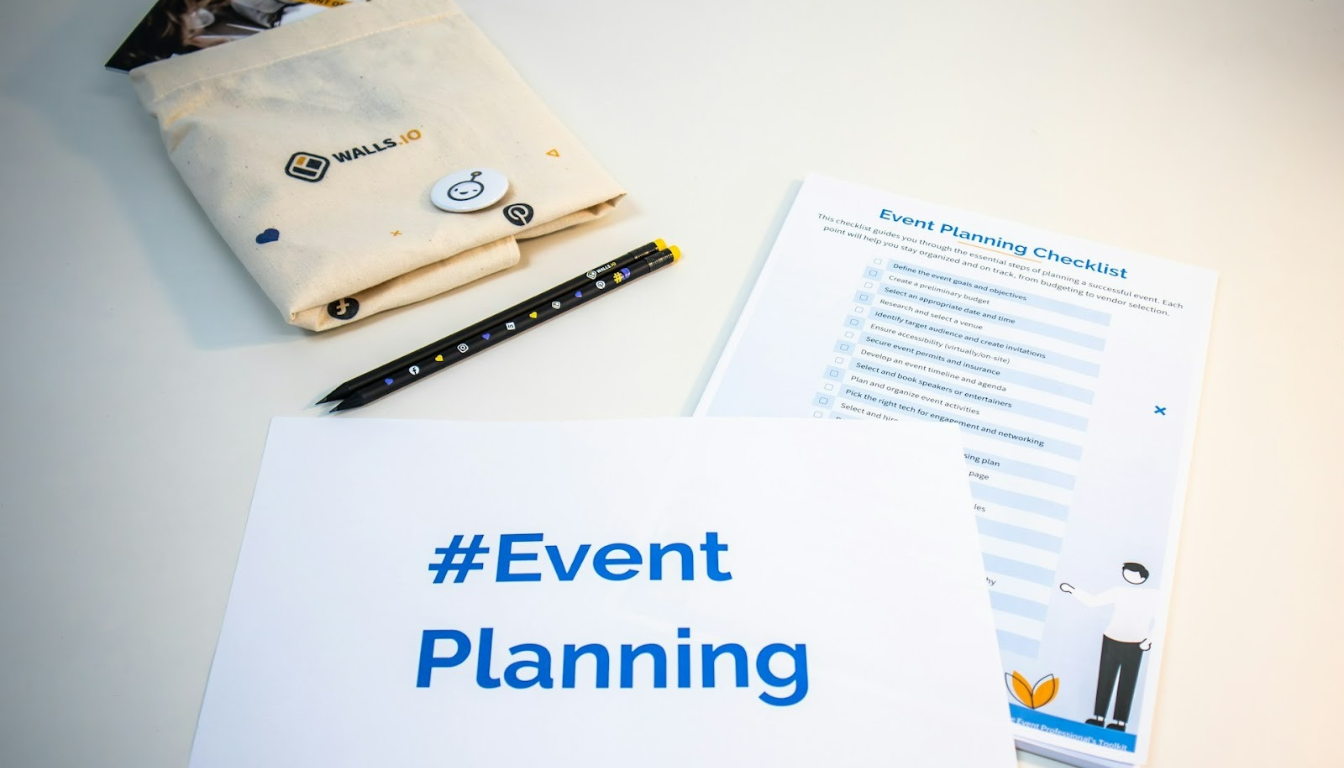
An event itinerary is a detailed, time-stamped document that outlines every activity, transition, and responsibility throughout your event. Unlike a broad agenda, a run-of-show drills down to the minute — specifying who introduces the keynote speaker, when the AV team needs to switch slides, and how long the lunch break actually runs. For corporate retreats, this level of detail is not optional; it's essential.
Corporate retreats tend to have higher stakes than standard internal meetings. Leadership teams use them to set annual strategy, strengthen company culture, and rebuild team cohesion after periods of remote or hybrid work. When these objectives are packed into a compressed one- or two-day schedule, a missing 20-minute window can cascade into missed connections, rushed conversations, and a team that leaves feeling hurried rather than energized.
An organized retreat schedule also builds confidence among attendees. When people can see exactly what's coming and trust that the day is well-managed, they arrive psychologically ready to engage — not distracted by uncertainty about logistics or timing.
Core Elements Every Corporate Retreat Event Itinerary Needs
Not all event schedules are created equal. A high-functioning corporate retreat itinerary consistently includes the following components:
1. Precise Time Blocks
List every session with a clear start and end time. Avoid vague windows like "mid-morning" — instead, write "9:00 – 10:30 AM." Precision prevents ambiguity and makes it easier to spot scheduling conflicts before the event day.
2. Session Titles and Descriptions
Each block should have a descriptive title and a one-line summary of its purpose. This helps speakers understand the context of their session and helps attendees mentally prepare for shifts in tone — from a high-energy workshop to a quiet reflection exercise, for example.
3. Designated Owners
Assign a responsible person to every segment. This could be the event coordinator, a department head, an external facilitator, or a vendor contact. When something needs to be adjusted at the moment, there's no question about who makes the call.
4. Transition and Buffer Time
One of the most common corporate retreat mistakes is failing to account for transitions. Even a simple room change takes time when 40 people are involved. Build in a minimum of 10 minutes between major sessions, and 15–20 minutes after meals. These buffers are what keep your retreat schedule on track without creating panic.
5. AV, Catering, and Vendor Notes
Your event itinerary should include brief operational notes for each session — not just for your team, but for venue contacts and external vendors. Indicate when slides go live, when meals are served, when the breakout rooms need to be configured, and when equipment should be reset.
How to Build Your Run-of-Show Step by Step

Building a run-of-show from scratch can feel overwhelming, but breaking it into phases makes the process manageable and thorough.
1. Define Your Retreat Objectives First
Before you touch a schedule, clarify the one to three outcomes your leadership team expects from this retreat. Every session you add should earn its place by directly contributing to those outcomes. This also prevents the common mistake of overpacking the day with activities that feel productive but dilute the overall impact.
2. Map the Energy Arc
Think of your retreat as a narrative with a beginning, middle, and end. Mornings are best for high-cognitive work — strategy sessions, keynotes, and complex problem-solving. Early afternoons tend to be energy dips, making them ideal for collaborative or interactive activities. Late afternoons work well for synthesis, wrap-ups, and forward-looking planning conversations.
3. Draft the Schedule in a Collaborative Tool
Use a shared document or project management tool so that your event coordinator, executive sponsor, and key speakers can all review and comment. Avoid working in silos — a facilitator who doesn't know the retreat runs until 5:00 PM may schedule a conflicting flight home at 4:00 PM.
4. Pressure-Test with a Walk-Through
Once your draft itinerary is complete, walk through it chronologically with your planning team. Identify any sessions that feel rushed, any transitions that are too tight, and any unplanned gaps that could leave attendees idle. A virtual walk-through 7–10 days before the event is worth more than any last-minute fix on the day.
5. Distribute the Final Version Strategically
Send the attendee-facing version — a cleaner, simplified summary — at least one week before the event. Circulate the full operational run-of-show to your internal team and vendors 5–7 days out, and confirm all contacts have read it.
Event Itinerary Template: A Sample Corporate Retreat Run-of-Show
Use the framework below as a starting point. Adjust session lengths, titles, and owners to fit your specific retreat goals and team size.
Common Mistakes to Avoid in Your Corporate Retreat Itinerary
- Over-scheduling: Filling every minute sounds thorough but actually reduces effectiveness. Attendees need white space to process, connect, and recharge. Leave at least one unstructured window per half-day.
- Ignoring logistics travel time: If breakout rooms are in a different building or floor, factor in that movement. Five minutes of walk time doesn't sound like much — until 50 people are involved.
- Not assigning a timekeeper: Designate one person whose only job during sessions is to watch the clock and give speakers a two-minute warning. Without this, even disciplined presenters run long.
- Using the same template every year: Retreats evolve with company size, team dynamics, and business priorities. Review your event itinerary framework annually and update it to reflect what's actually working.
How to Keep Your Event Itinerary Flexible Without Losing Control

The best corporate retreat planners know that the schedule is a guide, not a guarantee. Unexpected delays happen — a speaker runs long, a technical issue eats into setup time, or an unexpectedly rich discussion is worth extending. Build flexibility into your event itinerary from the start by identifying which sessions have hard end times (like catering or transportation pickups) and which have room to breathe.
Create a contingency tier: know in advance which 10–15 minute activity or break can be trimmed if you fall behind. Having this decision made before the day removes guesswork in the moment and prevents reactive choices that leave attendees confused.
Finally, keep a live version of your run-of-show updated throughout the event. Assign someone to track actual start and end times against the planned schedule. This data becomes invaluable for planning future retreats and identifying chronic bottlenecks in your event flow.
Summary
Building an effective event itinerary for a corporate retreat is about far more than listing sessions in order — it's about engineering an experience that respects your team's time, maximizes engagement, and delivers on your strategic objectives. A great run-of-show assigns clear ownership, builds in necessary buffers, anticipates logistical realities, and gives every participant — from the CEO to the catering coordinator — the clarity they need to perform their role confidently.
Start with the template above, customize it to your team's size and goals, and involve your key stakeholders early in the drafting process. The more perspective you bring to the planning phase, the fewer surprises you'll encounter on event day. Use the post-retreat review as your most powerful planning tool — capturing what ran smoothly and what needed more time is the fastest way to make each future retreat better than the last.
The effort you put into your event itinerary before the retreat is what your team will feel throughout it — in the seamless transitions, the unhurried conversations, and the sense that everything was thought through with care. That feeling is what turns a good corporate retreat into one your team talks about for years.
FAQs
- What should be included in a corporate retreat event itinerary?

A corporate retreat event itinerary should include every session with a precise time block, a session title and brief description, an assigned owner or facilitator, transition time between segments, and operational notes for vendors and AV support. The more detail you include in your run-of-show, the fewer questions your team will need to ask on event day.
- How far in advance should I finalize the retreat itinerary?
Aim to have your full event itinerary finalized at least two weeks before the retreat. Share the operational run-of-show with internal teams and vendors 5–7 days out, and send a simplified attendee-facing version 7–10 days before the event so participants can plan accordingly.
- How long should each session be in a corporate retreat schedule?
Session length depends on the type of activity. Keynote addresses typically run 45–60 minutes. Workshop blocks work well at 60–90 minutes. Discussion sessions and breakouts can range from 30–60 minutes. Always build in 10–15 minutes of buffer time between major sessions to accommodate transitions, questions, and bio breaks.
- Can I use the same event itinerary template for different types of retreats?
Yes, a well-structured event itinerary template can be adapted for leadership summits, department off-sites, team-building retreats, and planning workshops. Adjust the session titles, time allocations, and ownership roles to match each retreat's unique objectives. Review and refresh your base template annually to reflect changes in your team size and company priorities.
You may also like



Stay Updated with Our Insights
Get exclusive content and valuable updates directly to you.