
Fun Team Events for Introverts: How to Plan Group Activities Where Everyone Thrives

Planning fun team events for introverts — and for everyone else on the team — sounds straightforward, until you realize that what energizes half the room quietly drains the other half. For HR executives and offsite planners, this tension is real. The extroverts want high-energy mixers and icebreaker competitions. The introverts — often your most thoughtful, focused contributors — are already dreading the mandatory karaoke. And yet, the goal of any good corporate retreat is the same: genuine connection, renewed engagement, and a team that leaves feeling seen.
The good news is that fun team events for introverts don't require sacrificing engagement for the rest of the group. With the right format, structure, and intentionality, you can design activities that give everyone — regardless of personality type — the conditions they need to participate fully. This guide breaks down how to think about introvert-friendly team building and what it actually looks like in practice at a corporate offsite.
Key Takeaways
• Fun team events for introverts prioritize depth over performance — structured activities, clear expectations, and opt-in energy rather than compulsory participation.
• Introverts aren't antisocial; they're overstimulation-averse. The fix is format design, not fewer events.
• The best inclusive team activities blend small-group interaction, creative or skill-based challenges, and meaningful downtime.
• Extrovert-heavy event design is one of the most common — and least discussed — reasons offsite engagement scores underperform.
• Platforms like Offsite.com make it easier to identify venues and programming options that accommodate diverse personality types without sacrificing fun.
• Introvert-friendly team events tend to score higher than high-pressure, performance-based formats in post-retreat satisfaction feedback — particularly among employees who typically disengage from standard event programming.
Why Most Fun Team Events Aren't Actually Fun for Everyone

The classic corporate team event checklist — trivia nights, extrovert-heavy event design is one of the most common — and least discussed — reasons offsite engagement scores underperform. These formats reward quick verbal responses, comfort with public performance, and the ability to project confidence in group settings. For roughly a third to half of any given workforce — a range consistent with Susan Cain's widely cited research in Quiet — these formats aren't just uncomfortable; they're actively exhausting in a way that lingers past the event itself.
This isn't a personality flaw. Introverts process experience differently: they tend to think before speaking, prefer one-on-one or small-group conversation over large-room dynamics, and recharge through solitude rather than stimulation. None of this makes them less engaged, less ambitious, or less valuable. It makes them someone for whom a mandatory "fun" event designed without them in mind is a minor form of exclusion.
The result is predictable: lower participation scores from introverted employees, a growing pattern of "opting out" during free activity time, and retreat feedback that skews positive overall while hiding a significant segment of disengaged attendees. For HR leaders investing meaningfully in team offsites, that gap is worth closing.
What Makes a Team Event Introvert-Friendly (Without Making It Boring)
The instinct to "tone things down" for introverts misses the point. Introverts don't want less — they want different things. Specifically, they tend to thrive in environments that offer:
Clear structure and defined expectations. When people know what's going to happen, how long it will last, and what's being asked of them, anxiety drops significantly. Ambiguous, open-ended formats where "anything can happen" are genuinely stressful for introverts — not because they can't handle uncertainty, but because unnecessary social unpredictability is costly in a way it simply isn't for extroverts.
Small-group or paired interaction over a large-room performance. A conversation between four people reliably produces more depth and candor than the same conversation spread across twenty — a consistent finding in group dynamics research. Introverts almost universally report that smaller interaction formats — whether that's breakout discussions, collaborative challenges, or shared creative tasks — feel far more natural and enjoyable than whole-room dynamics.
Opt-in intensity rather than mandatory participation. There's a meaningful difference between "everyone does the thing" and "here's the thing, come in at the level that works for you." Formats that allow partial or graduated participation — observing before joining, contributing without performing — lower the activation energy for introverts without limiting engagement for those who want to go all-in.
A task or creative anchor. Give introverts something to focus on, and they often become the most engaged people in the room. Skill-based, creative, or problem-solving activities — where the work itself is the social glue — play directly to introvert strengths: focus, depth, and follow-through.
Importantly, these design principles don't require making events dull or low-energy. They require making events intentional, which tends to improve the experience for everyone, introvert or not.
Fun Team Events for Introverts: Activity Ideas That Actually Work
Here are specific activity formats that consistently perform well with mixed teams, including strong introvert participation and satisfaction:
Collaborative Creative Workshops
Pottery, illustration, printmaking, leatherwork, cooking — any format where participants are making something together rather than performing for each other. The creative task becomes the focus, which takes social pressure off individuals while still creating a genuine shared experience. These formats also tend to generate the kind of sensory memory (a finished object, a shared meal) that outlasts the event itself.
Small-Group Problem-Solving Challenges
Escape rooms, design sprints, scavenger hunts with a strategic element, and tabletop problem-solving games all give introverts a task to engage with rather than a performance to deliver. The key is team size: groups of three to five consistently outperform larger teams for introvert engagement. If you're running a full-company offsite, build these as parallel small-group tracks rather than a single large-group competition.
Nature-Based and Outdoor Experiences
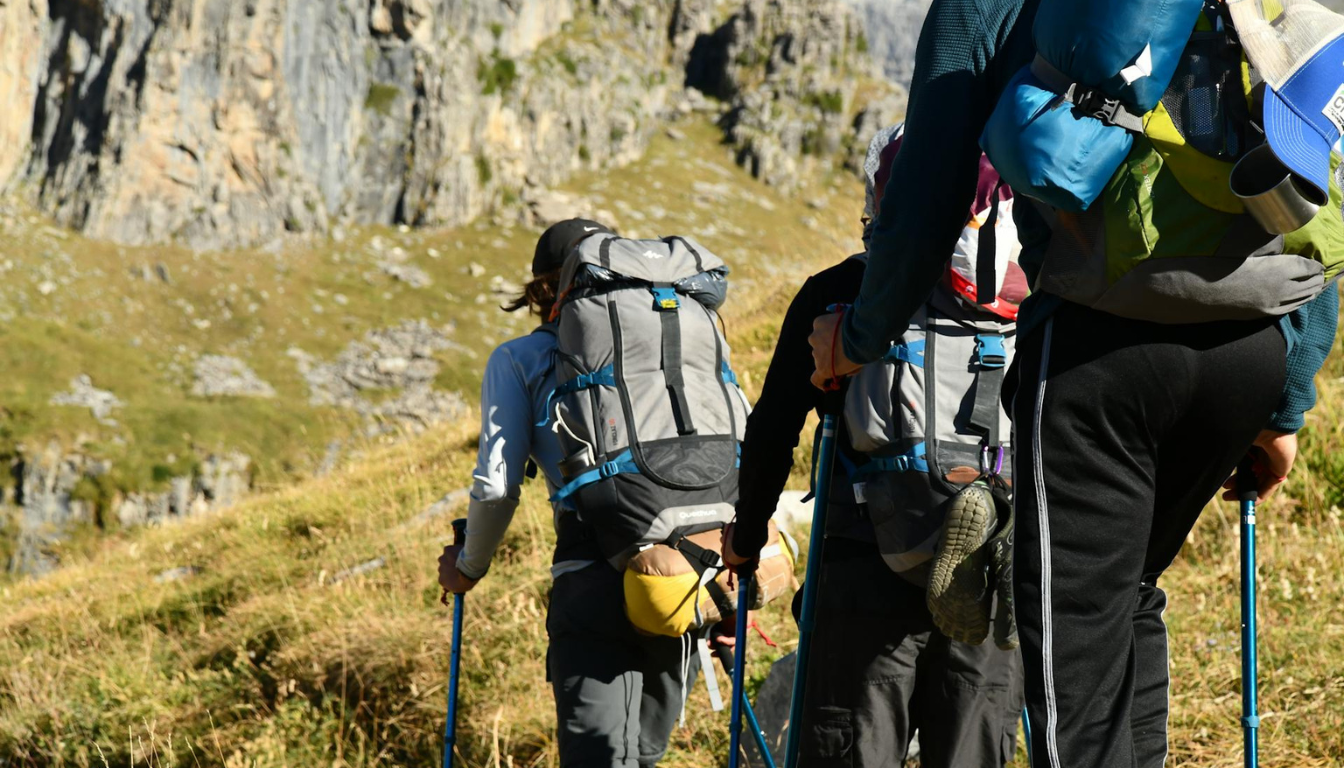
Guided hikes, kayaking, wildlife walks, and outdoor exploration activities consistently rank among the highest in post-event satisfaction across personality types — but especially among introverts. Nature settings naturally reduce social performance pressure, provide sensory grounding, and create conversation through shared experience rather than structured prompts. They also happen to double as some of the most eco-friendly team-building options available.
Community Service and Volunteering Projects
Habitat restoration, food bank volunteering, community garden work, and similar service projects are a natural fit for introverts because the work itself is the point. There's no spotlight on individual personality — contribution is measured in what you build or repair or grow, not in how loudly you celebrate it. For teams with strong values alignment around social impact, these events also carry meaning that standard team-building activities simply don't.
Structured Dialogue Sessions
This is underused in corporate retreats: facilitated conversation formats — Socratic seminars, structured listening exercises, perspective-sharing circles — that give introverts the conditions under which they genuinely excel. With turn-taking protocols and explicit space to think before speaking, introverts often become the most insightful voices in the room. These sessions work especially well for culture-building or strategic alignment components of an offsite.
How to Structure Your Offsite Schedule for Mixed Personality Types

Beyond individual activity selection, the schedule structure of a retreat matters enormously for introvert wellbeing and engagement. A few principles to build in:
Build in genuine downtime. Build in genuine downtime — not "free time" that's actually an implicit social obligation, but actual unstructured time where choosing to be alone is a fully acceptable option. Even 30–45 minutes of solo recharge time between sessions can dramatically improve afternoon engagement for introverts.
Don't schedule back-to-back high-stimulation activities. Alternating high-energy group activities with lower-intensity creative or reflective sessions gives introverts recovery space without pulling them out of the program entirely.
Offer pre-event information. Share the full schedule, activity descriptions, and group sizes in advance. For introverts, knowing what's coming allows mental preparation that reduces day-of anxiety and increases participation.
Create smaller default group sizes. If your offsite can run workshops in groups of four to six rather than twelve to fifteen, introvert engagement will meaningfully improve — as will the quality of conversation overall.
Platforms like Offsite make it easier to identify venues and programming options that accommodate diverse personality types without sacrificing fun .
Why This Matters for HR Leaders Beyond the Retreat Itself
There's a broader argument for taking introvert-inclusive event design seriously, and it goes beyond retreat satisfaction scores. In most knowledge-work environments, a disproportionate share of deep analytical work, careful writing, and sustained problem-solving is done by introverted employees. As Susan Cain argues in Quiet, and as a growing body of workplace research supports, introverts tend to be strongly represented among high-performing individual contributors — particularly in roles requiring deep focus, careful analysis, and sustained creative work.
When your fun team events consistently prioritize extrovert formats, you send a signal — usually unintentional — that the company's culture is designed around a particular kind of personality. That signal is received. It shows up in belonging scores, in who speaks up in all-hands meetings, and eventually in retention data.
Designing inclusive team activities isn't a concession to quiet employees. It's a recognition that your team is made up of different kinds of people, and that a retreat designed to genuinely serve all of them will produce stronger outcomes than one designed to energize the loudest half of the room.
Summary
Fun team events for introverts aren't a niche accommodation — they're a design upgrade that benefits everyone. The principles that make activities work for introverts (clear structure, small groups, task-based engagement, genuine downtime) are the same principles that separate a well-planned offsite from a generic one. When you stop designing exclusively for the most expressive personalities in the room, you open up space for your whole team to participate fully — and that's where the real connection happens.
For HR executives and offsite planners, this means going beyond the activity checklist and thinking about the full architecture of the retreat experience: who it's designed for, what participation actually looks like for different personality types, and whether the people who tend to go quiet in group settings are leaving the offsite more connected or more drained. The answer to that question is one of the clearest signals you'll get about the quality of your team event programming.
FAQs
- What are the best fun team events for introverts at a corporate retreat?

The most effective fun team events for introverts share a few traits: they're structured, task-based, and run in small groups. Top formats include collaborative creative workshops (pottery, cooking, illustration), nature-based experiences like guided hikes or kayaking, small-group problem-solving challenges, and facilitated dialogue sessions. The key is designing for participation rather than performance.
- How do you plan team activities that work for both introverts and extroverts?
The most inclusive approach is to build activities around a shared task or challenge rather than open-ended social performance. Both personality types engage well with creative, collaborative, or problem-solving formats — the difference is that introverts need smaller group sizes, clearer expectations, and built-in recovery time. Alternating higher-energy activities with quieter, reflective ones throughout the day schedule also helps balance the experience for mixed teams.
- Why do introverts often disengage at team events?
Introverts typically disengage when events are designed around large-group dynamics, unpredictable social formats, or activities where participation requires public performance. It's not a lack of interest in connection — it's a mismatch between the event format and how introverts actually process and enjoy social experience. The fix is usually design-level, not people-level.
- How much downtime should an offsite schedule include for introverts?
A good rule of thumb is at least one block of genuine unstructured time per day — 30 to 60 minutes where solo activity is an explicitly acceptable option. This isn't wasted time; it's recharge time that directly improves afternoon participation. Many offsite planners find that adding this kind of intentional breathing room also improves extrovert engagement by preventing overscheduling fatigue.
You may also like


Stay Updated with Our Insights
Get exclusive content and valuable updates directly to you.