
Hotel RFP Template for Corporate Retreats: How to Write a Winning Proposal


Imagine trying to book a venue for a 200-person event. You email five hotels, but the replies are a mess. One hotel forgets to mention hidden fees, while another sends a 12-page file that is hard to read.
This is why you need a hotel rfp template. A good template makes sure you get clear, honest answers from every hotel. In this guide, you will learn what to include in your hotel request for proposal template to get better rates and faster replies. We will show you how to save time and feel confident during your next negotiation.
Key Takeaways
- A structured hotel rfp template saves hours of back-and-forth emails and can cut event costs by 10 to 20 percent by giving you clear, comparable proposals from every property you contact.
- Using a consistent hotel request for proposal template lets you compare hotels side by side on dates, rates, meeting spaces, and perks instead of digging through messy email chains.
- Every winning RFP includes three must-have elements: a clear event overview and goals, detailed sleeping room and meeting space requirements, and a clean pricing and concessions section for easy negotiation.
- This guide works for real events in 2026 and beyond—whether you’re planning a 30-person training in May 2026 or a 500-person conference in October 2026.
- A downloadable hotel rfp template in Word or Google Docs format makes it simple for planners and admins to reuse the same structure for each new event.
What is a Hotel RFP and Why Do You Need a Template?
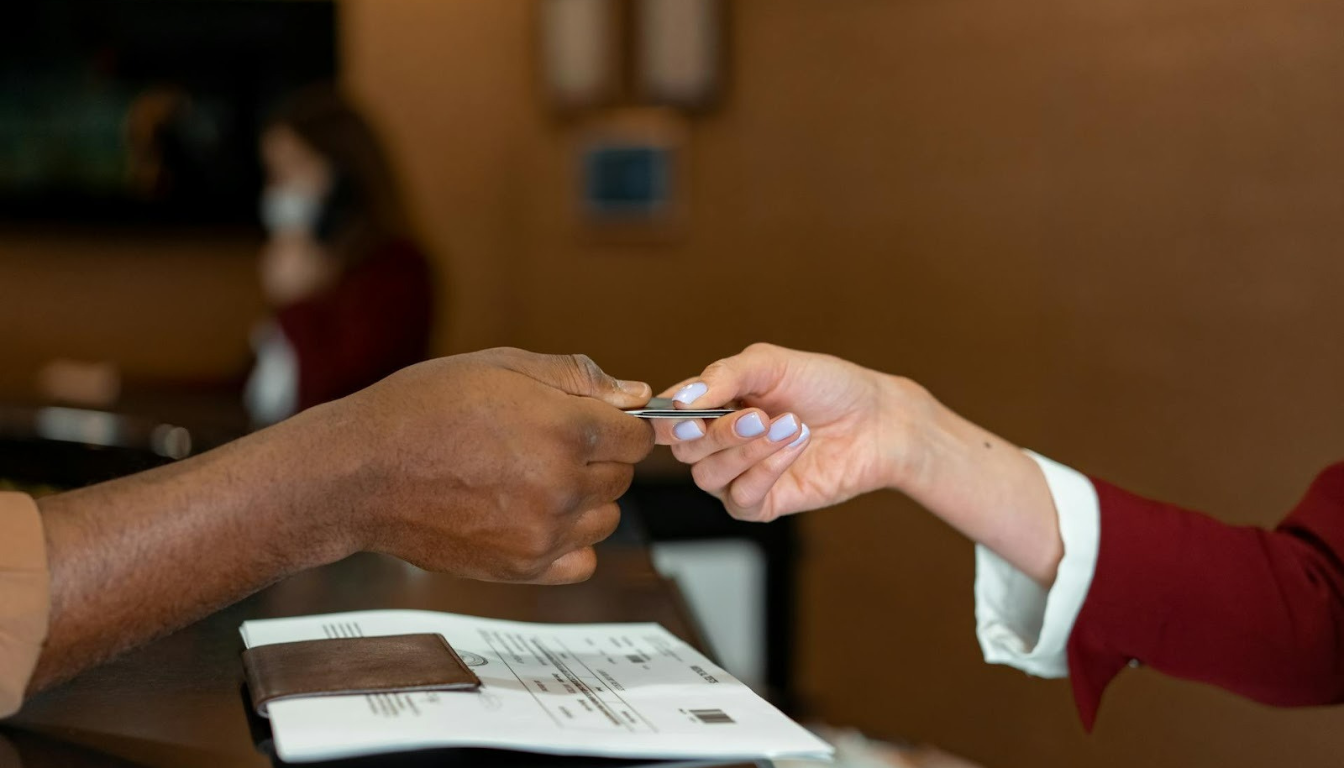
Think of a hotel RFP as your written shopping list combined with a wish list. It’s a formal document you send to hotels when you need room blocks or event space on specific dates. The request for proposal tells properties exactly what you need—guest rooms, meeting spaces, catering, and special requests—so they can respond with tailored pricing and terms.
Here’s how the process works step by step:
- You send one standardized RFP to multiple hotels in your target location
- Hotels review your requirements and submit customized proposals with rates, concessions, and availability
- You compare responses side by side using consistent data points
- You negotiate final terms and sign a contract with your chosen property
Why does a reusable template matter? Because it keeps your questions consistent across every property. This reduces mistakes and makes it dramatically easier to compare proposals line by line. Hotels also appreciate clear templates—they can respond faster because they know exactly what information you need.
Benefits of using a standard hotel RFP template:
- Consistency of information sent to every property
- Faster internal approvals because stakeholders review the same format each time
- Improved professional branding for your company or association
- Better data for next year’s event planning and budget forecasting
Consider a real-world example: Your organization runs a regional training roadshow hitting four cities in 2026—Atlanta, Dallas, Denver, and Seattle. Sending the same structured RFP to hotels in each city saves hours of work. You don’t reinvent your request each time, and you can compare offers across cities using identical criteria.
For the broader venue-sourcing process beyond hotels specifically, see our guide to venue sourcing best practices.
Essential Components of a Winning Hotel Request for Proposal Template

This section is your blueprint for building a comprehensive hotel request for proposal template. Each component should become a clearly labeled section in your final document. Let’s break down what to include.
Company Profile & Event Vision
Start your template with a short narrative block that introduces your organization and event. Include:
- Organization name and full contact details
- Event name and purpose (annual conference, board retreat, product launch, training seminar)
- Brief description of what a successful event looks like for your group
- Decision timeline with shortlist and final decision dates
- Event history if applicable (past destinations, typical attendance, pickup rates)
This section signals to hotels that you’re organized and serious. It helps them assess whether your business is a good fit and how to tailor their proposal.
Sleeping Room Requirements
Your room block details should be crystal clear. Hotels need this information to price accurately and avoid surprise charges later.
- Exact check-in and check-out dates (with alternative patterns if you’re flexible)
- Night-by-night room block grid showing expected number of rooms per date
- Room types needed: kings, doubles, suites, accessible rooms
- Clarification on whether "Run of House" (ROH) is acceptable (Run of House means the hotel assigns any available standard room at a single rate rather than guaranteeing specific categories)
- Rate expectations including budget ceiling per night
- Comp room requests (typically 1 complimentary room per 40 or 50 paid room nights)
Meeting & Event Space Needs
For events requiring meeting rooms, create a structured list covering each day:
- Required square footage and room capacity
- Preferred setups: theater, classroom, U-shape, banquet rounds, reception
- A/V needs: projectors, screens, microphones, hybrid meeting technology
- Internet bandwidth requirements and pricing structure
- Storage space or office space needs for staff
- Exhibit or registration areas if applicable
Food & Beverage (F&B) Needs
A simple table or bullet list works best for F&B requirements:
- Daily meal patterns (breakfast, AM break, lunch, PM break, reception, dinner)
- Estimated headcount for each function
- Dietary requirements: vegetarian, vegan, gluten-free, nut-free, kosher, halal
- Service style preferences: plated, buffet, family style
- Budget ranges per person for each meal type
Optional Components
Depending on your event, you may want to add sections for:
- Transportation and parking details
- Wi-Fi and technology specifications
- Sustainability expectations and certifications
- Post-event reporting requirements
- Accessibility and ADA compliance needs
How to Use a Hotel RFP Template to Negotiate Better Rates
A well-built hotel rfp template is your secret weapon for negotiation. When hotels can clearly see your total value—rooms, meeting space, F&B spend, and dates—they have every reason to sharpen their pencil and offer better deals.
Leveraging Volume
Include historical data in your template to show hotels this is reliable, repeat business:
- Past event pickup rates versus blocked rooms
- Expected growth for upcoming years
- Traveler patterns like peak check-in days and typical length of stay
- Multi-year potential if you plan to return annually
Travel managers and event coordinators who share this data consistently receive more competitive hotel rates because hotels see the full revenue picture.
Once proposals come in, see our full guide on how to negotiate group hotel rates for tactics to push past what's in the initial offer.
Desired Concessions
Create a dedicated checklist in your template for common concession requests:
- Complimentary Wi-Fi in guest rooms and meeting spaces
- Comp rooms at a ratio of 1 per 40 or 1 per 50 room nights
- Suite upgrades for VIPs and key staff
- Discounted or complimentary parking for guests
- Early check in and late checkout on arrival and departure days
- Waived or reduced meeting room rental with F&B minimums
- Discounted staff rooms below the group rate
Budget & Rate Transparency
Add a simple section where you share your rate targets. For example: “Target rate: USD 199–219 per night, plus tax.” This helps hotels propose realistic options instead of guessing.
Being upfront about your budget and minimum spend commitments encourages hotels to bid competitively. Hiding your budget often leads to proposals that are wildly off-target in both directions.
Vague vs. Detailed RFP Example
Consider two planners sourcing the same 150-person training in June 2026:
Planner A sends: “Need 75 rooms and meeting space in Dallas next June. What can you do?”
Planner B sends: A complete RFP template with night-by-night room block, detailed meeting room schedule, F&B pattern, rate targets, and desired concessions.
Result? Planner B receives three comprehensive proposals with negotiated rates, free Wi-Fi, and waived meeting room rental. Planner A receives one incomplete quote that requires five follow-up emails to clarify.
Step-by-Step: Writing Your Hotel RFP

Ready to create your RFP? Follow these four steps to build a document that gets results. Think of this as a checklist you can use every time you source hotels for an upcoming event.
Step 1 - Define Your “Must-Haves” vs. “Nice-to-Haves”
Before you fill out any template, separate your non-negotiable requirements from flexible preferences.
- Must-haves are deal-breakers: specific dates, minimum guest rooms per night, required meeting room capacity, accessibility compliance, and budget ceiling
- Nice-to-haves are negotiation levers: upgraded coffee breaks, outdoor reception space, spa discounts, premium room views, or rooftop terraces
- Organize these into two clearly labeled lists within your template to share directly with hotels
- Example: Natural daylight and reliable Wi-Fi in the main meeting room are must-haves for your 120-person training in June 2026, while a welcome reception on the hotel’s rooftop terrace is a nice-to-have
Step 2 - Populate Your Hotel RFP Template with Event Data
Now fill in the key fields using your event details:
- Event name and hosting organization
- Arrival and departure dates with room counts per night
- Meeting room schedule by day including setup and breakdown times
- F&B plan with meal patterns and estimated headcount
- Double-check all dates, time zones, and attendance estimates before sending—errors here cause costly re-quotes
- Use past events’ pickup reports or sign-in sheets to estimate realistic blocks instead of guessing
For example, if you’re planning a three-day leadership retreat from 12 to 15 May 2026, you might book 60 rooms per night with one main meeting room plus two breakout rooms, and request breakfast, AM break, and lunch daily.
Step 3 - Set Clear Deadlines and Submission Instructions
Make submission expectations crystal clear to avoid confusion:
- State your firm response deadline prominently (e.g., “Please submit your proposal by 5:00 PM EST on 20 March 2026”)
- Include a specific email address or portal link for submissions
- Name a primary contact person and backup for questions
- Give hotels reasonable lead time: five to 10 business days for standard groups, longer for large or peak-season programs
- Specify preferred file formats (PDF for narrative, Excel for rate grids) and whether hotels should use your provided reply form
Step 4 - Reviewing and Scoring the Responses
Once bids arrive, you need a systematic way to review and compare:
- Create a simple scoring matrix focused on price, location, meeting space fit, concessions, and cancellation terms
- Build a side-by-side comparison chart with key factors: average daily rate, total estimated spend, meeting room rental, added value items, and flexibility
- Two proposals with similar room rates can differ significantly in total value—one might offer free Wi-Fi, complimentary meeting space, and flexible attrition while the other charges for everything
- Document your decision and save all proposals so next year’s RFP can start from real data instead of scratch
Common RFP Mistakes That Cost You Money

Even experienced planners make small RFP mistakes that can add 10% to 15% to total event costs or cause missed perks. Here’s what to avoid.
Overloading with irrelevant questions. Some standard forms include hundreds of compliance questions that don’t apply to your event. This slows hotel responses and causes incomplete proposals. Choose only relevant questions for your specific group business.
Forgetting Duty of Care or safety standards. Your organization has a responsibility to safeguard employees and attendees. Include questions about fire code compliance, security protocols, emergency procedures, accessibility features, and health standards. Skipping these creates risk and may violate company policy.
Not allowing enough response time. Demanding full bids in 24 hours for a 250-room conference in peak season leads to rushed, higher-priced offers—or no response at all. Hotels need time to model revenue and coordinate internally.
Before and after example: A planner initially sent a 15-page RFP with 200 questions for a 50-person training. Hotels took three weeks to respond with incomplete answers. After trimming the RFP to relevant questions and adding clear safety standards, the same properties responded in five days with sharper pricing and complete concessions.
Local GEO Focus: Choosing the Right Location
The same hotel RFP template works for any city, but you should customize the location section based on local factors. Here’s what to consider:
- Airport access and drive-time for regional attendees
- Public transit options and walkability
- Nearby dining and entertainment for off-site dinners
- Local attractions that could enhance attendee experience
- Seasonality and major citywide conventions that affect rates
For example, if you’re planning a two-day training in Chicago in October 2026, compare downtown versus airport-area hotels. Downtown properties offer walkability and dining options but typically command higher rates. Airport hotels may offer better value with shuttle services but less atmosphere for networking dinners.
Include a short paragraph in your template explaining why the chosen city and location matter to your group. This helps hotels recommend the right property and date patterns. Mention if your dates are flexible to identify areas where you might avoid peak pricing.
Summary
Using a standard hotel rfp template turns messy venue hunting into a smooth, professional process. By asking every hotel the same questions, you can easily compare costs and negotiate for the best deals. Over time, using a hotel request for a proposal template helps you track your wins and save even more money on future events. By following the steps in this guide, you can take control of your planning to save time, stay organized, and look like a pro.
FAQs
- What should be in a basic hotel rfp template?

A basic template needs absolute essentials: your organization’s contact details, event dates, expected number of rooms per night, basic meeting space needs (if any), and a clear response deadline. Even a simple one-page document covering these elements helps hotels respond with accurate quotes. For small event bookings, you can skip detailed F&B plans and complex concession lists—just focus on rooms, dates, and rates.
- How long should I give hotels to respond to a request for proposal?
For small groups under 50 rooms, 5 to 7 business days is typically sufficient. For larger or complex events requiring multiple meeting rooms and F&B, allow 10 to 14 business days. Peak season programs or multi-property corporate deals may need 3 to 4 weeks. More time generally means better offers because hotels can model revenue properly and coordinate internally. Rushing the process often results in higher prices or incomplete bids.
- Can I use a template for small group bookings?
Absolutely. A “lite” version of your hotel request for proposal template works well for groups under 20 rooms or one-day meetings. Include basic dates, room count, rate expectations, and 2-3 key concessions. This streamlined approach saves valuable time while still giving you comparable responses. Many hospitality industry professionals appreciate quick-quote templates because they can respond faster.
- What are the most common hotel concessions to ask for?
The most frequently requested concessions include complimentary Wi-Fi in guest rooms and meeting spaces, parking discounts, late checkout on departure day, meeting room rental reductions when F&B minimums are met, comp rooms based on pickup ratio, and suite upgrades for VIPs. Other popular asks: waived resort fees, discounted staff rooms, early check in for executives, and permission to bring outside A/V vendors with reduced corkage fees.
You may also like


Stay Updated with Our Insights
Get exclusive content and valuable updates directly to you.