
How to Prepare Your Leadership Team Before an Offsite


A leadership offsite is usually won or lost in the three weeks before it. When leaders arrive with different information, unspoken tensions and no idea what's actually up for decision, the first day goes to catching up and the hardest topics get pushed to "next time."
That's why preparation matters more than polishing the agenda. Before you finalize the leadership retreat agenda, the leadership team needs to be aligned on why you're meeting, what you'll decide and who does what. This guide covers how to get there: one-on-ones, an alignment meeting, the decisions to settle in advance, roles for the day, and a pre-read that supports it all.
Key Takeaways
- Most leadership offsite prep happens in conversations, not documents. Start with one-on-ones with every leader, including the CEO.
- Hold a short alignment meeting to agree on outcomes, what's up for decision and how decisions will be made.
- Settle smaller decisions before the offsite, and keep the big, contested ones for the room.
- Give everyone a role on the day: the CEO, session owners, a facilitator and a note-taker.
- Send a short pre-read at least three days before, as a supporting piece, not the main event.
Why leadership prep matters more than the agenda
A strong agenda can't fix a team that isn't ready to use it. Leadership offsites usually go wrong for the same reasons:
- Different starting points. Each leader brings their own view of the business, so hours go to re-establishing the facts.
- Hidden tensions. Disagreements no one has named come out sideways in the middle of a session.
- Unclear decision rights. Nobody knows whether the group is deciding, advising or just discussing.
- No ownership. Sessions drift because nobody is responsible for framing them.
Good preparation deals with all four before anyone travels.
A 3-week leadership prep timeline
Step 1: Hold one-on-ones with every leader
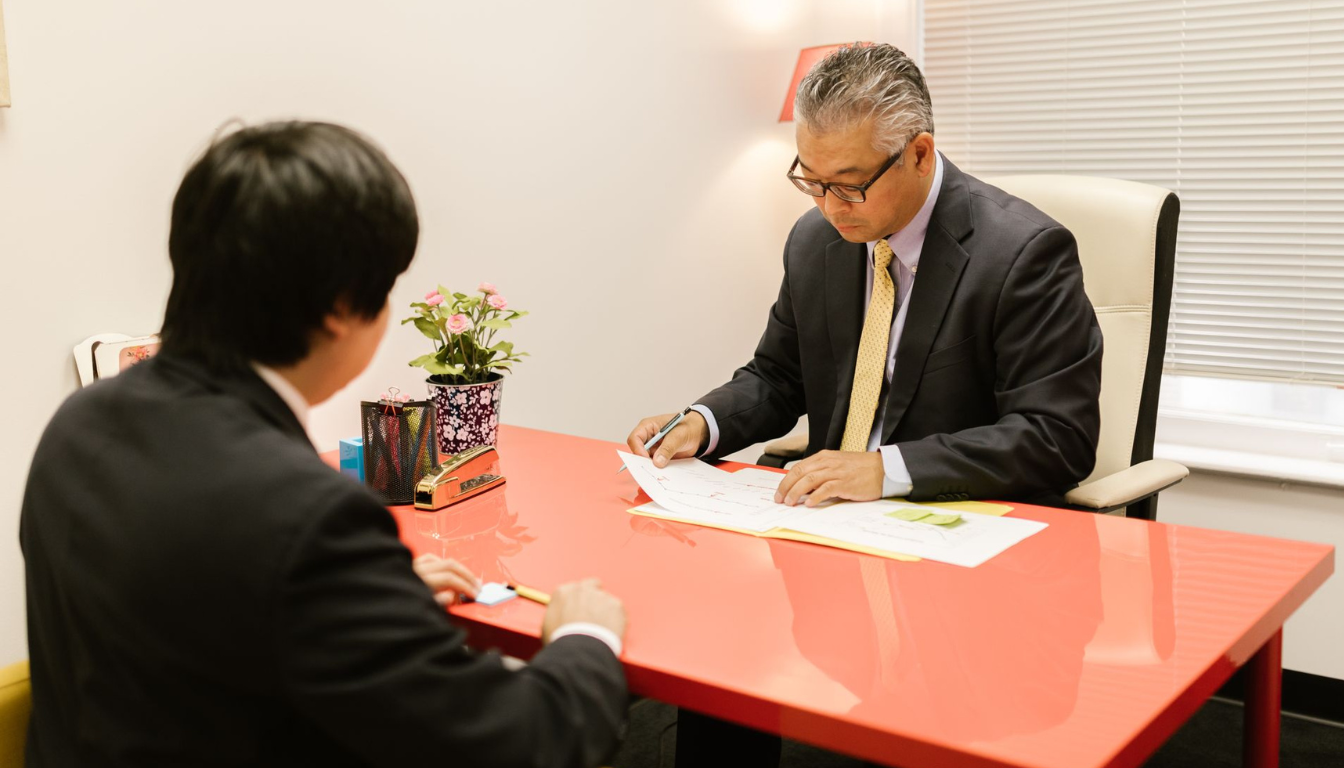
Start with a 30-minute conversation with each leader, including the CEO. The person running them, usually a facilitator or the Chief of Staff, should ask the same questions each time:
- What would make this offsite a success for you?
- What's the one decision we must make while we're together?
- Where do you disagree with your peers, and how strongly?
- What are you worried we'll avoid talking about?
- What do you need from others to do your job well next year?
Look for patterns across the answers. They tell you which topics need the most time, where the tension is and which decisions are ready to be made.
Step 2: Run a leadership alignment meeting
About two weeks out, bring the leadership team together for an hour to agree on three things:
- The outcomes. Two or three things that must be true when the offsite ends, connected to the priorities set during annual planning.
- What's up for decision. A short list of decisions the group will make together.
- How decisions will be made. Consensus, the CEO deciding after input, or a vote. Agreeing on this in advance prevents arguments about process in the room.
This meeting is short, but it's often the most valuable hour of preparation.
Step 3: Decide what to settle now and what to leave open

Not every decision needs the whole team in a room. Before the offsite:
- Settle the small or uncontested decisions in regular meetings or by email, so they don't eat offsite time.
- Keep the big, contested decisions for the room. These are why you're meeting.
- Don't decide the big ones in advance in private. If leaders sense the answer is already set, they stop contributing. Pre-work should prepare the discussion, not replace it.
Step 4: Assign roles for the day
Everyone should know their job before the offsite starts:
- The CEO: opens and closes, makes final calls where agreed, and listens more than usual. The CEO needs as much preparation as anyone, including when to speak and when to hold back.
- Session owners: each leads one topic, frames the question and prepares the pre-read for it.
- The facilitator: keeps time, manages the discussion and pushes toward decisions. A neutral facilitator lets the CEO fully take part.
- The note-taker: keeps a live log of decisions, owners and deadlines.
Clear roles also make the frameworks used at strategic offsites work better, because everyone knows whether they're leading, deciding or contributing.
Step 5: Write the pre-read
The pre-read supports the conversations above. It doesn't replace them. Keep it short and send it three to five days before the offsite, so people have time to read and think.
A good pre-read includes:
- The goals of the offsite and how decisions will be made.
- The agenda, with an owner for each session.
- A one-page brief per session: the question, the context and the options on the table.
- Key data everyone needs, such as results, customer insights or financials.
Aim for no more than 30–45 minutes of reading. If it's longer, people skim it, and you lose the point of sending it.
A simple session brief template:
Session: [Topic] | Owner: [Name] | Time: [Length]
The question we need to answer: [One sentence]
Context: [3–5 bullets]
Options on the table: [Option A, Option B, Option C]
What we need from you: [Come with a view on…]
The week before

- Check in with the CEO to confirm the outcomes, their role in each session and the decisions they own.
- Check in with each session owner to make sure the framing is ready.
- Confirm the pre-read went out and nudge anyone who hasn't read it.
- Share the one-on-one themes with the CEO and facilitator, without attributing quotes to individuals.
Common mistakes
- Sending the pre-read the night before. Nobody reads it, and the first session turns into a reading session.
- Making the big decisions in advance. Leaders notice, and they disengage.
- Skipping the one-on-ones. The tensions you don't hear about beforehand surface at the worst moment.
- Leaving decision rights vague. Groups that don't know how they're deciding tend not to decide.
Conclusion
The best leadership offsites are prepared through conversations, not just documents. Hold one-on-ones with every leader, run a short alignment meeting on outcomes and decision rules, settle the small decisions in advance, assign clear roles and send a short pre-read three to five days before. The same preparation works for any leadership retreat, from a quarterly check-in to an annual planning offsite. Offsite can handle the venue and logistics, so your leadership team can focus on getting ready for the conversations that matter.
FAQs
- How do you prepare a leadership team for an offsite?

Hold one-on-ones with every leader, run a short alignment meeting on outcomes and decision rules, settle smaller decisions in advance, assign roles for the day and send a short pre-read three to five days before.
- What should be in an offsite pre-read?
The offsite goals and decision rules, the agenda with session owners, a one-page brief for each session with the question, context and options, and key data. Keep it to 30–45 minutes of reading.
- When should you send an offsite pre-read?
Three to five days before the offsite, so leaders have time to read it and form a view. Sending it the night before usually means nobody reads it.
- Who should run leadership offsite preparation?
Usually a neutral facilitator or the Chief of Staff, working closely with the CEO. The CEO should be interviewed and prepared like every other leader.
You may also like


Stay Updated with Our Insights
Get exclusive content and valuable updates directly to you.