
Most Connected Airports for Business Travel: A Guide for Retreat Planners Coordinating Group Flights


Coordinating group travel for a corporate retreat is one of the most time-intensive logistics challenges a planner faces — and the airport your attendees fly through can make or break the entire experience. Understanding the most connected airports for business travelers gives retreat planners a critical advantage: instead of reacting to flight availability after a venue is booked, you can build your destination search around hubs that genuinely serve your team's geographic spread.
This guide identifies the top hub airports for business group travel across the United States, explains what makes them advantageous for multi-city attendee coordination, and walks you through a framework for using connectivity data to inform both your destination choice and your group flight strategy.
Key Takeaways
- Top-connected hub airports offer the widest range of nonstop routes, minimizing layovers for distributed teams.
- Airport connectivity should be evaluated as part of venue selection — not after a venue contract is signed.
- Hartsfield-Jackson Atlanta (ATL) and Chicago O'Hare (ORD) consistently rank as the most connected domestic hubs in the U.S.
- For international retreats, New York metro airports (JFK/EWR) and Miami (MIA) offer the broadest transatlantic and Latin American connections.
- Building your retreat destination around a 2–3 hour radius from a major hub reduces travel time inequity across your attendee base.
- Always cross-reference hub connectivity with your actual attendee home cities before committing to a group travel strategy.
Why Airport Connectivity Matters More Than Most Planners Realize
Most retreat planners treat flight logistics as a problem to solve after the venue is chosen. By that point, the options are limited: attendees fly out of whatever airport is closest to them, connect through whatever hub is available, and arrive at varying times throughout the day — creating staggered check-ins, fragmented group energy, and a logistical burden on the event coordinator managing arrivals.
Prioritizing the most connected airports for business travelers during the destination selection phase inverts this dynamic. When your chosen venue sits within a convenient drive or short connector flight from a major hub, the majority of your attendees benefit from nonstop or single-connection routes. Arrival windows tighten, group transfers become feasible, and the first session of your retreat can start on time with a full room.
Connectivity also directly affects cost. Hub airports with high route competition tend to offer lower average fares and more airline options. For groups of 20 or more travelers, even a $100 per-person difference in airfare translates to a meaningful budget impact — one that can fund an additional session, an upgraded dinner, or a team activity that would otherwise have been cut.
What Makes an Airport Truly Connected for Business Group Travel?

Not all busy airports are equally useful for corporate group travel. Raw passenger volume is a poor proxy for connectivity. A genuinely connected hub for business travelers has four distinct characteristics:
- Broad nonstop route coverage: The airport serves a wide geographic spread of origin cities with nonstop service, not just high-volume leisure markets. This is the factor most directly relevant to multi-city attendee groups.
- Multiple carrier options: Having two or more major carriers serving the same routes creates scheduling flexibility and price competition. A hub dominated by a single airline creates vulnerability to schedule changes, cancellations, and limited rebooking options.
- Frequent daily departures: For group travel, frequency matters as much as route availability. An airport that offers six daily departures to your destination gives attendees meaningful scheduling flexibility; an airport with one daily flight does not.
- Efficient transit infrastructure: For attendees connecting through a hub, terminal layout, connection times, and ground transport options affect overall travel stress. The strongest hub airports combine route breadth with operational efficiency.
Top Most Connected Airports for Business Travelers: U.S. Hub Rankings
The table below provides a working reference for retreat planners evaluating hub options. Route counts are approximate and reflect typical nonstop service across major carriers; seasonal routes and charter options may expand these numbers further.
Atlanta's Hartsfield-Jackson retains its position as the single most connected domestic hub, driven by Delta's expansive network and the airport's geographic positioning as the natural connecting point between the eastern seaboard and the Gulf and Southeast regions. O'Hare and DFW follow closely, offering strong coverage across both coasts and meaningful international options for groups with overseas attendees.
For retreat planners coordinating groups from the western United States, Denver International deserves particular attention. Its position as a gateway to Rocky Mountain resort destinations — combined with United and Southwest's extensive domestic networks — makes it the strongest hub for mountain and ski retreat logistics. Phoenix Sky Harbor serves a similar function for desert and Southwest resort destinations, with the added advantage of a more compact and navigable terminal layout.
How to Use Hub Connectivity to Choose Your Retreat Destination
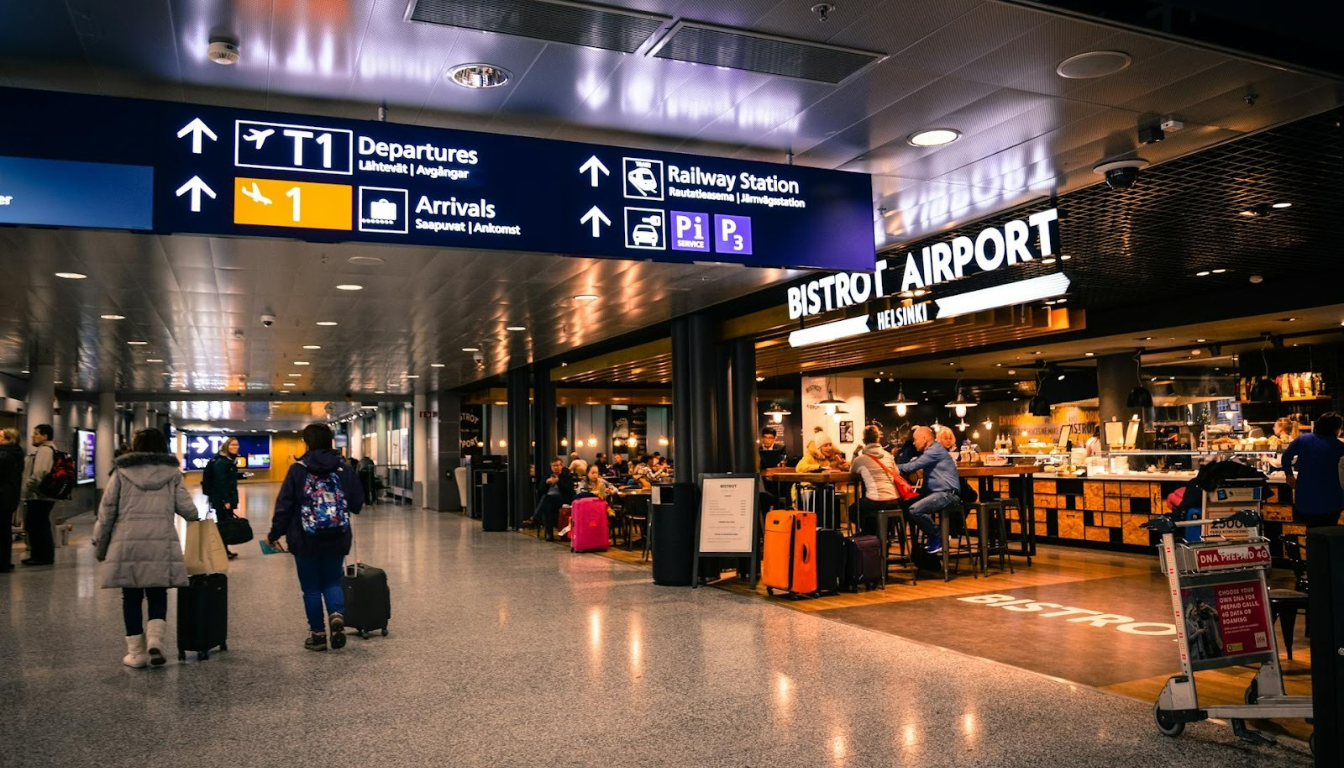
Translating airport connectivity data into a destination decision requires a simple but deliberate process. Follow these steps before finalizing any corporate retreat location:
- Map your attendee home cities.
Collect departure city data for every confirmed attendee. Group them by region — Northeast, Southeast, Midwest, Mountain West, West Coast — and identify which hub airport serves the largest share of your group with nonstop or single-stop access.
- Identify the connectivity midpoint.
For geographically distributed teams, no single hub will be perfect for every attendee. Your goal is to find the hub that minimizes total travel burden across the group — not the one that is ideal for headquarters employees while creating six-hour travel days for everyone else. Use a simple spreadsheet: list each attendee's nearest major airport, the hub options, and the estimated door-to-door travel time for each routing.
- Evaluate retreat destinations within a logical radius of that hub.
Once your connectivity midpoint hub is identified, filter your venue search to destinations within a two- to three-hour drive or a short regional connector flight from that airport. This single constraint dramatically narrows the field and ensures that travel logistics reinforce rather than undermine your retreat experience.
Group Flight Strategy: How to Maximize Your Hub Airport Choice

Even after you've identified the right hub airports for your specific group, translating connectivity into a smooth group travel experience requires an intentional booking strategy. The following principles apply regardless of group size or destination:
Anchor Around One or Two Departure Hubs
Where possible, encourage attendees flying into the same connecting hub to book flights on the same carrier and within the same departure window. This enables group check-in, shared ground transfers, and a synchronized arrival that allows the retreat to begin on schedule rather than waiting for staggered groups.
Book Blocks, Not Individual Tickets
For groups of 10 or more, contact airlines directly about group booking arrangements rather than purchasing individual tickets through standard booking platforms. Most major carriers offer group rate programs with flexible ticketing, name-change allowances, and dedicated support — particularly through the hub airports that prioritize corporate and group travel.
Build a 90-Minute Arrival Buffer Into Your Schedule
Even with the best-connected airports and tightest group coordination, travel delays happen. Build a 90-minute buffer between your scheduled group arrival time and your first substantive retreat session. This buffer absorbs the reality of ground transport, baggage claim, and the inevitable late departure — and it means your first session starts with a full room rather than a partial one.
Create a Pre-Departure Communication Package
Send every attendee a concise travel brief covering their recommended routing, the nearest hub airport, ground transport options at the destination, and a contact number for day-of travel issues. This proactive communication reduces the volume of individual questions fielded by your planning team and sets a professional tone before the retreat begins.
Summary
For retreat planners coordinating multi-city attendee groups, understanding the most connected airports for business travelers is not a travel logistics detail — it's a strategic planning decision that directly affects attendee experience, group cohesion, and overall retreat budget. Anchoring your destination search around hub airports with broad nonstop coverage, multiple carrier options, and high departure frequency gives your entire group the best possible foundation for arriving energized and on time.
The ten hub airports outlined in this guide represent the strongest connectivity options for U.S.-based corporate groups, but the right hub for your retreat is always the one that minimizes total travel burden for your specific attendee geography — not the one that is nominally the busiest. Use the attendee mapping and midpoint framework to make that determination before your venue search begins, not after a contract is signed.
Pair strong hub selection with a deliberate group flight strategy — coordinated departures, group booking arrangements, and a 90-minute arrival buffer — and you create the conditions for a retreat that begins with momentum rather than managing delayed arrivals and scattered energy.
The most effective corporate retreats are those where every logistical decision, from venue selection to flight routing, is made in service of the attendee experience. Airport connectivity, handled well, is one of the highest-leverage decisions you can make before your team ever steps off the plane.
FAQs
- Which U.S. airport has the most connections for business travelers?

Hartsfield-Jackson Atlanta International Airport (ATL) consistently ranks as one of the most connected airports for business travelers in the United States, offering over 150 domestic routes and 75 international destinations. Its central geographic position and Delta Air Lines hub status make it the strongest single connection point for groups traveling from across the eastern half of the country.
- How do I choose the best connecting airport for a corporate retreat group?
Start by mapping the home cities of all confirmed attendees and identifying which major hub airport minimizes total travel time across the group. Compare nonstop route availability from each attendee's nearest airport to your hub options, then filter your retreat destination search to locations within two to three hours of the hub that best serves the majority of your group.
- Are there advantages to choosing a retreat destination near a major hub airport?
Yes — destinations within two to three hours of a major hub offer broader flight options, lower average fares due to route competition, and more scheduling flexibility for attendees. Proximity to a well-connected hub also makes same-day departure feasible for executives with tight schedules, which can meaningfully improve attendance rates at leadership retreats.
- How early should retreat planners book group flights through hub airports?
For groups of 10 or more, begin the group flight inquiry process at least three to four months before the retreat date. These major hub airports tend to have strong route availability year-round, but fare pricing and seat availability at preferred departure times tighten significantly within 60 days of travel. For peak travel periods — particularly fall and spring — book six months or more in advance.
You may also like



Stay Updated with Our Insights
Get exclusive content and valuable updates directly to you.