
Corporate Retreat Ground Transportation Guide


Seamless corporate retreat transportation transforms potentially stressful logistics into smooth, professional experiences that set positive tones from the moment attendees arrive until they depart for home. While venue selection and programming deserve significant planning attention, transportation coordination often determines whether retreats feel polished and well-organized or chaotic and frustrating. Poor ground transit planning—delayed shuttles, confusing pickup locations, inadequate vehicle capacity, or last-minute scrambling for transportation options—undermines even the most thoughtfully designed retreat agendas.
This comprehensive guide addresses ground transit logistics across three critical phases: arrival transfers moving attendees from airports to accommodations, onsite transportation shuttling participants between venues and activities, and departure coordination ensuring timely returns to airports. You'll learn to evaluate transportation options ranging from individual rideshares to chartered buses, navigate pricing structures and hidden costs, manage group coordination challenges, and implement contingency plans preventing transportation failures from derailing retreat schedules.
Whether planning intimate executive retreats for 15 participants or large-scale company gatherings accommodating 200+ attendees, effective ground transportation requires strategic planning, vendor management skills, clear communication protocols, and attention to details that inexperienced planners frequently overlook. From coordinating staggered flight arrivals to selecting appropriately sized vehicles for group activities, from negotiating charter bus contracts to establishing backup transportation contingencies, this guide provides frameworks ensuring your retreat logistics operate smoothly across all phases—allowing attendees to focus on retreat objectives rather than logistical frustrations.
Key Takeaways
- Plan arrival and departure logistics around actual flight schedules: Collect detailed flight information early, clustering transfers by arrival times rather than forcing identical schedules that create unnecessary wait times.
- Match transportation modes to group size and budget: Small groups (under 10) use rideshares; mid-size groups (10-40) use charter vans; large groups (40+) use motor coaches.
- Build contingency time into all schedules: Add 20-30% buffer time to all estimated travel durations to prevent cascade delays.
- Communicate transportation details repeatedly: Share pickup locations, times, and driver contacts three times—initial email, 48-hour reminder, and day-of confirmation.
- Establish a 24/7 transportation coordinator: Designate one point person empowered to make real-time decisions when issues arise".
Setting a Simple Travel Policy Before You Book
Before diving into transportation logistics, a lightweight travel policy prevents most of the back-and-forth that slows down retreat planning. At minimum, define:
- Approval workflow — who signs off on travel bookings, and how fast that approval typically happens
- Reimbursement rules — what's covered automatically versus what needs pre-approval (upgraded seats, extra baggage, early arrivals)
- Self-booking parameters — if employees book their own flights, set clear guardrails (price caps, approved airlines, booking windows) so the process stays consistent without requiring approval on every single booking
A written policy — even a one-page version — eliminates most of the individual questions that otherwise land on the planner's desk in the weeks before a retreat.
Phase 1: Arrival Transfers
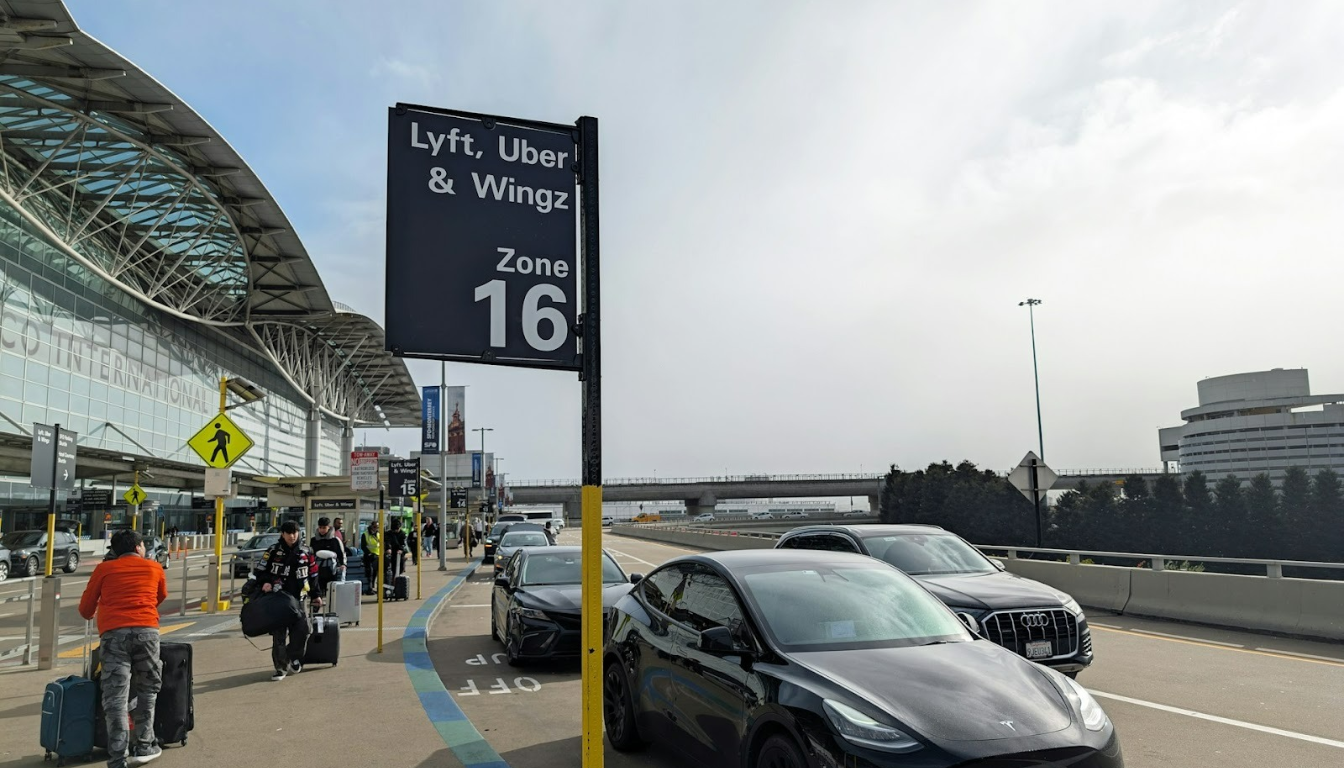
The arrival phase sets critical first impressions for your entire retreat. Well-coordinated airport transfers communicate organizational competence and care for attendee experience, while poorly managed arrivals create immediate frustration and anxiety. Effective planning begins by understanding options for moving attendees from airports to accommodations.
Rideshare Services (Uber, Lyft): Individual rideshares work well for small groups (under 10 attendees) arriving on dispersed schedules or for last-minute stragglers whose flights significantly delay. Advantages include flexibility, no advanced booking required, and reasonable per-person costs for short distances. Disadvantages include surge pricing during peak times, vehicle availability uncertainty in smaller markets, lack of group cohesion, and higher total costs for larger groups. Budget $30-80 per person for typical airport-to-hotel transfers depending on distance and market. Provide clear pickup location instructions since airport rideshare zones vary by facility.
Shared Shuttle Services: Many destinations offer shared airport shuttle services operated by hotels or third-party companies. These scheduled shuttles make multiple hotel stops, collecting passengers at designated airport locations on fixed timetables (typically every 30-60 minutes). Advantages include low per-person costs ($15-35 typically), no coordination burden, and established reliability in major markets. Disadvantages include rigid schedules requiring attendees to wait for the next departure, multiple stops extending travel time, limited luggage capacity, and reduced professional appearance. Best for budget-conscious small groups with flexible schedules.
Private Shuttle or Van Service: Charter dedicated shuttles or vans for your group, scheduled around actual arrival times. Vehicles range from 10-passenger vans to 14-passenger mini-buses. Advantages include coordinated group arrival, professional driver service, luggage capacity, and cost-effectiveness for groups of 8-15. Disadvantages include minimum hourly charges (typically 2-4 hour minimums), coordination complexity for staggered arrivals, and per-hour costs ($75-150/hour depending on vehicle size and market). Works excellently for mid-size groups arriving within 2-3 hour windows.
Chartered Motor Coaches: Full-size buses (typically 47-56 passengers) provide transportation for large groups. Advantages include significant per-person cost savings for groups exceeding 30 people, ample luggage storage, professional appearance, and onboard amenities (WiFi, outlets, restrooms on longer trips). Disadvantages include 3-4 hour minimum charges ($150-300/hour depending on market and vehicle), inflexibility for staggered arrivals, and parking challenges at some hotels. Essential for groups over 40 attendees arriving on concentrated schedules.
Planning and Coordinating Arrival Logistics
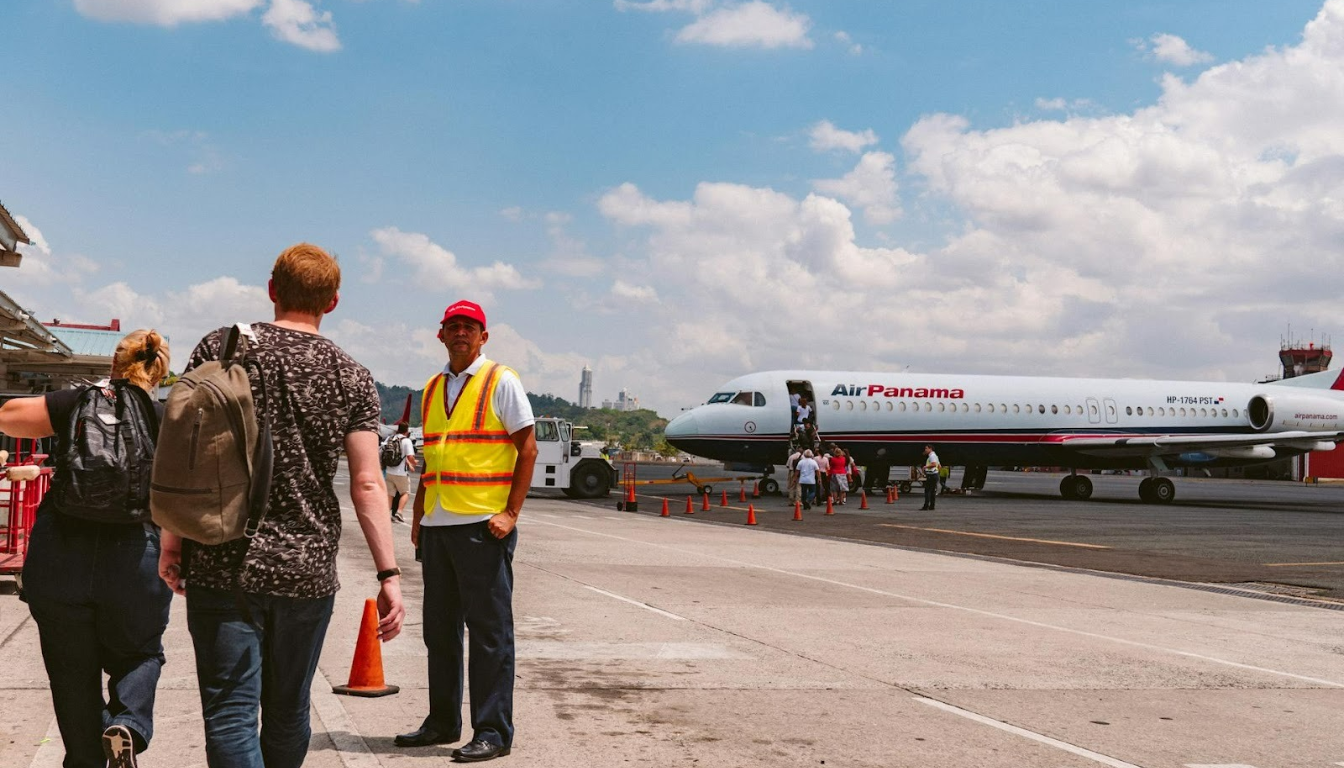
Successful arrival coordination requires detailed advance planning and clear communication protocols. Begin by collecting comprehensive flight information from all attendees 4-6 weeks before your retreat—airline, flight numbers, departure cities, scheduled arrival times, and any connections. This data allows strategic transportation grouping.
Grouping Arrivals Strategically: Cluster attendees into 2-3 hour arrival windows. Group 1 might include arrivals between 9:00 AM-11:00 AM, Group 2 captures 11:00 AM-1:00 PM, and so forth. Each group receives dedicated shuttle service departing after the latest flight lands, balancing efficiency with reasonable wait times (maximum 1-2 hours at the airport).
Communicating Arrival Instructions: Send detailed arrival logistics 2-3 weeks before including exact pickup locations, shuttle times, and driver contacts. Include photos or maps of pickup areas. Repeat this information 48 hours before arrival day.
Managing Flight Delays: Designate a transportation coordinator monitoring flight status in real-time. When flights delay, this coordinator contacts affected attendees with updated pickup times and coordinates with shuttle services. Build delay contingencies into driver contracts to avoid surprise charges.
Luggage and Capacity Considerations: Verify vehicle luggage capacity matches your group size. Standard rule: one large bag plus one carry-on per person. 14-passenger vans accommodate 10-12 passengers with full luggage. Confirm trailer availability for specialty equipment like ski gear or golf clubs.
Phase 2: Onsite Transportation During the Retreat
Once attendees arrive at your primary retreat location, onsite transportation needs depend on venue layout, activity locations, and programming structure. Some retreats occur entirely at single all-inclusive resorts requiring minimal internal transit, while others involve multiple venues, offsite activities, or downtown locations necessitating continuous shuttle coordination.
Hotel to Conference Center Shuttles: If your hotel and meeting venue sit at different locations, establish recurring shuttle service at scheduled intervals. Fixed loop schedules (every 30 or 60 minutes) prove simpler than on-demand service. Charter van or mini-bus services typically charge by day or half-day for continuous shuttles.
Activity Transportation Options: Offsite activities require dedicated transportation coordination. Match vehicle types to activity nature and group dynamics. Motor coaches work for full-group activities like winery tours. Smaller vans suit breakout groups. Party buses with entertainment systems enhance social activities and evening events.
Charter Bus Considerations: Full-size motor coaches (47-56 passengers) serve as workhorses for large groups. Modern coaches feature WiFi, power outlets, restrooms, and luggage storage. Book reputable companies with positive safety records and newer fleet vehicles (5 years or less). Typical charter rates run $150-300 per hour with 3-4 hour minimums.
What Should You Consider When Selecting Transportation Vendors?
Choosing reliable transportation vendors separates smooth professional retreats from logistical nightmares. Thorough vendor vetting and clear contractual terms prevent common transportation failures that derail schedules and frustrate attendees.
Safety and Licensing Verification: Confirm vendors maintain proper commercial licenses, current registrations, and required insurance coverage (minimum $1-5 million liability). Request safety records and DOT compliance ratings. For charter buses, verify Federal Motor Carrier Safety Administration (FMCSA) ratings and inspection records.
Fleet Age and Condition: Inspect vehicles before booking or request recent photos. Vehicles over 10 years old increase breakdown risks. Ask about maintenance schedules and backup vehicle availability. Reputable companies maintain newer fleets with replacement vehicles on standby.
Driver Qualifications and Background Checks: Professional drivers should hold commercial driver's licenses (CDL), clean driving records, and pass background checks. For multi-day service, confirm drivers comply with Hours of Service regulations. Ask whether drivers have local area knowledge for navigating traffic and alternate routes.
Contingency and Backup Plans: Discuss backup procedures for common failures—vehicle breakdowns, driver illnesses, or capacity miscalculations. Quality vendors have protocols providing replacement vehicles within 30-60 minutes. Understand cancellation policies, weather-related service guarantees, and liability provisions if transportation failures cause retreat schedule disruptions. Build these contingency terms into written contracts rather than relying on verbal assurances.
Communication and Responsiveness: Evaluate vendor communication during initial inquiries. Prompt responses, detailed quotes, and proactive suggestions indicate professional operations. Slow or vague communications during sales processes typically worsen under actual service pressure. Request references from recent corporate clients and contact them about reliability, driver professionalism, and problem resolution when issues arise.
Creating Effective Transportation Schedules and Run Sheets
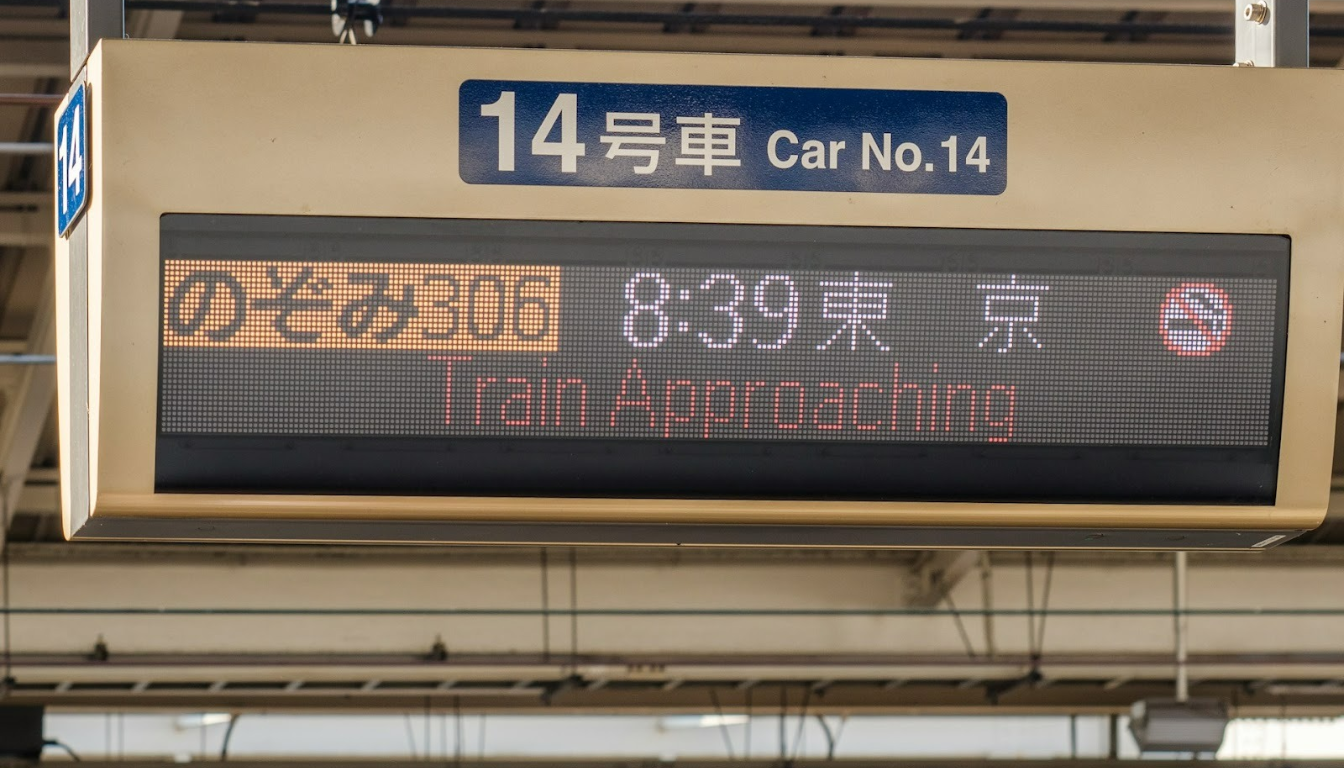
Detailed transportation schedules and run-of-show documents prevent confusion and ensure all stakeholders—drivers, coordinators, and attendees—understand timing and logistics. Professional planning requires documentation matching your retreat agenda complexity.
Master Transportation Timeline: Create comprehensive timelines showing all transportation movements throughout your retreat. List each shuttle or charter with departure time, origin, destination, estimated travel duration, arrival time, driver name, vehicle number, and passenger count. Share this master document with your transportation vendor, onsite coordinator, and retreat leadership. Update it as flight delays or schedule changes occur, distributing revised versions to all stakeholders.
Attendee-Facing Schedules: Translate master timelines into simplified attendee schedules highlighting only information participants need—their personal pickup times and locations. Avoid overwhelming attendees with operational details about other groups or backup drivers. Use clear language avoiding transportation industry jargon. For example, 'Shuttle departs hotel main entrance at 8:00 AM for morning sessions' communicates better than 'Motor coach 1 departure 0800 from primary venue lobby.'
Buffer Time Calculations: Build appropriate buffers into all transportation timing. Airport transfers should add 30-45 minutes beyond estimated travel time accounting for traffic variability, luggage claim delays, and group gathering time. Onsite shuttles need 15-20 minute buffers preventing late arrivals from delaying retreat programming. Return airport transfers require even larger buffers (60-90 minutes) ensuring attendees reach departure gates with recommended advance timing even if minor delays occur.
Driver Run Sheets: Provide drivers detailed run sheets for each assignment including: exact pickup locations with addresses and GPS coordinates, passenger names and counts, special needs or accessibility requirements, parking or staging instructions at destinations, contact numbers for retreat coordinators, and contingency procedures if passengers don't appear at scheduled times. Include photos of pickup/dropoff locations if sites have confusing layouts.
Phase 3: Departure and Return Airport Transportation
Departure logistics require even more precision than arrivals since flight departure times are rigid and missing flights creates expensive rebooking scenarios and significant attendee frustration. Strategic departure planning ensures everyone reaches airports with appropriate lead time despite traffic unpredictability.
Departure Time Grouping: Cluster departures similarly to arrivals but work backward from flight times. If attendees have flights departing between 2:00 PM-4:00 PM, schedule hotel departure for the earliest flight in that window, ensuring even late-loading passengers reach airports with time to spare. This approach prioritizes punctuality over efficiency—some attendees arrive early to airports, but nobody misses flights due to tight timing.
Last-Day Programming and Checkout Timing: Coordinate final day retreat programming with hotel checkout times and departure schedules. If multiple departure shuttles run throughout the afternoon, consider half-day programming concluding by noon, allowing attendees to attend closing sessions, check out, and make their designated shuttles without rushing. Provide luggage storage options for early departers who want to attend full programming despite afternoon flights.
Weather and Traffic Contingencies: Monitor weather forecasts and local traffic patterns closely on departure days. Unexpected weather events or accidents can double normal travel times to airports. Have contingency plans for very early departures if severe weather threatens or if major local events (concerts, sporting events, political visits) create anticipated traffic congestion. Communicate proactively with attendees about earlier-than-planned departures rather than risking missed flights.
Budgeting and Cost Management for Retreat Transportation
Transportation costs represent significant retreat budget line items, often comprising 10-20% of total retreat expenses. Understanding pricing structures, negotiating effectively, and avoiding hidden fees keeps transportation within budget while maintaining quality service.
Hourly Charter Rates vs. Flat Fees: Charter services price using hourly rates with minimum hour requirements (typically 3-4 hours) or flat fees for specific routes. Hourly pricing ($100-300/hour depending on vehicle size and market) works better for uncertain timing or multiple stops. Flat fees suit simple point-to-point transfers with predictable duration. Calculate total costs both ways during vendor comparison—sometimes higher hourly rates with lower minimums cost less than cheaper rates with extensive minimums.
Fuel Surcharges and Additional Fees: Beyond base rates, watch for fuel surcharges, driver gratuity (typically 15-20%), parking fees, toll charges, and after-hours premiums. Request all-inclusive quotes itemizing every charge. Clarify whether vendors absorb parking and tolls or pass them through.
Multi-Day Package Discounts: Vendors often discount multi-day retreat coverage. Negotiate package pricing when booking arrival, departure, and onsite transportation through a single provider. Volume discounts may apply when booking multiple vehicles.
Cancellation and Change Policies: Most charter companies require 24-72 hours cancellation notice. Changes within shorter windows incur partial or full costs. Weather-related cancellations may receive exceptions—verify in contracts. For retreats with flight delay risks, book vendors with flexible policies.
Per-Person vs. Group Pricing Comparisons: Calculate per-person costs across options. Rideshares at $50 per person for 30 attendees total $1,500, while a chartered mini-bus at $150/hour for 4 hours costs $600. For groups over 10-12 people, chartered options deliver better value plus superior coordination.
Communication Strategies for Smooth Transportation Execution
Clear, repeated communication prevents most transportation problems. Attendees miss shuttles or gather at wrong locations primarily due to inadequate information sharing or last-minute changes not properly communicated.
Pre-Retreat Communication Timeline: Share transportation information through multiple touchpoints. Initial email (3-4 weeks before) provides overview and collects flight details. Detailed packet (2 weeks before) includes shuttle times, pickup locations, and driver contacts. Reminder email (48 hours before) confirms arrangements. Day-of messages provide real-time updates.
Signage and Wayfinding: Physical signage reduces confusion at pickup points. At airports, use greeters holding company signs. At hotels, place directional signs to shuttle locations. For multi-group departures, label each shuttle with its destination or time to prevent confusion.
Real-Time Update Protocols: Establish communication channels for day-of updates—group texts, Slack channels, or WhatsApp groups. When delays occur or locations change, instant communication prevents confusion. Designate a coordinator monitoring these channels continuously, empowered to make immediate decisions about timing adjustments.
Driver and Coordinator Contact Information: Provide attendees with direct contact information for coordinators and drivers. Immediate phone contact resolves issues faster than indirect communication. Provide drivers with passenger contact lists enabling proactive outreach if passengers don't appear at scheduled times.
Accessibility and Special Needs Accommodations
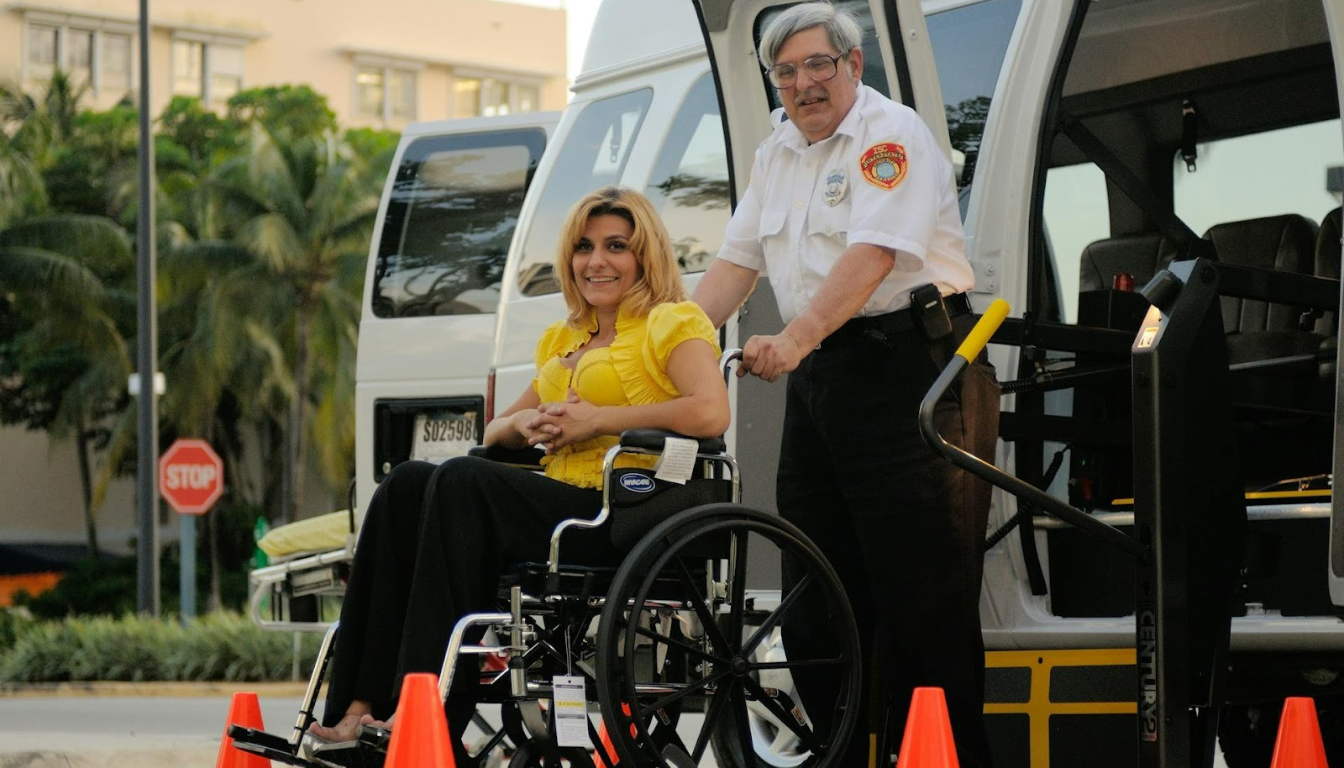
Inclusive planning ensures all attendees access transportation regardless of physical abilities, dietary restrictions during transit, or other special needs. Proactive accommodation prevents discrimination and creates welcoming experiences for all participants.
ADA-Compliant Vehicle Requirements: When attendees require wheelchair accessibility, book vehicles with lifts or ramps, securement systems, and adequate maneuvering space. Identify these needs early—not all charter companies maintain ADA-compliant vehicles. These vehicles may incur premium pricing but represent legal requirements under ADA regulations.
Mobility Assistance Protocols: Consider attendees with limited mobility who struggle with stairs or carrying luggage. Position vehicles close to building entrances, minimize steps, and offer luggage assistance. Brief drivers about mobility-impaired passengers requiring extra boarding time to prevent rushed departures.
Service Animal Accommodations: Service animals must accompany their owners in all transportation, including chartered vehicles. Confirm service animal needs during registration, inform drivers in advance, and ensure thorough vehicle cleaning. Distinguish between service animals and emotional support animals—legal requirements differ.
Medical Equipment and Refrigeration Needs: Some attendees require temperature-controlled medication storage. Motor coaches can often accommodate coolers with ice packs. Discuss these needs during vendor booking to ensure appropriate solutions.
Collecting Accommodation Information: Include specific accessibility questions in retreat registration forms. Ask about wheelchair requirements, service animals, mobility limitations, and medical equipment needs. Early identification allows proper vehicle booking and prevents last-minute scrambling. Treat information confidentially, sharing only with vendors and coordinators.
Duty of Care: Your Responsibility During Retreat Travel
Companies have a legal and practical duty of care obligation once employees are traveling on the company's behalf. For a retreat specifically, that means:
- Conduct a basic risk assessment before travel — flag anything unusual about the destination (extreme weather season, required vaccinations, local safety considerations)
- Distribute emergency contact information to every attendee before departure, including a 24/7 point of contact who isn't traveling with the group
- Confirm travel insurance coverage — verify what's actually covered (trip cancellation, medical emergencies, evacuation) rather than assuming a corporate card's built-in coverage is sufficient for the specific destination and activities planned
These aren't complex to implement, but skipping them entirely is the kind of gap that only becomes visible when something actually goes wrong.
Emergency Protocols and Backup Transportation Plans
Despite careful planning, transportation emergencies occur—vehicle breakdowns, severe weather, driver no-shows, or accidents. Comprehensive contingency planning prevents these situations from derailing entire retreats.
Backup Vehicle Arrangements: Include backup vehicle provisions in contracts. Quality charter companies maintain extra vehicles and drivers on standby. Understand guaranteed response times for replacement vehicles. For critical airport departures, consider booking backup capacity—the expense pales compared to missed flight costs for 30+ attendees.
Weather Contingency Protocols: Monitor weather forecasts 48-72 hours before travel days. Severe weather may require earlier departures, vehicle changes, or activity cancellations. Establish clear protocols determining who authorizes transportation changes and how attendees receive notification about weather-related adjustments.
Medical Emergency Transportation: Understand local emergency services and hospital locations near your venue. Serious emergencies warrant 911 calls, while minor injuries may require transport to urgent care. Know which drivers carry first aid certification and whether charter companies allow medical facility transport.
Communication During Emergencies: Develop pre-written crisis communication templates for common scenarios like weather delays, breakdowns, or flight disruptions. Coordinators can quickly customize and distribute updates rather than composing under stress. Include clear action items—where to wait, new times, alternatives, and coordinator contacts.
Technology That Simplifies Retreat Travel
A handful of tools consistently reduce the coordination burden during multi-day retreat travel:
- TripIt — consolidates every attendee's flight, hotel, and transfer confirmations into one shared itinerary view, so nobody's digging through email for their own confirmation number
- Expensify — handles real-time expense tracking during the retreat itself, which is especially useful for the food-and-incidentals spending that happens outside the main group budget
- LoungeBuddy — helps attendees find airport lounge access during layovers, a small but real quality-of-life detail for longer or multi-leg itineraries
None of these are required, but for retreats with more than 15-20 travelers, the coordination time saved usually justifies the setup effort.
Reviewing Travel Spend After the Retreat
Once the retreat wraps, a quick review of actual travel spend against the original budget does two things: it surfaces where estimates were off (useful for next time), and it often reveals a specific line item worth renegotiating before your next retreat — a rideshare vendor that ran high, a shuttle company that added unexpected fees, or a flight booking window that could have been earlier. Building this review into your standard post-retreat process turns each retreat into a slightly more accurate budget for the next one.
Summary
Effective planning across three phases—arrival, onsite movement, and departure—transforms logistics into seamless experiences supporting retreat objectives. Strategic coordination matches vehicle types to group sizes and budgets, from rideshares to chartered buses.
Successful execution requires thorough vendor vetting emphasizing safety records, fleet conditions, and backup capabilities. Clear contracts covering pricing and cancellation policies ensure reliable service. Detailed schedules with buffer times and simplified communications eliminate confusion.
Accessibility accommodations through ADA-compliant vehicles ensure inclusive transportation. Emergency protocols including backup arrangements and weather contingencies prevent failures from derailing retreats. This guide provides frameworks ensuring attendees focus on programming rather than logistics.
FAQs
- How far in advance should I book retreat transportation?

Book major transportation (charter buses, multi-day shuttles) 6-8 weeks before your retreat, especially for peak seasons or popular destinations. Small group transportation (vans, rideshares) can be arranged 2-4 weeks out. Earlier booking provides better rates and access to higher-quality vendors with newer fleets. For annual retreats, establish preferred vendor relationships with guaranteed availability and pre-negotiated rates.
- What's the best way to handle attendees arriving on different schedules?
Group arrivals into 2-3 hour windows with dedicated shuttles for each cluster. First shuttle serves early arrivals (8:00 AM-11:00 AM), second handles midday (11:00 AM-2:00 PM), third accommodates late arrivals (2:00 PM-5:00 PM). For outliers arriving significantly earlier or later, arrange individual rideshares. This balances cost efficiency with reasonable wait times (maximum 1-2 hours at airports).
- Should transportation costs be included in retreat budgets or billed to attendees?
Company-sponsored retreats should include all ground transportation in budgets rather than billing attendees individually. Inclusive transportation ensures equal access, simplifies logistics, and demonstrates organizational investment in employee experience. Itemize transportation costs clearly in budget proposals as essential components. For hybrid models where companies cover core transportation but employees pay for optional activities, clearly communicate which transportation is covered.
- What happens if attendees miss their designated shuttles?
Establish clear policies communicated during pre-retreat briefings. For arrival shuttles, provide coordinator contact information allowing late arrivals to arrange alternative transport (typically rideshares charged to retreat budget for unavoidable delays). For departure shuttles, missed rides could mean missed flights. Build generous timing buffers, maintain coordinator availability for emergency rides, and consider backup vehicles on standby for departure days.
You may also like


Stay Updated with Our Insights
Get exclusive content and valuable updates directly to you.