
Top Strategies for Effective Recognition for Employees


Recognizing employees is one of the most important ways to boost morale, engagement, and productivity. When employees feel appreciated, they are more motivated, loyal, and committed to their work. This article explains why employee recognition matters, the benefits it brings, and how organizations can create effective recognition programs that drive lasting results.
Key Takeaways
- Employee recognition strengthens workplace culture and enhances engagement, satisfaction, and retention.
- Recognition should be personalized, timely, and matched to individual preferences to make it meaningful.
- Leveraging technology and creative recognition ideas increases motivation and supports organizational success.
Understanding Employee Recognition

Employee recognition involves noticing and rewarding employees for their contributions. Recognition can be as simple as saying "thank you" or as formal as awards and ceremonies. Recognizing employees encourages them to stay engaged and contribute more to their team and organization.
Forms of recognition include verbal praise, written notes, public acknowledgment, and tangible rewards. Some employees value public recognition, while others prefer private acknowledgment. Tailoring recognition to individual preferences ensures it feels meaningful.
Recognition can be categorized into three types. Formal recognition includes structured programs like awards or ceremonies. Informal recognition is spontaneous, such as thank-you notes or social media shoutouts. Everyday recognition happens through regular feedback and appreciation during daily work. All three forms help foster a positive workplace culture and show employees that their efforts matter.
Why Employee Recognition Matters
Recognition is central to a positive company culture. When employees feel appreciated, they are more motivated, engaged, and productive. Regular acknowledgment reduces turnover and strengthens employees' connection to their organization.
Employees who understand how their work fits into the larger goals of the company are more committed and productive. Recognition promotes a happier, more positive workplace, encourages collaboration, and inspires employees to support team and organizational goals.
Benefits of Employee Recognition Programs
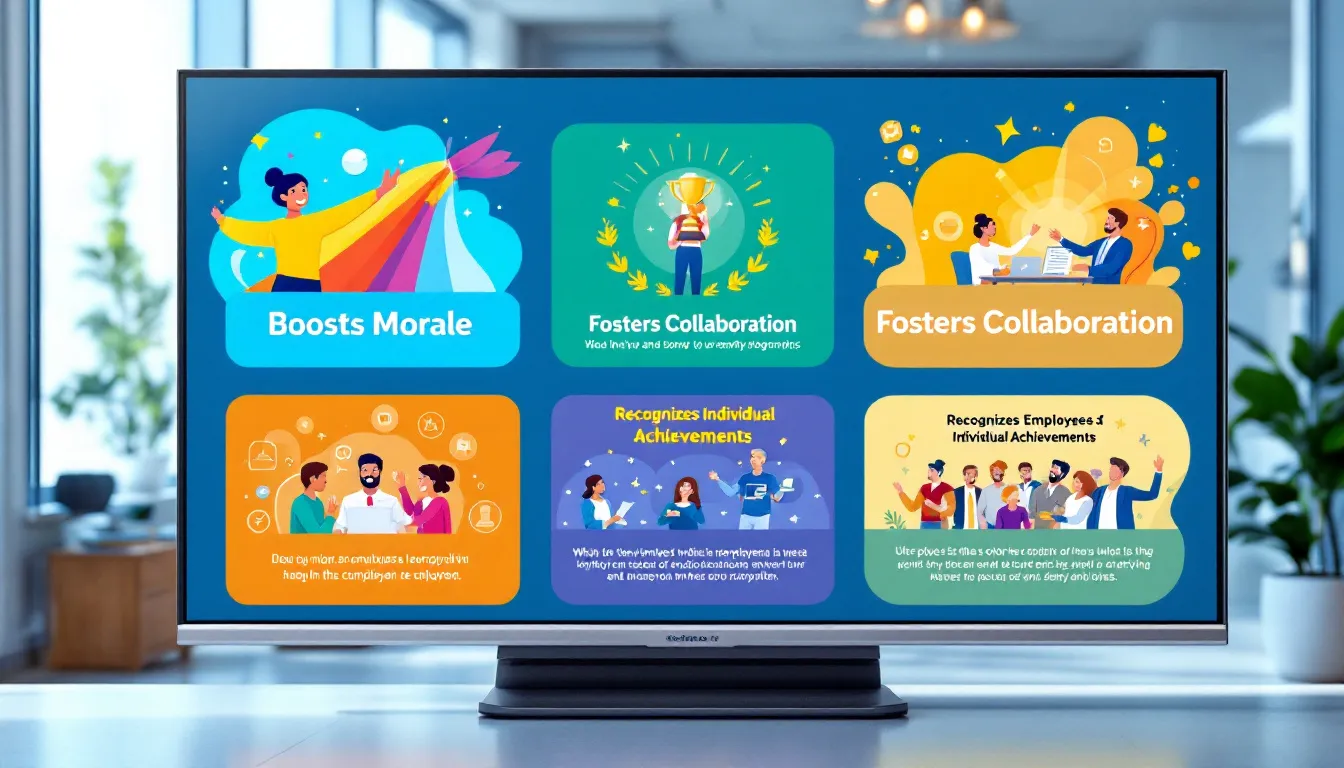
Employee recognition programs improve engagement by showing employees that their contributions are valued. Public acknowledgment through company platforms or social media also fosters a sense of community among team members. Organizations with strong recognition practices, like Hilton, see higher morale and team bonding.
Recognition is critical for retaining top talent. When employees know their work is appreciated, they are more likely to remain committed. Companies with consistent recognition practices can reduce turnover by up to 31 percent. Retaining skilled employees keeps teams stable and saves on hiring and training costs.
Recognition also drives productivity. Employees who feel appreciated are more motivated to maintain high performance. Organizations with recognition programs are more likely to achieve strong business outcomes. Recognition can take many forms, including verbal praise, written notes, social media posts, or tangible rewards, all of which inspire employees to do their best.
Types of Employee Recognition

Recognition can be public or private, depending on what employees prefer. Peer-to-peer recognition allows colleagues to appreciate each other's work, building teamwork and confidence. Manager-to-employee recognition demonstrates that contributions are valued by leadership and motivates employees to perform well.
Structured recognition includes awards or ceremonies acknowledging long-term achievements or exceptional performance. Milestone recognition celebrates work anniversaries or completed projects, while team-oriented recognition rewards collaboration and shared successes. Understanding these types allows organizations to design programs that meet employee needs and create a culture of appreciation.
Creating an Effective Employee Recognition Program

A strong recognition program combines different methods, tailors recognition to employee preferences, and provides opportunities for growth. Leaders play a key role by modeling recognition behaviors consistently. Employee feedback helps refine programs to ensure recognition is meaningful and effective.
Recognition should reflect company values, encouraging behaviors that align with the organization's mission. Timely and specific acknowledgment increases impact, especially when it highlights which behavior or achievement is being celebrated. Recognition should be integrated into daily workflows to make appreciation frequent and natural.
Inclusive practices ensure all employees feel valued. Considering cultural differences and personal preferences helps foster fairness and support, creating a workplace where everyone feels appreciated.
Innovative Ideas for Recognizing Employees
Organizations can enhance recognition programs with creative ideas. Personalized gifts, such as custom plaques or thank-you notes, show employees that their efforts are noticed. Experiential rewards, like team outings or special workshops, provide memorable experiences that go beyond standard gifts. Professional development opportunities, such as funding for courses or certifications, demonstrate the organization's investment in employees' growth.
Technology is another key tool. Platforms with interactive features, points-based reward systems, and workplace chatbots make recognition easy and consistent. Software like Culture Cloud by O.C. Tanner allows managers and peers to provide real-time acknowledgment, while analytics track participation and the behaviors being recognized. This data helps organizations continuously improve recognition programs.
Real-Life Examples of Successful Employee Recognition

Global companies illustrate how recognition programs improve workplace culture. Cisco’s Connected Recognition program dedicates 1 percent of payroll to employee rewards. Unilever celebrates top contributors with its Heroes Award. Zappos integrates appreciation into daily work, boosting morale, engagement, and customer service.
Offsite organizes retreats to celebrate achievements, creating meaningful experiences that strengthen team bonds. These examples show that recognition drives engagement, productivity, and overall organizational success.
Summary of Effective Recognition for Employees
Employee recognition is essential for creating a positive workplace. It increases engagement, reduces turnover, and boosts productivity. Using a mix of recognition methods, aligning programs with company values, and leveraging technology fosters a culture of appreciation that motivates employees. Recognition should be timely, specific, inclusive, and meaningful. When implemented effectively, it transforms the workplace into a supportive, productive environment where employees feel valued and inspired.
FAQs
- What are some types of employee recognition?

Employee recognition can take various forms, including public or private acknowledgments, peer-to-peer recognition, structured programs, milestone celebrations, and team-oriented rewards. Each type plays a vital role in fostering a positive work environment.
- How does employee recognition improve retention rates?
Employee recognition significantly improves retention rates by making employees feel valued and appreciated, fostering loyalty and reducing turnover. This creates a more committed workforce.
- What role does technology play in employee recognition?
Technology plays a crucial role in employee recognition by enabling consistent and personalized acknowledgment through platforms that seamlessly integrate with daily workflows, providing real-time feedback. This helps foster a culture of appreciation and enhances overall employee engagement.
- What are some innovative ideas for recognizing employees?
Recognizing employees through personalized gifts, experiential rewards, and opportunities for professional development can significantly enhance engagement and motivation. Implementing these strategies can create a more positive work environment.
You may also like


Stay Updated with Our Insights
Get exclusive content and valuable updates directly to you.