
Remote Work Burnout: Why Travel Might Actually Be the Solution


Remember when remote work was going to save us all? No more soul-crushing commutes. No more fluorescent-lit cubicles. Just you, your laptop, and the freedom to work from anywhere.
Fast forward to today, and that dream feels more like a cautionary tale. Your star developer hasn't turned her camera on in weeks. Your marketing team communicates exclusively in async Slack messages. Your latest employee engagement survey? Let's just say the results weren't pretty.
Here's the plot twist nobody saw coming: the flexibility that was supposed to prevent burnout is actually fueling it. Your remote teams aren't just tired; they're isolated, disconnected, and operating in emotional silos that no amount of virtual coffee chats can bridge.
But before you dust off those return-to-office mandates, consider this: what if the real solution to remote work burnout isn't more Zoom calls or mandatory desk time? What if it's something far more human—bringing your scattered team together in actual, physical space where real connections can happen?
Key Takeaways
- Remote work burnout stems from isolation and disconnection, not just excessive workload or long hours
- Virtual team building and forced office returns both miss the fundamental problem—humans need physical presence to build genuine trust
- Strategic team travel creates accelerated bonding opportunities that produce months of improved remote collaboration from just a few days together
- The ROI is measurable: better retention, 25% higher team effectiveness, and prevention of turnover costs that range from 50-200% of annual salary
- Organizations that combine remote flexibility with regular in-person gatherings will outperform competitors still fighting the office-versus-remote battle
The Hidden Crisis of Remote Working Burnout

Let's talk about what remote work burnout actually looks like in the wild. It's not your employee dramatically collapsing at their desk. It's far more insidious.
It's your project manager who's online from 7 AM to 9 PM but somehow less productive than ever. It's the team member who used to crack jokes in meetings but now keeps their camera off and responds with thumbs-up emojis. It's the engineer who told you last week that they "just need a mental health day" for the third time this quarter.
Remote working burnout isn't about working too hard—it's about working alone. It's the accumulation of a thousand tiny disconnections: Zoom fatigue that makes your face hurt. The blurred boundaries where your bedroom becomes your office becomes your bedroom again. The absence of those random hallway conversations that used to spark your best ideas and closest work friendships.
The data backs up what you're seeing. Buffer's State of Remote Work report reveals that approximately 23% of remote workers cite loneliness as their biggest struggle, while 15 to 20 percent report challenges with collaboration and communication. Microsoft's Work Trend Index found that 43 percent of remote employees feel disconnected from their company’s mission compared to their in-office counterparts.
Translation? Your people are physically comfortable but emotionally depleted. They're technically connected through screens yet fundamentally disconnected from each other. And that disconnection is a silent killer of engagement, innovation, and retention.
Why Traditional Solutions Fall Short (And Why You Keep Trying Them Anyway)
You've tried everything. Wellness app subscriptions that nobody uses. Mental health days that feel more like Band-Aids on bullet wounds. Virtual happy hours where everyone unmutes to say "great seeing you!" before disappearing back into their caves.
Or maybe you went the other direction and issued a return-to-office mandate, only to watch your best people start polishing their resumes.
Here's why none of it works: virtual team building feels performative because it is performative. Another Zoom trivia night or online escape room doesn't address the core problem—humans are literally wired for physical presence. We read emotional cues through body language. We build trust through casual, unscripted interactions. We form deeper bonds through shared challenges, inside jokes, and the kind of spontaneous moments that never happen in scheduled 30-minute video calls.
Meanwhile, forcing everyone back to the office full-time is like using a sledgehammer to hang a picture frame. Sure, it solves the isolation problem, but it destroys the autonomy and flexibility that remote workers genuinely value. It's a blunt instrument that sacrifices the real benefits of distributed work without solving the underlying disconnection problem.
The question isn't office versus remote. It's this: how do we preserve flexibility while rebuilding the human connections that make work actually meaningful?
How Strategic Team Travel Addresses the Root Cause
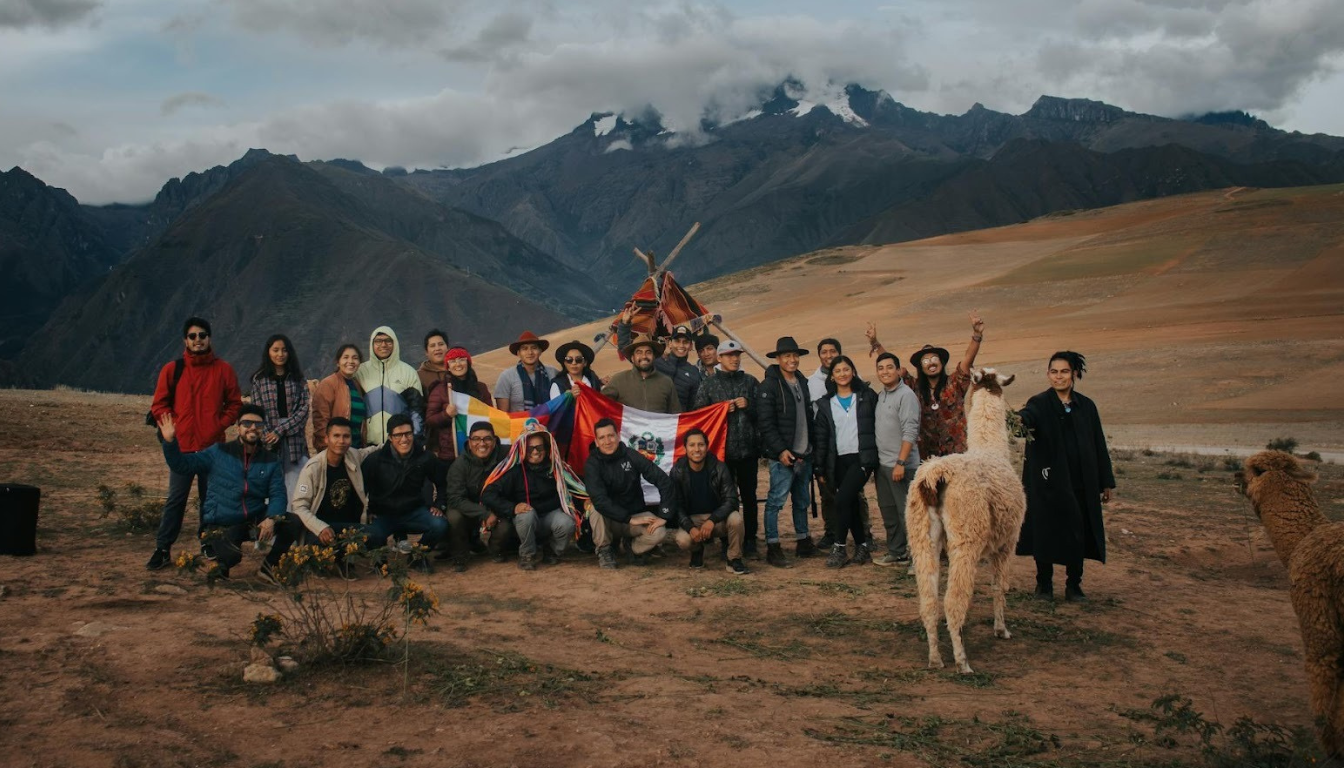
This is where the conversation gets interesting. Not another corporate perk that looks good on LinkedIn. Not a punishment disguised as "mandatory fun." But a genuine strategic intervention that addresses remote work burnout at its source.
Picture this: Your engineering team—scattered across Berlin, San Francisco, and Singapore—finally meets in person for a three-day offsite. Day one is awkward. Everyone's adjusting to the novelty of actual faces instead of tiny video squares. But by day two? They're debugging code side-by-side, grabbing lunch without scheduling a meeting, having the kind of spontaneous problem-solving sessions that used to happen naturally at the office.
By day three, your Berlin engineer is explaining her side project to your San Francisco colleague over coffee. Your Singapore developer is sharing photos of his kids. They're not just coworkers anymore—they're people who genuinely like each other.
Then everyone goes home. And here's what happens next: those three days of connection create three months of goodwill. When conflicts arise in Slack, there's context and empathy instead of misinterpretation. When someone needs help, colleagues volunteer instead of going silent. When your next virtual meeting happens, cameras are on because people actually want to see each other.
You haven't just planned a trip. You've invested in the social infrastructure that makes distributed work sustainable.
Building Psychological Safety Through Shared Experiences
Here's something Harvard Business School figured out that most HR teams already suspect: teams with high psychological safety—where people feel comfortable taking risks, admitting mistakes, and being genuinely themselves—are dramatically more innovative and resilient.
But building that safety remotely? That's like trying to build trust via text message. Technically possible, but painfully slow and prone to misunderstanding.
Team travel creates accelerated bonding opportunities that would take months or years to develop remotely. When your marketing team shares a cooking class in Barcelona, they're not just learning to make paella—they're watching each other struggle with something unfamiliar, laugh at shared mistakes, and succeed together. Those experiences build trust faster than a hundred "icebreaker questions" ever could.
Suddenly, when someone pitches a wild idea in your next brainstorming session, the room (or Zoom) doesn't go silent. People build on it. They challenge it constructively. They're comfortable being creative and vulnerable because they've seen each other as actual humans, not just professional personas in perfectly curated Zoom backgrounds.
Rekindling Purpose and Connection to Fix Remote Burnout
Remote work burnout often stems from a very specific kind of loneliness: feeling disconnected from your company's mission and your colleagues' humanity. Email signatures and profile photos are terrible substitutes for knowing your teammates as actual people with quirks, dreams, and stories.
Strategic offsites provide dedicated time for teams to reconnect with why their work matters and who they're doing it with. When your customer success team spends an afternoon whiteboarding their biggest challenges together—really talking through the frustrations and wins without the pressure of a scheduled 30-minute call—something shifts.
When your product team shares a celebratory dinner after shipping a major feature, and your normally quiet backend developer tells the story of why this particular feature mattered to them, you're not just building camaraderie. You're creating the meaning that sustains people through months of solitary screen time.
These moments become the stories your team tells themselves when remote work feels isolating. "Remember when we all stayed up late fixing that bug together?" becomes a shared touchstone that reminds everyone they're part of something bigger than their individual home offices.
The Science Behind Why This Actually Works
The effectiveness of team travel in combating remote working burnout isn't just feel-good corporate folklore—it's backed by actual neuroscience and organizational psychology.
Here's what happens in your brain during face-to-face conversation that doesn't happen on Zoom: in-person interaction triggers oxytocin release, the bonding hormone that builds trust and reduces stress. Physical proximity creates what researchers call "social presence"—the feeling that you're genuinely with someone, not just observing them through a screen.
Think about it. You can probably recall the feeling of being physically in a room with your team, reading the energy, picking up on subtle cues, building on each other's ideas in real-time. Now compare that to your last video call where you spent half the time wondering if people were actually listening or checking email on their second screen.
The difference isn't just preference—it's biology.
Gallup's research consistently shows that having a best friend at work dramatically increases engagement and reduces burnout. But forming those friendships remotely? Good luck. Team travel creates the conditions where workplace friendships can naturally develop, providing the social support that buffers against burnout.
Your brain knows the difference between a colleague and a friend. And it turns out, having friends at work isn't a nice-to-have—it's a burnout prevention strategy disguised as lunch conversations and inside jokes.
What Effective Team Travel Actually Looks Like

Before you start having flashbacks to awkward trust falls and mandatory team building exercises, let's be crystal clear about what strategic team travel actually means.
Forget the corporate retreat horror stories. No one needs another ropes course or forced karaoke night.
Effective offsites balance structured work time with opportunities for organic connection. Maybe you spend mornings tackling that strategic challenge that's been stuck in email hell for months—except now you can actually whiteboard it together, read each other's reactions, and come to consensus in hours instead of weeks.
Then afternoons? That's when the magic happens. Group hikes where conversations flow naturally. Cooking classes where your CFO discovers your junior developer's terrible chopping skills and somehow this becomes a running joke that makes future Slack threads more human. Or simply exploring a new city together, stumbling into unexpected restaurants, getting lost and finding your way back.
The location matters less than the intentionality. Mountain retreat center, beach resort, vibrant urban hotel—the goal is creating an environment that facilitates both productive work and genuine human connection.
Smart organizations schedule these gatherings quarterly or biannually. That rhythm creates something crucial for teams to look forward to—a break from screen-based isolation and an opportunity to reconnect with the actual people behind the profile pictures and Slack avatars.
The ROI of Preventing Remote Burnout (Because CFOs Love Numbers)
Let's talk about money, because ultimately someone's going to ask whether flying your team to Barcelona is really worth it.
Here's the math: employee turnover costs between 50-200% of an employee's annual salary when you factor in recruitment, training, and lost productivity. If strategic team travel helps you retain even two key employees who might otherwise burn out and leave, it pays for itself. That senior developer who's been quietly interviewing elsewhere? The one who came back from your last offsite saying it was the most connected they'd felt to the team in years? That's your ROI right there.
Beyond retention, consider the productivity multiplier. Teams that actually know and trust each other collaborate more effectively remotely. They communicate more efficiently because they understand each other's communication styles. They resolve conflicts faster because they've seen each other as humans, not just names in a chat window. They innovate more freely because psychological safety isn't an abstract HR concept—it's something they've actually experienced together.
Atlassian research shows that teams who meet in person regularly report higher team effectiveness compared to teams who never met face-to-face. That's not a marginal improvement—it's the difference between a team that's treading water and one that's actually thriving.
Think about the cost of not doing this. The disengaged employees who produce mediocre work. The innovative ideas that never surface because no one feels safe speaking up on Zoom. The slow erosion of culture until everyone's just going through the motions, waiting for the next opportunity to jump ship.
Implementing This in Your Organization (Without the Corporate BS)
If you're convinced that team travel might help fix remote burnout in your organization, here's how to actually make it happen:
Start with honest conversations. Survey your teams about their experience with remote work and what would most help them feel more connected. You might be surprised by how enthusiastic people are about regular in-person gatherings. Or you might discover specific concerns about accessibility, timing, or family obligations that you'll need to address.
Build travel into your annual planning and budget from the start. When team offsites are planned in advance and communicated as a regular part of your culture, they become something employees anticipate rather than logistical nightmares that make everyone panic about their calendars and childcare.
Be intentional about accessibility and inclusion. Consider different time zones when you have global teams. Think about caregiving responsibilities—give people enough notice to arrange coverage. Consider mobility needs when choosing activities and venues. The goal is bringing people together, not creating new forms of exclusion that defeat the entire purpose.
Measure the impact, but don't obsess over it. Track engagement scores, retention rates, and team effectiveness metrics before and after implementing regular offsites. You'll likely see tangible improvements that justify continued investment. But also pay attention to the qualitative signals—are people showing up differently in meetings? Are conflicts resolving faster? Is there more laughter in your Slack channels?
Finally, let go of perfection. Your first offsite won't be perfect. Someone will miss their flight. The weather might not cooperate. The planned activity might flop. None of that matters. What matters is that your team is together, in person, building the connections that make remote work sustainable.
The Future of Sustainable Remote Work

Remote work isn't going anywhere, and honestly? It shouldn't.
The flexibility and autonomy it provides are genuinely valuable for employee wellbeing and work-life balance. The ability to skip soul-crushing commutes and work from wherever actually makes you productive—these aren't small things.
But remote work without regular in-person connection isn't sustainable. At least not without significant costs to engagement, culture, and individual wellbeing that eventually catch up to you in turnover numbers and declining performance.
The organizations that thrive in this new era won't be the ones that force everyone back to the office out of nostalgia for "how things used to be." And they won't be the ones that remain fully distributed without ever meeting, pretending that Zoom and Slack are adequate substitutes for actual human interaction.
They'll be the organizations that strategically combine the best of both worlds: the flexibility of remote work with the irreplaceable human connection that comes from bringing teams together regularly.
Travel isn't just a nice perk for remote teams—it's an essential investment in the relationships and trust that make distributed work actually work. When you're planning your next quarter's priorities, the question isn't whether you can afford to bring your team together. It's whether you can afford not to.
Your employees aren't asking for much. They're asking to feel connected to their work and to each other. To remember why they chose to work for your company in the first place. To be seen as whole people, not just names in a Zoom grid.
Strategic team travel might just be the missing piece in your approach to preventing and addressing remote work burnout. The real question is: what are you waiting for?
Summary
Remote work burnout stems from isolation, not workload. Virtual happy hours and office mandates both miss the fundamental problem—your distributed teams need genuine human connection to build trust, psychological safety, and the camaraderie that prevents burnout. Strategic team travel addresses this at the root by bringing teams together for intentional offsites that balance productive collaboration with meaningful relationship-building.
The logistics don't have to be overwhelming. Platforms like Offsite specialize in helping organizations plan team gatherings that actually work—taking the complexity out of coordinating travel, venues, and experiences for distributed teams. The investment pays for itself through improved retention, productivity, and team effectiveness, while reminding your people why they care about their work and each other.
FAQs
- How often should remote teams meet in person to prevent burnout?

Most successful organizations land quarterly or biannually. Quarterly works well for smaller teams or those working on fast-moving projects where relationships need constant reinforcement. Twice-yearly meetups often suffice for more established teams or larger organizations where the budget is tighter. The secret isn't the exact frequency—it's consistency. Your team needs regular touchpoints they can anticipate and count on, not sporadic gatherings whenever the budget allows or someone remembers it's been a while.
- What's the difference between a team offsite and a company retreat?
Team offsites typically focus on specific teams or departments meeting for 2-4 days of collaborative work and relationship building. Think your product team gathering to plan the next quarter or your customer success team workshopping their biggest challenges together. Company retreats involve the entire organization and may last 3-5 days. Both address remote work burnout, but offsites allow for deeper, more focused team bonding while retreats build broader organizational culture. If you're just starting, team offsites are usually more impactful and affordable.
- How do you measure whether team travel is actually reducing remote working burnout?
Track the numbers: employee engagement scores, retention rates, and internal collaboration metrics before and after implementing regular offsites. Survey teams specifically about feelings of connection, loneliness, and work satisfaction—the actual symptoms of remote work burnout. Many organizations also track voluntary turnover rates and time-to-productivity for remote collaboration. But don't ignore the qualitative signals. Are people showing up differently in meetings? Is there more laughter in your Slack channels? Are conflicts resolving faster? Sometimes the best measurement is simply asking your team if they feel more connected.
- What if budget constraints make frequent team travel impossible?
Start smaller. Try regional meetups where clusters of employees can gather more frequently. Run single-team pilot programs to prove the concept before rolling it out company-wide. Even annual gatherings are infinitely better than never meeting at all. Consider hybrid approaches where local groups meet quarterly while the full distributed team gathers once or twice a year. The investment typically proves worthwhile given that replacing a single employee costs 50-200% of their annual salary. Even preventing one key departure pays for a lot of flights and hotel rooms.
You may also like



Stay Updated with Our Insights
Get exclusive content and valuable updates directly to you.