
Revenue Kickoff (RKO): Why Companies Are Replacing the SKO


A revenue kickoff (RKO) is an annual kickoff event that brings every revenue-facing team — sales, marketing, customer success, and revenue operations — together to start the year on one plan. It takes the familiar sales kickoff format and widens the room to everyone who touches the customer, from first click to renewal.
If you’re new to kickoffs, start with our explainer on what an SKO is, or our sales kickoff planning guide for the full event playbook. This guide focuses on the shift itself: what changes in an RKO, who should attend, and how to decide whether to make the switch.
Key Takeaways
- An RKO is a sales kickoff expanded to the whole go-to-market team, not just account executives.
- The main differences are who’s in the room, what the goals are, and how the agenda is built.
- Companies switch because revenue now depends on handoffs between teams and on retention, not just new deals.
- An RKO is usually larger than the SKO it replaces, so total cost rises even when per-person cost doesn’t.
- A sales-only kickoff still makes sense for smaller teams with a simple sales motion.
What Is a Revenue Kickoff? (RKO Meaning)
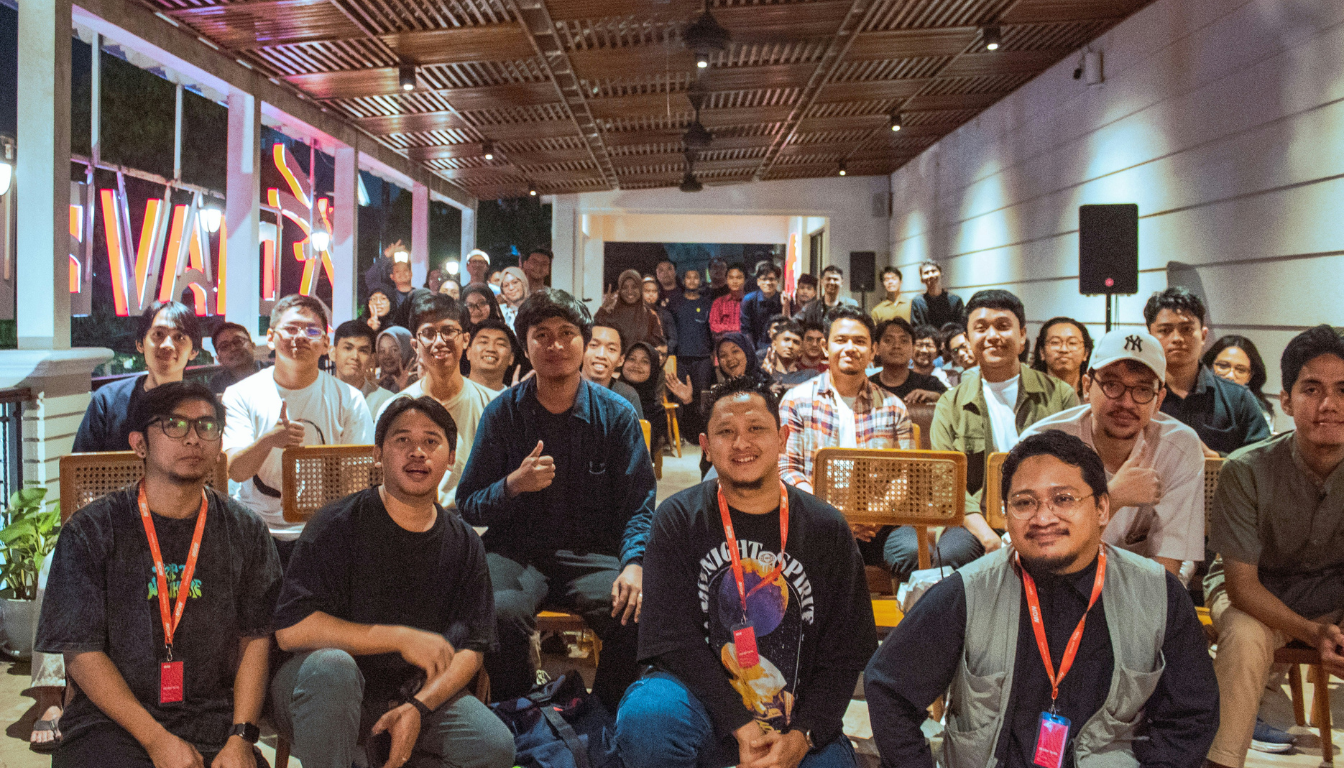
RKO stands for revenue kickoff. It’s the annual or semi-annual event where the full revenue organization aligns on goals, messaging, and plans for the year ahead. The same idea also goes by other names: some companies call it a go-to-market kickoff (GTM kickoff or GKO), and when the whole company attends, it becomes a company kickoff (CKO).
The naming has shifted as kickoffs have grown from sales-only events to revenue-team and even company-wide events, as noted in Forbes. For a company-wide format, see Offsite’s all-hands meeting planning.
Revenue Kickoff vs. Sales Kickoff: Key Differences
A revenue kickoff and a sales kickoff share the same format: general sessions, breakouts, training, and recognition. What changes is the scope:
- Audience: An SKO centers on sales reps, managers, and sales engineers. An RKO adds marketing, customer success, account management, RevOps, enablement, and often partnerships.
- Goals: An SKO focuses on new bookings and quota. An RKO covers the full revenue cycle, including pipeline generation, expansion, and retention.
- Content: SKO content is mostly sales skills and product updates. RKO content adds shared customer and ICP sessions, cross-team handoff workshops, and function-specific tracks.
- Metrics: SKO success is measured in quota attainment and new pipeline. RKO success also includes net revenue retention, conversion between stages, and time-to-value for customers.
- Ownership: An SKO is usually run by sales leadership and enablement. An RKO is co-owned by the CRO, CMO, and the head of customer success.
- Size: An RKO is larger than the SKO it replaces, often by a meaningful margin, because whole departments join.
Why Companies Are Replacing the SKO With a Revenue Kickoff
Companies are replacing the SKO with a revenue kickoff because revenue now depends on more than one team. Revenue consultancy Winning by Design argues that kickoffs should include the entire revenue team, not just sales, according to its piece on rethinking the SKO. The main drivers:
- RevOps changed the org chart. Many companies now run sales, marketing, and customer success under one revenue leader with shared targets. A sales-only kickoff no longer matches how the business is managed.
- Retention and expansion matter more. For subscription businesses, a large share of revenue comes from existing customers. Customer success needs the same strategy, messaging, and energy as sales.
- Handoffs are where deals get lost. Leads stall between marketing and sales, and customers stall between sales and onboarding. Putting those teams in the same room is the fastest way to fix the seams.
- One message beats three. Separate sales, marketing, and CS kickoffs often deliver slightly different stories. One RKO gives every customer-facing team the same narrative.
- Fewer events, more focus. One combined kickoff can replace several smaller department events, which simplifies planning and travel.
Who Should Attend an RKO?
An RKO should include everyone who influences how customers find you, buy from you, and stay with you:
- Sales: account executives, SDRs/BDRs, sales managers, and sales engineers.
- Marketing: demand generation, product marketing, and field or event marketing.
- Customer success and account management, including onboarding and renewals teams.
- Revenue operations and enablement.
- Partnerships and channel teams, if they drive a meaningful share of revenue.
- Executive leadership, plus product leaders for roadmap sessions.
- Support and professional services leaders are often invited too, even if their full teams aren’t.
How an RKO Agenda Differs
An RKO agenda mixes sessions for everyone with sessions for each function. The basic shape is the same as a standard SKO agenda, with a few changes:
- Shared general sessions: company strategy, ICP and customer insights, a customer story, and the year’s revenue plan.
- Cross-functional workshops: handoff mapping between marketing, sales, and CS; joint account planning for top customers; and shared messaging practice.
- Function-specific tracks: sales skills for reps, campaign planning for marketing, renewal and expansion playbooks for CS.
- Shared recognition: awards for marketing, CS, and RevOps alongside sales awards, so every team sees its impact on revenue.
A single theme helps tie it all together. Our sales kickoff themes work just as well for an RKO.
Is a Revenue Kickoff Right for Your Company?

An RKO is the right fit when your revenue depends on several teams working closely together. Signs you’re ready:
- Sales, marketing, and CS report to one revenue leader or share targets.
- Renewals and expansion are a large part of your revenue.
- You already invite marketing or CS to your SKO — you may be running an RKO under a different name.
- Handoffs between teams are a recurring problem.
A sales-only kickoff can still be the better choice if your sales team is small, your sales motion is simple, or your teams don’t yet work from shared goals. Some companies run both: a short sales-only session for skills and quota, inside a larger revenue kickoff.
How to Make the Switch From an SKO to an RKO
Moving from an SKO to an RKO is mostly a planning change, not a new event. Start with these steps:
- Get co-owners. Bring in the CMO and head of customer success as co-owners from the start, not as guest speakers.
- Re-count your headcount. Adding whole departments changes your room block, meeting space, and breakout count. Our guide to sales kickoff venues covers sizing by group.
- Re-budget. Per-person costs stay about the same, typically $2,000–$4,000+ per person including travel, but more attendees means a larger total. See our sales kickoff cost breakdown for the line items.
- Rebuild the agenda. Start from shared revenue goals, then add function tracks. Don’t just append a marketing session to the old SKO agenda.
- Rename and explain it. Tell attendees why it’s an RKO now, so non-sales teams know they belong in the room.
- Start early. A bigger event needs more lead time. Our sales kickoff checklist lays out a six-month timeline that works for RKOs too.
Plan Your RKO with Offsite
Offsite plans sales kickoffs, GTM kickoffs, and RKOs for teams of every size, managing venues, travel, vendors, and on-site logistics at a flat per-person rate with no hidden costs. With 1,000+ curated venues worldwide, teams typically save up to 50% on venue costs, and contracts can be secured in as little as a week.
Start planning your revenue kickoff with Offsite →
Summary
A revenue kickoff is a sales kickoff expanded to every revenue-facing team. It changes who attends, what the goals are, and how the agenda is built, so the whole go-to-market team leaves with one plan. If your revenue depends on handoffs and retention as much as new deals, an RKO is likely the better format. Re-count headcount, re-budget, and co-own the agenda across sales, marketing, and customer success.
FAQs
- What is the RKO meaning in sales?

RKO stands for revenue kickoff. It’s an annual kickoff that brings sales, marketing, customer success, and RevOps together to align on goals and plans for the year.
- What is the difference between a revenue kickoff and a sales kickoff?
A sales kickoff focuses on sales teams and new bookings. An RKO includes every revenue-facing team and covers the full customer lifecycle, including retention and expansion.
- Who should attend a revenue kickoff?
Sales, marketing, customer success, account management, RevOps, enablement, and partnerships, plus executive and product leaders for strategy and roadmap sessions.
- Is a revenue kickoff more expensive than an SKO?
The per-person cost is about the same — typically $2,000–$4,000+ per person including travel — but the total is higher because more people attend.
You may also like



Stay Updated with Our Insights
Get exclusive content and valuable updates directly to you.