
The Ultimate Guide to Effective Team Building Activities & Events


Team building is one of the most searched and most misunderstood topics in HR and People Ops. Search for 'team building activities' and you'll find hundreds of lists — but almost none that tell you which activities work for which team size, how to measure whether they worked, or how to decide between an in-person retreat and a virtual session.
This guide is the resource that actually answers those questions. It covers 27 team building activities across every format, a decision framework for choosing the right approach for your situation, team building by company size, and a practical methodology for measuring ROI. Whether you're planning your first team offsite or looking to build a repeatable team building program, this is where to start.
Key Takeaways
Team building activities are essential for enhancing communication, productivity, and workplace culture — but the format matters as much as the activity itself.
- Effective team building fosters stronger relationships, improves communication skills, and boosts employee morale across teams of every size.
- The right activity depends on your team size, goals, and format (in-person, remote, or hybrid) — a decision framework for choosing is in the section below.
- Team building ROI is measurable: engagement scores, retention rates, and post-event survey data give you the numbers to justify continued investment.
- Careful planning, alignment with company goals, and utilizing professional event coordinators are crucial for successful and impactful team building events.
- Team building by company size looks different: a 15-person startup needs different activities and budget benchmarks than a 500-person enterprise.
The Importance of Team Building for Corporate Success

Understanding why team building matters goes beyond fun diversions — these activities are essential tools for enhancing teamwork, communication, and productivity within a company. When team members engage in these activities, they improve their communication skills and foster a positive workplace culture, ultimately leading to increased productivity and innovation.
Team building also encourages idea sharing and cooperation, which can significantly enhance overall team performance. Making team building a regular part of your corporate routine can lead to higher employee satisfaction and happiness — key benefits that directly contribute to productivity. Effective communication and collaboration among team members are crucial for the success of any organization, and team building activities are a proven way to achieve these goals.
Fostering Stronger Relationships Among Team Members
Team building activities primarily aim to build camaraderie and personal relationships among team members. Engaging in collaborative tasks allows team members to build trust based on their interactions and mutual reliance. Activities like 'A Penny for Your Thoughts' and 'Guess Who' can help team members build personal connections and foster trust. These initiatives enhance trust and camaraderie, ultimately leading to better teamwork and collaboration.
Enhancing Communication Skills
Effective communication is a key aspect of successful teamwork, enhancing overall productivity and collaboration. Team building activities promote communication by requiring collaboration and providing opportunities for team members to engage with one another. Activities such as the Escape Room Challenge and the Supply Chain Challenge effectively enhance communication and problem-solving skills among participants.
Boosting Employee Morale and Engagement
Participating in enjoyable team building activities can lead to increased motivation and job satisfaction among employees. When team members feel connected and engaged, they are more likely to be productive and committed to their work. Team building activities designed with inclusivity in mind can help foster a sense of belonging among team members from various backgrounds, ensuring all voices are heard and valued.
27 Team Building Activities: The Complete List
Every activity below includes format (in-person, virtual, or hybrid), recommended group size, approximate time, and why it works. Use the table to find activities that fit your team's situation — not just your industry's default choice.
How to Choose the Right Team Building Format

The most common team building mistake isn't choosing a bad activity — it's choosing the wrong format for the situation. An in-person retreat when half the team is remote produces resentment, not connection. A virtual game show for a team that rarely meets in person misses the irreplaceable value of physical presence.
Use the table below to match your situation to the right format before choosing a specific activity.
Team Building by Company Size
Team building doesn't scale linearly. An activity that works brilliantly for 12 people can feel chaotic for 120 and invisible for 1,200. Company size affects not just which activities to choose, but how much to budget, how to structure the event, and what outcomes to realistically expect.

Measuring Team Building ROI
Team building without measurement is a budget line that gets cut. The teams that maintain and grow their team building programs are the ones that can show results in terms of finance and leadership. Measurement doesn't have to be complex — but it has to exist.
What to Measure
Five metrics give you a defensible picture of team building ROI:
The Before/After Survey Framework
The simplest measurement system that works: run a 5-question survey one week before the event and the same survey 48 hours after. Ask: (1) team connection score 1–10, (2) communication quality score 1–10, (3) clarity on team priorities 1–10, (4) one word to describe team dynamics right now, (5) one thing you'd change about how the team works.
The gap between pre and post is your outcome. The 30-day follow-up survey using the same questions is your sustainability check. A well-run event should show 1.5–3 point improvement immediately; teams that sustain that improvement at 30 days have done something more than run an activity — they've built a habit.
Building the ROI Case for Leadership
Frame team building ROI in the language finance uses: cost-per-outcome. If a $15,000 team event produces a 1.5-point cohesion improvement, 12% attrition reduction across 30 people (at an average replacement cost of $25,000 per employee), and three strategic decisions with named owners — the ROI case is straightforward. You don't need a sophisticated model. You need a number that's defensible and a narrative that connects the investment to outcomes leadership cares about.
Organizing Successful In-Person Team Building Events
Follow a structured planning process for organizing successful team building activities:
- Consider team dynamics, preferences, and physical abilities when choosing team building activities.
- Ensure in-person team building activities foster genuine connections and teamwork — not just participation.
- Choose activities that are enjoyable and accessible for all participants.
Managing your budget wisely can significantly enhance the impact of team building events. Allocating resources efficiently and establishing a detailed budget ensures that all necessary resources are available without overspending.
Choosing the Right Venue
Selecting a venue that matches the event's goals and budget is crucial for a successful team building experience. Suitable venues for in-person team building activities include resorts, hotels, conference centers, client offices, city centers, private event spaces, restaurants, and theme parks. Event coordinators can help in identifying suitable venues and managing logistics effectively.
Engaging Activities for Large Groups
Activities must be designed to ensure full participation from all members in larger teams. Engaging activities designed for the entire group are essential to foster inclusivity and effective collaboration. Examples include scavenger hunts, escape rooms, indoor team building activities, and interactive game shows that can accommodate large groups. See the 27-activity table above for group size guidance on each format.
Incorporating Professional Development
Integrating skill-building workshops into team building events can enhance team dynamics and individual growth. These workshops can cover a range of topics from communication skills to leadership training, ensuring that the team building activities are not only fun but also beneficial for professional development. The most effective workshops connect directly to a skill gap the team has identified — not just a generally useful topic.
Virtual Team Building for Remote Teams
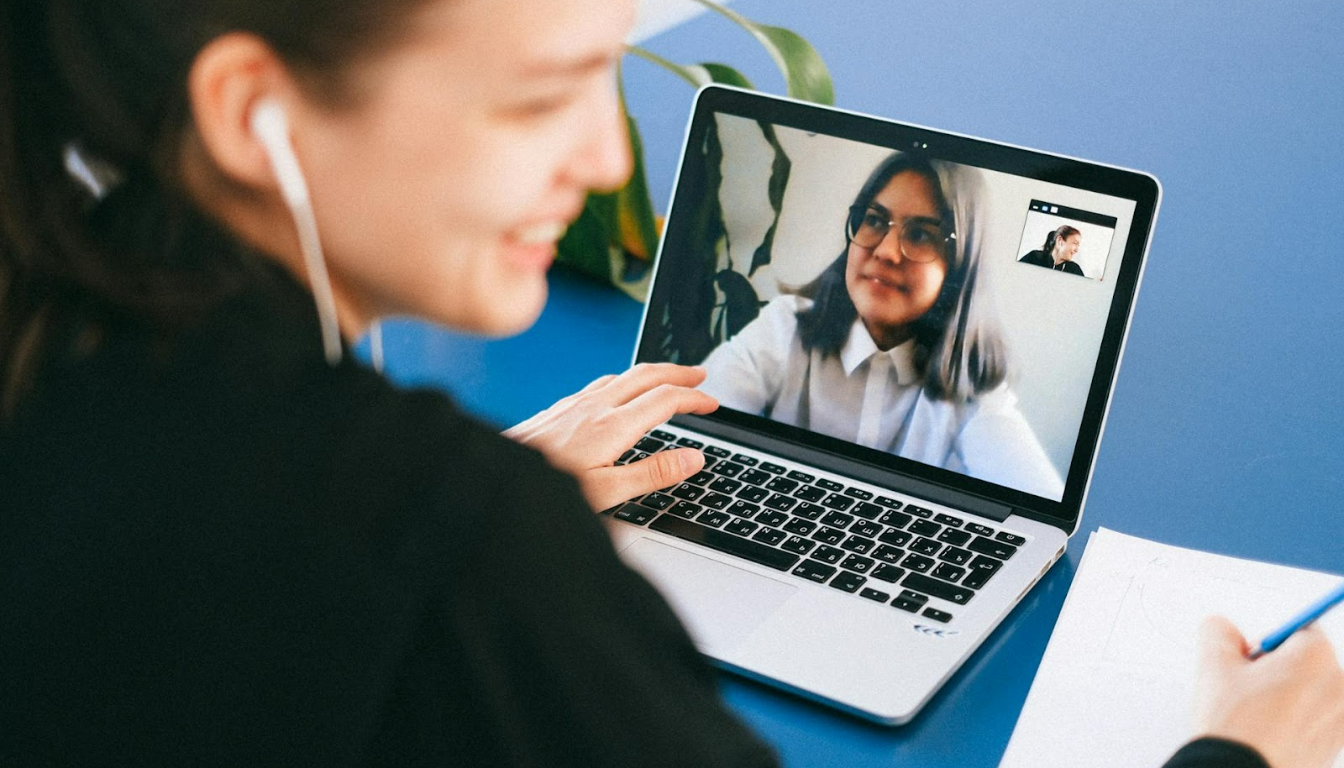
Planning service for virtual team building events is essential for fostering team cohesion in a remote setting. Virtual team building programs help bridge the gap caused by a lack of face time among team members. See activities 23–27 in the table above for specific virtual formats with group size and time guidance.
Virtual team building is genuinely effective for maintaining existing relationships and running regular connection rituals. It is not sufficient for building new relationships from scratch, repairing trust, or navigating significant team transitions. For those goals, in-person investment is worth the cost — even for fully distributed teams.
Interactive Online Games
Online games can enhance teamwork and camaraderie, making them essential tools for remote team building. Popular online games for team building include 'Among Us,' 'Jackbox Party Packs,' and 'Kahoot!'. These games require collaboration, problem-solving, and communication, which actively engage team members. See activity #27 in the table above for group size recommendations.
Virtual Workshops and Webinars
Virtual workshops provide an opportunity for teams to develop new skills and knowledge without geographical limitations. Hosting virtual events can enhance team skills by providing access to expert knowledge and fostering interactive learning environments. Effective webinars require clear communication, engaging content, and reliable technology to ensure a productive learning experience.
Maintaining Team Connection
Remote teams often struggle with feelings of isolation and disconnection, leading to decreased morale and productivity. Interactive online games can serve as effective tools for remote teams to foster engagement and teamwork. Hosting virtual workshops and webinars enhances skills and knowledge, making regular interactions beneficial for team motivation. A good model: monthly virtual activities for connection maintenance, quarterly in-person events for deeper relationship-building.
Customizing Team Building Activities to Fit Your Company Culture
Personalizing team building activities enhances alignment with the organization's core values and mission. Tailoring team building initiatives can help reinforce a company's core values and enhance employee engagement.
Aligning Activities With Company Goals
Effective planning includes tailoring activities to meet the specific needs and dynamics of the team. Aligning team building activities with company plans is crucial for maximizing their impact and effectiveness. When team building activities are well-aligned with organizational goals, they foster a stronger company culture and achieve desired outcomes.
Encouraging Inclusivity and Diversity
Inclusive team building activities ensure that all employees feel valued and respected, which can enhance overall team performance. When team activities are designed with inclusivity in mind, they cater to various backgrounds, fostering an environment of equality. Diverse perspectives in team building can lead to more innovative solutions, as individuals with different backgrounds contribute unique ideas.
Measuring Impact and Feedback
Clear objectives help in measuring the success of team building activities. Key aspects to consider include setting benchmarks for evaluation to understand the impact on team dynamics and productivity, gathering feedback from participants to gain insights into the effectiveness of the activities, and identifying areas for improvement based on the feedback received.
Measuring the success of team building initiatives allows you to make data-driven decisions for future events. Regularly collecting and analyzing feedback helps in tailoring activities to better meet the needs of your team. See the ROI measurement section above for specific metrics and a before/after survey framework.
Expert Tips for Effective Team Building Planning
Engaging team building activities — from everyday exercises to structured staff retreat activities — often include play-based elements designed to create a fun and interactive environment. It is important to prioritize making the event enjoyable for colleagues, fostering a more cooperative atmosphere. Careful planning and attention to logistics can prevent challenges related to time and resource management during team building events.
Setting Clear Objectives
Defining clear goals helps ensure that team building activities are focused and effective. Effective team building requires thorough preparation to align activities with team dynamics. Setting clear objectives allows you to focus on outcomes like improving communication skills, fostering teamwork, or enhancing problem-solving abilities. Clear objectives provide a roadmap for both the planning process and the execution of the activities. They also give you the measurement baseline you need to demonstrate ROI afterward.
Budgeting and Resource Allocation
Budgeting is crucial for maximizing the impact and effectiveness of team building events. Consider the cost of services like 'The Go Game' depending on the number of participants and the chosen games. When scheduling team building activities, consider the busy calendars of participants, the availability of key stakeholders, and potential time outside normal hours. See the company size table above for budget benchmarks by organization size.
Leveraging Professional Event Coordinators
Professional event planners and coordinators can help streamline the planning process and improve execution. They ensure seamless execution by managing all details and logistics, which allows teams to focus on collaboration and interaction during the event. Approximately 7,500 companies have utilized the services of event coordinators, showcasing their trusted reputation. Leveraging professional event coordinators not only alleviates stress but also enhances the overall experience for teams, making the team building activities more effective and enjoyable during a work event.
Summary
Team building activities are crucial for fostering stronger relationships, enhancing communication skills, and boosting employee morale and engagement. Whether through in-person events or virtual activities, these initiatives play a vital role in shaping a positive company culture and driving corporate success.
This guide covers the full picture: 27 activities across every format and group size, a decision framework for choosing the right format for your situation, team building by company size with budget benchmarks, and a practical ROI measurement methodology. By customizing activities to fit your company culture, aligning them with company goals, and incorporating inclusivity and diversity, you can create a more cohesive and motivated team.
Effective planning, budgeting, and leveraging professional event coordinators are key to the success of your team building events. Remember, the ultimate goal is to create meaningful connections and foster a collaborative environment where every team member feels valued and engaged. Invest in team building — and measure it — and watch your company's performance reach new heights.
FAQs
- What are some popular team building activities?

Popular team building activities span every format: escape rooms, scavenger hunts, cooking classes, improv workshops, and virtual trivia for remote teams. The best choice depends on your team size, format (in-person, virtual, or hybrid), and goal. See the 27-activity table above for a full list with group size, time, and why-it-works notes for each.
- How can team building activities enhance communication skills?
Team building activities improve communication by creating low-stakes environments where people practice collaboration, active listening, and giving feedback. Activities like escape rooms and supply chain challenges require teams to communicate clearly under time pressure, which reveals and improves communication patterns. Improv workshops specifically target active listening and adaptability — two of the most underdeveloped communication skills in corporate settings.
- How do I choose between in-person, virtual, and hybrid team building?
The right format depends on your team's situation, not just your preference. Remote teams benefit most from virtual activities designed specifically for distributed groups. Teams with a relationship-building goal — especially new teams or teams after a difficult period — need in-person investment that virtual activities can't replace. Hybrid teams should design activities virtual-first so remote participants have equal engagement. See the format decision table in this guide for a full situation-to-format mapping.
- How do I measure team building ROI?
Run a 5-question survey one week before and 48 hours after the event, measuring team connection, communication quality, and clarity on priorities. The gap between pre and post is your immediate outcome; a 30-day follow-up survey shows whether the improvement held. Pair this with retention data and engagement score movement to build the cost-per-outcome case that finance and leadership respond to. See the ROI section above for a full metrics framework and survey template.
You may also like


Stay Updated with Our Insights
Get exclusive content and valuable updates directly to you.