
Venue Sourcing: Essential Tips for Decisions That Make or Break Events

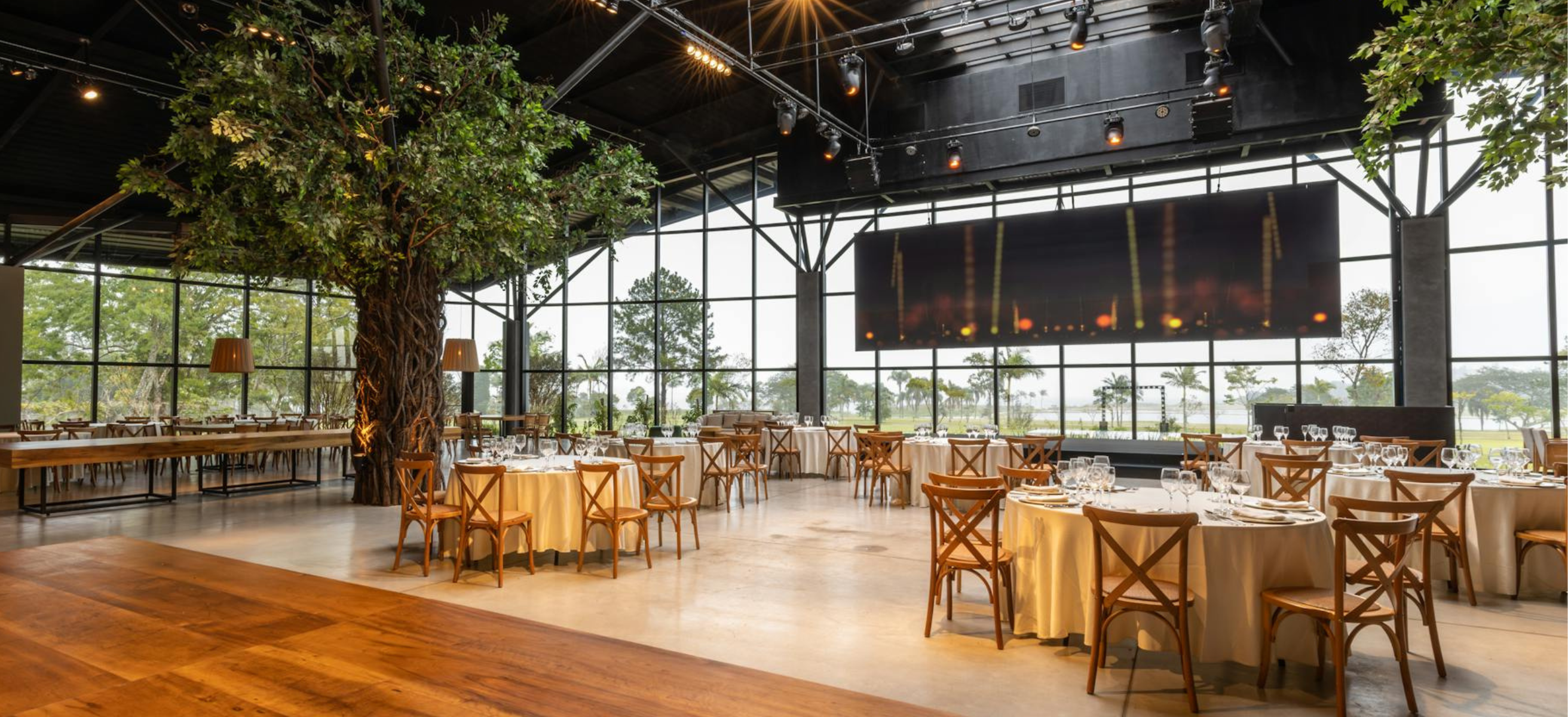
The venue you choose does more than provide a location—it fundamentally shapes whether your event succeeds or becomes a cautionary tale. Poor venue sourcing creates cascading failures: attendees struggling with logistics, presenters fighting inadequate technology, budgets exploding from hidden fees, and teams scrambling to salvage experiences that never should have been compromised. Meanwhile, strategic venue sourcing sets everything else up for success, creating the foundation where great events naturally unfold.
Most event planners underestimate how profoundly venue selection impacts outcomes. They treat event venue sourcing as a box to check rather than the strategic decision it actually is. This critical process deserves serious time investment because the ripple effects of getting it right—or wrong—touch every aspect of your event from attendee satisfaction to final costs to your professional reputation.
This guide explores why this decision matters so much, how to approach key decision points strategically, and what separates great venue selection from rushed compromises that haunt you later.
Key Takeaways
- Venue selection impacts every downstream decision including budget, attendee experience, programming options, and logistical complexity
- Rushing the sourcing process costs more in money and attendee dissatisfaction than the time investment required for thorough evaluation
- Key decision points require balancing trade-offs between budget vs. experience, location vs. cost, flexibility vs. control, and size vs. atmosphere
- Red flags during sourcing predict operational nightmares—recognize warning signs before signing contracts
- Strategic venue sourcing takes six to nine months for major events but pays dividends through smoother execution and better outcomes
Why Venue Selection Is Your Highest-Impact Decision
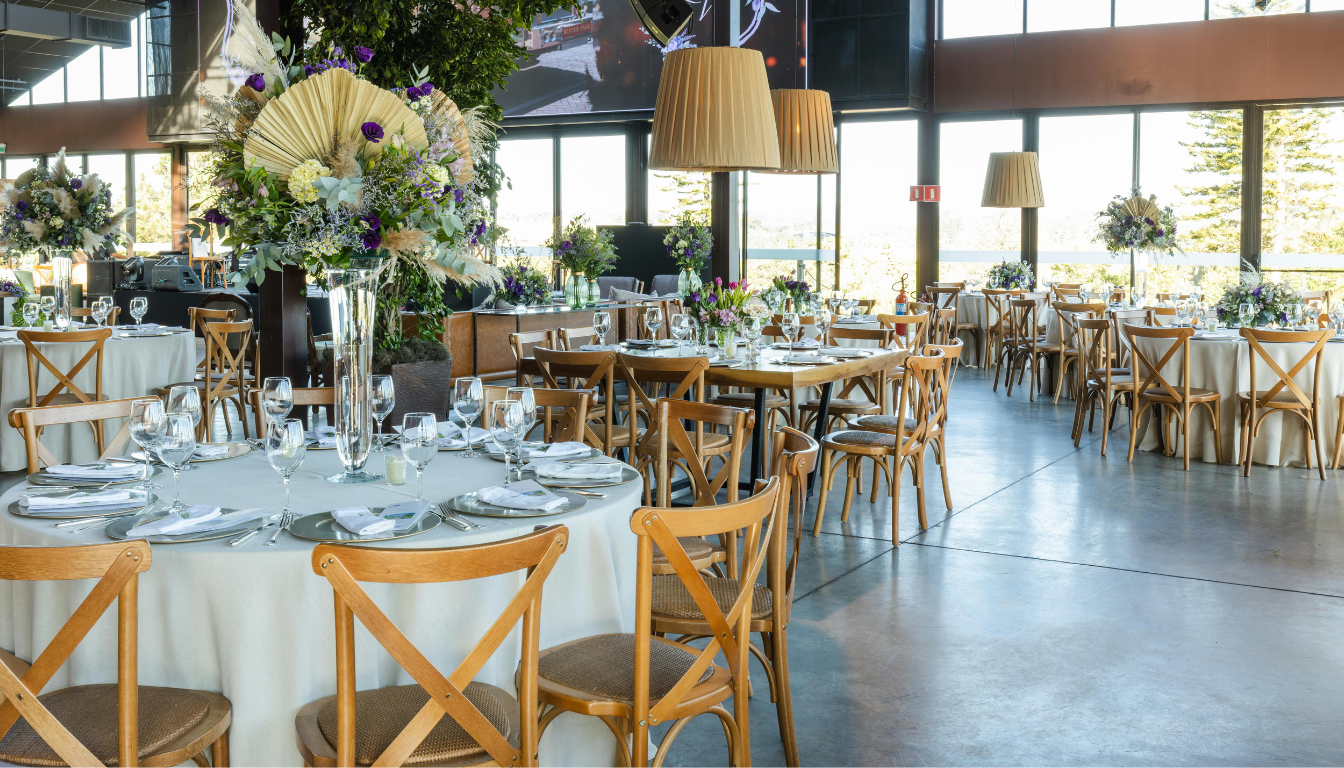
Every choice you make after selecting your venue flows from that initial decision. The space determines your budget parameters, dictates what programming is physically possible, shapes attendee first impressions, and creates either operational ease or constant firefighting during execution.
Budget Cascades from Venue Choice
Venues drive 40 to 60 percent of total event budgets directly through rental fees, food and beverage minimums, and required services. But indirect costs matter even more. Venues lacking basic AV infrastructure force expensive equipment rentals. Spaces without adequate parking require shuttle services. Locations far from airports increase travel costs for attendees. Poor climate control necessitates supplemental heating or cooling. Each limitation compounds, turning "affordable" venues into budget disasters.
The relationship works inversely too. Investing in venues with comprehensive infrastructure often reduces total costs despite higher base rates. Included AV equipment, professional on-site coordinators, flexible setup options, and reliable technology eliminate expenses that cheaper venues require you to source separately.
Attendee Experience Starts with Arrival
Your venue creates attendees' first and last impressions. Confusing entrances frustrate people before programming begins. Inadequate parking or poor transit access creates stress. Cramped, uncomfortable spaces diminish engagement regardless of content quality. Unreliable Wi-Fi disrupts participation in increasingly connected events. Poor acoustics make presentations difficult to follow. Inadequate climate control distracts from everything else.
Great venues do the opposite—they enhance experiences almost invisibly. Intuitive layouts guide people naturally. Comfortable spaces encourage lingering and networking. Reliable infrastructure fades into the background, letting programming shine. Memorable settings create photo opportunities that extend your event's reach through social sharing.
Programming Possibilities Live Within Venue Constraints
The space you select determines what's actually possible during your event. Theater-style rooms limit interaction. Ballrooms with low ceilings constrain staging and lighting. Spaces lacking breakout areas prevent small group discussions. Venues without outdoor access eliminate fresh air breaks. Inflexible furniture arrangements restrict programming creativity.
These constraints aren't theoretical—they force real compromises. You'll cut sessions that don't fit, eliminate activities requiring space you don't have, and accept suboptimal experiences because the venue can't accommodate your vision. Spending adequate time on corporate venue selection means selecting spaces that enable rather than constrain your programming goals.
Operational Complexity Multiplies from Poor Choices
Some venues make execution smooth through thoughtful design, experienced staff, and operational excellence. Others create constant challenges requiring workarounds, additional resources, and crisis management. The difference becomes apparent only during events, when it's too late to change course.
Venues with inadequate loading docks force multiple trips hauling equipment through attendee spaces. Kitchens far from dining areas result in cold food and slow service. Insufficient restrooms create lines disrupting schedules. Single entry points cause bottlenecks. Inexperienced staff require hand-holding instead of partnership. Each operational friction point consumes time and energy you should spend on attendee experience.
The True Cost of Rushing Venue Sourcing
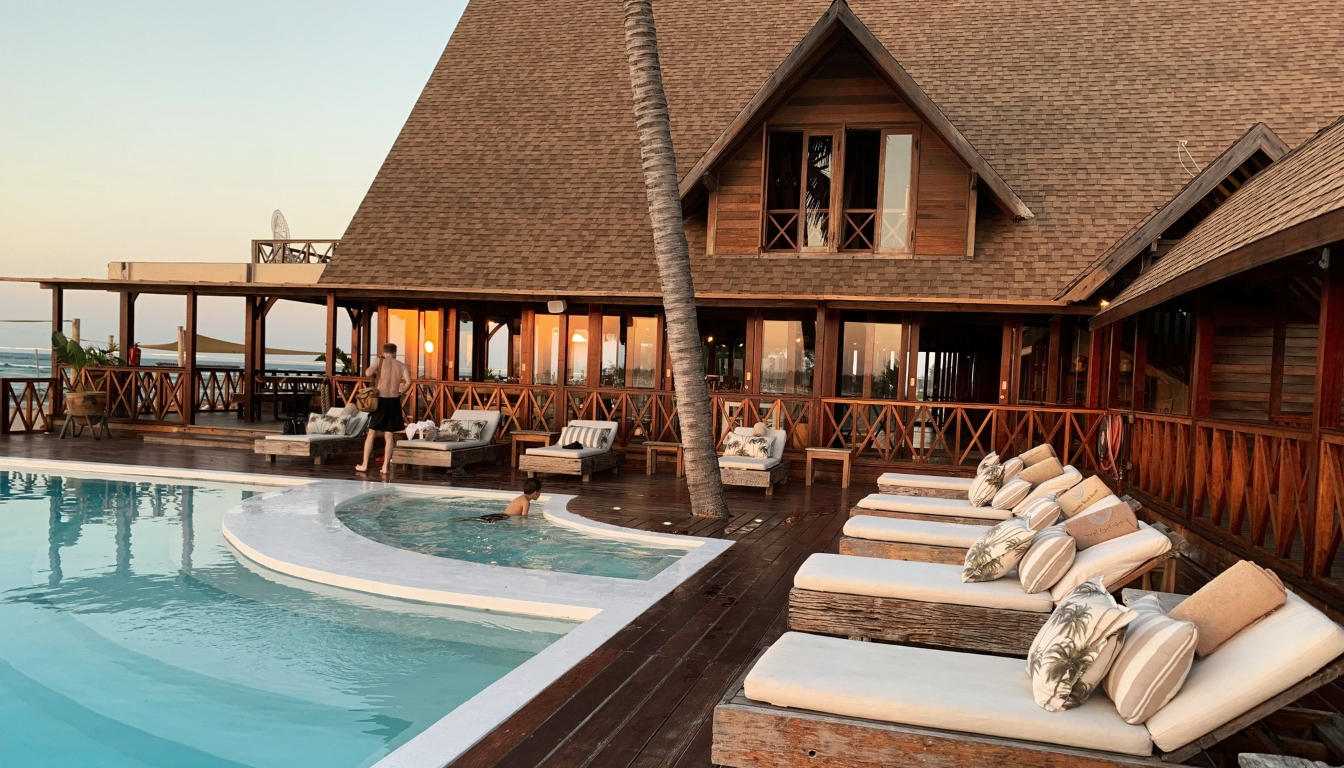
Time pressure tempts planners to shortcut venue sourcing, accepting available options without thorough evaluation. This false economy costs far more than the time it saves.
Financial Costs of Last-Minute Bookings
Venues know planners with tight timelines lack negotiating leverage. They maintain firm pricing, refuse concessions, and enforce strict policies knowing you have limited alternatives. Popular dates book 12 to 18 months ahead, leaving only undesirable options or premium prices for last-minute needs.
The premium for urgency typically ranges 0 to 40 percent above advance booking rates. You'll accept unfavorable cancellation terms, pay higher deposits, agree to strict attrition clauses, and forgo amenities that advance planners negotiate. Hidden fees surface during contracting because you lack time for thorough review. The "savings" from quick decisions disappear into inflated costs.
Quality Compromises from Limited Options
Rushing means accepting whatever's available rather than selecting what's optimal. Maybe the only venue with availability sits far from airports, adding travel time and costs. Perhaps the space lacks technical infrastructure, forcing expensive equipment rentals. The configuration might require compromises to programming. The atmosphere may not match your brand.
Each compromise diminishes attendee experience incrementally. Individually, issues seem manageable. Collectively, they create subpar events that attendees remember—for wrong reasons. Your professional reputation suffers from events that never should have been compromised by inadequate time for selection.
Operational Headaches from Inadequate Evaluation
Site visits reveal issues photos conceal. Without time for visits, you'll discover problems only when setting up: claimed capacity feels overcrowded, acoustics create echo problems, climate control can't maintain comfortable temperatures, Wi-Fi bandwidth can't support your needs, loading access proves inadequate for equipment, staff experience falls short of requirements.
Each discovery triggers crisis mode—finding workarounds, renting supplemental equipment, adjusting programming on the fly, or simply accepting diminished quality. The stress and additional costs far exceed the time you "saved" by rushing.
Why Time Investment Pays Dividends
Starting searching 6-9 months ahead provides time to research comprehensively, evaluate multiple options thoroughly, conduct site visits revealing true conditions, negotiate favorable terms from strong positions, review contracts carefully protecting your interests, and plan details without panic.
This timeline isn't excessive—it's realistic for complex decisions with long-term consequences. Events are investments in your organization's goals. Treating venue selection with appropriate seriousness protects that investment.
Critical Decision Points in Venue Selection
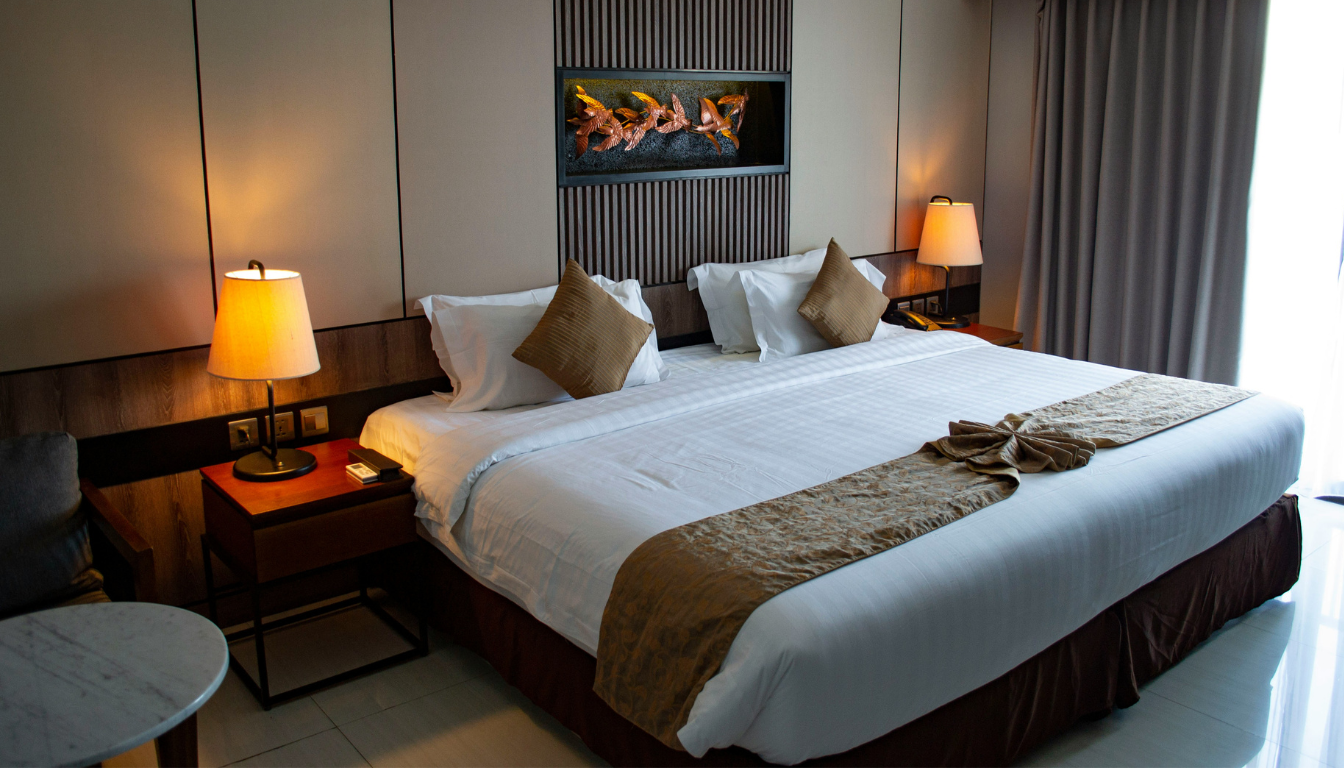
Effective venue selection requires navigating key trade-offs strategically. Understanding these decision points helps you make choices aligned with priorities rather than drifting toward convenient defaults.
Budget vs. Experience Trade-Offs
Every venue decision involves balancing costs against quality. Cheaper venues seem attractive until you calculate total costs including equipment rentals, additional staffing, travel expenses, and opportunity costs from constrained programming. Premium venues appear expensive until you factor in included services, operational ease, and enhanced attendee satisfaction.
Ask: What experience are we trying to create? What budget truly supports that vision? What are we willing to sacrifice if costs exceed budget? What compromises would diminish the event's purpose?
Sometimes budget constraints necessitate less expensive venues. Make these decisions consciously, understanding the implications. Don't let the budget default to "cheapest available" without considering whether that serves your goals. Conversely, don't overspend on impressive venues when simpler spaces would serve equally well.
Location vs. Cost Calculations
Prime locations command premium pricing. Urban centers near airports cost more than suburban venues. Destination resorts exceed city conference centers. The question isn't whether location matters—it's whether the premium justifies benefits.
Consider your specific audience. Local teams may prefer convenient suburban locations. National gatherings need airport proximity. Retreats emphasizing relationships benefit from destination settings removing participants from daily distractions. Executive events often warrant impressive locations reinforcing prestige.
Calculate true location costs holistically. "Cheaper" distant venues force attendees into longer travel, rental cars, and extra time away from work. "Expensive" central locations may reduce total costs through accessibility. Run scenarios comparing all-in expenses, not just base venue rates.
Flexibility vs. Control Decisions
Hotels and established venues offer comprehensive services, experienced staff, and operational reliability. They also enforce policies, restrict vendors, charge for modifications, and limit customization. Unique spaces provide creative freedom and flexibility but require more self-management and carry operational uncertainty.
Traditional venues work well when you want turnkey execution, have limited planning resources, need guaranteed reliability, or prefer established processes. Unique venues suit situations where distinctive experiences matter, you have planning expertise to manage details, budget allows for comprehensive rentals, and brand differentiation provides competitive advantage.
Neither choice is universally better. Align the decision with your organizational capabilities, event goals, and risk tolerance.
Size vs. Atmosphere Balance
Venues should feel appropriately sized—neither overcrowded nor empty. Spaces seating 200 feel intimate with 150 people but cavernous with 40. Rooms designed for 50 feel packed with 75. Getting this balance right dramatically affects attendee comfort and engagement.
Build 15 to 20 percent capacity buffers into planning. If expecting 100 attendees, target venues comfortable for 115-120. This accounts for uncertainty in projections while preventing cramped feelings if attendance exceeds estimates.
Consider also how spaces adapt to different sessions. Can ballrooms be divided for breakouts? Do overflow areas exist for networking? Are intimate spaces available for small discussions alongside main gathering areas? Venues offering flexibility accommodate varying needs throughout multi-session events.
Red Flags During Venue Selection

Warning signs during the search predict operational problems. Recognizing these red flags protects you from decisions you'll regret.
Communication Problems During Sourcing
Venues slow to respond, difficult to reach, or providing incomplete information during the proposal process rarely improve after booking. If coordinators don't return calls promptly, provide vague answers, or seem disorganized now, expect worse during your event when they're managing multiple groups simultaneously.
Great venues treat selection inquiries as opportunities to demonstrate service quality. They respond promptly, provide comprehensive information, anticipate questions, and exhibit professionalism throughout. This pattern predicts how they'll perform when you need them most.
Pricing Ambiguity and Hidden Fees
Proposals with vague pricing, unexplained charges, or reluctance to provide itemized breakdowns signal venues that profit from confusion. "Additional fees may apply" without specifics, service charges calculated on unclear bases, or mandatory purchases not disclosed upfront indicate questionable practices.
Legitimate venues provide transparent, detailed pricing showing exactly what's included, what costs extra, how charges are calculated, and what final bills will include. If you can't determine total costs from proposals, the venue either doesn't know their own pricing or deliberately obscures it.
Pressure Tactics and Artificial Urgency
Venues creating false urgency—"Book today or lose this rate," "Another group is looking at your dates," "This offer expires tomorrow"—prioritize their filling over your fit. While popular venues do book up, legitimate scarcity doesn't require pressure tactics.
High-quality venues present information professionally, answer questions thoroughly, and give you appropriate time for decisions. They're confident their value speaks for itself. Pressure suggests venues that can't compete on merit trying to short-circuit evaluation.
Unwillingness to Accommodate Site Visits
Venues resistant to site visits have something to hide. Whether it's space condition issues, operational problems, or knowledge that reality doesn't match marketing materials, refusing access signals problems.
Professional venues welcome site visits, accommodate your schedule, answer questions candidly, provide facility tours comprehensively, and connect you with staff you'll work with during events. Venues confident in their offering actively want you to see spaces before committing.
Contract Inflexibility on Reasonable Terms
Standard contracts protecting venues' interests are normal. Completely inflexible terms refusing any modification suggest venues treating relationships transactionally rather than as partnerships. Unwillingness to discuss cancellation policies, attrition clauses, or terms requiring unrealistic commitments indicates venues prioritizing their protection over fair agreements.
The best venue relationships involve contracts balancing both parties' interests. Venues understanding that circumstances change, good-faith negotiations happen, and mutually beneficial terms create better partnerships demonstrate maturity and confidence worth rewarding with your business.
Tips for Effective Venue Sourcing: What Success Looks Like

Understanding what thorough venue selection involves helps you invest time appropriately and recognize when you're cutting corners that will cost you later.
Comprehensive Research Across Multiple Channels
Great selection doesn't rely on single search approaches. Use online platforms, industry networks, destination marketing organizations, hospitality group contacts, and colleague recommendations. Each channel has different options. Platforms capture mainstream venues but miss unique properties. Networks provide candid feedback unavailable publicly. DMOs understand local landscapes comprehensively.
Cast wide nets initially, then narrow based on requirements. Include aspirational options testing upper bounds alongside practical choices. Geographic and style diversity ensures you're comparing meaningfully different approaches rather than near-identical spaces.
Detailed Requirements Documentation
Before contacting venues, document requirements precisely: attendance numbers with realistic ranges, event format and session types, technical infrastructure needs specified exactly, budget parameters encompassing all costs, location criteria balancing accessibility with preferences, timeline including setup and breakdown, and any special requirements unique to your event.
This discipline forces clarity about priorities and trade-offs before you're influenced by specific venues' offerings. It also communicates professionalism to venues, yielding better proposals.
Thorough Site Visits with Structured Evaluation
Never skip site visits for significant events. Schedule visits during similar times to your event to assess realistic conditions. Bring stakeholders evaluating from different perspectives—operations, programming, finance, and attendee experience.
Walk the complete attendee journey from arrival through departure. Test spaces from multiple positions. Inspect operational areas. Ask detailed questions about staffing, policies, flexibility, and contingencies. Request and actually contact references.
Create structured evaluation frameworks comparing venues consistently rather than relying on impressions. Rate venues against defined criteria, document observations systematically, and involve decision-makers directly rather than reporting second-hand.
Strategic Negotiation Beyond Price
Negotiation shouldn't focus solely on rate reductions. Request value-added concessions like complimentary services, enhanced amenities, flexible policies, or preferential terms. Understand your leverage—timing, volume, future potential, or unique value—and use it strategically.
Approach negotiation collaboratively rather than adversarially. Frame requests around mutual benefit. Venues treating relationships as partnerships often provide flexibility that transactional approaches can't access. The goal isn't extracting maximum concessions but reaching agreements both parties feel good about.
Careful Contract Review Protecting Interests
Read contracts thoroughly before signing. Verify verbal agreements appear in writing. Understand cancellation terms, attrition clauses, payment schedules, insurance requirements, and liability provisions. Have legal counsel review significant contracts or complex terms.
Clarify ambiguous language before signing rather than assuming interpretations. If venues resist reasonable modifications protecting your interests, consider whether that predicts how they'll handle issues during events.
Summary
Venue sourcing deserves recognition as the highest-impact decision in event planning because the space you select shapes every subsequent choice, determines operational complexity, drives budget outcomes, and fundamentally affects whether attendees have experiences worth remembering. Treating this process with appropriate seriousness—investing 6-9 months for major events, evaluating options thoroughly, and navigating decision points strategically—protects your investment and creates conditions for success. The time required for comprehensive event venue sourcing isn't excessive but realistic for decisions with long-term consequences, as rushing leads to compromises that diminish events and cost more in attendee dissatisfaction than the time saved. Key decision points in event venue sourcing require balancing trade-offs between competing priorities like budget vs. experience, location vs. cost, flexibility vs. control, and size vs. atmosphere, helping you make conscious strategic choices rather than defaulting to convenient options that may not serve your goals. Recognition of red flags during the search—communication problems, pricing ambiguity, pressure tactics, unwillingness to accommodate visits, and contract inflexibility—protects you from venues that will create operational headaches, while selecting the right venue separates great events from mediocre ones and benefits both your events and professional reputation through the foundation that thoughtful venue selection creates.
FAQs
- Why does venue sourcing take so much time?

Comprehensive venue sourcing takes six to nine months because it involves multiple critical phases requiring adequate time. Research across various channels to discover options takes 2-4 weeks. Requesting and reviewing proposals from shortlisted venues requires 3-4 weeks. Scheduling and conducting thorough site visits spans 4-6 weeks, especially when coordinating stakeholders' calendars or visiting multiple cities. Negotiating terms and reviewing contracts carefully takes 2-3 weeks. Add buffer time for decision-making, internal approvals, and unexpected delays. Rushing any phase leads to compromises that diminish events. The timeline isn't padding—it's what realistic evaluation requires when decisions have significant consequences.
- What's the biggest mistake when choosing venues?
Starting too late stands out as the most costly mistake. Beginning 2-3 months before your event forces you to accept whatever's available rather than selecting what's optimal. You lose negotiating leverage, pay premium rates, skip thorough evaluation, and make compromises that diminish attendee experiences. This cascades into budget overruns from unexpected costs, operational headaches from inadequate infrastructure, and diminished satisfaction from subpar spaces. The mistake seems innocent—"We'll find something"—but creates problems touching every aspect of your event. Start searching 6-9 months ahead for events with 50+ attendees, earlier for larger gatherings or popular dates.
- How do I know if a venue is worth the premium price?
Evaluate premium venues by calculating total costs, not just base rates. Expensive venues offering comprehensive infrastructure, experienced staff, included services, operational reliability, and enhanced attendee appeal often cost less overall than cheaper spaces requiring equipment rentals, supplemental staffing, extensive workarounds, and attendee travel premiums. Run scenarios comparing all-in expenses including venue rental, required minimums, equipment needs, staffing, travel, and time investment. Consider also intangible benefits like attendee satisfaction, social media appeal, and reduced operational complexity. Premium pricing is justified when enhanced experience or operational ease delivers measurable value. It's not when you're paying for prestige that doesn't serve your event goals.
- Should I prioritize location or cost when choosing venues?
This depends entirely on your specific audience and event goals. For local teams, convenient locations matter more than impressiveness—prioritize accessibility and reasonable costs. For national gatherings drawing attendees from multiple cities, airport proximity becomes critical even at premium prices because travel friction affects participation. For retreats emphasizing deep relationships, destination settings removing people from distractions justify costs through enhanced outcomes. For executive events, prestigious locations reinforce positioning and warrant investment. Calculate true costs holistically including attendee travel time, transportation expenses, and productivity. Sometimes "expensive" central venues reduce total costs through accessibility. Other times "affordable" locations serve equally well without unnecessary premium.
You may also like



Stay Updated with Our Insights
Get exclusive content and valuable updates directly to you.