
2026 Event Trends: Navigating Travel Cost Inflation for Corporate Retreats

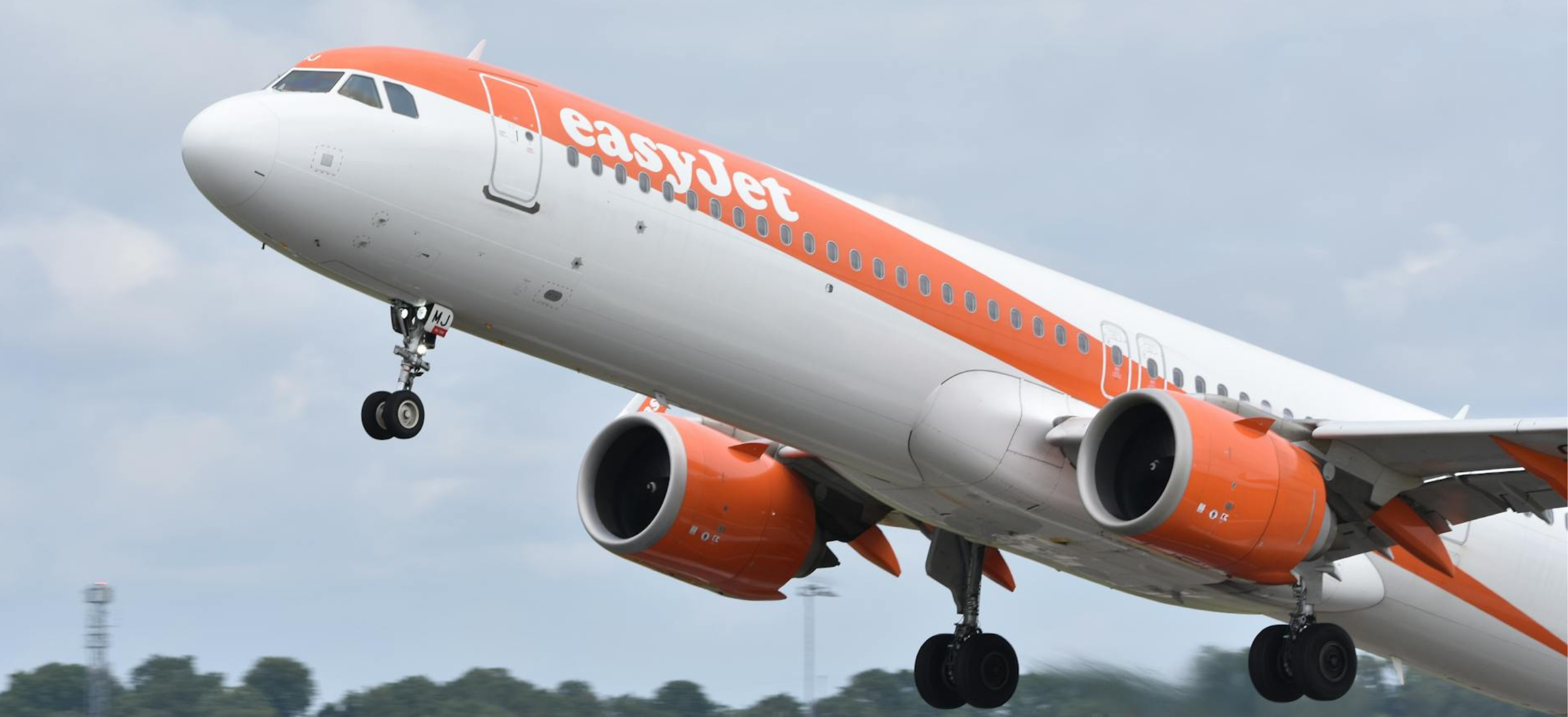
The landscape of corporate events is shifting dramatically as we move through 2026. While companies recognize the irreplaceable value of bringing teams together in person, HR executives and event planners now face a challenging reality: event trends 2026 show that while corporate event costs remain elevated compared to pre-pandemic levels, recent data indicates stabilization rather than continued escalation.
The numbers tell a sobering story. Airfare has increased approximately 16 percent compared to pre-pandemic levels, though prices fell 3.4 percent in the past year, hotel rates are projected to increase approximately 1 to 2 percent in 2026, with luxury properties seeing slightly higher growth, and venue costs have climbed steadily as demand outpaces supply. Yet abandoning in-person gatherings isn't the answer—the same research shows that companies maintaining regular offsites report significantly higher employee engagement and significantly stronger team cohesion. The question isn't whether to host events, but how to do so strategically in an inflated cost environment.
Key Takeaways
- Corporate event and travel costs remain elevated, with airfare up approximately 16 percent compared to pre-pandemic levels, though recent trends show stabilization with hotel rates projected to increase 1 to 2 percent in 2026
- Strategic timing and location flexibility can reduce costs by 30-40% compared to peak season traditional destinations
- Hybrid and regional approaches are becoming viable alternatives, allowing companies to maintain connection while controlling expenses
- Early booking commitments (6-9 months advance) now yield significantly better rates than the traditional 3-4 month planning window
- Value engineering your agenda and focusing on high-impact experiences delivers better ROI than simply cutting event frequency
- Partnerships with venues and vendors offering flexible cancellation terms protect budgets while securing favorable rates
Understanding the 2026 Corporate Event Cost Landscape
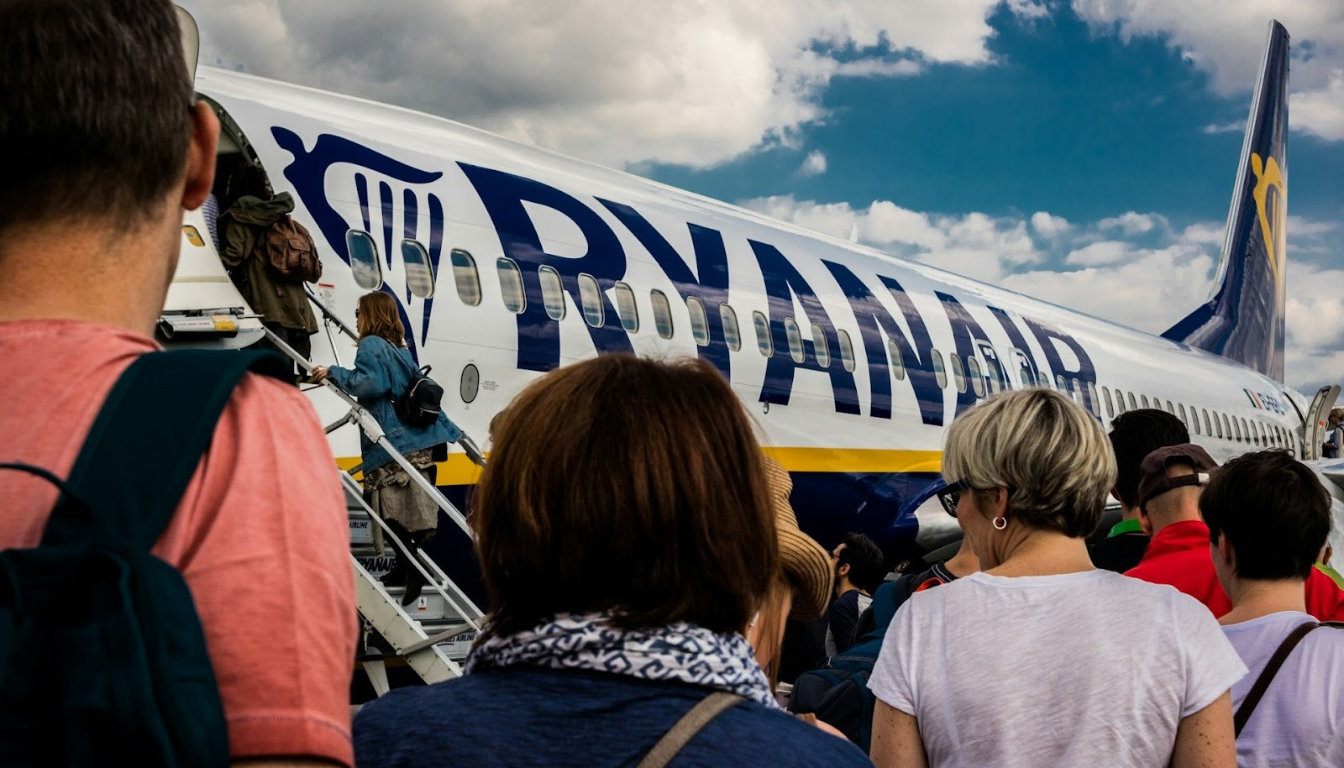
The post-pandemic recovery has created a perfect storm for event planners. typically accounting for an estimated 40 to 50 percent of total event budgets. When airfare, ground transportation, and accommodation costs all rise simultaneously, the impact compounds quickly. A retreat that cost $150,000 in 2023 now easily approaches $190,000-200,000 with identical specifications.
But corporate event and travel cost inflation isn't uniform across all categories. Ground transportation and local venue costs have seen more moderate 8-12% increases, while international airfare and resort-style accommodations have experienced the steepest climbs. Understanding these variations allows planners to make strategic trade-offs rather than blanket budget cuts.
Event Trends 2026: Smart Strategies for Cost Management
Embrace Flexible Timing and Shoulder Seasons
The most powerful tool in your cost-management arsenal is strategic calendar planning. Venues and hotels in popular destinations now operate with dynamic pricing similar to airlines, with rates fluctuating dramatically based on demand patterns.
Consider a leadership retreat in Austin, Texas. Booking during SXSW or ACL Festival weeks could cost your organization $350-425 per room night, while the same property in early February or late August offers rates of $185-220. That single decision cascades across your entire budget—ground transportation, catering, and even AV services often follow similar seasonal pricing.
Mid-week offsites (Tuesday-Thursday) consistently deliver 15-20% savings compared to events spanning weekends, when leisure travelers drive up demand. For organizations with flexibility, this alone can preserve thousands of dollars in purchasing power.
Reconsider Destination Selection
Event trends 2026 show a clear shift away from traditional corporate event destinations as planners seek better value. While cities like San Francisco, New York, and Miami remain popular, secondary markets are emerging as compelling alternatives.
Cities like Nashville, Pittsburgh, Richmond, and Boise offer sophisticated venues, excellent dining scenes, and significantly lower total costs. A three-day executive retreat that runs $275,000 in San Diego might cost $185,000 in Nashville with comparable quality experiences. These emerging destinations are actively courting corporate business, often providing additional incentives or destination marketing support.
Geography also plays a role in managing travel costs. Choosing locations within 500-700 miles of your major employee concentrations allows more team members to drive rather than fly, immediately reducing your single largest expense category. Regional hubs with strong airport connectivity—like Charlotte, Denver, or Phoenix—provide broad accessibility without the premium pricing of gateway cities.
Optimize Your Event Format and Duration
Traditional three-day, two-night offsites may no longer represent the best value proposition. Event trends 2026 indicate that companies are experimenting with compressed formats that maintain impact while reducing accommodation costs.
Consider a two-day, one-night format that runs from 10 AM day one through 3 PM day two. This structure eliminates one night of hotel costs (typically saving $18,000-25,000 for a 75-person group) while maintaining substantial face time for team building, strategy sessions, and social connection.
Alternatively, some organizations are finding success with day-only intensives held at local venues, particularly for teams concentrated in specific metropolitan areas. While these don't provide the immersive experience of overnight retreats, a well-designed day-long offsite can accomplish specific objectives at a fraction of the cost.
Implement Regional Gathering Models
For distributed teams, the traditional model of flying everyone to a single destination creates enormous travel costs. Progressive companies are exploring regional hub approaches that significantly reduce corporate event and travel cost inflation impact.
Under this model, teams gather in three to four regional locations simultaneously, connected through technology for shared sessions while enjoying in-person interaction locally. A company with significant presence in Boston, Austin, and Seattle might host concurrent events, dramatically reducing airfare while maintaining the benefits of face-to-face collaboration.
This approach requires more sophisticated planning and coordination, but organizations report 40-50% reductions in total event costs while actually increasing the frequency of in-person gatherings.
Negotiate Strategically with Vendors
The current market environment has shifted some negotiating power back toward corporate buyers, particularly for groups willing to commit early and provide flexibility. Hotels and venues are increasingly willing to lock in rates 8-12 months in advance, especially for dates with softer demand.
Request detailed proposals from multiple properties and be transparent that you're comparing options. Ask specifically about value-adds rather than just rate reductions: complimentary meeting space, included AV equipment, F&B minimums, resort fee waivers, or flexible change policies can all significantly impact your bottom line.
Loyalty programs and preferred relationships matter more than ever. If your organization consistently uses specific hotel brands, consolidate that business and leverage the relationship for better rates and terms. Regional sales managers have discretion to extend benefits beyond standard corporate rates for reliable, repeat clients.
Maximizing ROI Despite Rising Costs
Cost management can't come at the expense of event effectiveness. The goal isn't simply cheaper events, but better value—more impact per dollar spent. This requires ruthless prioritization of what truly drives engagement and business outcomes.
Focus on High-Impact Programming
Audit your typical offsite agenda and honestly assess which elements generate the most value. Elaborate evening entertainment and multiple off-site excursions look impressive on paper but may contribute less to your core objectives than focused working sessions and unstructured networking time.
Event trends 2026 reveal that attendees consistently rate interactive working sessions, skill-building workshops, and authentic peer connection opportunities as most valuable—all of which are relatively cost-efficient to deliver. Consider reallocating budget from expensive production elements toward extending break times, creating conversation-friendly spaces, and facilitating meaningful small-group discussions.
Invest in Quality Over Quantity
Rather than hosting two moderate events per year, some organizations find better results from one exceptional gathering. This concentration of resources allows for better venues, more engaging speakers or facilitators, and higher production values that create lasting impact and reinforce culture.
A single memorable retreat that people reference for months afterward may drive more value than two forgettable ones. This approach also reduces the hidden costs of event planning—the staff time, productivity loss, and coordination overhead that multiply with each additional gathering.
Leverage Technology Thoughtfully
While fully virtual events rarely match the impact of in-person gatherings, strategic technology integration can extend the value of your offsites. Consider bookending your in-person event with virtual sessions that handle information sharing or preliminary discussions, allowing the face-to-face time to focus on collaboration and connection.
Post-event virtual follow-ups can reinforce key messages and maintain momentum without incurring travel costs. This hybrid approach maximizes the unique benefits of physical presence while using technology for activities that work well remotely.
Planning Ahead: 2026 and Beyond

The cost pressures facing corporate events won't disappear overnight, but they're creating opportunities for innovation and more strategic thinking about how organizations bring teams together.
Start budget conversations earlier—ideally 10-12 months before planned events. This timeline allows you to capture early-bird rates, secure preferred dates at desirable venues, and build flexibility into your plans. It also provides time to explore creative alternatives and build consensus around new approaches.
Build contingency into your budgets. The volatility in travel and event costs means that estimates made six months out may not hold. A 10-15% buffer protects against rate increases and allows you to maintain quality standards even if costs run higher than projected.
Finally, measure what matters. Track not just cost per attendee but also engagement metrics, post-event survey results, and business outcomes tied to your offsite objectives. This data empowers you to make evidence-based decisions about where to invest and where to economize, ensuring that cost management enhances rather than undermines event effectiveness.
Summary
Navigating event trends 2026 requires accepting a new financial reality while refusing to abandon the powerful benefits of bringing teams together in person. Corporate event and travel cost inflation has fundamentally changed the economics of offsites and retreats, but strategic planning can preserve both budget health and event impact. Companies like Offsite specialize in helping organizations navigate these cost pressures while maintaining the quality and effectiveness of team gatherings.
The most successful organizations are embracing flexibility—in timing, location, format, and approach—while maintaining focus on what truly drives value. By concentrating resources on high-impact elements, exploring alternative destinations and formats, and planning further ahead, companies can continue hosting effective events despite sustained cost pressures. The key is viewing these constraints not as obstacles but as catalysts for more thoughtful, strategic approaches to corporate gatherings that may ultimately deliver better results than the status quo they're replacing.
FAQs
- What is driving corporate event and travel cost inflation in 2026?

The primary drivers include sustained high demand for in-person events as organizations prioritize team connection post-pandemic, labor shortages in hospitality and travel sectors leading to higher wages, increased operational costs for venues and hotels, and capacity constraints as some properties exited the market during shutdowns. These factors have created a supply-demand imbalance that continues to pressure pricing across all event-related services.
- How far in advance should we book corporate events to get the best rates in 2026?
Event trends 2026 indicate that 6-9 months advance booking now represents the sweet spot for securing favorable rates and preferred dates, particularly for groups of 50 or more. This is significantly earlier than the traditional 3-4 month planning window. Some venues offer early-commitment discounts for bookings made 10-12 months out, though these typically require less flexible cancellation terms.
- Are there specific months or seasons that offer better value for corporate offsites?
January-February (excluding MLK and Presidents Day weeks), late August, and November (avoiding Thanksgiving week) consistently offer the best combination of availability and pricing. Shoulder seasons in popular destinations—like spring and fall in mountain or beach locations—provide pleasant weather without peak summer pricing. Mid-week dates (Tuesday-Thursday) average 15-20% lower costs compared to events spanning weekends.
- How can we maintain event quality while reducing costs?
Focus on what drives actual engagement rather than superficial production value. Invest in facilitators and programming that create meaningful interaction, choose comfortable but not luxurious accommodations, streamline evening activities, and extend breaks for organic networking. Often the most memorable moments come from authentic connection, not expensive entertainment. Consider shorter formats, regional approaches, or alternative destinations that offer comparable experiences at lower total cost.
You may also like


Stay Updated with Our Insights
Get exclusive content and valuable updates directly to you.