
All-Company Offsite: How to Bring a Distributed Team Together (50–500 People)


For a distributed company, the all-company offsite is often the only time everyone is in the same place, and it works very differently from a regular company offsite for one team. It's where new hires meet the people they've only seen on screen, teams that never overlap finally talk, and leadership gets the whole company aligned for the year ahead.
At this scale, people fly in from dozens of cities, most of them don't know each other, and a few can't travel at all. This guide covers what changes when you bring 50 to 500 people together, from choosing a destination to building an agenda that actually mixes teams.
Key Takeaways
- An all-company offsite needs a clear purpose beyond "getting everyone together": two or three outcomes you can name.
- Choose the destination based on where people fly from. A city most attendees can reach nonstop saves money and travel days.
- Build the agenda around mixing teams, not just keeping them in their usual groups, and leave real free time.
- Plan for $2,000–$4,000+ per person including travel; a domestic 2-day, 3-night gathering lands around $2,800 per person.
- Include people who can't travel, and plan what happens afterward, since the boost in connection fades within a few months.
What makes an all-company offsite different
A team offsite brings together people who already work together. An all-company offsite brings together people who mostly don't. That changes almost every decision:
- Travel is the biggest variable. Attendees may be spread across many cities and time zones, so the destination decides how much the event costs and how long people spend getting there.
- Most people are strangers. The agenda has to create connections across teams, not just within them.
- Scale changes the venue. You need a main room for everyone, breakout space for teams, and enough rooms in one place, or very close together.
- Not everyone can come. Caregiving, health and travel restrictions mean some people will join remotely or not at all.
Start with a clear purpose
"Bringing everyone together" is a reason, but it isn't enough on its own to shape the agenda. Before you pick a city, write down the two or three outcomes you want, such as:
- Every employee understands the company's priorities for the year and their team's part in them.
- New hires build relationships beyond their own team.
- Cross-team projects that keep stalling get unblocked in person.
These outcomes decide how much time goes to all-company sessions, team work and social time, and they make the event much easier to justify to finance.
Choose a destination based on where people fly from
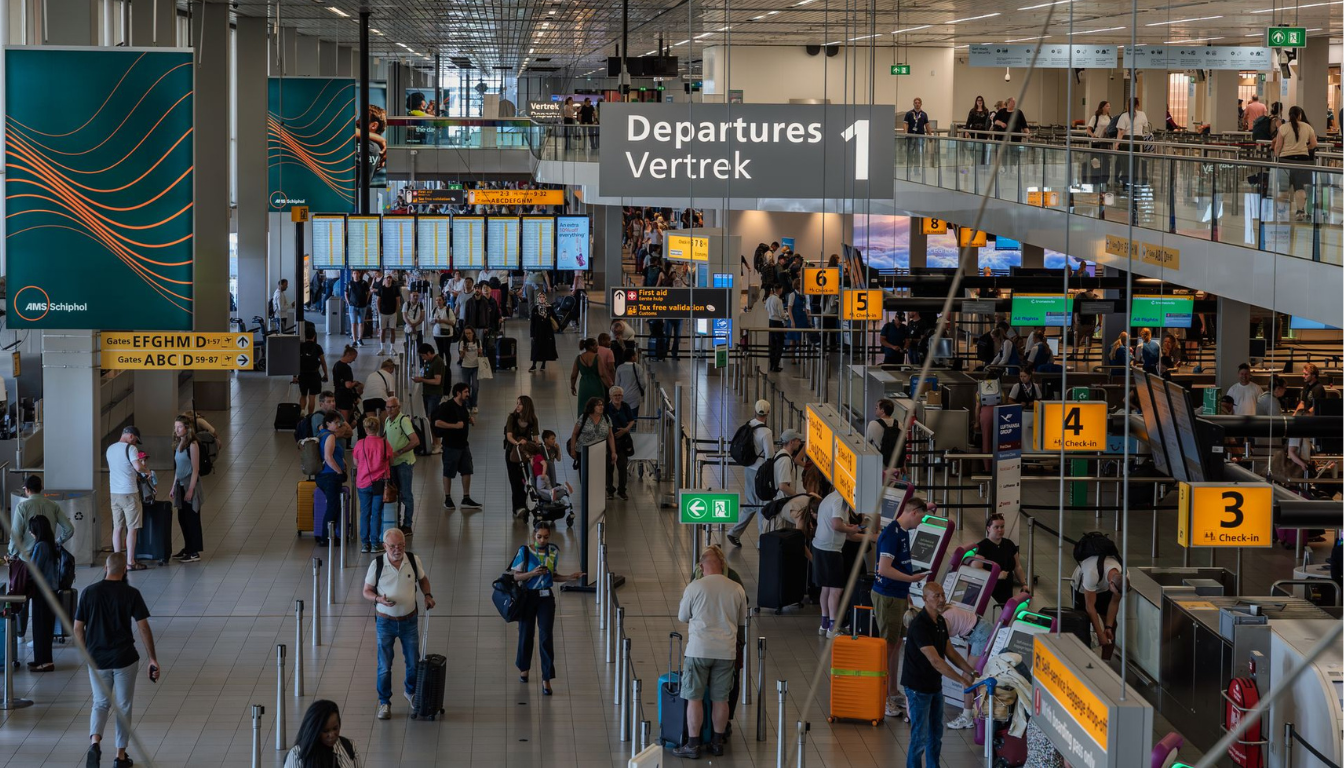
For a distributed company, the best destination is usually the one most people can reach easily, not the most exciting place on the map. Start by listing where everyone lives, then look for cities with nonstop flights from your biggest groups. Cities with major airport hubs, like those on lists of the most connected airports for business travelers, keep fares and connections down.
Then match the venue to your headcount:
- 50 to 150 people: a resort or full-service hotel, often with a full buyout, so the group has the place to itself.
- 150 to 500 people: a large resort or conference hotel with a ballroom for all-company sessions and plenty of breakout rooms, or two hotels within walking distance.
Save the more exotic destination for a milestone year, like a big funding round or a company anniversary.
Plan travel and arrivals
At this scale, travel logistics can make or break the first day. Booking group travel for a corporate retreat of several hundred people works best with a few clear rules:
- Set an arrival window, such as noon to 6pm on day one, so airport transfers can run on a schedule.
- Group transfers by arrival time instead of leaving everyone to book their own rides.
- Open a welcome desk at the hotel for check-in, name badges and agenda information.
- Give international attendees extra lead time to check entry and travel requirements well before booking.
- Plan departures as carefully as arrivals. Stagger checkout and transfers so the last morning isn't rushed.
Build a whole-company agenda
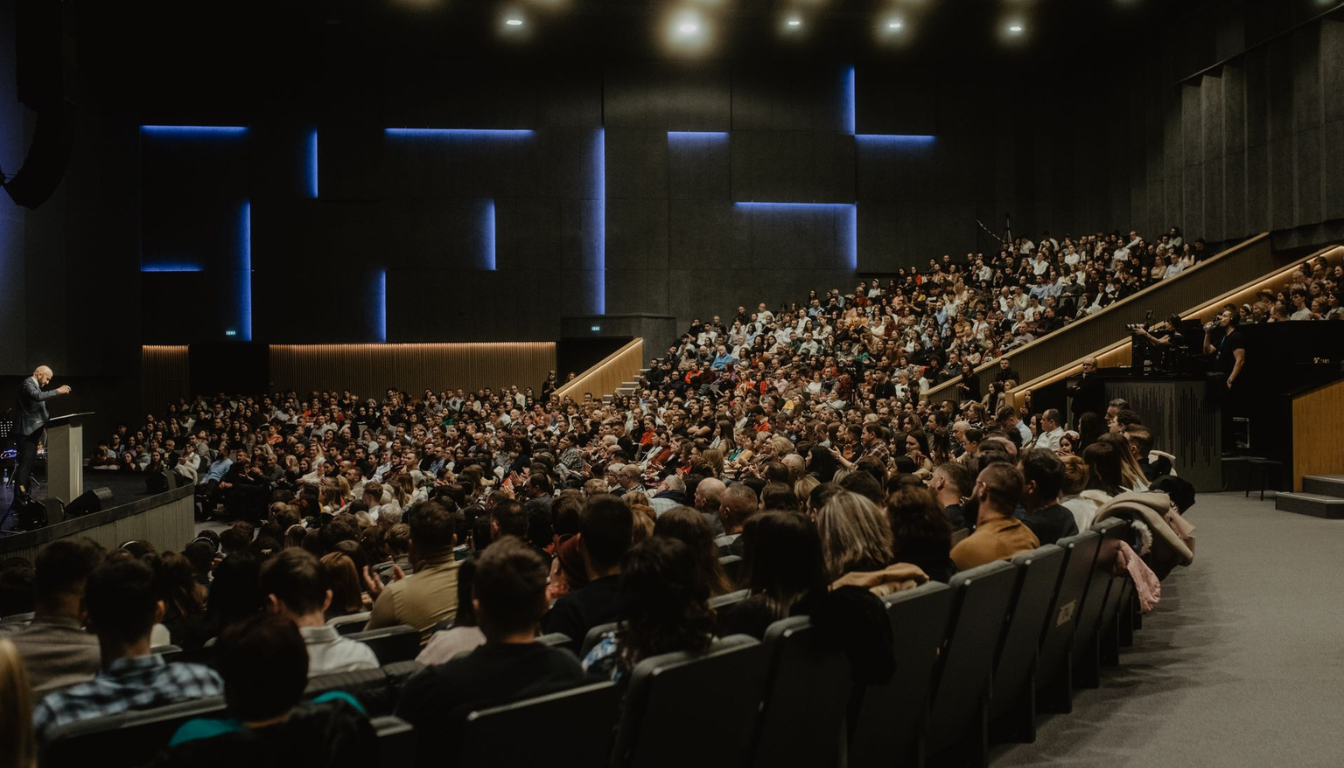
The agenda is where all-company offsites most often go wrong: too many presentations, not enough time for people to actually meet. Plan a mix of three kinds of sessions:
- All-company sessions for strategy, priorities, recognition and Q&A with leadership.
- Team breakouts for planning work that teams can do better in person.
- Mixed groups that put people from different teams and offices together, through workshops, activities or assigned dinner tables.
Keep all-company sessions short and leave real free time. Unstructured hours are often when the most valuable connections happen. A 2-day, 3-night schedule might look like this:
You can adapt a standard two-day offsite agenda by adding the mixed-group sessions and a longer arrival window.
Budget for a company-wide offsite
All-company offsites typically cost $2,000–$4,000+ per person, including travel. Larger groups lower some per-person costs, like AV, but flights and hotel rooms scale with every attendee. Here's a domestic, 2-day, 3-night offsite built on 2027 forecasts, with the hotel rate, activities, transfers and production as planning assumptions:
International destinations, premium resorts and longer stays push costs toward the top of the range.
Include people who can't travel
Some people won't be able to come, and they should still feel part of it.
- Stream the all-company sessions, such as the leadership update and Q&A, with a way for remote attendees to ask questions.
- Don't try to make everything hybrid. Mixed workshops and social time rarely work well over video.
- Send remote attendees something, like the same welcome kit or a budget for a local team meal.
- Share recordings and a written recap afterward, and consider a smaller regional gathering later in the year for anyone who missed it.
After the offsite: keep the connection going

The boost from meeting in person doesn't last forever. Atlassian's research on its in-person team gatherings found that feelings of connection rose by about 27% and the effect lasted four to five months. To keep it going:
- Share decisions, owners and next steps within a week.
- Keep the cross-team groups going with a follow-up project or regular check-ins.
- Put the next in-person gathering on the calendar before the energy fades.
Conclusion
An all-company offsite gives a distributed team something nothing else can: everyone in the same place, building relationships across the whole company. Start with two or three clear outcomes, choose a destination most people can reach easily, plan arrivals and departures carefully, and build an agenda that mixes teams and leaves room to connect. The core corporate retreat planning steps still apply; what changes is the scale. Offsite can find venues that fit your headcount and handle the travel and logistics, so your team can focus on being together.
FAQs
- What is an all-company offsite?

It's a gathering where an entire company, often a distributed or remote team, travels to one place for a few days to align on priorities, work together in person and build relationships across teams.
- How much does an all-company offsite cost?
Most cost $2,000–$4,000+ per person, including flights, hotel, meals, meeting space and activities. A domestic 2-day, 3-night gathering typically lands around $2,800 per person.
- How long should an all-company offsite be?
At least 2 days and 3 nights. Travel costs are similar for a short trip, so a longer stay gives far more time for the connections that make the trip worthwhile.
- How do you include remote employees who can't attend?
Stream the all-company sessions with a way to ask questions, send them the same welcome kit or a budget for a local meal, and share recordings and a recap afterward.
You may also like



Stay Updated with Our Insights
Get exclusive content and valuable updates directly to you.