
Board Meeting Planning Checklist: Logistics for Executive Assistants

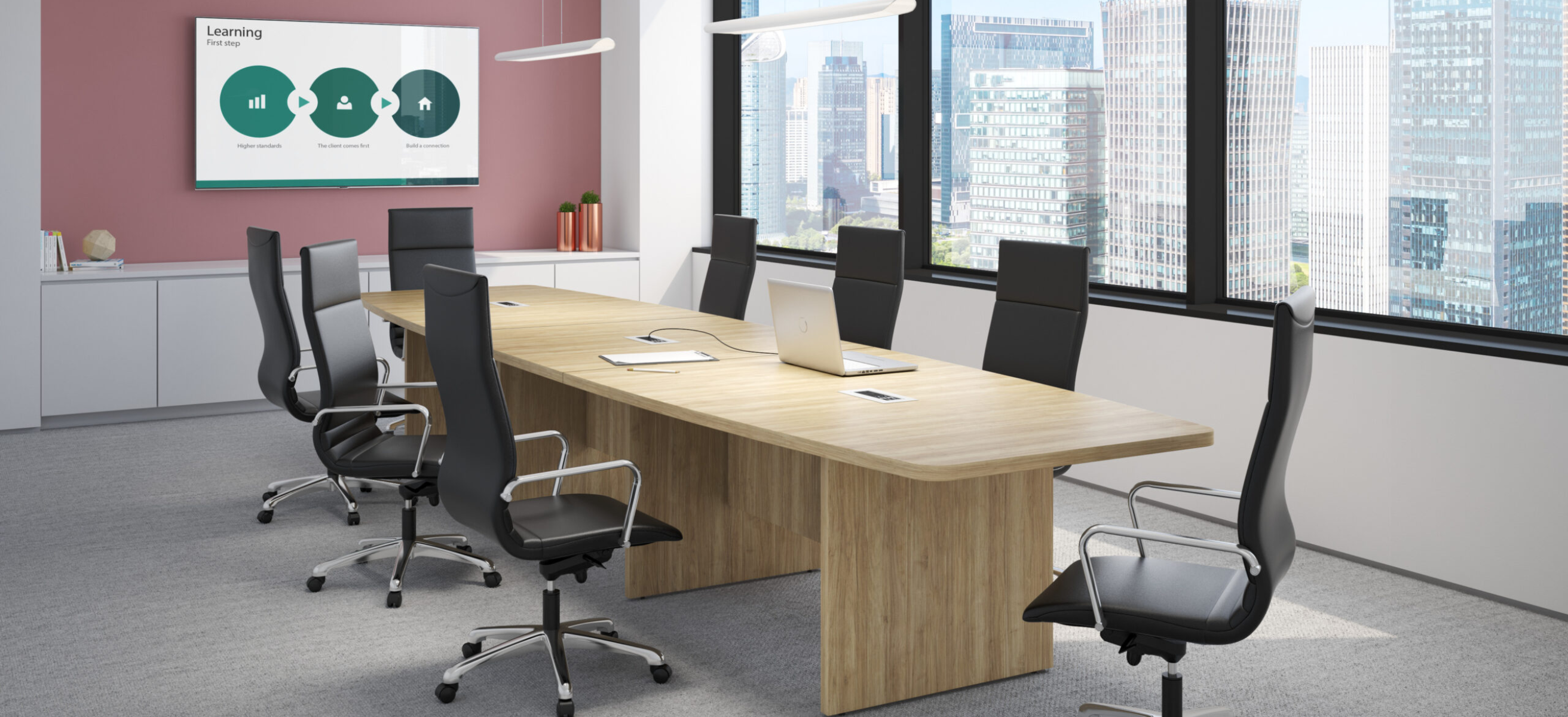
Board meetings run on preparation. Directors fly in expecting a quiet room, a working screen and a board book that arrived on time. When those details slip, the meeting loses focus fast. A clear board meeting planning checklist keeps every piece on schedule.
This guide is for the executive assistant who owns the logistics. It covers dates, venue, travel, the board dinner, board materials, room setup and wrap-up. If your board wants something longer, like a multi-day strategy session, our guide on how to plan and facilitate a board retreat covers that format.
One note before you start: the timelines below are planning assumptions for a typical quarterly, in-person meeting. Adjust them to your board’s calendar and size.
Key Takeaways
- For an in-person meeting, start 8–12 weeks out. Dates, venue and hotel rooms come first.
- The executive assistant owns logistics. The corporate secretary or general counsel owns governance items like notice, minutes and resolutions.
- Set the board book deadline with the corporate secretary, then work backward from it.
- Test AV and the remote-join setup the day before, not the morning of.
- If the board needs real strategy time, plan a board retreat of at least 2 days and 3 nights instead of stretching a meeting.
What This Checklist Covers (and What It Doesn’t)
Most board meeting checklists mix two different jobs. One is governance: agenda rules, notice, quorum, minutes and resolutions. The other is logistics: getting the right people into the right room with the right materials.
This checklist covers logistics only. Governance requirements depend on your company’s bylaws, structure and location, so your corporate secretary or general counsel should set them. Ask them early for the dates and deadlines they need, then build your logistics plan around those.
8–12 Weeks Out: Dates, Venue and Rooms
Lock Dates Against the Board Calendar
Many boards set their meeting dates a year ahead. Confirm the date with the CEO’s office and the board chair. Then check it against holidays, earnings dates and other company events.
- Confirm the date, start time and end time.
- Send calendar holds to directors, presenters and any observers.
- Ask the corporate secretary for governance deadlines, such as when notice and materials must go out.
Choose the Venue
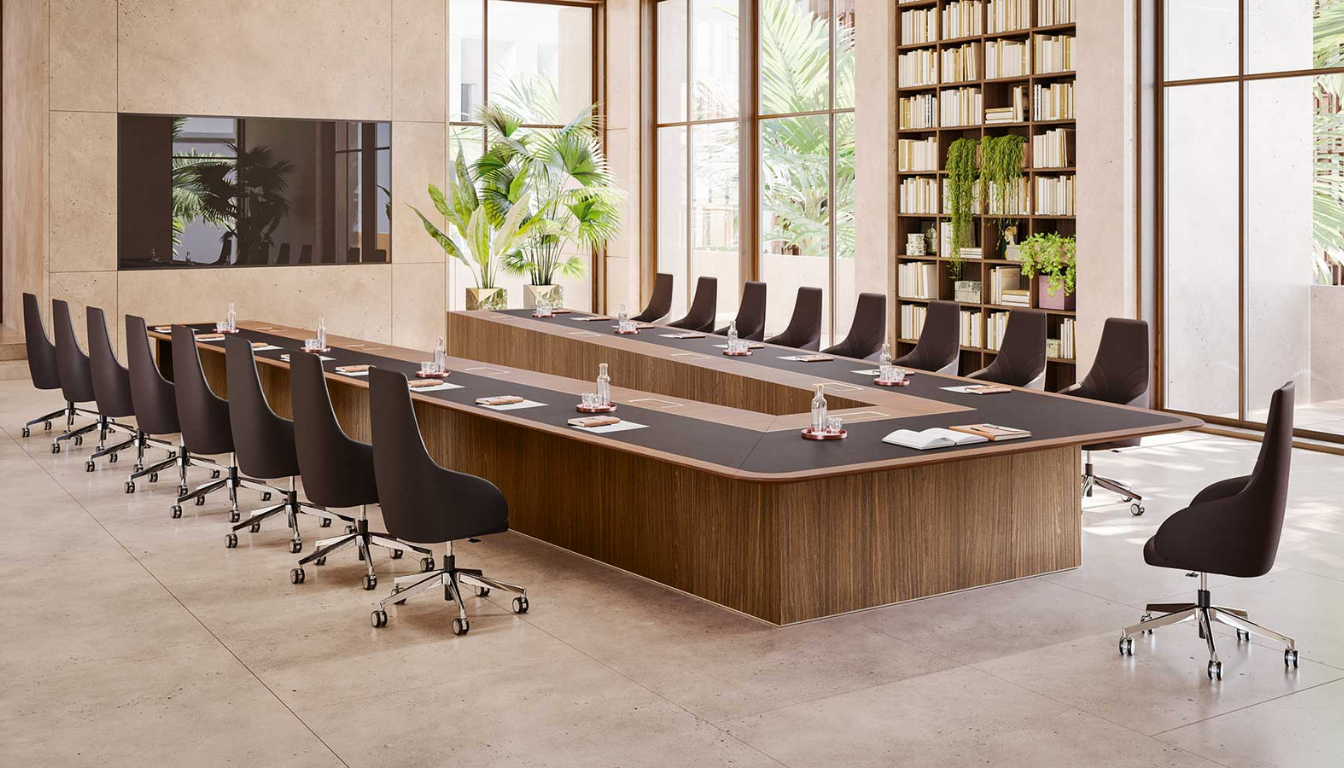
Decide whether the meeting happens at the office or off-site. The office is simpler. An off-site venue, such as a private hotel meeting room, offers more privacy and keeps traveling directors close to where they sleep.
- A private room that seats everyone, with space for presenters.
- Natural light and good climate control for a long day.
- A breakout room for executive sessions or side conversations.
- Reliable Wi-Fi and power at every seat.
Hold a Hotel Room Block
For directors who travel, hold a small block of rooms near the venue. Get the release date and cancellation terms in writing. Collect each director’s arrival and departure plans so the block matches real needs.
4–6 Weeks Out: Travel and Hospitality
Director Travel and Ground Transport
Collect travel details for each director: home airport, seat and hotel preferences, loyalty numbers and dietary needs. Keep them in one secure profile you can reuse every quarter. For more on coordinating several flights and transfers at once, see our guide to group travel for corporate retreats.
- Book flights, or confirm directors are booking their own, following your company’s travel rules.
- Arrange airport pickups and transport between the hotel, venue and dinner.
- Send each director a one-page itinerary with confirmations and a contact number.
The Board Dinner and Meals
Many boards hold a dinner the night before or after the meeting. It’s often where directors and executives build the most rapport. Book a private dining room rather than a table in the main restaurant, so conversation stays private.
- Confirm the guest list and headcount.
- Collect dietary restrictions ahead of time.
- Plan breakfast, lunch and breaks for meeting day.
- Confirm the seating plan with the CEO or chair.
2–3 Weeks Out: Board Book and Confidentiality
Build the Production Timeline
The board book is the packet of reports, financials and presentations directors read before the meeting. Set its delivery date with the corporate secretary first. Then work backward: when presenters submit drafts, when the CEO reviews and when you assemble it.
- Share one submission deadline with every presenter.
- Leave time for review and late changes.
- Ask whether each director wants digital copies, printed copies or both.
- Ship printed copies with tracking.
Handle Materials Securely
Board materials are often sensitive. Use the board portal or file-sharing tool your company already approves. For printed copies, number each one and track who has it. Ask your corporate secretary or legal team whether there are specific rules for how materials must be handled.
- Avoid sending board materials as email attachments outside approved tools.
- Skip visible meeting signage in public hotel areas.
- Collect or shred printed copies after the meeting.
Final Week: Room Setup, AV and Remote Directors
Room Layout and Seating
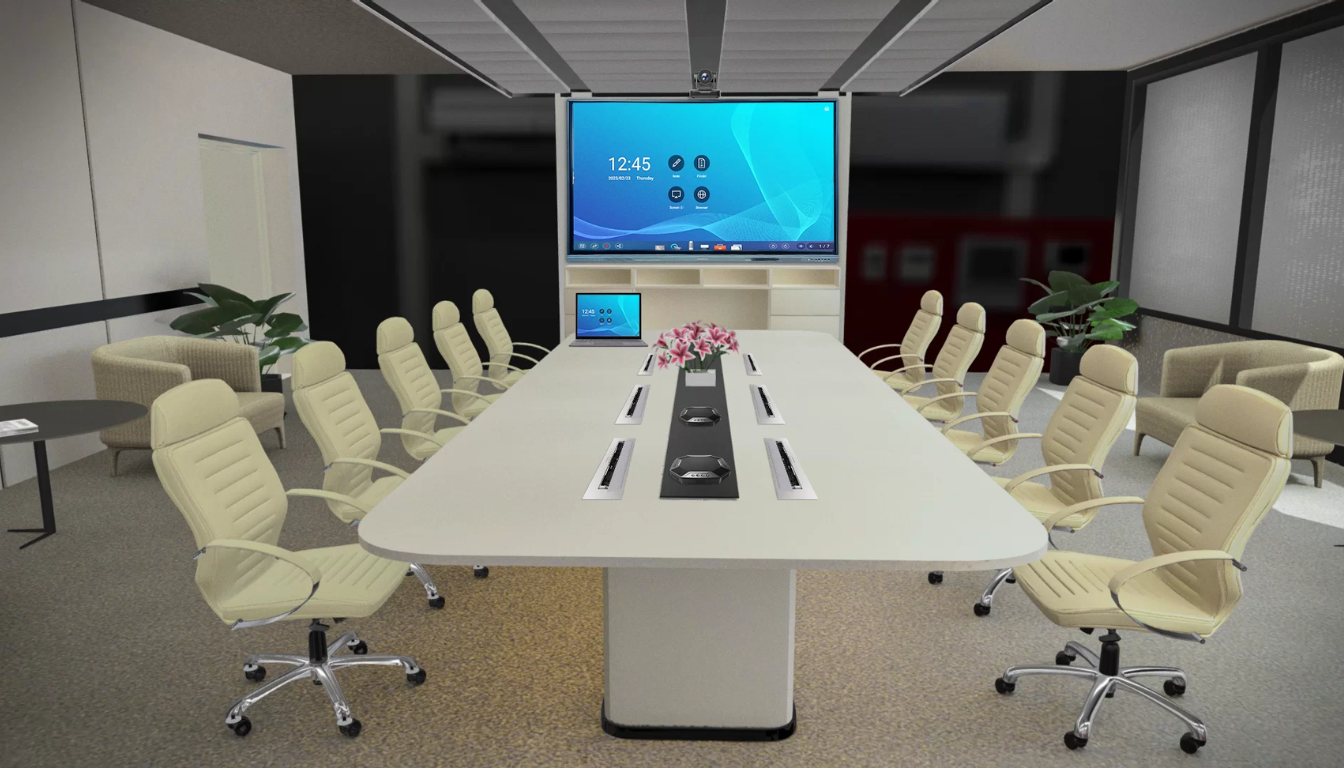
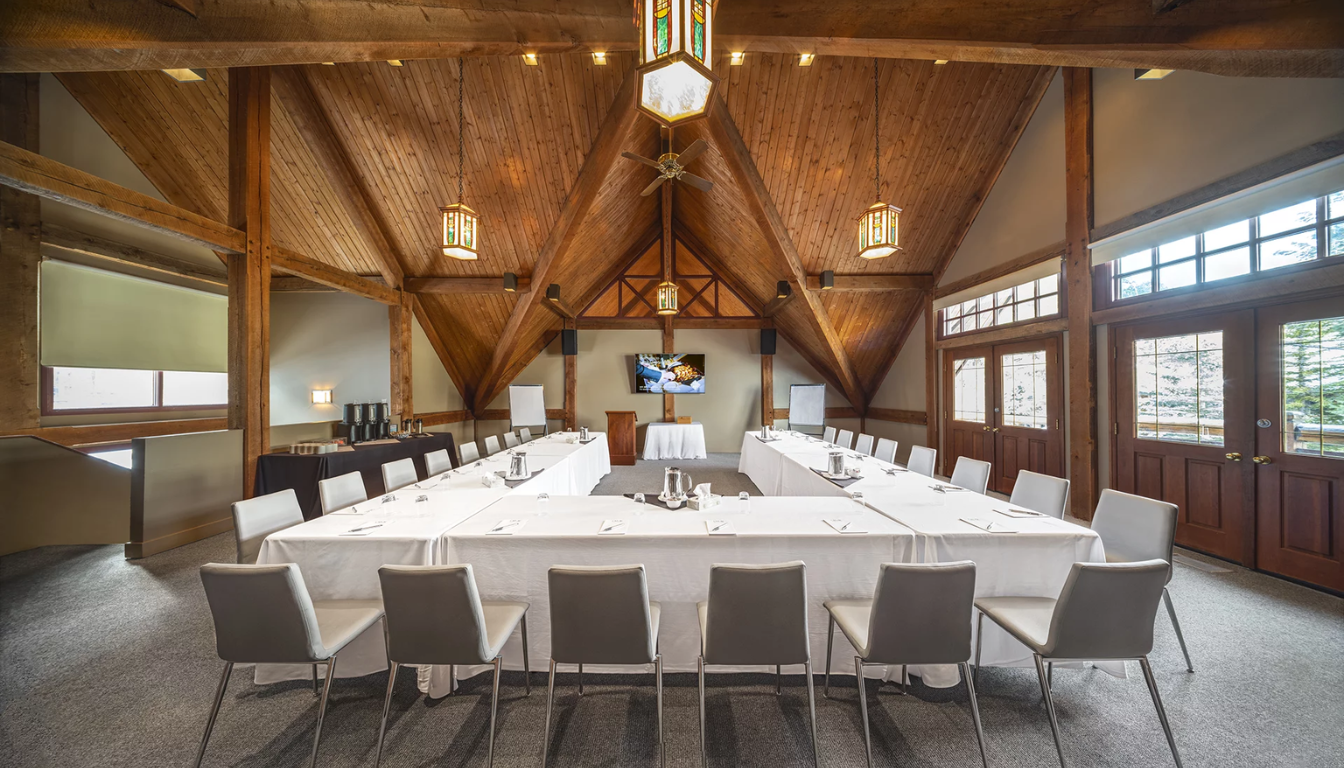
A boardroom or hollow-square layout works well for most boards. Confirm the seating plan with the chair. Add name cards, a printed agenda, water, notepads and pens at each seat. Leave space to the side for presenters waiting their turn.
AV and Hybrid Setup
If any director joins remotely, they need to see and hear everything. Test the camera, microphones, screen sharing and video link the day before. Keep a backup dial-in number ready. Our guide to AV and tech setup for group events explains what to spec and what to outsource.
- Run a test call with a remote participant the day before.
- Keep an AV contact on call during the meeting.
- Print the remote-join details for the chair.
Meeting-Day Run of Show
On the day, your job is to make the meeting feel effortless. Build a simple run of show with times, presenters, breaks and meals, and share it with the chair and the CEO’s office.
- Arrive early to check the room, AV and catering.
- Greet directors and handle arrivals.
- Keep presenters on time and manage who is in the room, including a waiting area when management steps out for executive sessions.
- Track open logistics items as they come up.
After the Meeting: Logistics Wrap-Up
- Close the loop within a week, while details are fresh.
- Collect and secure any printed materials.
- Process director expenses and vendor invoices.
- Send a short feedback request about the logistics.
- Confirm the next meeting date and send calendar holds.
- Update director travel profiles and save this checklist for next time.
If you want less manual work next quarter, look at these executive assistant tools for retreat and travel planning.
Board Meeting Planning Checklist at a Glance
Use this summary as your master checklist. Copy it into your planning tool and add your board’s own dates.
When a Board Meeting Should Become a Board Retreat
A standard board meeting is built for oversight and decisions. Sometimes the board needs more: time for long-term strategy, building trust with a new CEO or bringing new directors up to speed. A packed one-day agenda rarely leaves room for that.
That’s when a board retreat makes sense. Plan for at least 2 days and 3 nights, so there’s time to arrive, work, connect and travel home without rushing. For budgeting, Offsite’s standard for retreats is $2,000–$4,000+ per person, including travel. Our leadership retreat planning guide walks through how to plan that kind of trip.
Summary
A board meeting goes well when nobody notices the logistics. Start early, keep governance and logistics separate, and work backward from the board book deadline. Test the tech before the day, and close the loop afterward. Then save this checklist and reuse it every quarter.
When your board is ready for more than a meeting, Offsite can help. We plan corporate and board retreats, including venues and group travel, at a flat per-person rate.
FAQs
- How far in advance should you start planning a board meeting?

For an in-person meeting with traveling directors, start 8 to 12 weeks out so you can secure the venue, hotel rooms and travel. Many boards also set their meeting dates a year in advance.
- What does an executive assistant do for a board meeting?
The executive assistant usually handles logistics: scheduling, the venue, director travel, meals, board book production and distribution, room setup and AV. Governance tasks like notice and minutes are typically led by the corporate secretary or general counsel.
- What should a board meeting planning checklist include?
A board meeting planning checklist should cover dates and calendar holds, the venue and hotel rooms, director travel, meals and the board dinner, board materials, room setup, AV and remote access, and post-meeting follow-up.
- What is the difference between a board meeting and a board retreat?
A board meeting is a regular session for oversight and decisions, often held in a single day. A board retreat is a longer gathering, ideally at least 2 days and 3 nights, focused on strategy and relationships.
You may also like


Stay Updated with Our Insights
Get exclusive content and valuable updates directly to you.