
Fun Team Events That Don't Feel Forced: 30 Ideas for Every Personality Type


We've all been to that team event. The one where everyone politely smiles through a trust fall or a trivia night that runs 45 minutes longer than it should. The good news: it doesn't have to be that way. Fun team events, the kind people genuinely look forward to and talk about afterward, aren't a matter of luck. They're a matter of design.
The real secret to team events that land? They meet people where they are. Not everyone is an extrovert who wants to be called on in a group icebreaker. Not every team bonds over adrenaline. The most effective fun team events are built around variety, intentionality, and a real understanding of who's actually in the room.
Whether you're planning a quarterly team outing, an annual offsite, or a low-key afternoon to celebrate a win, this guide gives you 30 concrete ideas organized by personality and energy type, plus what actually makes them work.
Key Takeaways
- The best fun team events work because they're designed for the actual people on your team, not a hypothetical "average employee."
- Mixing activity types (collaborative, competitive, creative, reflective) ensures every personality type has at least one thing they'll genuinely enjoy.
- Structured activities tend to outperform open-ended socializing for teams that don't interact regularly.
- Great team social events don't require big budgets. Many of the highest-rated options are low-cost and locally sourced.
- Unique team outing ideas often come from asking your team directly; a quick poll before planning goes a long way.
Why Most Team Events Fall Flat (And How to Fix It)
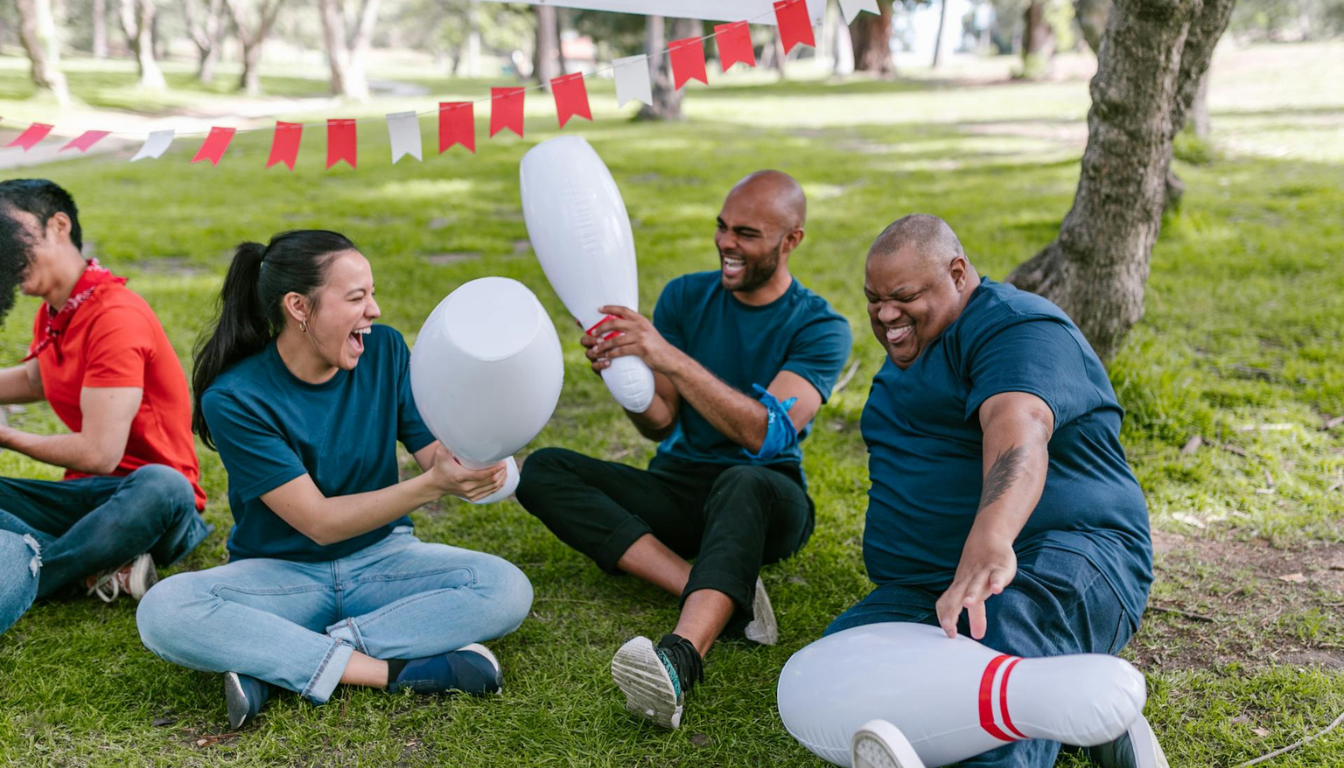
The reason most office event ideas for employees feel forced isn't the activity itself. It's the mismatch between the activity and the team. Mandatory fun has a well-earned reputation for awkwardness, and that reputation usually comes from one of three planning mistakes:
Assuming one activity works for everyone. A room of 30 people contains introverts and extroverts, competitive types and collaborative ones, people who love physical challenges and people who absolutely do not. A single-format event will resonate with some and create low-grade dread in others.
Prioritizing novelty over connection. A trendy activity is fun to put in the invite, but if it doesn't create space for actual interaction, it's just an outing. The best fun team events are designed to spark conversation, create shared experiences, and give people something to reference later.
Skipping the logistics. Even a great activity can be derailed by poor timing, unclear instructions, or an awkward venue. The planning behind the fun matters as much as the fun itself.
The fix? Build a program that offers variety, match the format to your team's culture, and give enough structure that people know what to do, without over-engineering the energy out of it.
30 Fun Team Events Organized by Personality Type
For the Creatives
These activities work especially well for teams that skew toward marketing, design, product, or anyone who thrives when given room to make something.
- Pottery or ceramics class. Hands-on, low-stakes, and deeply satisfying. No one's a professional, which levels the playing field fast.
- Collaborative mural or canvas painting. Each person contributes a section; the whole becomes something the team can display. Great metaphor, great takeaway.
- Cocktail or mocktail crafting workshop. A mixologist guides the group through flavor profiles and technique. Pairs naturally with conversation.
- Food photography challenge. Order or cook a spread, then compete to take the best photo. No experience required, just a phone.
- Improv comedy class. Yes-and thinking, active listening, and the ability to recover from a mistake. Also genuinely funny.
- Candle making or terrarium building. Tactile, quiet, and meditative. Great counterbalance to a high-talk workday.
- Songwriting or music production session. A music producer leads the group through writing and recording a short track. Surprisingly doable and always memorable.
For the Competitors
These options work well for teams with strong achievers who thrive on goals, metrics, and a little healthy rivalry.
- Escape rooms. A reliable classic for good reason: time pressure, problem-solving, and a clear win/lose. Rotate teams so people work with colleagues they don't usually interact with.
- Mini golf tournament. Accessible, low-pressure competitive, and easy to structure around brackets or scoring rounds.
- Cooking competition (think Great British Bake Off style). Assign teams, set a theme, and have a panel of "judges." Works especially well over a full afternoon.
- Trivia night (well-run). The key is a strong host, quick rounds, and knowing when to end. Genre variety helps non-specialists contribute.
- Go-kart racing. A perennial favorite for a reason. High energy, low skill barrier, and everyone talks about it afterward.
- Axe throwing. Better suited to smaller groups or breakout sessions within a larger event. Safety briefings are thorough and the learning curve is satisfying.
- Scavenger hunt (city or campus edition). Structured team challenges across a neighborhood or venue. Works for large groups because you can run multiple teams simultaneously.
- Laser tag or paintball. More physical, higher energy, and best for teams that already have a playful culture.
For the Introverts
These activities let quieter team members contribute meaningfully without requiring them to "perform" in front of the group.
- Board game café afternoon. Small groups, self-directed, and easy to opt into. The best conversations often happen here because the game removes pressure from the social interaction.
- Wine, beer, or spirits tasting. Structured, guided, and paced. This format naturally creates conversation without demanding it.
- Scenic hike or nature walk. Side-by-side movement is one of the best conditions for genuine conversation. A beautiful environment helps too.
- Cooking class (collaborative, not competitive). Everyone works together toward a shared meal. The task gives people something to focus on; the connection follows naturally.
- Book club or documentary discussion. More niche, but excellent for knowledge-worker teams. Share a short piece of content in advance and build a discussion structure around it.
- Photography walk. Give everyone a brief and send them out with their phones. Reconvene to share and discuss what they captured.
- Silent disco or headphone concert. Counterintuitive, but introverts often love this. You're in a crowd but controlling your own experience.
For Remote and Distributed Teams
These activities are designed for teams that rarely or never share a physical space, including hybrid offsite ideas that work across time zones or via video.
- Virtual cooking class. A chef walks remote participants through a recipe in real time. Everyone cooks in their own kitchen and eats together over video.
- Online escape room. Purpose-built for virtual teams. Platforms have gotten significantly better at replicating the experience digitally.
- Virtual trivia with a live host. Different from a generic quiz app. A human host reads the room, adjusts pacing, and makes the energy feel live.
- "Show and tell" session. Each team member shares something from their home, hobby, or city. Low-prep, surprisingly revealing, and a strong connection-builder for distributed teams.
- Collaborative playlist or Spotify session. Everyone adds three songs to a shared playlist around a theme. Play it during the week. More connective tissue than you'd expect.
Large Group and Full-Team Formats
These formats scale to 50 or more people and are designed for full-company or cross-functional events.
- Field day or sports Olympics. Rotating stations of low-skill, high-laugh physical challenges. Works especially well outdoors and for teams that don't usually spend time together.
- Murder mystery dinner. Structured, theatrical, and surprisingly effective at breaking down professional distance. Characters give people permission to be playful.
- Community service day. Habitat builds, food bank volunteering, park cleanups, urban farming. These consistently rank among the highest-engagement team social events in post-activity surveys, particularly for values-driven organizations. People feel something real; that shared feeling sticks.
What Makes a Team Event Actually Work
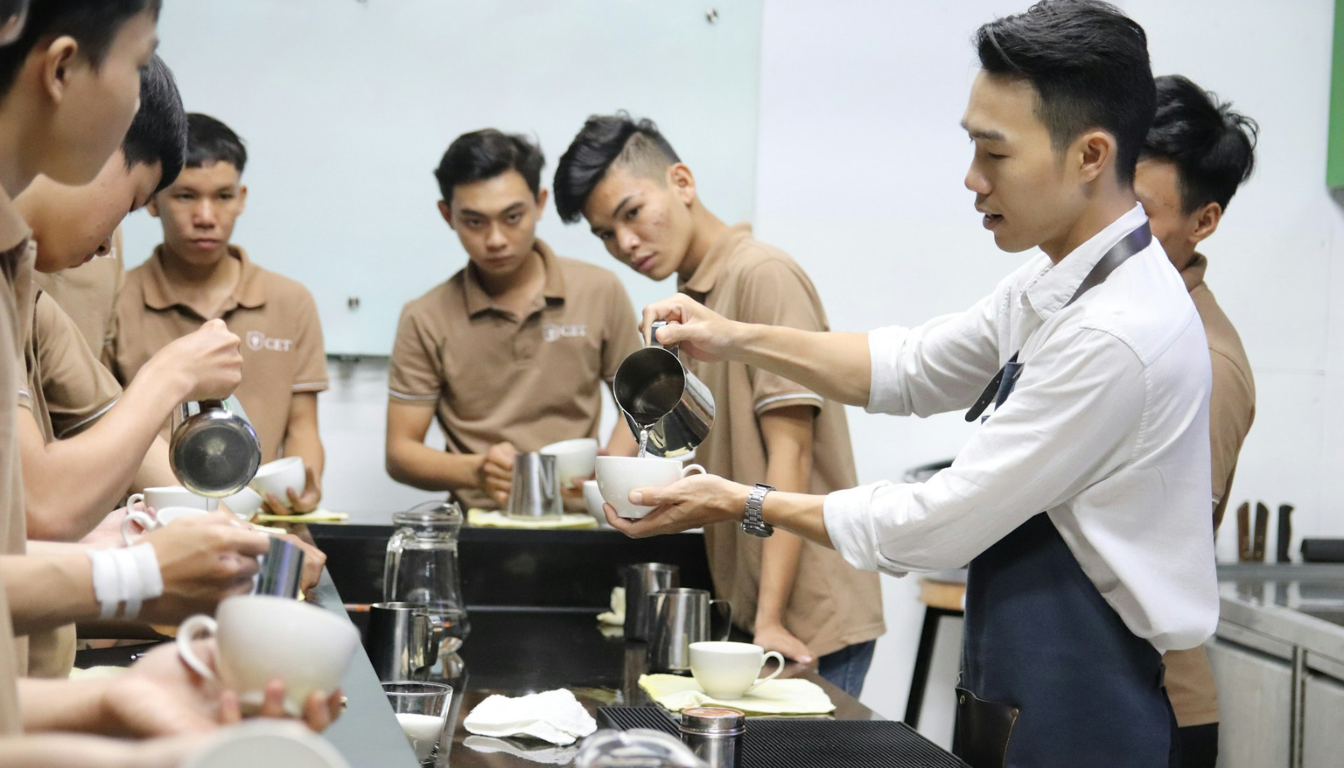
Activity selection is only half the equation. The other half is how you design the experience around it.
Keep groups intentionally mixed. Resist the instinct to let people self-select into their existing social clusters. The value of team events comes from cross-pollination. Mix departments, seniority levels, and office locations wherever possible.
Build in decompression time. The best moments at team events often happen in the spaces between activities, over a meal, during a walk to the next location, or while waiting for something to start. Don't over-program. Leave room for the informal.
Match the format to the moment. A team recovering from a difficult quarter needs something restorative, not intensely competitive. A team celebrating a major win can handle higher energy. A new team building trust needs lower-stakes, low-pressure formats. Context matters.
Survey before you plan. A simple three-question pre-event poll ("What kind of activities do you enjoy?" / "Any accessibility needs we should know about?" / "Anything you'd want to avoid?") removes most of the guesswork and signals to your team that you're planning for them, not at them.
A Note on Inclusive Event Planning

The most fun team events are ones where no one feels left out of the premise. This means:
- Accounting for physical accessibility in any activity involving movement, crowds, or physical challenge.
- Offering non-alcoholic options as a genuine default, not an afterthought, at any event that involves drinking.
- Avoiding activities that require disclosure of personal information (relationship status, family details, salary range) as part of the game format. These create unnecessary vulnerability.
- Acknowledging dietary needs in any food-based event, which includes most of the best ones.
Inclusivity isn't about limiting the fun. It's about making sure the fun is actually available to everyone you invited.
Summary
The best fun team events aren't the most elaborate or the most expensive. They're the most thoughtfully designed. When you account for different personality types, build in space for genuine connection, and match the activity to the moment and the people, the results speak for themselves. Teams leave these events with stronger relationships, sharper trust, and a shared story that outlasts the occasion.
Planning great team social events is ultimately about people, not programming. The activity is just the container. What fills it, the conversation, the laughter, the unexpected moments, is what your team will actually remember. Get the container right, and the rest tends to follow.
FAQs
- What are the best fun team events for large groups?

For large groups of 30 or more, the most effective formats are ones that break down into smaller, self-directed teams. Field day formats, rotating challenge stations, scavenger hunts, and murder mystery dinners all scale well. Community service events are also highly effective at large scale because the shared mission creates cohesion across the group.
- How do you plan team events that work for both introverts and extroverts?
The key is offering variety within the program rather than picking a single format. Pair a higher-energy group activity with a quieter breakout option; structure meals so people can move between smaller conversations rather than sitting in one large group. Activities that give introverts a task to focus on, such as cooking classes, photography walks, and collaborative art, tend to work particularly well across personality types.
- What are some unique team outing ideas that aren't the usual happy hour?
Some consistently well-received alternatives include pottery classes, collaborative mural painting, virtual cooking sessions, city scavenger hunts, and community service days. The common thread: they create shared experiences rather than just shared space. Something happened, and everyone was part of it.
- How often should companies plan team social events?
Common practice and HR guidance suggests quarterly touchpoints are effective for maintaining team cohesion, with at least one larger, more immersive offsite per year. The cadence matters less than the consistency: teams that gather regularly with intention tend to outperform those that only convene for work-related milestones.
You may also like

Stay Updated with Our Insights
Get exclusive content and valuable updates directly to you.