
HR Retreat Planning: The Complete Guide for People Teams


Planning an HR retreat is fundamentally different from planning a company-wide offsite or a sales kickoff. You're not just a logistics coordinator; you're the architect of a gathering that must advance people strategy, strengthen your HR team's internal alignment, and often model the very culture you're asking the rest of the organization to build. Whether you're organizing a multi-day retreat for your HR leadership team, running a people team offsite to reset priorities, or hosting a listening session with managers across the business, effective HR retreat planning requires a distinct framework that goes beyond generic event checklists.
This guide is built specifically for HR executives, people operations leaders, and executive assistants supporting HR functions. You'll find everything you need to design an HR retreat that is purposeful, measurable, and genuinely energizing for the people who spend their days taking care of everyone else.
Key Takeaways
- HR retreats serve a dual purpose: they are both a strategic work session and a team development experience for the people team itself.
- Define your retreat type early: HR team alignment retreats, people strategy offsites, and culture-building retreats each require different agendas and facilitation approaches.
- Your HR retreat agenda should mirror your people philosophy: psychological safety, inclusion, and employee voice should be designed into the experience, not added as afterthoughts.
- Involve HR leadership in goal-setting before logistics: the retreat theme and outcomes must be defined before venue selection or activity planning begins.
- Post-retreat follow-through is where HR retreats succeed or fail: action items from your offsite need owners, timelines, and integration into your HR roadmap.
Why HR Teams Need Their Own Retreat Strategy

Most retreat planning guides are written for the person planning the retreat — not for the HR team attending it. That gap matters. People teams occupy a unique position: they are often responsible for advising on, facilitating, or managing company retreats for other departments, while simultaneously needing their own reset, realignment, and strategy time.
An HR retreat serves two intersecting purposes. First, it is a working session where HR and people leaders can step out of day-to-day operations to address bigger questions: Where is our people strategy heading? Are we aligned on priorities? What does our team need to grow? Second, it is a team-building experience in its own right — one where HR professionals, who often put others' needs first, can invest in their own cohesion and wellbeing.
When HR retreat planning ignores this duality, the result is a retreat that feels like a long all-hands meeting rather than a transformative experience. Getting this right starts with identifying which type of HR retreat you're actually planning.
The Three Types of HR Retreats (And How to Tell Them Apart)
Not every HR offsite has the same purpose. Before touching an agenda or opening a venue search, your planning committee should agree on which of the following retreat types best describes your goals.
1. The HR Team Alignment Retreat
This type is focused inward on the HR team itself. The primary goal is to strengthen relationships, clarify roles and priorities, and build a shared vision for the year ahead. These retreats work especially well at the start of a fiscal year, following organizational restructuring, or when new HR leadership has joined the team. The agenda should balance strategic planning sessions with genuine team-building time — HR teams are often so focused on serving others that they rarely invest in their own interpersonal dynamics.
2. The People Strategy Offsite
This is a working retreat designed to advance a specific set of HR or people strategy deliverables — for example, redesigning a performance management framework, developing a workforce planning model, or pressure-testing a new compensation philosophy. Attendance is usually limited to HR leadership or a cross-functional people team. The agenda is more intensive, with longer working blocks, expert facilitation, and fewer social activities. The output is typically a set of decisions, frameworks, or action plans that can be operationalized after the retreat.
3. The Culture and Listening Retreat
This retreat type involves HR hosting or facilitating a gathering for leaders, managers, or even a cross-section of employees to examine culture, surface employee feedback, and align around values or cultural commitments. It may include structured listening sessions, focus group formats, or facilitated discussions around engagement survey results. HR plays both a planning and facilitation role here — which adds complexity and requires careful preparation to ensure psychological safety for participants.
How to Set the Right Goals for Your HR Retreat

Effective HR retreat planning starts with outcomes, not logistics. Before selecting a venue or sketching an agenda, your HR leadership team should spend time answering three core questions.
What decisions need to be made? Identify the two or three most significant people strategy decisions your team has been avoiding, delaying, or debating. A well-facilitated retreat is one of the best environments to reach alignment on hard questions — but only if those questions are defined in advance.
What relationships need to be strengthened? Consider the interpersonal dynamics on your HR team. Are there cross-functional tensions that have been affecting collaboration? Are there newer team members who haven't yet built trust with senior HR leaders? These relationship gaps won't resolve themselves during working sessions — they require intentional activities and unstructured time designed to build connection.
What does the team need to feel recharged? People professionals are prone to burnout precisely because their work is relational and emotionally demanding. An HR retreat that doesn't include time for rest, reflection, and genuine fun is a missed opportunity. Build in space for the team to experience the kind of culture you're trying to create across the organization.
Building an HR Retreat Agenda That Actually Works
The biggest mistake in HR retreat planning is applying a generic corporate retreat agenda to a people team offsite. HR professionals are typically skilled at recognizing when an experience has been templated rather than designed — and they'll disengage quickly if the agenda feels formulaic.
A well-structured HR retreat agenda incorporates the following elements in balance. For a full hour-by-hour template you can adapt to any of the three retreat types above, see our sample offsite agenda.
Opening with Context and Grounding
Begin with a session that gives participants a shared understanding of where the organization is right now — recent people data, key HR metrics, engagement trends, or a summary of leadership feedback. This grounds the retreat in reality and prevents discussions from becoming abstract or disconnected from the challenges your team is actually facing.
Strategic Working Sessions
These are the highest-value blocks of an HR retreat. Dedicate 30 to 40 percent of your working time to two or three focused strategic discussions tied to your pre-defined goals. Use experienced facilitators where possible — having an HR team member facilitate every session means they can't fully participate as a strategic contributor. Offsite's network of professional facilitators can help you design working sessions that generate real decisions rather than circular conversations.
Team Building That Reflects HR Values
The team-building activities you choose for an HR retreat send a powerful signal about your values. Choose experiences that are inclusive, accessible, and genuinely engaging — not activities that rely on physical competition or create anxiety for introverts. Options like collaborative cooking experiences, community service projects, creative workshops, or outdoor exploration tend to work well for HR teams because they naturally encourage conversation and connection without forcing it.
Reflection and Individual Synthesis Time
HR professionals often move quickly from task to task without pausing to process. Build in 20 to 30 minutes of intentional reflection time — either as a morning journaling prompt, a structured personal goal-setting exercise, or simply a break with no agenda. This investment pays off in more thoughtful contributions during group sessions and a stronger sense of personal clarity by the time the retreat ends.
Venue Considerations Specific to HR Retreats
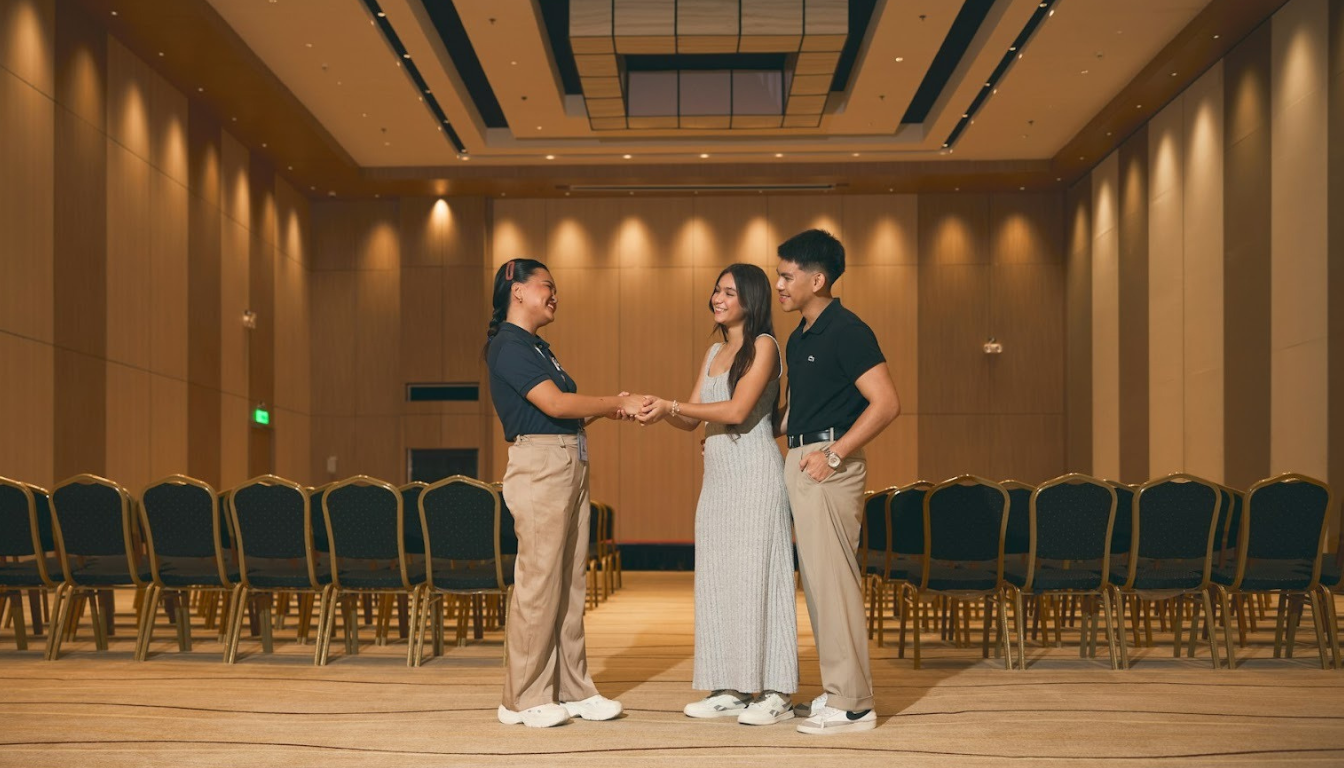
The venue you choose for an HR retreat communicates something about how your organization values its people team. This is not the place to cut corners. At the same time, extravagance for its own sake can feel tone-deaf — especially if the broader organization is navigating budget constraints or headcount pressures.
Look for venues that offer a combination of productive meeting infrastructure and genuine respite from the office environment. Separate sleeping accommodations and meeting spaces matter — teams that work and sleep in the same building for multiple days report stronger connections than those who commute back to a hotel each night. Natural settings, access to outdoor spaces, and venues with strong culinary programs are consistently rated highly by people teams specifically.
Accessibility and inclusion should be non-negotiable in your venue assessment. An HR team that champions belonging but selects a venue with limited accessibility sends a contradictory message. Confirm that meeting rooms, sleeping accommodations, dining, and activity spaces are fully accessible before finalizing any booking.
Plan to book your venue four to six months in advance for a standard HR retreat. For larger people team offsites or retreats in high-demand markets, extend that to six to nine months. Offsite's platform allows HR teams to browse curated venues that match both operational requirements and aesthetic sensibility, with transparent pricing and direct access to venue coordinators.
How Much Should You Budget for an HR Retreat?
HR retreats typically run $2,000–$4,000+ per person when travel is included, in line with other corporate retreat formats. People strategy offsites with external facilitation tend to sit at the higher end of that range, given the specialized expertise involved; smaller team alignment retreats can land closer to the floor. See our complete guide to corporate retreat costs for a full category-by-category breakdown.
What Should Be on Every HR Retreat Planning Checklist?
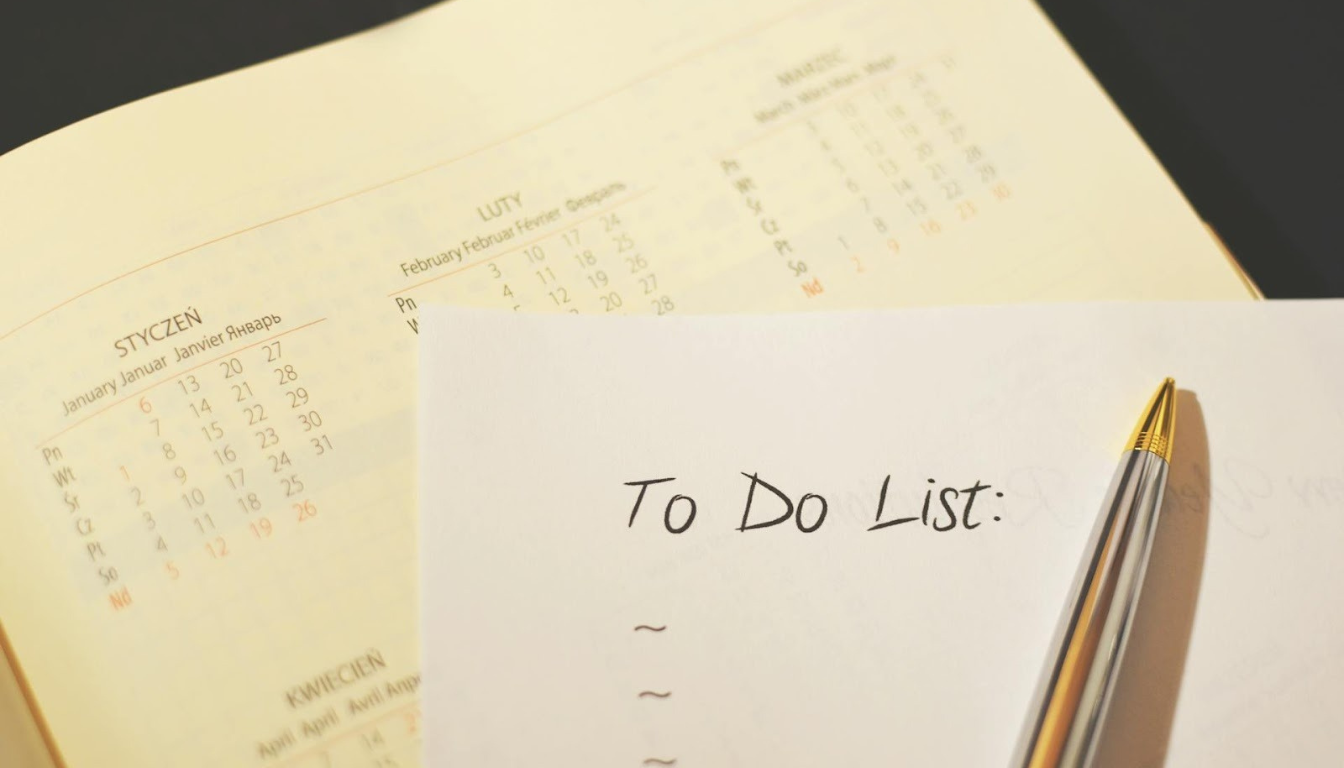
Use the following framework as the foundation of your HR retreat planning process. Customize based on your retreat type and team size.
90+ Days Before the Retreat
- Define the retreat type and primary goals with HR leadership
- Set the budget, including a 10–15% contingency reserve
- Identify and confirm key facilitators or external speakers
- Begin venue search and shortlist top candidates
60–90 Days Before the Retreat
- Confirm venue booking and finalize contract
- Develop the draft agenda in collaboration with HR leadership
- Send save-the-date communications to all attendees
- Collect dietary requirements, accessibility needs, and travel preferences
30–60 Days Before the Retreat
- Finalize the agenda and distribute to participants
- Brief all facilitators on goals, group dynamics, and desired outcomes
- Confirm travel and transportation logistics
- Prepare pre-work materials or reading for strategic sessions
1–2 Weeks Before the Retreat
- Send a comprehensive logistics email including agenda, packing guidance, and venue details
- Confirm final headcount and any last-minute changes with the venue
- Test all technology and presentation equipment
- Prepare evaluation forms for post-retreat feedback collection
How HR Can Measure the Impact of a Retreat
One of the persistent challenges in HR retreat planning is demonstrating value after the fact. Because retreats involve qualitative outcomes like stronger relationships and improved team cohesion, they can be difficult to defend in budget conversations. Building a measurement framework from the start makes this easier.
Start by tying your retreat outcomes back to HR metrics that already exist in your organization. If one goal was to improve HR team cohesion, track team eNPS or internal HR satisfaction scores before and after the retreat. If the retreat was designed to advance a specific people strategy initiative, track whether that initiative moved from planning to execution within 60 days post-retreat.
Collect qualitative feedback within 48 hours while the experience is still fresh. Ask specific questions about session value, what decisions were made, and what participants plan to do differently. This data not only informs future retreats — it also helps you communicate the ROI of HR team investment to senior leadership and finance partners.
Summary
An HR retreat is one of the most powerful tools a people team has to reset, align, and accelerate the work that matters most. But its impact depends entirely on the intentionality behind its design. By starting with clear goals rooted in your specific people strategy priorities, building an agenda that honors both the professional and human dimensions of your team, and selecting a venue and experience that reflects your values, you create the conditions for a retreat that generates real momentum — not just good memories.
The best HR retreat planning doesn't look like event logistics. It looks like people strategy applied to a team experience. When HR professionals get this right — when they bring the same rigor to their own team investment that they bring to the programs they design for the business — the results extend far beyond the retreat itself. Teams leave aligned, recharged, and ready to do their most important work. Offsite supports people teams at every stage of this process, from venue search and facilitation sourcing to end-to-end planning support tailored specifically to HR and people functions.
FAQs
- What is an HR retreat and who should attend?

An HR retreat is a dedicated offsite gathering for HR professionals, people operations teams, or HR leadership designed to align strategy, strengthen team relationships, and advance key people initiatives outside the day-to-day work environment. Attendance depends on the retreat type: an HR team alignment retreat typically includes all HR team members, while a people strategy offsite may be limited to HR leadership and cross-functional partners. Culture retreats may extend to include managers or employee representatives from across the business.
- How is HR retreat planning different from planning a corporate retreat?
HR retreat planning carries a layer of complexity that general corporate retreat planning does not: the people team is simultaneously the planner and the participant. HR teams are also uniquely positioned to model the culture they advocate for, which means every aspect of the retreat experience — from facilitation style to venue accessibility to team-building activities — reflects on the HR function's values and credibility. Generic corporate retreat frameworks often miss this nuance, which is why HR-specific planning guidance tends to produce better outcomes.
- How far in advance should HR teams start planning a retreat?
Most HR retreats benefit from a planning window of at least three to six months, particularly for teams of 15 or more people or for destinations in high-demand markets. Starting earlier allows you to secure preferred venues and facilitators, build a more thoughtful agenda, and give participants adequate notice to manage their calendars. For annual people team strategy retreats, beginning the planning process immediately after the previous retreat ensures continuity and prevents last-minute scrambling.
- What are the best team-building activities for HR retreat planning?
HR teams respond best to team-building activities that feel authentic rather than forced. High-performing options include collaborative problem-solving workshops, community service or giving-back projects, facilitated reflection exercises tied to professional values, culinary experiences, and creative arts activities. Avoid activities that rely heavily on physical competition or create discomfort for participants with disabilities or social anxiety. The goal is to create the kind of psychologically safe, inclusive experience your team recommends to the rest of the business.
You may also like


Stay Updated with Our Insights
Get exclusive content and valuable updates directly to you.