
How to Run a Retrospective Within Your Retreat Agenda: A Format for Honest Team Reflection


Most retreat agendas are built forward: visioning sessions, goal-setting workshops, culture presentations. What's less common, and often more valuable, is deliberately building time to look backward before you plan what's next. That's exactly what a team retrospective does, and when it's done well, it's one of the most productive sessions you can put on a retreat agenda.
The challenge is that retrospectives are easy to mishandle. In the wrong hands, they devolve into complaint sessions, or they produce polite non-answers because nobody feels safe being honest. In the right structure, they unlock the kind of candid, constructive team reflection that doesn't happen in a weekly standup or a one-on-one.
This guide is for HR executives, executive assistants, and offsite planners who want to include a retrospective in their retreat agenda and want to do it in a way that generates real insight, not just the appearance of openness.
Key Takeaways
- A team retrospective embedded in your retreat agenda creates space for honest reflection that typical work meetings can't hold.
- The right format matters: open-ended questions outperform rigid scoring systems when psychological safety is the goal.
- Preparation and framing before the session determine whether people speak candidly or default to safe answers.
- A skilled facilitator, internal or external, is the single biggest factor in a retrospective's success.
- Retrospectives produce their highest ROI when the outputs connect directly to the forward-looking sessions on your retreat agenda.
Why Retrospectives Belong on a Retreat Agenda
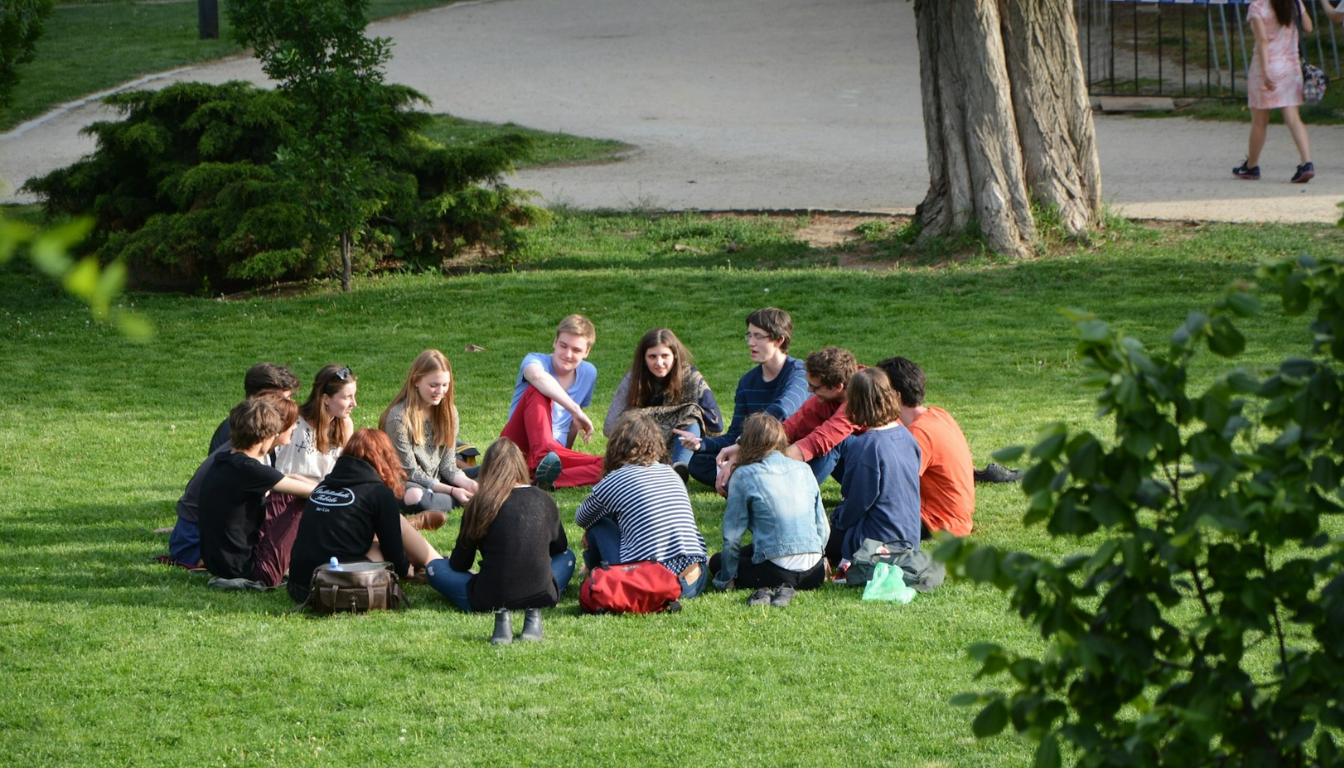
A retrospective is a structured session where a team reviews a defined period, such as a quarter, a project, or a year, with the goal of understanding what went well, what didn't, and what should change. It's a format with deep roots in agile software development, but its value extends well beyond tech teams.
The reason a retrospective works better in a retreat setting than in the office comes down to context. When you're removed from daily operations, with no Slack pings, no back-to-back meetings, and no sense that "we should be doing actual work," the psychological conditions for reflection genuinely change. People are more willing to say what they actually think when they're not sitting in the same conference room where yesterday's tensions played out.
For a full overview of how to plan the retreat itself, see our step-by-step corporate retreat planning guide.
There's also a timing advantage. A retreat typically marks a natural inflection point: the end of a quarter, a strategic reset, the formation of a new team structure. Retrospectives are most powerful when they're anchored to a real transition, when everyone already senses that something is shifting. Your retreat agenda is already marking that moment; a retrospective makes it explicit.
When to Place It in the Retreat Agenda
Timing within the agenda matters more than most planners realize. A retrospective is a backward-looking exercise, and its output becomes the foundation for your forward-looking sessions. That sequencing is important.
The most effective placement is the morning of day two, assuming a multi-day retreat. By that point, the team has had time to warm up socially (day one's social programming does real work here), but you still have a full day ahead to act on what surfaces. Opening the retrospective before teams have connected often produces stilted participation; closing it on the last day leaves no runway to do anything with the results.
If you're working with a single-day retreat agenda, place the retrospective in the late morning, after a brief warm-up activity and before lunch. This leaves the afternoon open for forward-looking work that directly responds to the morning's findings.
What doesn't work: opening the retreat with a retrospective before people have reconnected, or placing it at the very end after energy has already dropped. Honest reflection requires both relational warmth and enough time left to matter.
The Right Format for Honest Reflection

There are many retrospective formats, and the choice of format shapes what kind of conversation you get. For corporate retreat settings, where participants may not share the same candor norms and where stakes feel higher than a typical team sprint, a few formats consistently outperform the rest.
Start, Stop, Continue is the most durable and widely applicable format. Participants identify what the team should start doing (new behaviors or practices worth trying), stop doing (things that aren't working or are actively harmful), and continue doing (practices worth protecting). It's simple enough to work without a strong facilitation background and open-ended enough to surface real issues.
The 4Ls (Liked, Learned, Lacked, Longed For) adds useful nuance for teams that are ready for more depth. "Lacked" and "Longed For" create space for expressing gaps and unmet needs without framing them as complaints, which tends to produce more constructive, less defensive responses.
What? So What? Now What? works well for teams coming off a significant shared experience: a product launch, a major organizational change, or a difficult quarter. The three-question structure naturally pushes from description toward implication and then action, which keeps the retrospective from stalling in a narrative of the past.
For most corporate retreats, Start, Stop, Continue is the right starting point. It's familiar enough that participation doesn't require instruction, but open enough to surface substantive issues when the room has been set up correctly.
How to Set Up the Session for Candor
The format is the vehicle, but psychological safety is the fuel. A retrospective in a retreat setting that hasn't been set up for candor will produce polished non-answers, diplomatic generalities, and the quiet frustration of everyone who had something real to say and chose not to.
A few practices that meaningfully increase candor:
Frame it before the retreat begins. Let attendees know in advance that a retrospective is on the agenda and what format you'll be using. Surprises kill reflection. When people know what's coming, they arrive with their thoughts already forming.
Establish clear ground rules at the start. The most important rule: what's said in the retrospective stays in the retrospective and moves into action, not into performance reviews or management feedback. If attendees aren't confident that honesty won't be used against them, they won't be honest.
Use anonymous pre-work where appropriate. Especially for senior leadership teams or teams with significant hierarchy, anonymous written input before the live session produces more honest submissions than open verbal brainstorming. Digital tools that allow anonymous contribution and then cluster themes work well in this context.
Separate input from discussion. Ask participants to write their responses individually before any group conversation starts. Shared verbal brainstorming creates conformity pressure; people adjust their answers based on what they hear others say. Individual writing breaks that dynamic.
Facilitation: The Most Important Variable

If there's a single factor that determines whether a retrospective succeeds, it's the facilitator. A skilled facilitator creates the conditions for honesty, keeps the session from devolving into a grievance session, ensures quieter voices get heard, and draws out the "so what" that turns reflection into action.
For most teams, the facilitator should not be the team's manager or the most senior leader in the room. When the person responsible for your career advancement is also running the session, the implicit power dynamic shapes what people say, even when that leader is genuinely committed to openness.
External facilitation, either through a professional facilitator or a neutral colleague from a different part of the organization, removes that dynamic and typically produces significantly richer output. If budget or logistics make external facilitation difficult, a trained internal facilitator from your HR or People team can work, provided they're perceived as genuinely neutral.
The facilitator's job includes: setting the frame, managing time, drawing out quiet participants, naming patterns as they emerge, and closing the session with clear ownership of next steps. That last piece is where most retrospectives fail. The conversation ends, the sticky notes come down, and nothing changes. The facilitator is responsible for ensuring the session ends with named actions, named owners, and a date.
Connecting the Retrospective to the Rest of the Retreat Agenda
A retrospective that exists in isolation is a conversation. A retrospective that connects to the rest of your retreat agenda is a foundation.
The most effective retreat agendas treat the retrospective as input, not output. What surfaced in the retrospective, including the patterns, the unmet needs, and the persistent friction, becomes the material that the forward-looking sessions work with. If the retrospective revealed that communication between teams is the core issue, your strategy session that afternoon should address communication. If it surfaced that individual contributors feel excluded from decision-making, your culture programming should respond to that directly.
This is why placement matters so much: you need time after the retrospective to act on what it produced. A retrospective on the last hour of a retreat is a closed loop; it generates insight and immediately bottles it. A retrospective mid-agenda opens a thread that the rest of the retreat can pull on.
Summary
A team retrospective is one of the highest-value sessions you can build into a retreat agenda and one of the most commonly underused. Done well, it creates the conditions for honest reflection that rarely emerges in day-to-day work: structured, psychologically safe, facilitated, and connected directly to what happens next on the agenda. The format you choose matters, the placement matters, the framing matters, but most of all, the facilitation matters. When someone trusted and skilled is running the session, teams say what they actually mean. And what they actually mean is almost always more useful than what the agenda would have gotten without it.
For HR executives and offsite planners, the opportunity is to stop treating the retrospective as a nice-to-have and start treating it as foundational infrastructure for a retreat that creates real change. Paired with the right venue, the right sequencing, and the right facilitation resources, thoughtful end-to-end retreat design supports a well-run retrospective that can be the session people are still talking about six months later.
FAQs
- What is a retreat agenda retrospective?

A retreat agenda retrospective is a structured session built into a corporate offsite where the team pauses to review a defined period, such as a quarter, a year, or a major project, and reflects on what went well, what didn't, and what should change. Unlike a typical meeting debrief, it uses a deliberate format and facilitated process designed to generate honest, constructive input in a psychologically safe environment.
- How long should a retrospective be in a retreat agenda?
For most teams, 90 minutes to two hours is the right range for a meaningful retrospective at an offsite. Shorter sessions often don't allow enough time for individual reflection before group discussion, while sessions longer than two hours tend to lose energy and focus. If your team has significant material to cover, such as a full year of organizational change, consider splitting the session across two shorter blocks with a break in between.
- What's the best retrospective format for a corporate retreat?
Start, Stop, Continue is the most versatile format for corporate retreats because it's simple, familiar, and surfaces both problems and solutions without requiring participants to have retrospective experience. For teams ready for more nuance, the 4Ls format (Liked, Learned, Lacked, Longed For) tends to generate richer output. The right choice depends on your team's culture, the degree of psychological safety already present, and the specific period or experience you're reflecting on.
- Should a manager facilitate the retrospective?
In most cases, no. When the person who evaluates your performance is also running the session, it changes what people are willing to say, even if that manager genuinely wants candor. A neutral facilitator, whether external or from another part of the organization, typically produces more honest and useful output. If the senior leader wants to participate, the best role for them is as a contributor, not a facilitator.
You may also like



Stay Updated with Our Insights
Get exclusive content and valuable updates directly to you.