
Offsite Meeting Agenda Template: How to Structure a High-Impact 2-Day Company Retreat


A company retreat without a well-designed agenda is just an expensive gathering. The difference between an offsite that generates real strategic momentum and one that produces a lot of sticky notes and very little follow-through almost always comes down to how the time was structured before anyone walked into the room. This offsite agenda template gives you a complete, time-blocked framework for a high-impact 2-day company retreat — one that balances strategic output with genuine team connection, and leaves participants with clear decisions, real commitments, and the energy to act on them.
If you're still working out goals and budget before designing the agenda, start with our guide to step-by-step corporate retreat planning.
Key Takeaways
- A strong offsite agenda template balances structured strategic sessions with intentional open and social time — neither over-scheduling nor under-structuring.
- Day 1 should focus on alignment, context-setting, and building psychological safety; Day 2 should focus on decisions, prioritization, and forward commitments.
- Cap deep-focus working sessions at 90 minutes before a meaningful break — attention and creative thinking degrade significantly beyond that threshold.
- Every session needs a defined output, not just a topic, so participants and facilitators know exactly what "done" looks like.
- Post-offsite follow-through documentation, distributed within 48 hours of departure, is among the most reliable indicators of whether offsite decisions actually get implemented.
Design Principles Behind This Offsite Agenda Template

Most offsite agendas fail in one of two directions: they are over-scheduled, grinding participants into exhaustion before the end of Day 1, or they are under-structured, with loosely defined sessions that drift into unfocused conversation and leave without clear outcomes. This template is built on three principles designed to avoid both failure modes.
Schedule Around Energy, Not Just Time
Human cognitive performance peaks in the late morning, dips after lunch, and recovers slightly in the late afternoon. The highest-stakes strategic sessions — complex decisions, difficult trade-off conversations, alignment on priorities — belong in the morning windows of both days. Afternoons work better for creative workshops, team-building activities, and lighter collaborative work. Evenings should be reserved entirely for social connection and recovery, not structured programming.
Define Outputs Before You Define Sessions
Every session on an offsite agenda should answer three questions before it earns a spot on the schedule: What are we trying to decide, align on, or create? What will we have produced by the end of this session? Who is facilitating it? A session titled 'Discuss Q3 Strategy' and one titled 'Align on the three strategic priorities we will fund in Q3 and assign an executive sponsor to each' are fundamentally different experiences. The second one produces an outcome. Build every session around that standard.
Build In More White Space Than Feels Comfortable
Unstructured time is where a significant amount of the most valuable offsite work actually happens — the informal alignment conversations, the relationship repair, the spontaneous problem-solving that unlocks the formal sessions. Fifteen minutes between sessions is a standard, not a luxury. Resist the impulse to fill every gap with a new agenda item. A tighter agenda with more breathing room consistently outperforms a packed one. For a detailed framework on getting this ratio right, see our retreat agenda guide on balancing work and free time.
The 2-Day Offsite Agenda Template
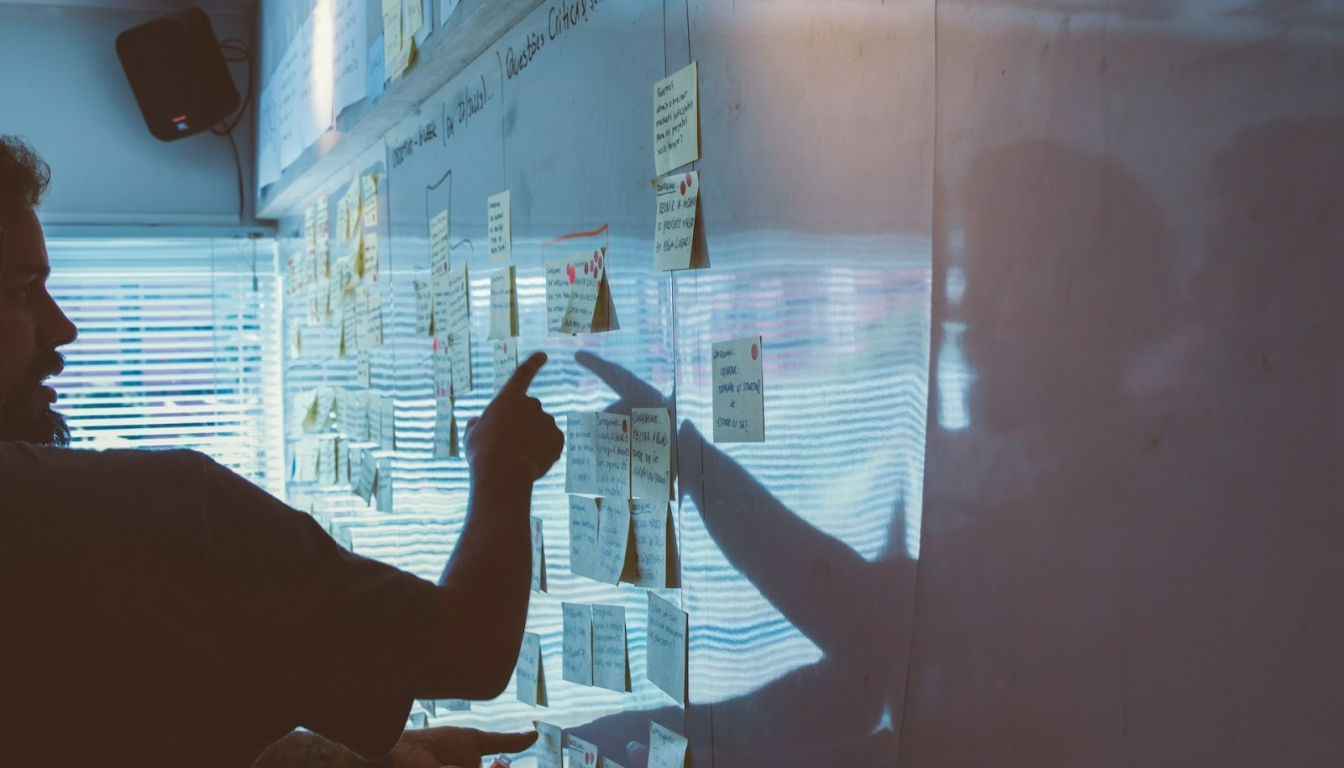
The following template is designed for groups of 10 to 50 participants and optimized for a blend of strategic alignment and team cohesion outcomes. Adjust times based on your group size, travel logistics, and session objectives.
Day 1: Alignment, Context, and Foundation
Day 1's purpose is to transition participants out of their everyday work context, establish a shared picture of where the organization stands, and build the psychological safety that makes Day 2's harder conversations possible. Resist the temptation to front-load Day 1 with heavy decision-making — it bypasses the trust-building that makes those decisions actually stick.
8:30 AM — Arrival and Informal Welcome (30 min)
Allow time for arrivals, coffee, and informal connection before formal programming begins. This buffer absorbs late arrivals and travel fatigue without penalizing the full group.
9:00 AM — Opening and Context-Setting (90 min)
Open with a brief executive framing of the offsite's purpose and a clear articulation of the two or three outcomes the group needs to achieve before leaving. Follow with a structured context session: where is the organization today, what does the data say, and what are the most important questions that need answering? End with shared agreement on the offsite's core objectives.
10:30 AM — Break (15 min)
10:45 AM — Team Diagnostic or Culture Session (75 min)
Surface the relational and organizational dynamics that will shape the quality of strategic work to follow. Options include a team health assessment, a structured retrospective, a values alignment exercise, or a facilitated conversation about what is working and what is not. This session is where psychological safety is built or reinforced. Use a structured format — unguided open conversation at this stage of an offsite rarely goes where you need it to go. For a full facilitation guide, see how to run a retreat agenda retrospective that builds psychological safety before Day 2's harder decisions.
12:00 PM — Lunch (75 min)
Use intentional seating arrangements that encourage cross-functional or cross-seniority conversation. For larger groups, a light structured conversation prompt can spark connection without feeling like another agenda item.
1:15 PM — Strategic Deep Dive: Topic 1 (90 min)
Choose a substantive topic that warrants offsite attention but is not so politically charged that it risks stalling the group before it has found its collaborative rhythm. Potential topics include product or market strategy, competitive landscape review, customer feedback synthesis, or organizational model questions. Distribute a concise pre-read to maximize the depth of discussion possible within the session window. Define the output clearly before the session begins.
2:45 PM — Break and Transition (15 min)
3:00 PM — Team Experience or Collaborative Activity (90 min)
The mid-afternoon Day 1 slot is best used for an activity that builds cohesion without the cognitive demand of a strategy session. Options range from facilitated creative exercises and problem-solving challenges to outdoor activities, skill-building workshops, or collaborative learning experiences. The goal is energizing engagement and relationship investment — not output production.
5:00 PM — Day 1 Debrief and Preview (30 min)
Close the formal day with a brief reflection on themes and insights that emerged, questions that remain open, and a clear preview of what Day 2 will require. This creates cognitive closure and primes participants to continue processing overnight — a genuine neurological benefit that improves Day 2 discussion quality.
6:30 PM — Group Dinner (open-ended)
Group dinner is non-negotiable and one of the highest-ROI time investments in the entire offsite. Shared meals build the relational capital that makes the following day's difficult conversations significantly easier. Keep the formal agenda at dinner to zero. If senior leaders want to make remarks, keep them brief, warm, and informal.
Day 2: Decisions, Prioritization, and Commitments
Day 2 is where the offsite produces its most tangible value. With alignment established and relationships warmed from Day 1, the group is positioned for the harder, more consequential work: prioritization trade-offs, resource allocation, ownership assignments, and the specific commitments that will shape organizational direction in the weeks ahead.
8:00 AM — Optional Morning Movement (60 min)
An optional early activity — a guided walk, yoga, or light exercise — supports cortisol normalization, elevates mood, and sharpens the cognitive performance participants bring to the morning's strategic sessions. Keep it optional and non-competitive.
9:00 AM — Priorities and Trade-offs Session (90 min)
This is the highest-stakes session of the offsite and belongs in the prime morning cognitive window without exception. Use structured prioritization frameworks — dot voting, impact-effort matrices, forced ranking, or the Now/Next/Later model — to help the group navigate the trade-off conversations that are almost impossible to resolve in standard meeting formats. By the end, the group should have a clear, shared, written picture of what is being prioritized and what is being consciously set aside.
10:30 AM — Break (15 min)
10:45 AM — Strategic Deep Dive: Topic 2 (75 min)
Reserve the second strategic deep dive for the topic that most benefits from having the Day 1 context and Day 2 prioritization decisions already established. Common candidates include go-to-market strategy, cross-functional process design, organizational structure questions, or key leadership and team-building discussions. Apply the same output-definition discipline as Day 1.
12:00 PM — Lunch (60 min)
1:00 PM — Action Planning and Owner Assignment (75 min)
Document every significant decision made across both days, assign each to a specific owner, and attach a concrete completion timeline. Use a simple decision and action log — a shared document visible to all participants — and work through it systematically. This session belongs in the early afternoon, not as a last-minute scramble before departures. Rushed action planning at the end of an offsite is one of the most common reasons implementation fails.
2:15 PM — Break (15 min)
2:30 PM — Open Issues and Parking Lot (45 min)
A well-run offsite almost always generates questions and topics that were surfaced but not fully resolved during scheduled sessions. Give those items a structured home here. Each parking lot item either gets a brief resolution, gets assigned to a specific owner for follow-up, or gets explicitly deferred to a future forum with a clear rationale.
3:15 PM — Closing Session: Reflections and Commitments (45 min)
End with intention. Ask each participant to share one key insight from the two days, one personal commitment they are taking back to their work, and one thing they appreciate about the team. The facilitator or executive sponsor closes by naming the decisions made, the most important commitments on record, and what follow-through will look like in the days ahead.
4:00 PM — Departures
Who Should Facilitate Your Offsite?

Facilitation is the most consistently underinvested element of offsite planning. The same person cannot simultaneously drive the agenda forward and freely participate in the strategic discussions the agenda is designed to produce — that structural conflict almost always resolves in favor of participation, at the expense of process quality. For offsites where the content is sensitive, the group dynamics are complex, or the decisions at stake are high-value, an external facilitator is almost always worth the investment. For lower-stakes sessions with experienced internal talent, an internal facilitator can work well — provided they are genuinely relieved of participant responsibilities during the sessions they run.
Pre-Work and Participant Preparation
The quality of work an offsite produces is determined as much by what happens before participants arrive as by what happens in the room. Distribute your offsite agenda template to all participants at least one week before the event, along with concise, session-specific pre-reads that answer the question: what should participants know or have considered before this session begins? A brief pre-offsite reflection prompt — two or three questions shared in advance — meaningfully raises the baseline quality of discussion from the first session onward. Groups that arrive prepared accomplish in 90 minutes what an unprepared group cannot accomplish in a full day.
Summary
A well-structured offsite agenda template is the single planning document most responsible for whether a 2-day company retreat produces real outcomes or just a good experience that fades within two weeks. The framework here — Day 1 anchored in alignment and relational foundation, Day 2 anchored in decisions and concrete commitments — reflects the consistent pattern of offsites that participants describe as genuinely impactful. Adapt the specific sessions to your organization's priorities, but hold firmly to the underlying design logic: energy-aware scheduling, output-defined sessions, generous white space, and a closing structure that names who owns what and by when. Distribute the agenda early, invest in skilled facilitation, and get a written summary of decisions and action items to participants within 48 hours of departure. Do those four things and your offsite will accomplish more in two days than most teams achieve in months of regular meetings.
FAQs
- What should be included in an offsite agenda template?

A strong retreat agenda should include a clear opening session that establishes context and outcomes, a mix of strategic working sessions with defined outputs, structured breaks and transition time, at least one relationship-building or team cohesion activity, a prioritization or decision-making session, an action planning block with owner assignments, and a formal closing session that surfaces individual and team commitments. Each session should specify the time block, expected output, and the name of the session facilitator or owner.
- How many sessions should a 2-day offsite agenda include?
A realistic 2-day offsite agenda typically includes four to six substantive working sessions across both days, in addition to opening and closing sessions, social time, and breaks. Attempting to schedule more than this consistently results in rushed sessions, depleted participants, and lower-quality outputs. It is better to accomplish five things well than to attempt twelve and complete none of them with sufficient depth.
- How far in advance should I send the offsite agenda to participants?
Send the agenda to all participants at least one week before the event, along with any session-specific pre-reads. Two weeks in advance is preferable for senior leadership teams with complex calendars. Early distribution allows participants to prepare meaningfully, flag agenda adjustments before it is too late to accommodate them, and arrive with enough context to make the first session immediately productive.
- Should every offsite session have a designated facilitator?
Yes. Every session should have a designated facilitator whose role is to guide the process, manage time, ensure balanced participation, and drive the group toward the session's defined output. Facilitation responsibilities can be distributed across multiple team members — not every session requires the same person — but each facilitator should be briefed on objectives in advance and have sufficient neutrality to manage the discussion without a personal stake in the outcome.
You may also like


Stay Updated with Our Insights
Get exclusive content and valuable updates directly to you.