
Beachside Corporate Retreats: How to Find Venues That Balance Work and Play

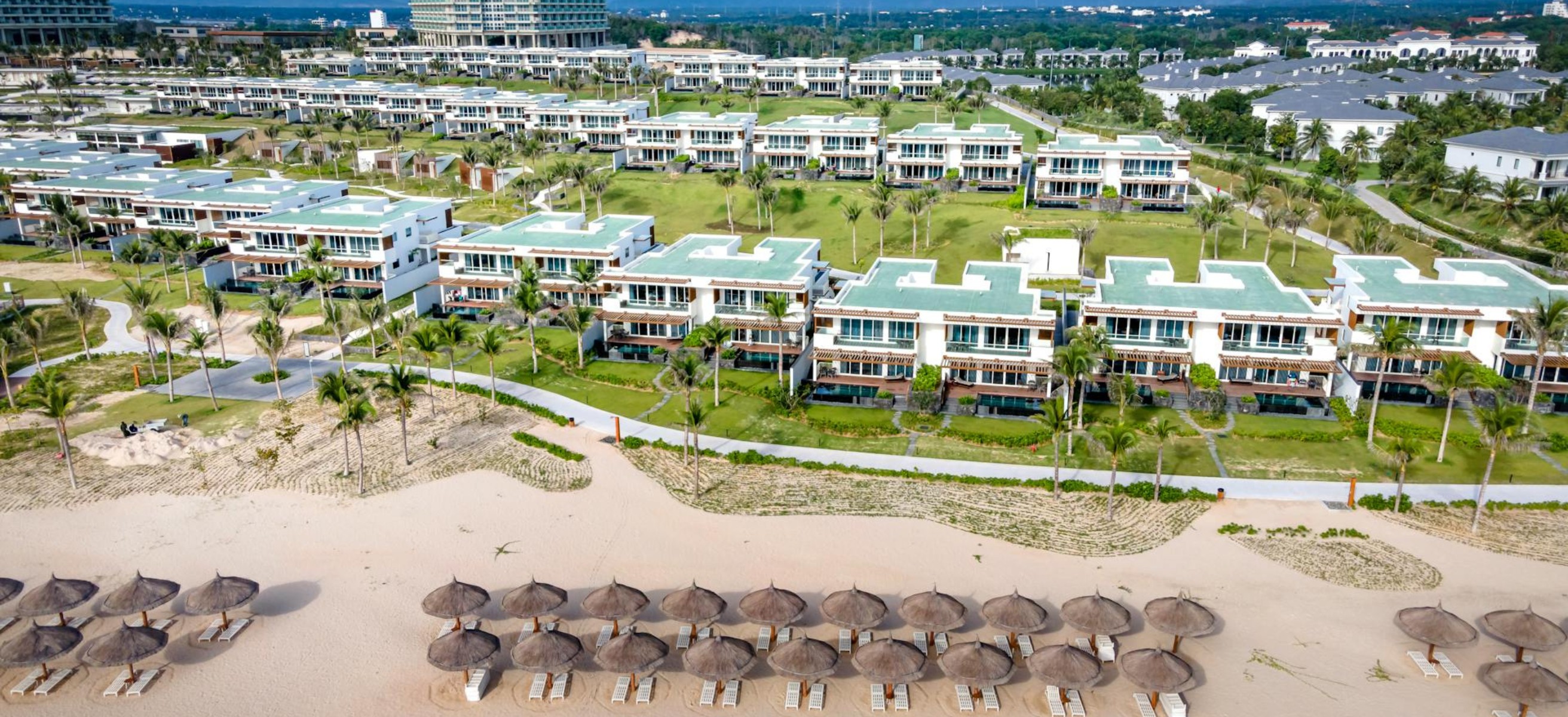
There's a version of the beachside corporate retreat that everyone dreads: back-to-back sessions squeezed into a hotel ballroom while the ocean sits right outside the window, completely ignored. Then there's the opposite failure, a two-day stretch of unstructured beach time that left the team relaxed but wondering why they flew somewhere together to do nothing particularly meaningful.
The best beachside retreats live in the tension between these two extremes. They use the coastal setting intentionally, not as a backdrop, but as a design element that shapes the pace, the mood, and even the agenda. Coastal settings consistently rank among the most requested corporate retreat locations for exactly this reason — the environment does work that a conference room simply can't. Getting that balance right takes more than a nice venue and good weather. It takes a deliberate approach to how you select the property, structure the program, and decide which parts of the day belong to work and which belong to the water.
This guide is for HR executives, executive assistants, and offsite planners who are weighing a coastal location and want to make sure the investment pays off, not just as a perk, but as a genuinely productive and memorable team experience.
Key Takeaways
- Beachside retreats work best when the coastal environment is treated as a program element, not just an amenity; the setting should shape the agenda.
- Venue selection is the most consequential decision; proximity to the beach, group size capacity, and meeting space quality must all align.
- The most common failure mode is over-scheduling: teams that spend every hour in sessions miss the restoration that makes coastal settings worth the premium.
- Beach team building activities, from water sports to sunset strategy walks, consistently generate higher engagement than conventional indoor alternatives.
- Shoulder seasons (spring and early fall) often offer better value, fewer crowds, and more predictable weather for planning purposes.
Why a Beachside Setting Changes the Retreat Dynamic
The appeal of a coastal retreat goes beyond aesthetics. Research suggests that natural environments, particularly those near water, can affect cognitive performance, stress levels, and interpersonal openness. The basic claim is intuitive: people relax differently near the ocean. They speak more candidly. They're more willing to step outside the patterns they've established back at the office.
For teams that rarely see each other in person, or teams that have been grinding through a demanding stretch, a beachside setting creates psychological distance from the normal work environment in a way that a city hotel simply can't replicate. That distance is a feature, not a distraction.
But the dynamic only works if the retreat is designed to take advantage of it. A beachside venue that schedules eight hours of slide-heavy presentations each day wastes the setting. The goal is to match the right kinds of work to the environment: use the beach and the natural rhythm of the coast for relationship-building, reflection, and lighter structured activities; reserve the meeting rooms for the work that genuinely requires focused group attention.
When planners understand this distinction and build it into their agenda, a coastal retreat delivers something a conference center simply can't.
What to Look For in a Beachside Retreat Venue
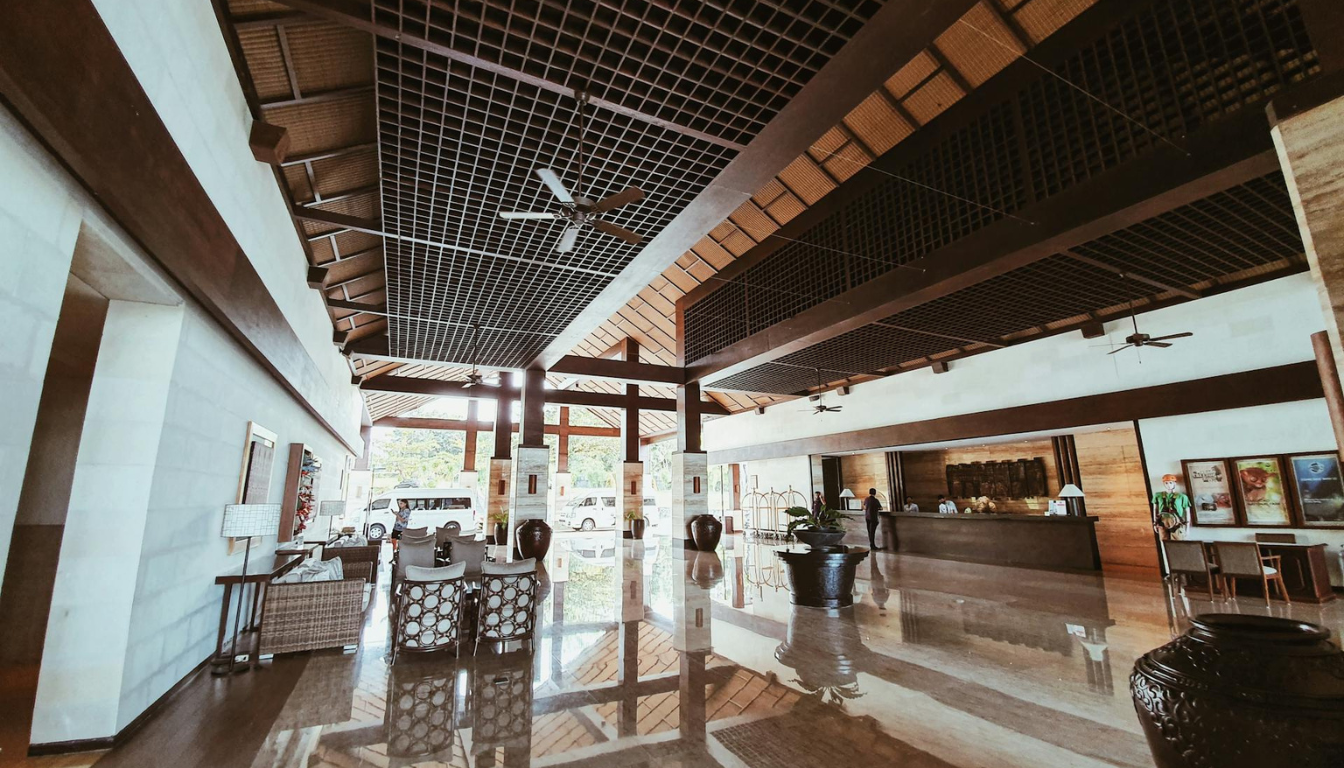
Not all coastal venues are built for corporate groups, and the difference between a venue that works and one that looks great in photos but creates logistical friction is significant. Here's what to evaluate.
Beach access and proximity. This seems obvious, but it's worth being specific. "Oceanfront" can mean a resort with a private beach fifty feet from the lobby, or a property that advertises ocean views from rooms that are a fifteen-minute shuttle ride to actual sand. Clarify the specifics: Is the beach private or public? How far is it from the main gathering space? Can the property set up breakout areas or social events on the beach itself? Teams on the West Coast will find strong answers to all of these questions among California coastal retreats — Half Moon Bay and Carmel Valley in particular offer genuine oceanfront access with strong corporate infrastructure.
Meeting and breakout space quality. Coastal venues are often designed for leisure, which means the meeting infrastructure doesn't always match the setting. Look for venues that can offer natural light in meeting rooms (or outdoor covered spaces with functional A/V), reliable Wi-Fi throughout the property, and room configurations that work for your group's planned sessions. A boardroom that seats twenty people in a rigid U-shape is a problem if your program is built around interactive workshops.
Group size fit. A boutique inn that's perfect for a ten-person leadership team will feel cramped and loud for a fifty-person departmental offsite. Conversely, a large resort will feel impersonal for a small group looking for connection. Match the venue's functional capacity, not just its listed capacity, to your actual group size.
Balance of shared and private space. The best beachside retreat venues have a range of gathering options: common spaces for shared meals and socializing, smaller breakout areas for focused work, and enough privacy in individual accommodations that people aren't in each other's way around the clock. This is especially important for multi-day retreats where social energy tends to deplete toward the end.
On-site programming and local partnerships. Some venues have established relationships with local activity providers, including watersport outfitters, guided excursion operators, and local restaurants for buyout dinners. This matters for logistics: coordinating third-party vendors from scratch in an unfamiliar coastal town is time-consuming. A venue that already has these relationships reduces planning overhead significantly.
Structuring the Agenda: The Work-Play Balance
The most common mistake in beach corporate retreat planning isn't choosing the wrong venue. It's designing an agenda that treats the setting as irrelevant. Teams that replicate their standard offsite schedule in a coastal environment end up with a more expensive version of something they could have done anywhere.
A well-designed beachside agenda uses the setting structurally. Here's a general framework that works for most two- to three-day coastal offsites.
Mornings for focused work. Cognitive performance peaks earlier in the day for most people, and beach environments tend to encourage later social rhythms. Take advantage of both: schedule your most substantive sessions, such as strategic planning, problem-solving workshops, and feedback conversations, in the morning when people are fresh, and the beach is less of a pull. Two to three hours of concentrated group work is typically more productive than six hours of diminishing-returns sessions.
Afternoons for team building and exploration. Once the primary work of the day is done, the afternoon becomes a structured release valve. This is where beach team building activities come in: group water sports like kayaking or paddleboarding, a team beach volleyball tournament, a coastal walk with a facilitated discussion built in, or a local seafood experience that gets people off the property and into the community. These activities generate the kind of informal connection that rarely happens in a conference room, including conversations that continue at dinner and inside jokes that persist when the team is back home.
Evenings for genuine restoration. The dinner hour and evening are often over-programmed in corporate offsites. A sponsored event or group dinner is appropriate on the first night to set a social tone, but subsequent evenings should offer real choice: some people will want to explore the area, others will gather at the beach bar, and others will want an early night. Mandating group attendance at evening events past eight p.m. often backfires and generates quiet resentment.
Build in unstructured time explicitly. This is the counterintuitive part: put the free time on the agenda. When people know that 4:30 to 6:00 p.m. is theirs to use however they want, they're more present during the structured sessions that precede it. Unscheduled ambiguity tends to generate anxiety rather than rest, especially in high-performing teams.
Beach Team Building Activities That Actually Work
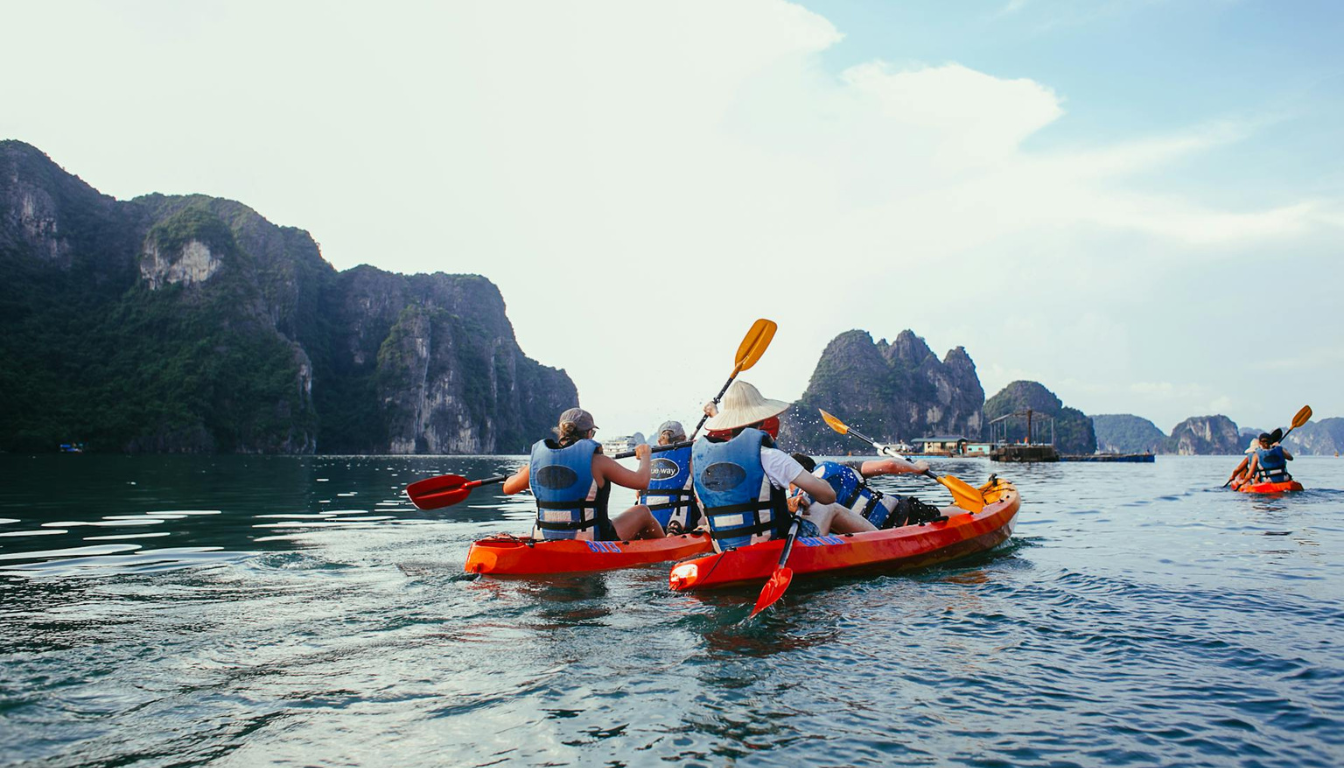
The phrase "team building" still carries baggage from a decade of forced trust falls and personality assessments. Coastal environments offer a genuinely different palette. The best beach team building activities share a few qualities: they're voluntary in spirit (even if attendance is expected), they generate natural conversation, and they don't require specialized skills to participate meaningfully.
Water-based group activities such as group kayak excursions, stand-up paddleboard lessons, surf clinics, and guided snorkeling work well for teams that are comfortable with some physical challenge. They generate shared experience quickly and create a natural leveling effect: rank and title don't mean much when everyone's trying to stay upright on a board.
Beach Olympics and informal competition are perennially effective because they're easy to participate in, generate collective energy, and have a natural endpoint. Volleyball, cornhole, beach relay races, the format is less important than the fact that they're low-stakes and genuinely fun rather than exercises dressed up as fun.
Coastal walks with structured reflection are underused but consistently well-received. A facilitated thirty- to forty-five-minute walk along the beach, with a simple prompt or discussion framework, uses the environment itself as a creativity enhancer. The forward movement and the absence of a conference room remove the psychological formality that tends to make honest dialogue harder.
Community and local engagement brings the same benefits as service-based team building while connecting the team to the place they're visiting. A morning spent helping with a coastal conservation project, a cooking experience built around local seafood with a regional chef, or a cultural tour led by a community guide creates memories that are specifically tied to that location. Teams looking for this kind of authentic, community-rooted experience will find strong Southeast beachside retreat options along Georgia's Golden Isles — Jekyll Island and St. Simons Island offer exactly this combination of coastal access and local character.
Choosing the Right Season and Destination
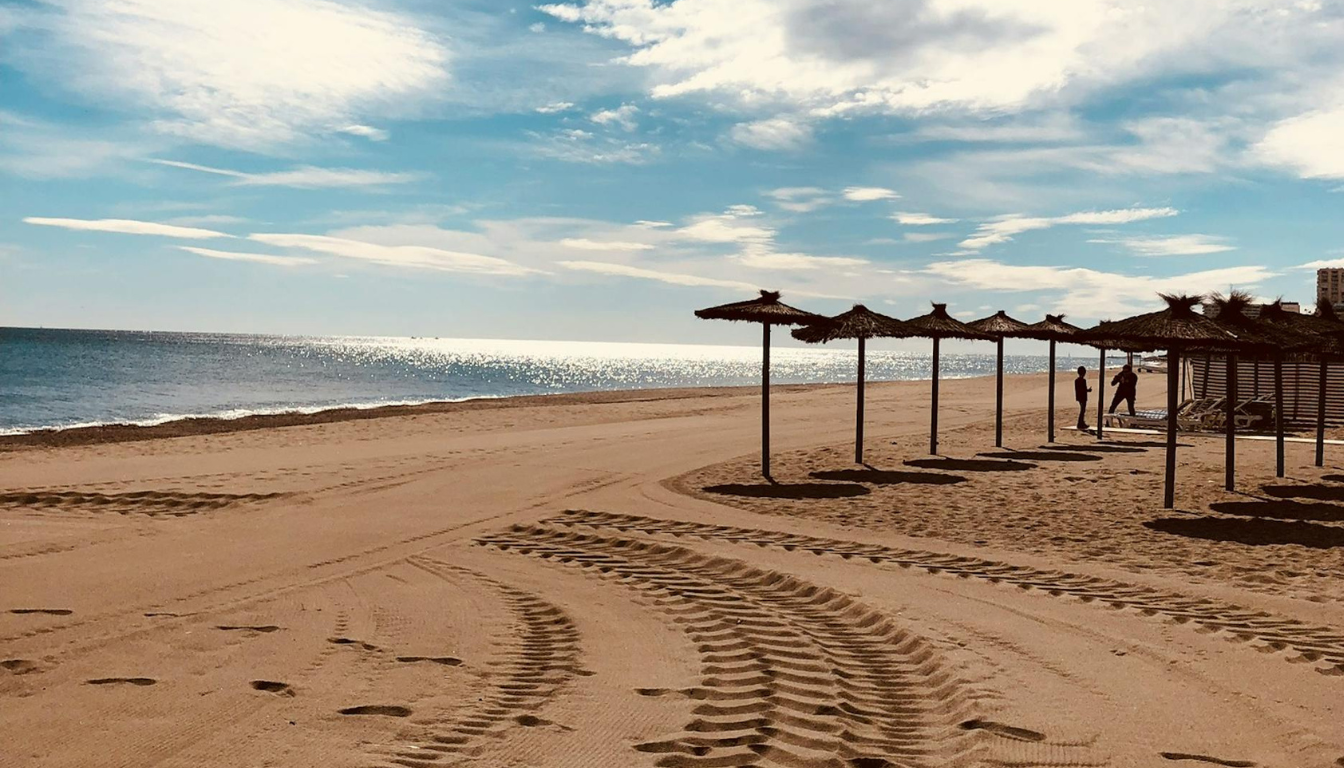
The timing of a beachside retreat affects everything from venue availability and pricing to weather reliability and crowd levels. Peak summer months offer ideal weather in most coastal destinations but come with premium pricing, limited availability, and the kind of crowds that make a private beach feel less private.
Shoulder season, meaning late spring (April through early June) and early fall (September through October), is the sweet spot for most corporate groups. The weather in many coastal regions is still excellent, pricing is meaningfully lower, and the experience is quieter and more focused. Teams considering tropical beachside retreats like Costa Rica will find the green season (May through November) delivers particularly strong value — lush landscapes, fewer crowds, and meaningfully lower rates across accommodations and activities. A team of thirty at a beachside property in October has a very different experience than the same team in July, surrounded by leisure travelers.
Destination selection also shapes the planning calculus. Domestic coastal options reduce travel complexity and cost; international destinations create a higher sense of occasion but add logistical layers. For teams that want a domestic beach destination with strong venue infrastructure and year-round warm weather, our guide to Florida beach retreats covers the strongest options across Miami, Orlando, and the Gulf Coast. The right answer depends on group size, budget, and how central the "escape" quality is to your program goals.
Summary
Beachside retreats earn their premium when the coastal environment is treated as a program input rather than a backdrop. The ocean, the pace, the natural rhythm of a coastal setting are not just nice to have. They actively shape how people engage with each other and with the work, if you let them.
The best coastal offsites are built on a simple principle: schedule the right activities for the right parts of the day, leave room for genuine rest, and choose a venue that can support both focused work and unhurried connection. When all of those things come together, the right property, a well-designed agenda, and activities that use the setting rather than ignore it, a beachside retreat doesn't just feel like a perk. It feels like exactly what a high-performing team needed.
FAQs
- What makes a beachside corporate retreat different from a standard offsite?

The coastal environment creates a psychological separation from the normal work context that most other settings can't replicate. When designed intentionally, with the right agenda structure, venue, and activities, this separation makes teams more open, more connected, and more willing to engage authentically. The difference isn't just aesthetic; it's functional, provided the setting is treated as a program element rather than a passive backdrop.
- How do I find a beachside retreat venue that's suitable for corporate groups?
Look for venues that combine genuine beach access with functional meeting infrastructure: natural light in meeting spaces, reliable connectivity, and a range of gathering configurations.
- What are the best beach team building activities for corporate retreats?
Water-based group experiences (kayaking, paddleboarding, surf lessons), beach Olympics, facilitated coastal walks with discussion prompts, and locally grounded experiences like cooking classes with regional chefs all perform well. The best activities share a few qualities: they're accessible regardless of athletic ability, they generate natural conversation, and they create a specific shared memory tied to the coastal setting.
- When is the best time to plan a beach corporate retreat?
Shoulder seasons, late spring (April to early June) and early fall (September to October), offer the best combination of favorable weather, reasonable pricing, and manageable crowd levels for most coastal destinations. Peak summer months are logistically feasible but come with higher costs and reduced availability.
You may also like



Stay Updated with Our Insights
Get exclusive content and valuable updates directly to you.